Are you tired of your fishing line tangling or losing weight during your catch? Knowing how to tie a weight on your fishing line the right way can make all the difference.
It’s a simple skill, but it can improve your casting, keep your bait at the right depth, and help you catch more fish. You’ll learn easy, step-by-step methods to secure weights quickly and strongly. By the end, you’ll feel confident and ready to fish smarter, not harder.
Keep reading to discover the secrets that many anglers wish they knew sooner!
Choosing The Right Weight
Tying the right weight on your fishing line helps you catch fish better. The weight controls how deep your bait goes.
Choosing the right weight depends on the water, weather, and type of fish you want to catch.
Types Of Fishing Weights
Fishing weights come in many shapes and sizes. Each type works best for different fishing styles and conditions.
- Sinker:Simple round or egg shapes. Good for steady casting.
- Split Shot:Small and easy to pin on the line. Used for light fishing.
- Bullet Weight:Shaped like a bullet. Helps bait move smoothly in water.
- Bank Sinkers:Heavy with a loop. Ideal for fast currents.
- Pyramid Sinkers:Pointed bottom. Stays firm in sandy or rocky bottoms.
Selecting Weight Based On Fishing Conditions
Choose weight based on water depth, current, and weather. Heavy weights work well in strong currents.
Lighter weights are good for calm water and small fish. Match the weight to your fishing spot.
- Use heavier weights in deep or fast water.
- Choose lighter weights in shallow or still water.
- Consider wind and weather; heavier weights help in windy conditions.
- Adjust weight based on the size of the fish you want to catch.

Credit: www.reddit.com
Preparing Your Fishing Line
Before tying a weight on your fishing line, you need to prepare it properly. This helps ensure your setup is strong and ready for fishing.
Proper preparation prevents line breakage and makes tying easier. Focus on checking the line strength and handling the line carefully.
Checking Line Strength
Check the fishing line for any damage or weak spots before use. Weak lines can break easily when you cast or catch a fish.
- Look for frayed or worn areas along the line.
- Test the line by gently pulling it with your hands.
- Replace the line if you find any cuts or thin spots.
- Use the right strength line for the fish you want to catch.
Trimming And Handling The Line
Trim the line to the correct length and handle it carefully to avoid tangles. A neat line makes tying the weight easier and faster.
| Tip | Reason |
| Use sharp scissors or a line cutter | To make a clean cut without fraying |
| Keep the line taut while trimming | Prevents uneven ends and tangles |
| Hold the line gently | Avoids twists and knots |
| Store the line spool properly | Prevents damage and tangling |
Popular Knots For Weight Attachment
Fishing requires knowing how to tie weights on your line. Using the right knot ensures your weight stays secure.
Different knots are used for different situations. Here, we explore some popular knots for attaching weights.
Improved Clinch Knot
The Improved Clinch Knot is a popular choice among anglers. It is simple and strong, perfect for securing weights.
This knot is often used with monofilament lines. It holds well and is easy to tie even for beginners.
- Thread the line through the weight’s eye.
- Twist the line around itself 5-7 times.
- Pass the end through the small loop near the eye.
- Tighten the knot by pulling on the line.
Palomar Knot
The Palomar Knot is another reliable option. It is known for its strength and simplicity.
This knot works well with braided lines. It is quick to tie and holds weights securely.
- Double the line and pass it through the eye.
- Tie a loose overhand knot with the doubled line.
- Pull the loop over the weight.
- Tighten by pulling on both ends.
Uni Knot
The Uni Knot is versatile and strong. It is perfect for both beginners and experienced anglers.
This knot is suitable for various line types. It is easy to tie and adjusts well under pressure.
- Pass the line through the weight’s eye and double back.
- Form a loop and wrap the line around itself 6 times.
- Pull the tag end to tighten the knot.
- Slide the knot down to the weight and secure.
Step-by-step Knot Tying
Tying a weight on a fishing line is important for a good fishing setup. Using the right knot keeps your weight secure and helps with casting. This guide shows you how to tie three common knots.
Follow these simple steps carefully. Each knot is strong and easy to tie once you get the hang of it.
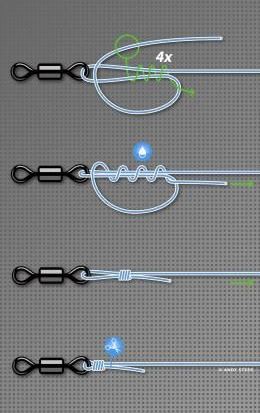
Tying The Improved Clinch Knot
The Improved Clinch Knot is popular for tying weights. It works well with most fishing lines and holds tight under pressure.
- Thread the line through the eye of the weight.
- Wrap the tag end around the main line 5 to 7 times.
- Pass the tag end through the small loop near the eye.
- Then pass it back through the big loop you just made.
- Moisten the knot with water or saliva.
- Pull the tag end and main line slowly to tighten.
- Trim the excess tag end close to the knot.
Tying The Palomar Knot
The Palomar Knot is very strong and easy to tie. It is good for braided and monofilament lines.
- Double about 6 inches of line and pass it through the weight’s eye.
- Tie a loose overhand knot with the doubled line.
- Pass the weight through the loop of the overhand knot.
- Moisten the knot before tightening.
- Pull both ends slowly to snug the knot tight.
- Cut the tag end close to the knot.
Tying The Uni Knot
The Uni Knot works well for many fishing lines. It is easy to adjust and very secure for tying weights.
| Step | Action |
|---|---|
| 1 | Pass the line through the eye of the weight. |
| 2 | Form a loop by doubling the line back alongside the main line. |
| 3 | Wrap the tag end around the doubled line and main line 6 times. |
| 4 | Pull the tag end to form a tight coil around the lines. |
| 5 | Slide the knot down to the eye of the weight. |
| 6 | Moisten and pull both ends to tighten fully. |
| 7 | Trim the tag end close to the knot. |
Tips For Secure Holds
Tying a weight on a fishing line needs a strong knot. A secure knot keeps the weight in place. It helps you fish better and avoid losing your catch.
This guide gives simple tips to make sure your knot holds tight and lasts long.
Moistening The Knot Before Tightening
Before pulling your knot tight, wet it with water or saliva. Moistening helps the line slide smoothly. It stops the line from overheating and weakening. This step makes your knot stronger and safer.
Checking Knot Tightness
After tying, check how tight your knot is. A loose knot can slip or break. Use these tips to test tightness:
- Pull the line gently to feel resistance
- Look for any gaps or loose loops
- Make sure the knot does not move on the line
- If loose, retie or tighten before fishing
Trimming Excess Line
Cut the extra line close to the knot after tying. Leaving too much line can catch on weeds or rocks. Trim carefully to avoid cutting the knot itself. Use sharp scissors or nail clippers for a clean cut.
| Tool | Why Use It |
| Sharp Scissors | Clean, precise cuts near the knot |
| Nail Clippers | Small and easy to handle for fine trimming |
| Line Cutters | Designed for fishing lines, quick trimming |

Credit: www.youtube.com
Common Mistakes To Avoid
Tying a weight on a fishing line seems simple but many make errors. These mistakes can cause lost fish or broken lines.
Knowing what to avoid helps keep your line strong and your catch secure. Here are common errors to watch for.
Using The Wrong Knot
Choosing the wrong knot weakens the connection between the weight and the line. Some knots slip or break easily under pressure.
- Do not use knots made for hooks only.
- Avoid complex knots if you are not practiced.
- Use knots designed for heavy loads like the Palomar or Improved Clinch knot.
- Test the knot by pulling hard before casting.
Not Tightening Properly
Failing to tighten the knot firmly causes it to loosen or slip off. A loose knot can let the weight fall off during casting or retrieval.
| Common Issue | Effect | Fix |
|---|---|---|
| Knot not snug | Weight slips | Tighten knot firmly before trimming |
| Uneven tightening | Knot weakens and breaks | Pull both ends evenly |
| Wet line not moistened | Friction burns weaken line | Moisten line before tightening |
Ignoring Line Condition
Old or damaged lines reduce knot strength. Cuts or frays can cause sudden breaks when under strain.
- Check your fishing line for damage before tying.
- Replace the line if it looks worn or faded.
- Do not tie knots on dirty or wet lines without cleaning first.
- Keep your line dry and stored properly to avoid weakening.
Testing Your Setup
After tying a weight on your fishing line, it is important to test your setup. Testing helps ensure your line and knot hold well under pressure.
This step avoids losing fish or gear during fishing. Let’s focus on two key parts of testing: applying tension safely and adjusting for better performance.
Applying Tension Safely
Apply tension to your line slowly to check the knot and weight hold. Do not pull too hard at once to avoid breaking the line.
- Hold the line near the knot for support.
- Pull the line gently to feel if the knot slips.
- Check if the weight stays firmly attached.
- Stop if you notice any slipping or fraying.
Adjusting For Better Performance
If your setup feels loose or the knot slips, adjust it before fishing. You can retie the knot or change the weight size.
| Issue | Possible Cause | Adjustment |
| Knot slips | Knot tied too loosely | Tighten knot and moisten before pulling |
| Weight slides | Weight not secured properly | Use a different knot or add a stopper |
| Line breaks | Line weak or damaged | Replace line or check for abrasions |

Credit: www.youtube.com
Frequently Asked Questions
How Do You Tie A Weight To Fishing Line?
To tie a weight, thread the line through the weight’s hole. Then, use a clinch knot to secure it tightly. This ensures the weight stays in place during casting and fishing.
What Is The Best Knot For Attaching Weights?
The improved clinch knot is best for attaching weights. It is strong, easy to tie, and holds securely under pressure.
Can I Use Any Type Of Weight For Fishing Line?
Yes, but match the weight to your fishing conditions. Use heavier weights for deep water and lighter ones for shallow areas.
How Tight Should The Knot Be When Tying Weights?
The knot should be snug but not overly tight. A firm knot prevents slipping without damaging the fishing line.
Conclusion
Tying a weight on your fishing line is simple and useful. It helps your bait sink to the right spot. Using the right knot keeps your line strong and secure. Practice a few times, and you will get better fast.
Good knots mean fewer lost fish and less frustration. Keep your line tight while tying for best results. This skill makes fishing more fun and successful. Try it next time you go fishing, and enjoy the difference.