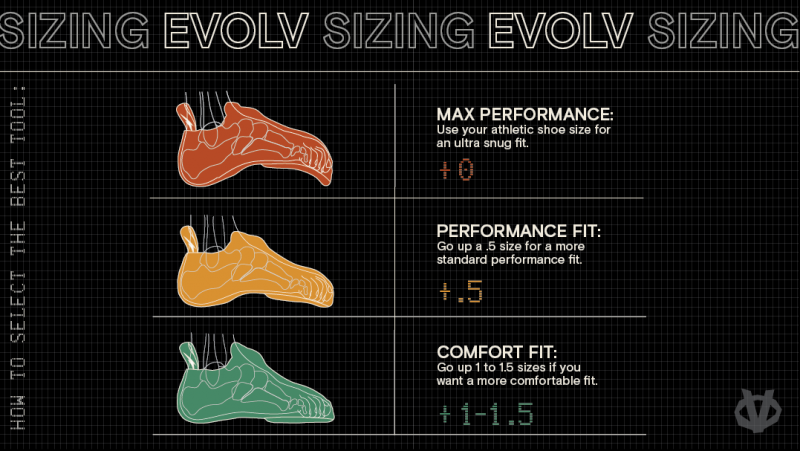
Finding the right size for your rock climbing shoes can make all the difference between a great climb and a painful experience. If your shoes are too tight, your feet will hurt.
If they’re too loose, you’ll lose grip and control. You want a perfect fit that feels snug but comfortable, helping you climb better and longer. In this guide, you’ll discover simple, effective tips to measure your feet and choose the right size so you can focus on your climb, not your discomfort.
Keep reading to make sure your next pair of climbing shoes fits like a glove.

Credit: www.amazon.com
Choosing The Right Shoe Type
Picking the right rock climbing shoe is very important for comfort and performance. Different types fit different climbing styles and feet shapes.
Knowing the differences helps you find shoes that fit well and feel good on your feet.
Aggressive Vs Neutral Shoes
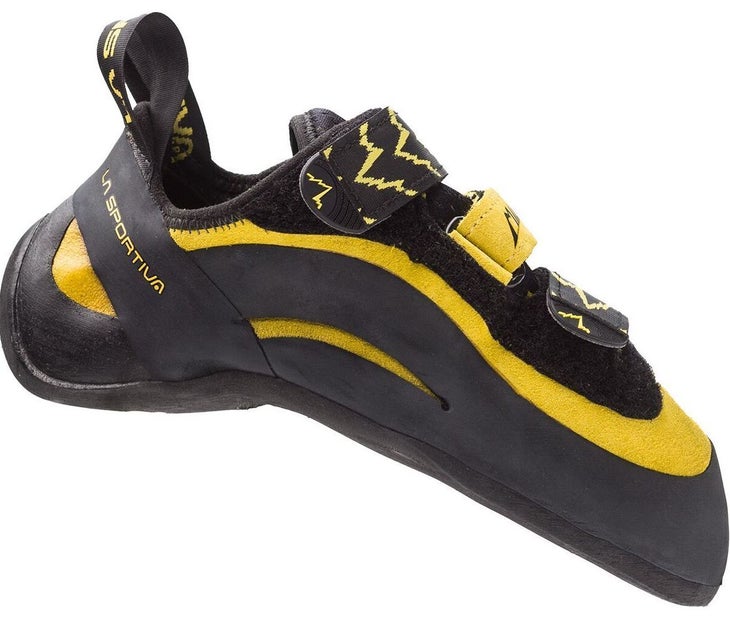
Aggressive shoes have a pointed toe and are curved. They help on steep climbs and small holds.
Neutral shoes are flat and more comfortable. They are good for long climbs and beginners.
- Aggressive shoes:Tight fit, good for advanced climbers
- Neutral shoes:Comfortable fit, good for all-day wear
Material And Stretch Factors
Shoe material affects how much the shoes stretch over time. Leather stretches more than synthetic materials.
Consider this stretch when sizing your shoes. A snug fit now may become loose later.
- Leather:Stretches 5-10%, molds to your foot
- Synthetic:Less stretch, keeps shape longer
Credit: www.climbing.com
Measuring Your Foot Correctly
Choosing the right size for rock climbing shoes starts with measuring your feet correctly. Proper measurement helps ensure a snug fit that supports climbing performance and comfort.
Feet come in many shapes and sizes. Taking accurate measurements of length, width, arch, and volume will guide you in selecting shoes that fit well.
Length And Width Measurement
Measure your foot length and width while standing on a hard surface. Use a ruler or tape measure and follow these steps:
- Place a piece of paper on the floor against a wall.
- Stand with your heel against the wall and your foot flat on the paper.
- Mark the longest toe and the widest part of your foot.
- Use a ruler to measure from the wall to the toe mark for length.
- Measure the widest part for the width.
Measure both feet and use the larger size for shoe fitting. Foot size can vary between left and right.
Arch And Volume Considerations
Arch height and foot volume affect how a climbing shoe fits around your foot. High arches or thick feet need different fits than low arches or slim feet.
| Foot Characteristic | What to Look For | Fit Tip |
| High Arch | Foot curves upward in the middle | Choose shoes with more volume inside |
| Low Arch | Foot is flatter with less curve | Shoes with snugger arch support work better |
| High Volume | Thicker foot with more flesh | Look for wider or stretchable shoes |
| Low Volume | Slim foot with less flesh | Narrow shoes prevent slipping |
Trying On Climbing Shoes
Choosing the right size for climbing shoes is important. The fit can impact your performance. Trying them on in the store helps find the perfect pair.
When trying on shoes, focus on comfort and fit. They should be snug but not painful. Remember, they will stretch a bit with use.
Fit Around Toes And Heel
The toe area should feel snug. Your toes should slightly curl but not be crammed. A tight fit helps with control on the wall.
Check the heel fit. It should be secure without gaps. A good heel fit prevents slipping during climbs.
- No toe pain when standing
- Heel should not lift when walking
Checking For Pressure Points
Wear the shoes for a few minutes. Move your feet to test for pressure points. Discomfort now can mean pain later.
Pressure points often occur around the toes or arches. Make sure the shoes do not pinch or rub these areas.
- Walk around to feel any discomfort
- Check for redness on feet after removing
Understanding Shoe Fit For Different Climbing Styles
Choosing the right size for rock climbing shoes depends on your climbing style. Shoes that fit well improve comfort and performance. Different styles need different fits to work best.
Knowing how to size shoes for bouldering, sport climbing, and trad climbing helps prevent pain and injury. It also helps you climb better and longer.
Bouldering And Sport Climbing Fit
Bouldering and sport climbing need shoes that fit tightly. A snug fit helps with precision on small holds. The shoe should feel like a second skin but not cause sharp pain.
- Shoes are usually sized smaller than your normal shoes.
- The toe box is tight to help with edging and smearing.
- Downturned shoes are common for steep climbs.
- Socks are rarely worn to keep the fit close.
- Expect some discomfort but no numbness or bruising.
Trad Climbing Fit Preferences
Trad climbing shoes focus on comfort for long periods. They usually fit closer to your normal shoe size. Comfort helps avoid foot pain on long routes.
| Feature | Trad Climbing Fit | Sport/Bouldering Fit |
| Fit Tightness | Moderate, comfortable | Very tight, snug |
| Toe Box | Roomier for comfort | Snug and downturned |
| Use of Socks | Often worn | Rarely worn |
| Duration | Long climbs, multi-pitches | Shorter, intense climbs |
| Pressure Level | Low to moderate | High pressure on toes |
Breaking In Your Climbing Shoes
Breaking in climbing shoes is important for comfort and performance. New shoes feel tight and stiff at first.
Proper break-in helps the shoes fit better and reduces pain during climbs.
Wear Time Expectations
Your shoes need time to mold to your feet. Start by wearing them for short periods.
Try wearing shoes 30 minutes to an hour at home. Slowly increase wear time each day.
- Day 1-2: Wear 30 minutes while sitting or walking indoors
- Day 3-5: Wear 1-2 hours, including light climbing
- After 1 week: Shoes should feel more comfortable and flexible
Avoiding Discomfort And Injury
Breaking in shoes too fast can cause pain and injuries. Watch your feet for signs of trouble.
Stop wearing shoes if you feel sharp pain or numbness. Use soft socks if needed during break-in.
- Do not wear climbing shoes all day
- Give your feet breaks between wears
- Check for blisters or redness regularly
- Stretch feet and toes before and after use
When To Replace Your Climbing Shoes
Climbing shoes wear out over time and affect your climbing. Knowing when to replace them keeps your safety and performance high.
Look for clear signs that your shoes need replacing. This helps you avoid injury and climb better.
Signs Of Wear And Tear
Check your shoes regularly for damage. Worn-out shoes show these common signs:
- Holes or tears in the fabric or leather
- Thin or worn-down soles
- Loose or broken closures like Velcro or laces
- Deformed shape that no longer fits your foot
- Loss of rubber grip on the toe and heel areas
Performance Impact
Old shoes reduce your climbing ability. Here is a table that shows how shoe wear affects performance:
| Wear Issue | Effect on Climbing |
| Worn soles | Less grip on rocks, higher slip risk |
| Damaged toe rubber | Weak toe hooks and edging |
| Loose fit | Lower precision and foot control |
| Broken closures | Shoes may loosen mid-climb |
Credit: www.evolvsports.com
Frequently Asked Questions
How Do I Measure My Feet For Climbing Shoes?
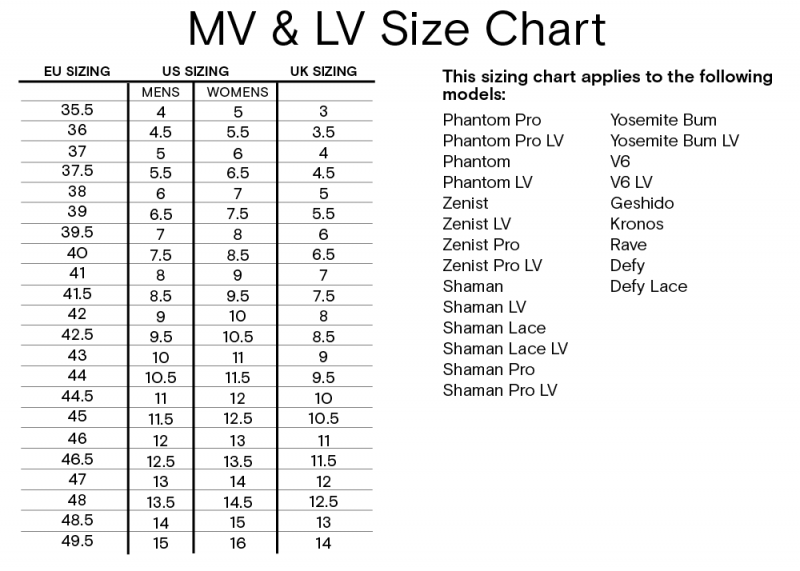
Measure your feet at the end of the day for accuracy. Use a ruler or Brannock device to measure length and width. Compare measurements to the shoe brand’s size chart for the best fit. This ensures comfort and performance while climbing.
Should Climbing Shoes Fit Tight Or Comfortable?
Climbing shoes should fit snugly but not painfully tight. A tight fit helps with precision, but avoid numbness or severe discomfort. Shoes that are too loose reduce control. Aim for a balance between performance and comfort for effective climbing.
Can Climbing Shoes Stretch Over Time?
Yes, most climbing shoes stretch slightly with wear, especially leather models. Synthetic shoes tend to stretch less. Consider this when sizing. Choose a snug fit initially, knowing the shoes will loosen after break-in.
Why Is Heel Fit Important In Climbing Shoes?
A secure heel fit prevents slipping and improves stability on footholds. Poor heel fit can cause discomfort and reduce climbing efficiency. Ensure the heel cup hugs your foot firmly for better control and support.
Conclusion
Choosing the right size for rock climbing shoes is key to comfort and safety. Shoes that fit well help you climb better and avoid pain. Always try shoes on and walk around before buying. Remember, climbing shoes may feel tight at first but should not hurt.
Take your time finding the best fit. Happy climbing!