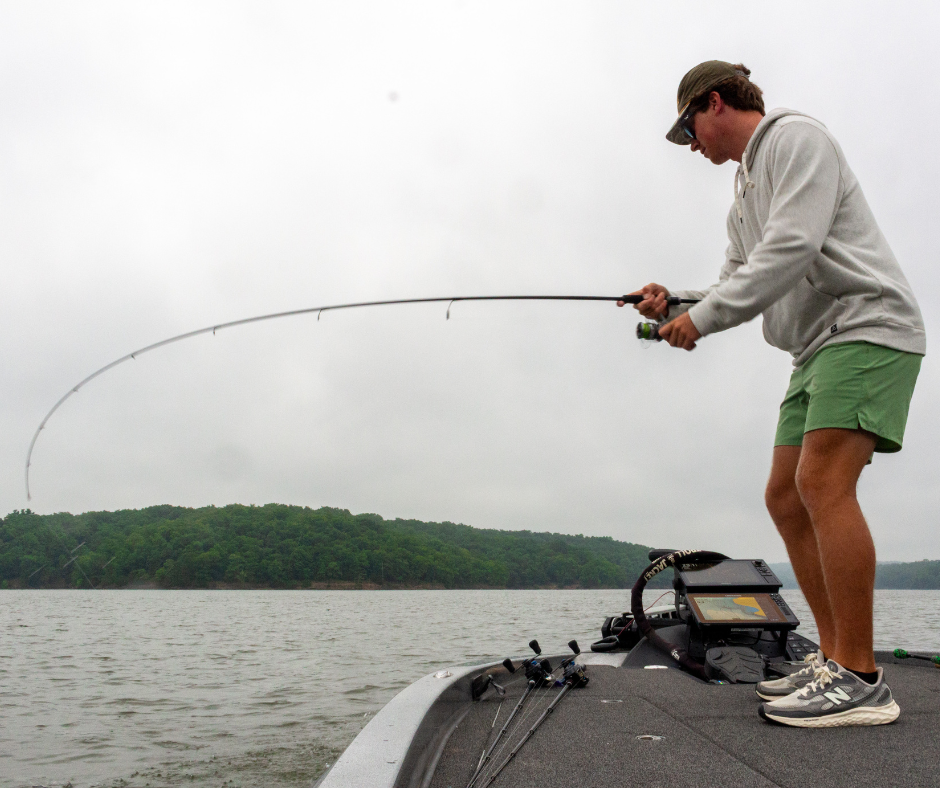
Choosing the right fishing line size can make all the difference when you’re after bass. If you’ve ever felt frustrated watching a big bass slip away or struggled with tangled lines, this guide is for you.
Knowing what size fishing line to use will not only improve your chances of landing that trophy bass but also make your fishing experience smoother and more enjoyable. Keep reading, and you’ll discover exactly how to pick the perfect line for your next bass fishing trip.

Credit: fishingbooker.com
Choosing Line Strength
Picking the right fishing line strength is key for bass fishing. It helps you catch more fish and avoid line breaks.
The strength you need depends on your fishing style, gear, and the bass you want to catch.
Light Vs Heavy Line
Light fishing lines are thin and less visible in water. They let bass bite more without noticing the line.
Heavy lines are thicker and stronger. They help catch bigger bass and fight through weeds or rough cover.
- Light lines: 4 to 8 pounds test
- Heavy lines: 12 to 20 pounds test
- Light lines offer better lure action and sensitivity
- Heavy lines provide strength and durability
Impact On Bass Behavior
Bass can be shy or aggressive depending on line visibility. Light lines reduce spooking bass in clear water.
Heavy lines work better if bass stay near thick cover or in murky water where line visibility is less of a problem.
- Light lines help catch cautious bass
- Heavy lines help land bigger, stronger bass
- Match line choice to water clarity and bass mood
Matching Line To Rod And Reel
Your rod and reel have weight and strength limits for fishing lines. Using the right line keeps your gear balanced.
Check the rod’s recommended line weight range. Use a line within that range for best casting and control.
| Rod Line Weight | Best Line Strength |
|---|---|
| Light (4-8 lbs) | 4-8 pounds test |
| Medium (8-12 lbs) | 8-12 pounds test |
| Heavy (12-20 lbs) | 12-20 pounds test |
Types Of Fishing Line
Choosing the right fishing line is important for bass fishing. Different lines offer different benefits. Knowing these helps you pick the best one for your needs.
This guide covers three main types of fishing lines. Each has unique features that suit various fishing conditions and styles.
Monofilament Benefits
Monofilament line is easy to handle and stretchable. It is good for beginners and versatile in many situations.
- Good knot strength
- Affordable price
- Floats on water
- Absorbs shock well
- Available in many colors
Fluorocarbon Features
Fluorocarbon line is less visible underwater. It sinks faster and resists abrasion. This makes it great for clear water bass fishing.
| Feature | Description |
| Visibility | Low underwater, almost invisible |
| Density | Sinks quickly |
| Abrasion resistance | High resistance to wear |
| Stretch | Low stretch for better hook sets |
| Price | Usually higher than monofilament |
Braided Line Advantages
Braided line is very strong and thin. It has almost no stretch. This helps you feel bites and set hooks fast.
- High strength for its diameter
- Very low stretch
- Great for heavy cover fishing
- Does not absorb water
- More visible in water than fluorocarbon
Ideal Line Sizes For Bass
Choosing the right fishing line size is crucial when fishing for bass. The line’s thickness affects casting and sensitivity.
Each fishing situation demands a specific line size to maximize success. Let’s explore the ideal sizes for different conditions.
Light Lines For Clear Water
In clear water, bass are more cautious. A lighter line helps in making your lure appear natural.
- 4 to 8-pound test line is recommended.
- Allows for longer casts and subtle presentations.
- Useful when fishing with smaller baits.
Medium Lines For Versatility
Medium lines provide a good balance between strength and sensitivity. They are great for various fishing scenarios.
| Line Type | Strength | Uses |
| Monofilament | 10 to 14-pound test | General use |
| Braided | 15 to 20-pound test | Dense cover |
| Fluorocarbon | 12-pound test | Clear water |
Heavy Lines For Cover Fishing
When fishing in areas with heavy cover, a stronger line is necessary to pull bass from dense vegetation.
Heavy lines, such as those over 20-pound test, help prevent breakage. They’re ideal for flipping and pitching techniques.

Credit: www.reddit.com
Factors Affecting Line Choice
Choosing the right fishing line is key for bass fishing success. Different factors affect which line will work best.
Understanding these factors helps you pick a line that matches your fishing style and conditions.
Water Clarity And Conditions
Water clarity changes how visible your line is to bass. Clear water needs thinner, less visible line. Murky water allows thicker, stronger lines.
- Clear water: use light, clear lines like fluorocarbon or light monofilament
- Stained or murky water: heavier lines with higher visibility like braided line are fine
- Rocky or heavy cover areas: strong lines resist abrasion better
Bass Size And Species
Big bass need stronger lines to handle their weight and fight. Smaller bass allow lighter lines for better lure action.
| Bass Size | Recommended Line Strength (lb) |
| Small (1-3 lbs) | 4-8 |
| Medium (3-6 lbs) | 8-12 |
| Large (6+ lbs) | 12-20 |
Fishing Techniques And Lures
Your fishing method affects line choice. Different lures and techniques need different line types and strengths.
- Topwater lures: lighter lines help with better lure movement
- Jigging or flipping: stronger lines resist abrasion and pull heavy bass
- Spinnerbaits or crankbaits: medium lines balance strength and lure action
Testing And Maintenance Tips
Choosing the right fishing line for bass is important. Testing and maintaining your line keeps it strong and reliable. This guide shares tips to check, replace, and store your fishing line well.
Regular care helps prevent breakage and improves your fishing experience. Follow these simple steps to keep your line in good shape.
Checking Line Strength
Check your fishing line strength before every trip. Look for signs of wear like frays, cuts, or thinning spots. Testing line strength can avoid unexpected breaks while fishing.
- Pull the line firmly with your hands to feel its tension.
- Inspect the line closely under light for damage.
- Replace the line if it feels weak or looks worn out.
Replacing Old Line
Old fishing lines lose strength and stretch. Replace your line regularly to keep it working well. Fresh line improves casting and hook setting.
| Reason to Replace | Effect on Fishing |
|---|---|
| Visible frays and cuts | Line breaks easily |
| Line is over 6 months old | Weakened strength and stretch |
| Line feels brittle or rough | Poor casting and control |
Storing Fishing Line Properly
Proper storage keeps your fishing line strong and tangle-free. Store your line away from heat and sunlight to avoid damage.
- Keep line in a cool, dry place
- Use sealed containers or bags
- Avoid tight coils to prevent memory
- Store spools horizontally to keep shape
- Check stored line regularly for damage
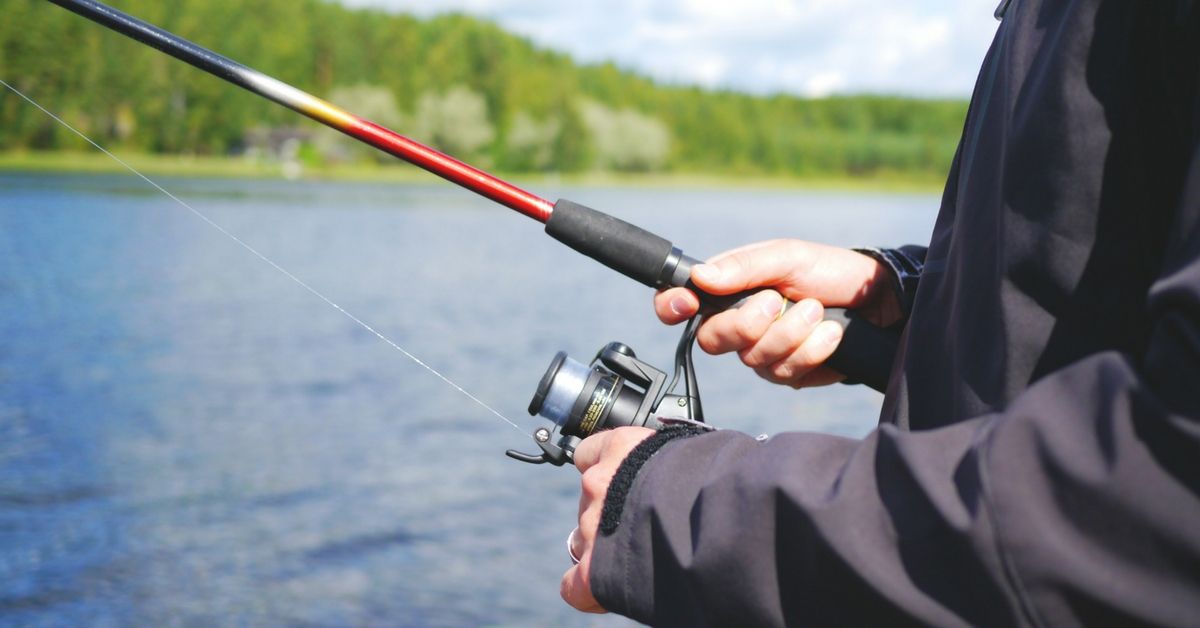
Credit: mysterytacklebox.com
Expert Tips For Bass Fishing
Choosing the right fishing line size is important for catching bass. The line must be strong but not too thick.
This guide will help you pick the right line size and use it well for better fishing results.
Adjusting Line Based On Season
Bass behavior changes with seasons. Adjust your fishing line size to match these changes.
In spring and fall, use lighter line for clear water and active fish. In summer and winter, choose stronger line for tough conditions.
- Spring/Fall: 6-10 lb test line for more sensitivity
- Summer/Winter: 10-15 lb test line for strength
- Clear water needs thinner lines to avoid spooking bass
Combining Lines For Best Results
Using two types of lines together can improve fishing. Try combining braid and fluorocarbon lines.
Braid offers strength and low stretch. Fluorocarbon is less visible underwater and sinks faster. Use braid as the main line and fluorocarbon as a leader.
- Braid main line for casting distance and strength
- Fluorocarbon leader for invisibility and sensitivity
- Use 10-20 lb braid with 8-12 lb fluorocarbon leader
Common Mistakes To Avoid
Many anglers use the wrong line size or ignore the fishing conditions. This can cause lost fish or broken lines.
Do not use too heavy line in clear water or too light line in heavy cover. Match your line to the bait and fishing spot.
- Using thick line in clear water scares bass away
- Too light line breaks easily around weeds and rocks
- Not checking line condition leads to snapping
- Ignoring knot strength reduces line power
Frequently Asked Questions
What Is The Best Fishing Line Strength For Bass?
A 6 to 12-pound test line is ideal for bass fishing. It offers enough strength to handle most bass sizes. This range balances sensitivity and durability for better hook sets.
Should I Use Braided Or Monofilament Line For Bass?
Braided line offers high strength and sensitivity but is visible underwater. Monofilament is less visible and stretches, making it good for topwater lures. Choose based on water clarity and fishing technique.
How Does Fishing Line Diameter Affect Bass Fishing?
Thinner lines are less visible and allow longer casts. Thicker lines provide more abrasion resistance and strength. Use thinner lines in clear water and thicker lines in heavy cover.
Can I Use Fluorocarbon Line For Bass Fishing?
Yes, fluorocarbon is excellent for bass fishing. It is nearly invisible underwater and has good abrasion resistance. It’s perfect for clear water and finesse techniques.
Conclusion
Choosing the right fishing line size helps catch more bass. Lighter lines offer better sensitivity and natural bait movement. Stronger lines resist breaks when bass fight hard. Match line strength to the water and bass size. Try different sizes to see what works best.
Keep your gear balanced for easier casting and control. Good line choice improves your chances on every trip. Simple steps lead to better bass fishing success.