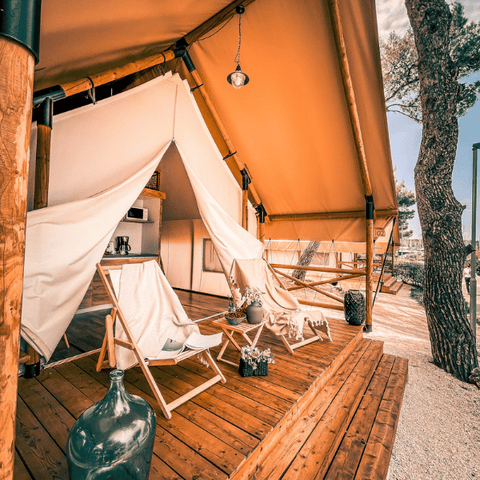
Imagine waking up in your tent feeling refreshed, cozy, and ready to enjoy the day ahead. Tent camping can be an amazing way to connect with nature, but without the right tips, it can also be uncomfortable and tiring.
What if you could avoid sore backs, cold nights, and restless sleep? You’ll discover simple, practical ways to make your tent camping experience not just bearable, but truly comfortable. Keep reading, and your next outdoor adventure will feel like a home away from home.
Choosing The Right Tent
Selecting the right tent makes your camping trip more comfortable. It protects you from weather and gives enough space to move around.
Think about the size, ventilation, and weather resistance before buying a tent. These features help you enjoy your time outdoors.
Size And Capacity
Choose a tent size based on how many people will sleep inside. Also, consider extra space for gear and movement.
- Pick a tent with at least one extra person capacity
- Consider tents with multiple rooms for privacy
- Check tent floor size and height for comfort
- Think about storage space for backpacks and shoes
Ventilation Features
Good airflow stops moisture and keeps the tent fresh. Look for tents with mesh windows and vents.
| Ventilation Feature | Benefit |
| Mesh Windows | Blocks bugs but lets air pass |
| Roof Vents | Allows hot air to escape |
| Adjustable Flaps | Control airflow as needed |
Weather Resistance
A tent must protect you from rain, wind, and sun. Check the materials and design for strong weather resistance.
- Waterproof rainfly to keep rain out
- Durable fabric that resists tears
- Strong poles to withstand wind
- Sealed seams to prevent leaks
Credit: www.jackery.com
Selecting A Comfortable Sleeping Setup
Making your tent camping nights comfortable starts with a good sleeping setup. It helps you rest well and enjoy your outdoor trip.
Choosing the right gear for sleeping can make a big difference. Focus on sleeping pads, sleeping bags, pillows, and blankets.
Sleeping Pads And Air Mattresses
Sleeping pads add cushioning between you and the hard ground. They help keep you warm and comfortable.
Air mattresses are thicker and softer. They provide extra comfort but may be heavier to carry.
- Foam pads are lightweight and easy to use.
- Inflatable pads save space when packed.
- Air mattresses offer more softness but need a pump.
- Choose based on how much weight and space you can manage.
Sleeping Bags For Different Climates
Sleeping bags keep you warm during the night. Pick one that fits the weather you expect.
Cold weather bags have more insulation. Warm weather bags are lighter and more breathable.
- Check the temperature rating before buying.
- Look for bags with water-resistant materials.
- Use liners for extra warmth if needed.
Pillows And Blankets
Small camping pillows support your neck and head. They help you sleep more comfortably.
Bring extra blankets for added warmth. They can be used inside or outside your sleeping bag.
- Choose compact pillows that pack easily.
- Use fleece or wool blankets for warmth.
- Layer blankets to adjust to temperature changes.
Optimizing Tent Interior
Making your tent comfortable helps you enjoy camping more. A well-planned tent interior gives you space and convenience.
Organize your gear, add soft floor coverings, and use good lighting. These steps create a cozy tent space.
Organizing Gear Efficiently
Keep your gear tidy to save space inside the tent. Use storage bins or hanging organizers to hold small items.
Place frequently used items near the entrance for quick access. Avoid clutter by storing gear in separate bags.
- Use mesh pockets or hanging shelves
- Store shoes and dirty clothes outside the sleeping area
- Keep food sealed and away from sleeping spaces
Using Rugs And Floor Mats
Rugs and floor mats add comfort and warmth to your tent floor. They protect your feet from cold, dirt, and moisture.
Choose mats that are easy to clean and dry quickly. A soft rug creates a cozy space to sit or relax inside the tent.
- Use waterproof mats near the entrance
- Place soft rugs in sleeping or seating areas
- Pick mats that fit your tent size
Lighting Options
Good lighting makes your tent more inviting and useful at night. Choose lights that are safe and easy to use inside the tent.
Battery-powered lanterns, string lights, or headlamps work well. Arrange lights to avoid glare and shadows inside the tent.
- Use LED lanterns for bright, long-lasting light
- Hang string lights from tent poles or ceiling
- Keep a headlamp handy for hands-free tasks
Maintaining Temperature Inside The Tent
Camping in a tent can be fun but also challenging. Keeping the right temperature inside the tent is important for comfort. It helps you sleep well and enjoy your trip.
This guide covers simple ways to stay warm in cold weather and keep cool during hot nights. These tips will help you control the tent temperature easily.
Staying Warm In Cold Weather
Cold weather can make tent camping hard. To stay warm, block wind and keep heat inside. Use good sleeping bags and extra layers of clothing.
Also, add a ground pad to stop cold from the ground. Close the tent flaps and zippers to keep warm air in. Avoid sweating by removing layers if you feel hot.
- Use a sleeping bag rated for cold weather
- Wear thermal clothing inside the tent
- Place a foam pad under your sleeping bag
- Keep tent vents closed at night
- Block drafts with a tent footprint or tarp
Keeping Cool During Hot Nights
Hot nights can be uncomfortable. To cool the tent, open windows and vents to allow airflow. Set up the tent in the shade before it gets hot.
Use lightweight and light-colored tents to reflect heat. Avoid using heavy sleeping bags. Stay hydrated and wear light clothes for better comfort.
- Open tent doors and vents for air flow
- Set up the tent under trees or shade
- Use a light-colored tent or cover
- Sleep with a thin sheet or no bag
- Drink water to stay cool and hydrated
Enhancing Noise And Light Control
Making tent camping comfortable means controlling noise and light inside your tent. Noise from outside and bright lights can disturb your rest.
Simple ways to reduce sound and block light help you sleep better and enjoy your camping trip more.
Soundproofing Tips
To reduce noise in your tent, use thick materials that absorb sound. Soft items help block outside sounds effectively.
Try these tips to keep your tent quieter:
- Place a thick camping mat or rug on the tent floor.
- Hang blankets or towels on tent walls to absorb noise.
- Use earplugs for extra noise protection.
- Choose a quiet camping spot away from noisy areas.
Blocking External Light
Bright lights from outside can wake you up early or disturb your sleep. Blocking light inside your tent helps you rest well.
Use these ideas to keep light out:
- Cover tent windows with dark cloth or blackout curtains.
- Use a tent with built-in light-blocking materials.
- Wear a sleep mask to block light from your eyes.
- Set up your tent away from street lights or campfires.
Credit: www.battlbox.com
Camp Setup For Added Comfort
Tent camping is a wonderful way to enjoy nature. A comfortable setup can make your camping experience much better. Here are some tips to help you create a cozy camp.
Choosing The Best Campsite
The right campsite can make a big difference. Look for a flat area to pitch your tent. Avoid places with rocks or roots. A shaded spot can keep your tent cool.
- Check for level ground
- Avoid wet or low-lying areas
- Choose a site near water for convenience
Setting Up A Cozy Outdoor Area
Create a nice area outside your tent. Use a tarp or outdoor rug for a clean surface. Add string lights for a warm glow in the evening.
- Place a tarp under your tent
- Use portable lights or lanterns
- Set up a fire pit for warmth and cooking
Using Camping Furniture
Camping furniture adds comfort. Foldable chairs and tables are easy to pack. A camping cot or air mattress can improve your sleep.
- Pack lightweight, foldable chairs
- Bring a portable table for meals
- Consider a hammock for relaxing
Practical Tips For Nighttime Comfort
Spending a night outdoors can be fun but also challenging. Comfort during tent camping makes the experience better. Simple changes help you sleep well and feel safe.
Use smart ideas to avoid bugs, stay clean, and protect yourself at night. These tips help you enjoy your camping trip more.
Managing Insects And Pests
Insects can disturb your sleep and cause discomfort. Keep them away with the right tools and habits. This keeps your tent a peaceful place at night.
- Use insect repellent on your skin and clothes
- Keep your tent zipped at all times
- Store food in sealed containers outside the tent
- Remove trash and food scraps immediately
- Use mosquito nets or screens on tent openings
- Choose a camping spot away from standing water
Personal Hygiene On The Trail
Staying clean helps you feel good and prevents skin problems. Good hygiene also keeps insects away and lowers infection risks.
| Hygiene Tip | Why It Matters |
| Wash hands with soap and water | Reduces germs and infections |
| Use biodegradable wipes | Clean body without water |
| Brush teeth before bed | Prevents tooth decay and bad breath |
| Change into clean clothes | Keeps you dry and comfortable |
Nighttime Safety Measures
Feeling safe helps you relax and sleep better. Take simple steps to protect yourself and your group during the night.
- Set up your tent in a safe, flat area
- Keep a flashlight or headlamp nearby
- Store sharp tools away from your sleeping area
- Let someone know your camping location
- Have a whistle or noise maker for emergencies
- Keep your phone or communication device charged

Credit: www.lifeintents.com
Frequently Asked Questions
What Are The Best Sleeping Pads For Tent Camping?
The best sleeping pads are lightweight, insulated, and provide good cushioning. Look for inflatable or foam pads for comfort and warmth. Choose pads that fit your tent size and are easy to carry. This ensures a restful sleep and enhances your camping experience.
How Can I Keep My Tent Organized?
Use storage pockets, hanging organizers, and bins inside your tent. Keep gear off the floor to maximize space. Label bags for quick access to essentials. Organized tents reduce clutter and improve comfort during camping trips.
How Do I Stay Warm Inside A Tent?
Use insulated sleeping bags and sleeping pads to retain heat. Dress in layers and wear moisture-wicking fabrics. Use a tent heater safely or hot water bottles. Proper ventilation prevents condensation while keeping warmth inside.
What Lighting Options Improve Tent Comfort?
LED lanterns, string lights, and headlamps are great for tent lighting. Choose battery-operated or rechargeable options for convenience. Soft, warm light creates a cozy atmosphere and helps you navigate inside the tent easily.
Conclusion
Making tent camping comfortable takes simple steps and good gear. Choose the right tent and sleeping pad to stay cozy. Keep your clothes dry and pack light for ease. Organize your space to avoid mess and stress. Enjoy the fresh air and sounds of nature.
Small comforts make camping more fun and relaxing. Try these tips on your next trip and feel the difference. Camping can be easy and enjoyable for everyone. Ready to sleep well under the stars?