Have you ever wondered what shearing means in medical terms and why it matters for your health? Understanding shearing can help you protect yourself or a loved one from serious skin injuries, especially if mobility is limited.
This simple yet crucial concept affects how pressure and friction impact your body, and knowing about it could make a big difference in preventing painful wounds. Keep reading to discover what shearing is, how it happens, and what you can do to stay safe and comfortable.
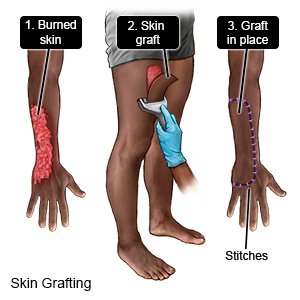
Credit: www.drugs.com
Shearing In Medicine
Shearing in medical terms refers to a type of force that affects the skin and tissues. It happens when layers of skin move in opposite directions. This can cause damage to blood vessels and tissues beneath the skin.
Understanding shearing is important for preventing injuries, especially in patients who stay in one position for a long time. This helps caregivers provide better care and avoid complications.
Definition And Mechanism
Shearing occurs when the skin sticks to a surface while the body moves in a different direction. This causes the layers under the skin to stretch and tear. The damage can lead to pain and slow healing wounds.
- Skin remains fixed on a surface like a bed or chair.
- Underlying tissues slide in the opposite direction.
- Blood vessels stretch or break, reducing blood flow.
- Cells may die from lack of oxygen and nutrients.
Common Areas Affected
Some body parts are more prone to shearing injuries because of how they press against surfaces. These areas often have less padding and are near bones.
| Body Area | Reason for Risk |
| Lower back | Pressure against chair or bed |
| Heels | Contact with bed surface |
| Buttocks | Weight bearing and movement |
| Shoulders | Sliding in bed or chair |
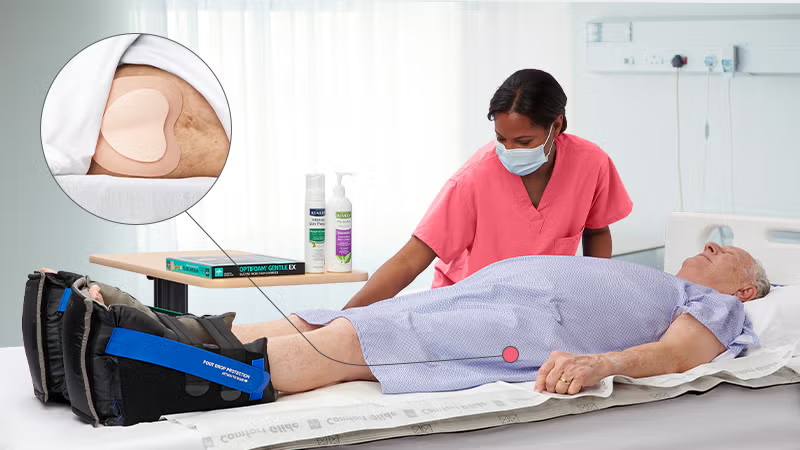
Credit: www.medline.com
Causes Of Shearing
Shearing happens when skin moves one way and the bone moves another. This can cause damage to skin and tissues below.
Understanding what causes shearing helps prevent injuries in medical care. Many factors play a role in causing shearing.
Patient Movement And Positioning
Shearing often occurs when patients slide down in bed or a chair. The skin sticks to the surface while bones move down.
Improper positioning can increase this risk. Changing positions carefully reduces pressure and shearing forces.
Friction And Pressure Factors
Friction happens when skin rubs against clothing or bedding. This rubbing can weaken skin and lead to shearing.
Pressure from lying or sitting too long can reduce blood flow. Low blood flow makes skin more fragile and prone to damage.
- Friction increases skin damage risk
- High pressure reduces blood flow
- Both together worsen shearing effects
Medical Equipment Influence
Some medical devices can add to shearing risk. Tubes, braces, and splints may press or pull on the skin.
Incorrect use of equipment can trap skin and cause it to stretch or tear. Proper fitting and padding help prevent this.
Effects Of Shearing
Shearing forces affect the skin and tissues beneath. They occur when layers of skin move in opposite directions. This can lead to various medical issues.
Understanding the effects of shearing is important. It helps in preventing and managing related health problems.
Skin And Tissue Damage
Shearing can cause serious damage to skin and tissue. The friction may lead to tears and bruises.
- Skin tears
- Bruises
- Increased risk of infection
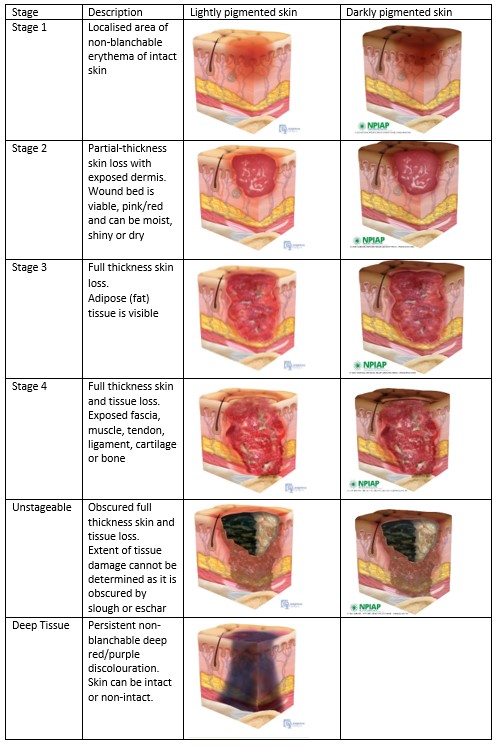
Pressure Ulcers Development
Pressure ulcers are a common result of shearing. They happen when skin is under continuous pressure and friction.
| Stage | Description |
| Stage 1 | Reddened skin that does not blanch |
| Stage 2 | Partial thickness skin loss |
| Stage 3 | Full thickness skin loss |
| Stage 4 | Damage to muscle or bone |
Complications And Risks
The risks associated with shearing are numerous. They include infections and prolonged healing times.

Credit: www.actionproducts.com
Prevention Strategies
Shearing is a skin injury caused by forces that stretch and tear skin layers. It often happens when skin sticks to a surface while the body moves in the opposite direction. Preventing shearing is important to protect patients from wounds and infections.
Effective prevention uses proper care methods. These focus on handling, support surfaces, skin care, and training staff to reduce risks. Each part plays a key role in keeping skin healthy and safe.
Proper Patient Handling
Correct patient handling reduces skin stress and shearing forces. Using safe techniques protects the skin during movement or repositioning. Avoid dragging or sliding patients on surfaces.
- Use lifting devices or sliding sheets when moving patients.
- Support the body evenly to avoid pressure points.
- Move patients gently and slowly to reduce skin friction.
- Keep the head of the bed at the lowest safe angle.
Use Of Support Surfaces
Special support surfaces help reduce pressure and shear on the skin. These include mattresses, cushions, and overlays designed to distribute weight evenly.
| Support Surface Type | Purpose | Benefit |
| Foam Mattress | Pressure relief | Reduces skin compression |
| Air-Fluidized Bed | Weight distribution | Minimizes shear forces |
| Gel Cushion | Pressure redistribution | Prevents skin breakdown |
| Alternating Pressure Overlay | Pressure variation | Improves blood flow |
Skin Care And Monitoring
Maintaining clean, dry, and healthy skin reduces shearing risks. Regular skin checks detect early signs of damage. Moisturizing prevents dryness and cracking.
- Keep skin clean and dry at all times.
- Inspect skin daily for redness or breakdown.
- Use gentle cleansers and moisturizers.
- Avoid harsh rubbing or scrubbing.
- Reposition patients regularly to relieve pressure.
Staff Training And Awareness
Educating staff on shearing and prevention improves patient safety. Training covers safe handling, skin care, and equipment use. Awareness helps staff act quickly to prevent injury.
- Understanding shearing and its effects
- Proper patient repositioning techniques
- Use of support surfaces
- Skin assessment methods
- Early intervention to prevent skin damage
Frequently Asked Questions
What Does Shearing Mean In Medical Terms?
Shearing in medical terms refers to skin and tissue damage caused by friction and pressure. It often occurs when skin sticks to a surface, and the body moves in the opposite direction. This can lead to injuries like pressure ulcers or bedsores, especially in bedridden patients.
How Does Shearing Affect Patient Health?
Shearing can cause skin tears, ulcers, and deep tissue injuries. These wounds increase infection risks and delay healing. Proper care and repositioning help prevent shearing injuries and improve patient comfort and recovery outcomes.
What Causes Shearing Injuries In Healthcare?
Shearing injuries result from friction combined with pressure on the skin. Common causes include improper patient handling, sliding in bed, or inadequate support surfaces. Awareness and correct techniques reduce the risk of shearing damage.
How Can Shearing Be Prevented In Medical Care?
Preventing shearing involves frequent repositioning, using pressure-relieving devices, and maintaining skin moisture. Training healthcare staff in safe patient handling is essential. These measures minimize friction and pressure, protecting vulnerable skin areas.
Conclusion
Shearing in medical terms means skin damage from friction and pressure. It often happens when skin moves one way and bone moves another. This can cause discomfort and lead to wounds or ulcers. Understanding shearing helps caregivers prevent these injuries.
Proper care, like repositioning and using cushions, reduces risks. Knowing about shearing keeps patients safer and healthier. Simple steps make a big difference in avoiding skin damage. Stay aware and act early to protect the skin.