Are you wondering if braided line is the right choice for your saltwater fishing adventures? Choosing the right fishing line can make a huge difference in your success on the water.
Braided line has gained a lot of attention lately, but is it really the best option for saltwater fishing? You’ll discover the key benefits and potential drawbacks of using braided line in salty conditions. By the end, you’ll have a clear idea of whether this line can boost your fishing game or if you should stick with something else.
Keep reading to find out what could change the way you fish forever.

Credit: www.amazon.ca
Benefits Of Braided Line
Braided fishing line is popular among saltwater anglers. It offers unique benefits that improve fishing experience. Many fishermen trust it for its strength and performance.
Saltwater fishing needs tough line to handle big fish and rough conditions. Braided line meets these demands well, making it a good choice.
High Strength And Durability
Braided line has very high strength compared to other lines. It can hold heavy fish without breaking. This makes it reliable for saltwater fishing.
The line resists abrasion from rocks, coral, and rough surfaces. Its durability helps it last longer in tough conditions. Anglers get more use from one spool.
Low Stretch For Better Sensitivity
Braided line stretches very little under pressure. This helps anglers feel even small bites quickly. It improves hook setting and control over the fish.
Low stretch means the line reacts fast to fish movements. You get better feedback and can adjust your fishing technique easily.
Thin Diameter Advantages
Braided line has a thin diameter while keeping strong tensile strength. This allows more line to fit on the reel. It also casts farther and more smoothly.
Thinner line reduces water resistance. This helps in fighting big fish and improves overall fishing performance.

Credit: thegww.com
Challenges Of Using Braided Line
Braided line is popular for saltwater fishing due to its strength. Still, it comes with some challenges anglers must know.
This article covers key issues like visibility, knots, and abrasion resistance when using braided line.
Visibility Concerns In Clear Water
Braid is very visible in clear water because of its thin strands and bright colors. Fish may see the line and get scared.
Anglers often use a leader made of fluorocarbon or monofilament to hide the braid from fish.
Knots And Tying Techniques
Tying knots with braided line needs care. It is slippery and can slip if knots are not tight.
- Use knots designed for braid like the Palomar or Double Uni knot.
- Wet the line before tightening knots to reduce friction.
- Pull knots slowly and firmly to secure them well.
- Trim tag ends close to avoid snagging.
Abrasion Resistance Issues
Braid can wear quickly on rough surfaces like rocks or coral. It lacks the stretch that helps absorb shocks.
| Surface Type | Effect on Braided Line |
| Sharp Rocks | Cuts or frays easily |
| Coral | Wears down fibers fast |
| Sandy Bottom | Minimal abrasion |
| Boat Edges | Can cause damage if rubbed |
Comparing Braided Line With Other Lines
When fishing in saltwater, choosing the right line is important. Different lines have unique features. This helps anglers select the best one for their needs.
Braided line is popular among saltwater fishermen. It has benefits and drawbacks compared to other types like monofilament and fluorocarbon.
Braided Vs Monofilament
Braided line is stronger than monofilament. It has less stretch, which helps with sensitivity. Anglers can feel bites more easily.
Monofilament is more flexible and easier to handle. It is also cheaper than braided line. However, it can be less durable in saltwater.
- Braided line offers more strength
- Monofilament is more affordable
- Braided line provides better sensitivity
- Monofilament is easier to manage
Braided Vs Fluorocarbon
Braided line is visible in water, which might scare fish. Fluorocarbon is nearly invisible, making it better for clear water.
Fluorocarbon sinks faster than braided line. This can be helpful for deep-water fishing. Braided line, however, floats and can be useful for topwater lures.
- Braided line is visible in water
- Fluorocarbon is nearly invisible
- Braided line floats
- Fluorocarbon sinks quickly
Best Braided Lines For Saltwater Fishing
Braided fishing lines are popular for saltwater fishing. They offer high strength and low stretch. Anglers often choose braided lines for better sensitivity and durability in tough conditions.
Choosing the right braided line means looking at brands, strength, and color options. This guide helps you find the best lines for your saltwater fishing needs.
Top Brands And Models
Several brands make braided lines known for quality and reliability. These brands offer different models suited for saltwater fishing challenges.
- PowerPro: Known for smooth casting and strong knots.
- SpiderWire: Offers excellent abrasion resistance.
- Saltiga by Daiwa: Made for big saltwater fish.
- Berkley FireLine: Known for high sensitivity and strength.
- Seaguar InvizX: Clear braided line for stealth fishing.
Line Strength Ratings
Line strength is critical in saltwater fishing. It tells you how much weight the line can hold before breaking.
| Line Strength (lbs) | Common Use |
| 10 – 20 | Light saltwater fishing, small fish |
| 20 – 50 | Medium saltwater fishing, most game fish |
| 50 – 80 | Heavy saltwater fishing, large fish |
| 80+ | Big game fishing, heavy cover |
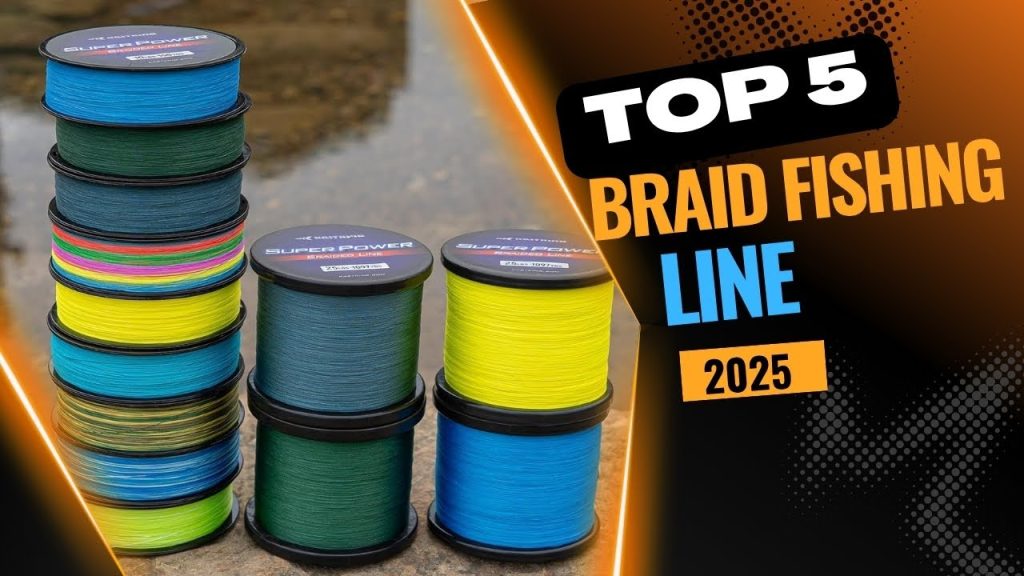
Color Options And Their Uses
Choosing the right color helps with visibility and fish behavior. Some colors blend in, others stand out for line control.
- Green: Good for clear water, blends well with seaweed.
- Blue: Works well in deep or open water.
- White or Clear: Great for stealth in clear water.
- Yellow or High-Vis: Easy to see above water for better control.
- Camouflage: Helps hide line near rocky or coral areas.
Tips For Using Braided Line Effectively
Braided line is strong and thin, making it popular for saltwater fishing. It offers great sensitivity and casting distance.
Using braided line correctly can improve your fishing experience. Follow these tips to get the best results.
Proper Spooling Techniques
Spooling braided line needs care to avoid problems like line twist and slippage. Use a backing of monofilament to help the braid grip the spool.
- Attach monofilament backing tightly on the spool first.
- Spool braided line evenly and with moderate tension.
- Avoid overfilling the spool to prevent tangles.
- Check the line regularly for any twists or overlaps.
Using Leaders With Braided Line
Braided line has little stretch, so leaders protect the line from sharp fish teeth and abrasion. Fluorocarbon leaders are common choices.
| Leader Material | Benefit |
| Fluorocarbon | Invisible underwater and abrasion resistant |
| Monofilament | Flexible and shock absorbing |
| Wire | Prevents bite-offs from sharp teeth |
Maintenance And Care
Keep braided line clean and dry to extend its life. Salt and dirt reduce strength and cause damage over time.
- Rinse line with fresh water after saltwater use.
- Dry line completely before storing reels.
- Check for frays or cuts before every trip.
- Replace line if it shows signs of wear or damage.

Credit: www.youtube.com
Fishing Techniques That Benefit From Braided Line
Braided fishing line is popular for saltwater fishing. It has special qualities that help in many fishing techniques.
This line is strong and thin, making it useful for different ways to catch fish in saltwater.
Casting Distance And Accuracy
Braided line is thin and has no stretch. This helps anglers cast their bait farther and with better aim.
Because it is light, the line moves smoothly through the rod guides. This reduces friction and helps with long casts.
- Longer casts let you reach distant fish
- Better accuracy helps place bait near targets
- No stretch improves hook sets on fish
Bottom Fishing
Bottom fishing needs strong line that can handle heavy weights and rough underwater terrain.
Braided line has high strength and low stretch, so you feel the bites better. It also resists abrasion from rocks and coral.
- Strong enough for big bottom fish
- Low stretch improves bite detection
- Durable against rough surfaces underwater
Trolling And Jigging
Trolling and jigging require line that handles constant movement and sudden pulls.
Braided line holds up well under stress. It lets anglers control lures better and feel every movement in the water.
- Strong and durable for active fishing
- Good sensitivity for feeling lures
- Thin diameter reduces drag in water
Frequently Asked Questions
Is Braided Line Suitable For Saltwater Fishing?
Yes, braided line is excellent for saltwater fishing. It offers high strength, low stretch, and better sensitivity for detecting bites.
How Does Braided Line Compare To Monofilament?
Braided line is stronger and thinner than monofilament. It resists abrasion better, making it ideal for tough saltwater conditions.
Can Braided Line Handle Large Saltwater Fish?
Absolutely, braided line has high tensile strength. It can handle big, powerful saltwater fish without breaking easily.
Does Braided Line Have Any Drawbacks In Saltwater?
Braided line can be more visible underwater and may require a leader to avoid spooking fish.
Conclusion
Braided line works well for saltwater fishing. It offers strong, thin, and sensitive qualities. You can feel bites more easily with braided line. It resists abrasion from rocks and fish teeth. Yet, it may need a leader for clear water.
Overall, braided line makes fishing tougher fish easier. Many anglers trust it for saltwater trips. Choose braided line based on your fishing needs. Try it yourself to see the benefits firsthand.