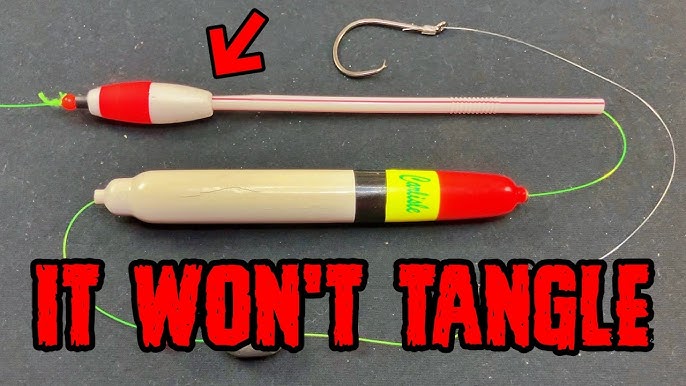
Are you tired of missing bites when fishing? One simple change can make all the difference: where you put your bobber on the fishing line.
Getting this just right helps your bait sit at the perfect depth, making fish more likely to bite. But how do you know where to place it? You’ll discover the easy steps to position your bobber so you catch more fish every time you cast.
Keep reading and turn your fishing trips into successful adventures!

Credit: www.floridasportsman.com
Choosing The Right Bobber
Choosing the right bobber helps you catch fish more easily. It controls where your bait stays in the water.
Different bobbers work best for different fish and water conditions. Picking the right one improves your fishing success.
Types Of Bobbers
There are many types of bobbers to choose from. Each type has a unique shape and use.
- Round or Ball Bobbers: Classic shape, easy to use in calm water.
- Slip Bobbers: Move freely on the line, good for deep water fishing.
- Stick Bobbers: Long and thin, sensitive to small bites.
- Bubble Bobbers: Clear, float well, and let you add bait inside.
Pick a bobber type that fits your fishing style and water type.
Factors To Consider
Think about water depth, fish type, and weather when choosing a bobber. These affect how you set your bobber on the line.
Also, consider the size and weight of the bobber. A heavy bobber suits strong currents, while a light one fits calm waters.
- Water Depth: Use slip bobbers for deep water, fixed bobbers for shallow water.
- Fish Size: Bigger fish need bigger bobbers to stay visible.
- Weather: Windy days may need heavier bobbers to stay steady.
- Bait Weight: Match bobber size to bait weight for proper float.
Determining Bobber Placement
Placing the bobber correctly on the fishing line helps catch more fish. It controls how deep your bait goes in the water.
Knowing where to put the bobber depends on the type of fish and the water you fish in. Adjusting the bobber can make a big difference.
Matching Bobber Depth To Fish Location
Fish often stay at certain depths depending on the time of day and water temperature. Setting the bobber to the right depth places your bait where fish swim.
Measure the depth where fish are likely to be. Move the bobber up or down the line to match that depth. This helps your bait float just above the bottom or in the middle of the water.
- Look for signs of fish like ripples or jumping fish
- Use a weight to check the water depth
- Adjust the bobber to keep bait at fish level
Adjusting For Water Conditions
Water conditions like current, waves, and clarity affect bobber placement. Strong currents may need a heavier bobber or a shorter depth.
In clear water, fish see the bobber easily, so keep it small and light. In rough water, a bigger bobber helps keep bait visible and stable.
- Use heavier bobbers in fast currents
- Choose small bobbers for calm, clear water
- Shorten depth in windy or wavy water
- Keep bait steady to avoid spooking fish
Setting Up Your Line
Fishing is fun when you set up your line correctly. A well-prepared line helps catch more fish.
Understanding where to place the bobber is important. This makes your fishing experience better.
Attaching The Bobber Correctly
Bobbers help you know when a fish bites. Attach it to your line with care.
- Slide the bobber onto the line.
- Position it around 1-2 feet above the hook.
- Secure the bobber by tightening the line.
Adding Weights And Hooks
Weights make your line sink. Hooks are where the fish bite. Both are crucial for fishing.
| Item | Purpose |
| Weights | Sink the line |
| Hooks | Catch fish |

Credit: www.reddit.com
Tips For Different Fishing Scenarios
Placing the bobber correctly on the fishing line can improve your catch rate. Different waters need different bobber positions.
Understanding where to put the bobber helps your bait stay at the right depth. This guide covers shallow water, deep water, and moving water tips.
Fishing In Shallow Water
In shallow water, keep the bobber close to the hook. This stops the bait from touching the bottom and scaring fish.
- Place the bobber 6 to 12 inches above the hook.
- Use smaller bobbers for less splash.
- Check the water depth before casting.
Fishing In Deep Water
Deep water needs a longer line between the bobber and hook. This lets the bait sink closer to the fish.
| Water Depth | Bobber Distance from Hook |
| 6 feet | 3 to 4 feet |
| 10 feet | 6 to 8 feet |
| 15 feet | 10 to 12 feet |
Fishing In Moving Water
In streams or rivers, cast upstream. Let the bobber drift with the current for a natural bait movement.
- Set the bobber so the bait stays just above the riverbed.
- Use heavier bobbers to avoid being pulled by fast water.
- Adjust bobber placement as the current changes.
Common Mistakes To Avoid
Placing the bobber on the fishing line needs care. A wrong spot can reduce your chance to catch fish.
Understanding where to put the bobber helps you fish better. Avoid these common mistakes to improve.
Incorrect Bobber Placement
Putting the bobber too close or too far from the bait is a common mistake. This can make the bait too deep or too shallow.
If the bobber is too close, the bait stays near the surface. If it is too far, the bait sinks too deep. Both can scare fish away.
- Keep the bobber where fish usually swim.
- Adjust the bobber depth based on water depth.
- Test different placements to see what works best.
Ignoring Fish Behavior
Not watching how fish act is a big mistake. Fish move to different depths depending on weather and time of day.
Ignoring fish behavior means the bobber might be in the wrong place. This lowers your chance of a bite.
- Learn where fish swim at different times.
- Move the bobber to match fish depth.
- Watch the water for signs of fish activity.

Credit: mysterytacklebox.com
Enhancing Your Success
Placing the bobber correctly on your fishing line improves your chances of catching fish. It helps you control the depth of your bait and notice fish bites faster.
Knowing how to adjust the bobber and read its movements gives you an advantage. This guide shows how to do both for better fishing results.
Adjusting Bobber Position On The Fly
Change the bobber position based on water depth and fish location. Move it up or down your line to set the bait at the right level.
If fish swim close to the bottom, slide the bobber higher on the line. For fish near the surface, place the bobber closer to the hook.
- Start by measuring the water depth with your line
- Place the bobber slightly above the depth where fish feed
- Adjust the position as you learn where fish bite most
Reading Bobber Movements
Watch the bobber closely after casting. Its movement shows if fish are near or if your bait is in the right spot.
A bobber that dips or moves sideways often means a fish is biting. A still bobber usually means no fish are touching the bait.
- Small dips may mean a curious fish
- Quick, sharp movements often show an active bite
- Slow, steady pulls can mean a larger fish
Frequently Asked Questions
Where Should I Place The Bobber On My Fishing Line?
Place the bobber above the hook at a distance matching the water depth. This helps keep the bait suspended at the right level for fish.
How Far From The Hook To Set The Bobber?
Set the bobber 1 to 3 feet above the hook for shallow water. Adjust distance based on water depth and target fish species.
Why Is Bobber Placement Important In Fishing?
Correct bobber placement controls bait depth and improves bite detection. It helps keep the bait visible and attracts fish effectively.
Can I Adjust The Bobber Position While Fishing?
Yes, you can move the bobber up or down. Adjust it to match changing water depths or fish activity for better results.
Conclusion
Placing the bobber correctly helps catch more fish. Adjust its position based on fish depth. Watch the bobber for any movement or bite. Keep it steady, not too close or far. Practice makes it easier to find the right spot.
Enjoy fishing with patience and simple techniques. Small changes can make a big difference. Stay calm and have fun on the water.