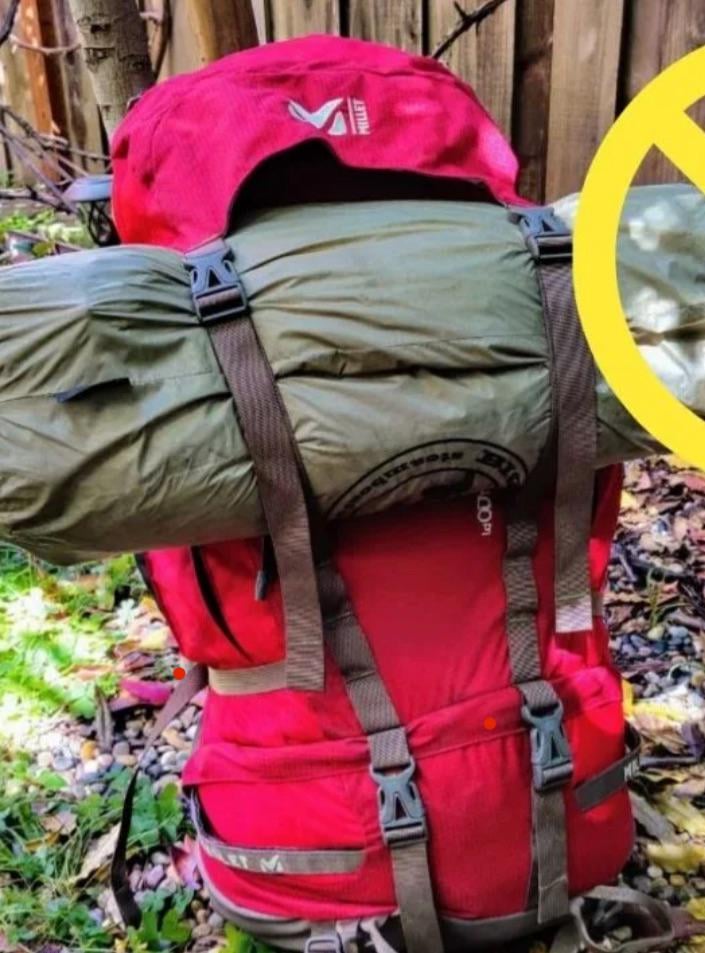
You’ve packed your backpack, but now comes the tricky part: attaching your sleeping bag securely. If it’s not tied right, it can slip, get dirty, or even slow you down.
Knowing how to tie your sleeping bag to your backpack the right way saves you hassle and keeps your gear safe. In this guide, you’ll learn simple, effective steps that anyone can follow. By the end, you’ll feel confident that your sleeping bag stays put—no matter where your adventure takes you.
Ready to make your pack smarter and your trip easier? Let’s get started.
Choosing The Right Sleeping Bag
Choosing the right sleeping bag is important for a comfortable trip. It helps you stay warm and fits well on your backpack.
You need to think about the type, size, and weight before you tie your sleeping bag to your pack.
Types Of Sleeping Bags
There are different types of sleeping bags for different uses. Pick one that fits your trip and weather.
- Mummy bags are tight and warm, good for cold weather.
- Rectangular bags offer more space but less warmth.
- Semi-rectangular bags balance warmth and space.
- Double bags are for two people and good for couples.
Choose a type that matches the season and how much space you need.
Size And Weight Considerations
Size and weight matter when carrying a sleeping bag on your backpack. A heavy bag can slow you down.
Pick a sleeping bag that is light but still keeps you warm enough for your trip.
- Check the packed size to see how it fits on your backpack.
- Look for bags made with lightweight materials.
- Choose the right length for your height to avoid extra weight.
- Make sure the bag compresses well for easy packing.
Selecting The Best Backpack
Choosing the right backpack helps you carry your sleeping bag safely. A good backpack fits well and holds your gear without strain.
Look for a backpack that offers strong attachment points. These points keep your sleeping bag secure during travel.
Backpack Features For Attachment
Attachment features let you tie or clip your sleeping bag outside the backpack. These features include loops, daisy chains, and compression straps.
- Loops:Small rings on the backpack for threading straps.
- Daisy Chains:Rows of sewn webbing for versatile attachment.
- Compression Straps:Straps that tighten to hold gear tight.
- Gear Loops:Hooks or loops that hold tools or bags.
Strap Types And Placement
Straps keep your sleeping bag tied to the backpack. They come in different styles and placements for comfort and security.
| Strap Type | Placement | Purpose |
| Side Straps | Along backpack sides | Hold bulky items like sleeping bags |
| Bottom Straps | Underneath the pack | Secure sleeping bag at base |
| Top Straps | Near pack lid | Attach light gear or small bags |
| Adjustable Straps | Multiple points | Customize fit and tightness |
Preparing The Sleeping Bag
Getting your sleeping bag ready is important for a comfortable backpacking trip. It helps you save space and keep your gear organized.
There are different ways to pack your sleeping bag. Choosing the right method can make your backpacking experience easier.
Rolling Vs. Stuffing
Rolling and stuffing are two common methods to pack a sleeping bag. Rolling makes your bag neat and tidy. Stuffing is quick and easy.
Each method has its own advantages. Choose the one that suits your style and backpack space.
- Rolling: Neater, fits well in backpacks with limited space.
- Stuffing: Faster, maintains the loft of the sleeping bag.
Using Compression Sacks
Compression sacks are useful for reducing the size of your sleeping bag. They help in making more space in your backpack.
These sacks have straps that tighten around your sleeping bag. This makes the sleeping bag smaller and easier to pack.
- Choose a compression sack that fits your sleeping bag size.
- Use the straps to compress the sleeping bag tightly.
- Ensure the sack is waterproof to protect from rain.
Attaching The Sleeping Bag Securely
Carrying a sleeping bag outside your backpack saves space inside. It is important to attach it tightly. A loose sleeping bag can shift and make walking hard.
Use strong straps, rope, or knots to keep it firm. This guide explains easy ways to tie your sleeping bag securely.
Using Straps And Buckles
Straps and buckles are the safest way to attach a sleeping bag. Many backpacks have special loops or straps for this purpose.
Place the sleeping bag at the bottom or outside of the backpack. Wrap the straps around the bag and tighten the buckles until the bag feels firm.
- Use adjustable straps to fit the sleeping bag size.
- Make sure buckles click to lock securely.
- Check strap tightness after walking a short distance.
Tying With Rope Or Cord
Rope or cord works well if your backpack lacks straps. Choose a strong, thin cord to avoid bulk.
Wrap the rope around the sleeping bag and backpack frame. Pull it tight and tie strong knots to keep it from moving.
- Use enough rope to circle the bag twice for extra security.
- Keep rope ends short to prevent snagging.
- Test the tied bag by shaking it gently before starting your hike.
Common Knot Techniques
Choosing the right knots helps keep the sleeping bag secure and easy to untie. Some knots are simple and strong.
Use knots that hold tight under pressure but open easily when needed. Practice these knots to tie your sleeping bag faster.
- Square Knot:Joins two ends of rope securely.
- Clove Hitch:Attaches rope to a strap or loop.
- Bowline:Creates a fixed loop that won’t slip.
Balancing The Load
Carrying a sleeping bag on your backpack needs careful balancing. Poor balance can cause discomfort and strain.
Properly tying and placing your sleeping bag helps keep your center of gravity stable. This makes hiking easier and safer.
Placement On Backpack
Place the sleeping bag where it keeps the pack balanced and stable. Avoid placing heavy items far from your back.
- Tie the sleeping bag at the bottom of the backpack to keep weight low.
- Use straps to attach it tightly to prevent shifting.
- Keep the bag centered to avoid leaning to one side.
- Make sure it does not block access to other pockets.
Adjusting For Comfort
After tying the sleeping bag, adjust the straps for a snug fit. Check how the backpack feels on your shoulders and hips.
| Adjustment | Effect on Comfort |
| Tightening bottom straps | Prevents bag from swinging |
| Loosening top straps | Allows slight movement for comfort |
| Centering the load | Reduces shoulder strain |
| Padding shoulder straps | Improves overall comfort |

Credit: www.reddit.com
Tips For Maintaining Stability
Keeping your sleeping bag stable on your backpack is important for comfort and safety. A loose sleeping bag can cause balance problems and slow you down. This guide gives tips to keep your sleeping bag secure and steady.
Follow these ideas to make sure your sleeping bag stays tight and does not shift while hiking.
Checking Tightness On The Trail
Check your sleeping bag’s tightness often during the hike. Straps can loosen with movement and bumps. Keep an eye on them to avoid surprises.
- Stop safely and check the straps holding your sleeping bag.
- Pull the straps tight if they feel loose or sagging.
- Make sure all buckles and knots are secure.
- Adjust your pack if the sleeping bag shifts out of place.
Preventing Shifting During Movement
To keep your sleeping bag from moving, use multiple straps and tie it tightly. Position the sleeping bag so it fits snugly against your pack.
| Tip | Explanation |
| Use Compression Straps | These hold the sleeping bag tightly and reduce bounce. |
| Place Sleeping Bag Low | Keep it near the bottom of your pack for better balance. |
| Wrap Straps Securely | Use knots or buckles that won’t slip during movement. |
| Check After Rough Terrain | Make adjustments after crossing uneven ground. |
Alternative Carrying Methods
Tying a sleeping bag to a backpack is common, but there are other ways to carry it. Some methods keep your bag safe and make your hike easier.
These alternative ways help balance weight and protect your sleeping bag from dirt and rain. Let’s look at two simple options.
Inside The Backpack
Placing the sleeping bag inside your backpack protects it from rain and dirt. It also keeps your gear compact and balanced.
Use a compression sack to reduce the sleeping bag’s size. Pack it at the bottom or in the main compartment for better weight distribution.
- Use a waterproof compression sack to keep it dry
- Put the bag near the center bottom of the pack
- Balance weight by placing heavier items near it
- Secure the sack tightly to prevent shifting
Using External Pockets
Some backpacks have large external pockets or straps designed to hold bulky items like sleeping bags. This saves space inside the pack.
Make sure the sleeping bag is dry before placing it outside. Attach it securely to avoid it bouncing or falling off while walking.
- Use side or bottom external pockets if available
- Strap the sleeping bag tightly with adjustable straps
- Cover the bag with a rain cover if rain is expected
- Check straps regularly to keep the bag secure

Credit: www.reddit.com

Credit: www.reddit.com
Frequently Asked Questions
How Do I Securely Tie A Sleeping Bag To A Backpack?
Use strong straps or cords to wrap around the sleeping bag and backpack frame. Tighten knots to avoid slipping during hikes. Ensure the sleeping bag is balanced to maintain backpack stability.
What Is The Best Position For A Sleeping Bag On A Backpack?
Attach the sleeping bag at the bottom or side of the backpack. This placement keeps it accessible and prevents the pack from tipping. Choose a spot that balances weight evenly.
Can I Use Bungee Cords To Attach A Sleeping Bag?
Yes, bungee cords are flexible and provide a snug fit. They secure the sleeping bag tightly and absorb movement while hiking. Make sure cords are not too tight to avoid damage.
Should I Compress My Sleeping Bag Before Tying It On?
Compressing the sleeping bag reduces its size and makes it easier to secure. Use a compression sack for better packing. This method saves space and prevents the bag from dangling.
Conclusion
Tying a sleeping bag to your backpack keeps your gear organized and saves space. Use straps or cords to secure it tightly. Place the bag where it won’t swing or shift while walking. Practice different knots to find the one that works best for you.
Packing smart makes your outdoor trips easier and more comfortable. Try these tips on your next adventure and enjoy the convenience. Simple steps can make a big difference on the trail.