Have you ever wondered how plants feed themselves and grow tall and strong? Understanding what part of the plant makes the food can change the way you see the green world around you.
It’s not just about leaves looking pretty or flowers blooming; there’s a fascinating process happening inside. If you want to unlock this secret and learn how plants turn sunlight into energy, keep reading. This simple knowledge can surprise you and even help you care better for your own plants.
Let’s dive into the amazing world of plant food-making!

Credit: karstennursery.com
Plant Parts Involved In Food Production
Plants make their own food using different parts. Each part has a special role in this process.
Understanding these parts helps us learn how plants grow and survive.
Role Of Leaves
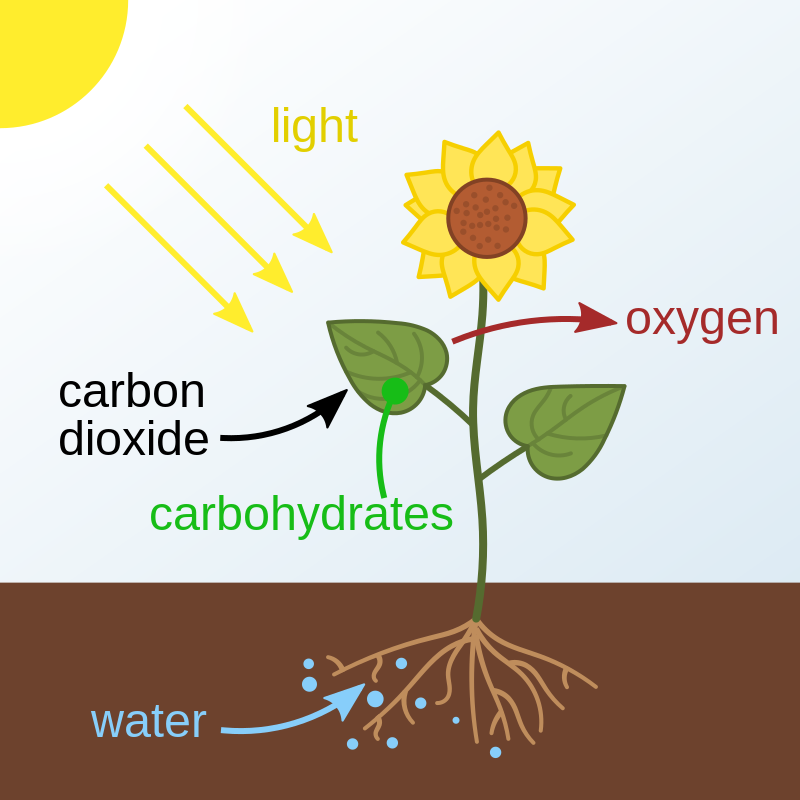
Leaves are the main food makers of a plant. They capture sunlight and use it to make food.
- Leaves contain chlorophyll, which makes them green.
- Chlorophyll helps turn sunlight into energy.
- Leaves take in carbon dioxide from the air.
- They release oxygen back into the environment.
Function Of Stems
Stems hold up the plant and carry water and nutrients. They connect roots and leaves.
| Stem Function | Description |
| Support | Keeps the plant upright. |
| Transport | Moves water from roots to leaves. |
| Storage | Stores food and water for the plant. |
Contribution Of Roots
Roots absorb water and minerals from the soil. They keep the plant steady in the ground.
The main contributions of roots include:
- Taking in water needed for photosynthesis.
- Collecting minerals that help plant growth.
- Anchoring the plant firmly in the soil.

Credit: sizzlekidz.com
How Leaves Create Food
Leaves are the parts of plants that make food. They use sunlight, air, and water to create energy for the plant.
This process happens inside the leaves and keeps the plant alive and growing.
Chlorophyll And Photosynthesis
Chlorophyll is a green pigment found in leaves. It helps plants absorb sunlight.
Photosynthesis is the process where leaves use chlorophyll to turn sunlight into food.
- Chlorophyll captures sunlight energy
- Leaves use this energy to make sugar
- Sugar is the food that plants need to grow
Sunlight Absorption
Leaves absorb sunlight through their broad, flat surface. This gives them more area to catch light.
The sunlight provides the energy needed to start making food inside the leaf cells.
- Sunlight hits the leaf surface
- Chlorophyll captures the light energy
- Energy powers photosynthesis
Gas Exchange Process
Leaves take in carbon dioxide from the air through tiny holes called stomata.
Oxygen, a byproduct of photosynthesis, leaves the plant through these holes.
- Stomata open to let in carbon dioxide
- Carbon dioxide is used to make sugar
- Oxygen exits through the stomata
Photosynthesis Steps
Plants make their food using a process called photosynthesis. This process happens mainly in the leaves. Photosynthesis changes sunlight into energy plants use to grow.
Photosynthesis has several important steps. These steps help plants turn light, water, and carbon dioxide into food and oxygen.
Light-dependent Reactions
Light-dependent reactions happen in the parts of the leaf cells called thylakoids. These reactions need sunlight to work. The plant captures light energy and uses it to make energy molecules.
Water is split during these reactions. This releases oxygen as a byproduct. The energy made here powers the next steps of photosynthesis.
- Sunlight is absorbed by chlorophyll
- Water molecules split into oxygen and hydrogen
- Energy molecules ATP and NADPH are produced
Calvin Cycle
The Calvin Cycle happens in the stroma, the fluid around the thylakoids. It does not need light directly. This cycle uses energy from ATP and NADPH to make sugar.
The plant takes in carbon dioxide from the air. The Calvin Cycle changes this gas into glucose, a simple sugar that plants use as food.
- Carbon dioxide enters the leaf
- Energy from ATP and NADPH helps build sugar molecules
- Glucose is created for plant energy and growth
Energy Conversion
Photosynthesis converts light energy into chemical energy. This energy is stored in glucose. Plants use glucose to grow and stay alive.
Energy stored in glucose can be used right away or saved for later. This energy supports all the plant’s activities and helps other living things that eat the plant.

Credit: askabiologist.asu.edu
Factors Affecting Food Production
Plants make their food through a process called photosynthesis. Several factors impact how well they produce food.
Understanding these factors helps us grow healthier plants. Let’s explore them one by one.
Light Intensity
Light is crucial for photosynthesis. Plants need sunlight to make food.
- High light boosts photosynthesis.
- Low light slows down food production.
- Too much light can damage leaves.
Water Availability
Water is essential for plant growth. It helps in moving nutrients and making food.
| Water Level | Effect on Plants |
| Adequate | Healthy growth |
| Low | Wilting and slow growth |
| Excessive | Root damage |
Carbon Dioxide Levels
Carbon dioxide is a key ingredient in photosynthesis. It combines with water to make food.
Higher levels of carbon dioxide can increase food production. Plants use it to make more sugars.
Temperature Effects
Temperature affects how fast plants make food. Different plants have different ideal temperature ranges.
Food Transport Within Plants
Plants make their own food in the leaves through photosynthesis. This food must move to other parts of the plant for growth and energy.
The transport of food happens through special tissues inside the plant. These tissues carry food from the leaves to stems, roots, and fruits.
Phloem Function
Phloem is the plant tissue that moves food. It carries sugars made in the leaves to other parts of the plant.
This food moves in a flow called translocation. Phloem cells help sugars move up and down the plant.
- Phloem cells are living cells.
- They transport sugars and nutrients.
- They connect leaves with roots and stems.
Distribution To Different Parts
Food moves from the phloem to all parts of the plant. Growing areas like roots and fruits need this food for energy.
The plant sends food where it is needed most. This helps the plant grow strong and store energy for later use.
- Roots use food to grow underground.
- Fruits and flowers get food to develop.
- Stems get energy to support leaves and branches.
Importance Of Food Production For Plants
Plants make their own food through a process called photosynthesis. This food is very important for their survival. It helps plants grow and stay healthy.
Without food production, plants cannot live or reproduce. The food fuels many important activities in the plant’s life.
Growth And Development
Food made by plants provides energy for growth. It helps them build new leaves, stems, and roots. Plants need food to develop strong parts.
Without enough food, plants cannot grow tall or make healthy flowers and fruits. Food supports all stages of plant life.
Energy Storage
Plants store extra food as starch or sugars. This stored energy helps them survive when sunlight is low. It acts like a backup fuel source.
- Stored food is used during winter or dry seasons
- Roots and stems often hold stored energy
- Energy reserves support new growth in spring
Survival And Reproduction
Food gives plants strength to fight diseases and pests. It also helps them produce seeds and fruits. This ensures the plant’s future.
Plants need energy to make flowers and seeds. Food production supports the life cycle and keeps plants alive for many years.
Frequently Asked Questions
What Part Of The Plant Is Responsible For Making Food?
The leaves are the primary part of the plant that makes food. They perform photosynthesis, using sunlight, water, and carbon dioxide to produce glucose and oxygen.
How Do Leaves Make Food For Plants?
Leaves contain chlorophyll, which captures sunlight. This energy converts water and carbon dioxide into glucose, supplying energy for the plant’s growth and development.
Why Is Photosynthesis Important In Food Production?
Photosynthesis in leaves produces glucose, the plant’s food. It also releases oxygen, essential for life on Earth and maintaining ecological balance.
Can Other Parts Of The Plant Make Food Besides Leaves?
While leaves are the main food makers, some green stems can also perform photosynthesis, but their contribution is minimal compared to leaves.
Conclusion
Plants make their own food through a special process in their leaves. Leaves capture sunlight and use it to turn water and air into food. This food feeds the whole plant and helps it grow strong. Roots and stems support the plant but do not make food.
Understanding which part makes food helps us learn more about nature. Plants are amazing living things that work hard every day to survive. Their leaves are truly the food factories of the plant world.