Are you wondering if Planters Peanuts are a healthy snack choice for you? With so many options on the market, it can be hard to know what’s truly good for your body.
You might love the taste and convenience, but are you getting the nutrition you need? You’ll discover the real facts about Planters Peanuts—what’s inside, how they affect your health, and whether they fit into your daily diet. Keep reading to make a smart, informed decision about your next snack.
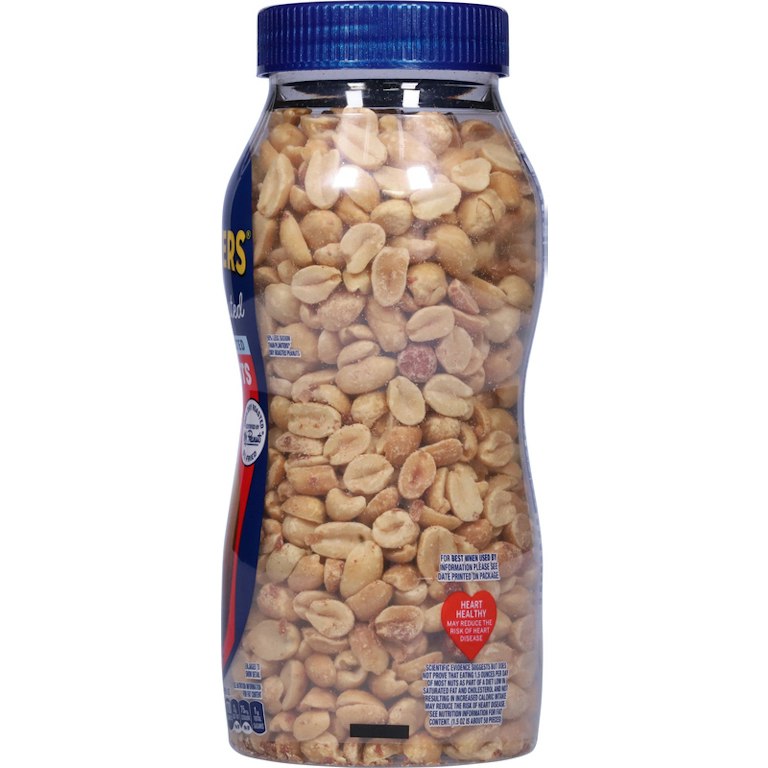
Credit: www.gianteagle.com
Nutritional Profile Of Planters Peanuts
Planters peanuts offer a rich source of nutrients. They provide energy and important vitamins.
Understanding their nutrition helps you decide how they fit in your diet.
Calories And Macronutrients
Planters peanuts contain calories mainly from fats and proteins. A small amount comes from carbohydrates.
| Macronutrient | Amount per 1 oz (28g) |
| Calories | 160 kcal |
| Protein | 7 g |
| Total Fat | 14 g |
| Carbohydrates | 6 g |
| Fiber | 2 g |
Vitamins And Minerals Content
Planters peanuts have several vitamins and minerals. They support body functions and health.
- Vitamin E helps protect cells.
- Niacin (Vitamin B3) supports metabolism.
- Magnesium aids muscle and nerve functions.
- Phosphorus supports bones and teeth.
- Folate helps with cell growth.
Types Of Fats Present
Planters peanuts have different fats. Most are healthy fats that benefit the heart.
- Monounsaturated fats make up about 7 grams per ounce.
- Polyunsaturated fats provide about 4 grams per ounce.
- Saturated fats are lower, about 2 grams per ounce.
Health Benefits Of Planters Peanuts
Planters peanuts offer many health advantages. They are a tasty snack that also supports your body.
These peanuts provide important nutrients. Eating them can help improve your overall health.
Heart Health Support
Planters peanuts contain healthy fats. These fats can help lower bad cholesterol. This reduces the risk of heart disease.
- Rich in monounsaturated fats
- Contains vitamin E to protect heart cells
- Includes magnesium to help blood pressure
Protein And Energy Boost
Peanuts are a good protein source. Protein builds muscles and repairs tissues. They also provide energy for daily tasks.
| Nutrient | Amount per 1 oz |
| Protein | 7 grams |
| Calories | 160 kcal |
| Fat | 14 grams |
| Carbohydrates | 6 grams |
Antioxidant Properties
Planters peanuts have antioxidants. These fight harmful free radicals. Antioxidants help lower inflammation and support cell health.
- Resveratrol
- Flavonoids
- Vitamin E
Potential Health Concerns
Planters Peanuts are a popular snack choice. They are often considered a healthy option. However, there are potential health concerns to be aware of.
Understanding these concerns can help you make informed decisions. Below, we explore some key aspects to consider.
Added Salt And Sugar
Some Planters Peanuts products contain added salt and sugar. These ingredients can impact your health negatively. Consuming too much salt can raise blood pressure. Excess sugar can lead to weight gain.
- Check labels for added ingredients.
- Choose unsalted or unsweetened varieties.
- Moderate your portion sizes.
Allergy Risks
Peanut allergies are common and can be severe. Symptoms may include hives, swelling, or difficulty breathing. Always ensure you are not allergic before consuming peanuts.
For those with allergies, consider alternatives:
- Almonds
- Sunflower seeds
- Pumpkin seeds
Calorie Density And Weight Gain
Planters Peanuts are calorie-dense. This means they have a lot of calories in a small serving. Eating too much can lead to weight gain.
| Serving Size | Calories |
| 1 ounce | 160-170 |
| 2 ounces | 320-340 |
| 3 ounces | 480-510 |
Be mindful of portion sizes to maintain a healthy weight.
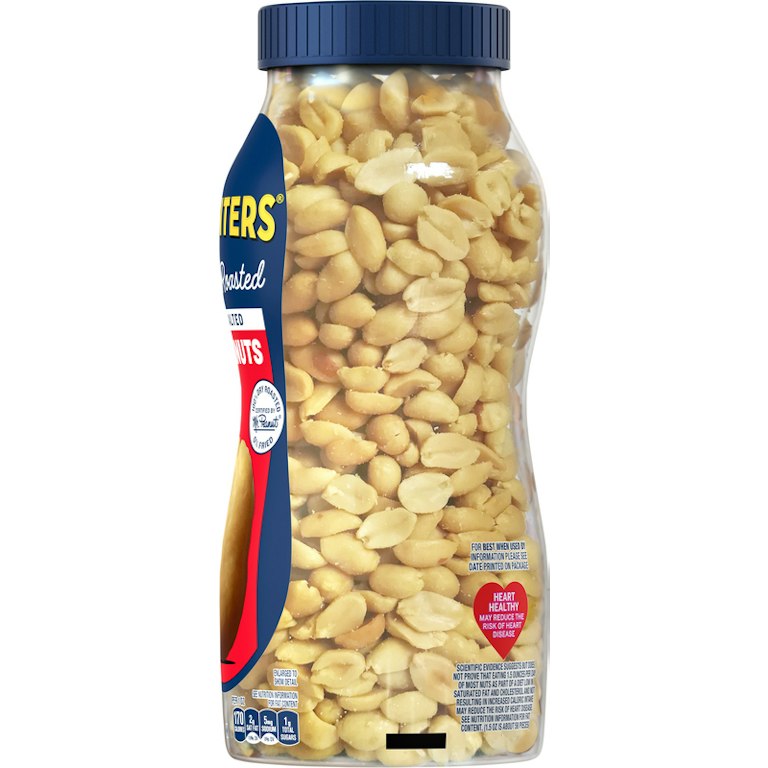
Credit: www.gianteagle.com
Comparing Planters Peanuts To Other Snacks
Planters peanuts are a popular snack choice. Many people wonder if they are healthy compared to other snacks. We will look at how Planters peanuts compare to potato chips, trail mix, and natural peanuts.
Understanding these comparisons helps you pick a better snack for your health and taste preferences.
Versus Potato Chips
Planters peanuts usually have more protein than potato chips. Protein helps keep you full longer. Peanuts also have healthy fats, while chips have more unhealthy fats.
Potato chips often contain more salt and calories. They are also low in vitamins and minerals. Peanuts offer some vitamins like vitamin E and magnesium.
- Planters peanuts have more protein and fiber
- Potato chips have more salt and unhealthy fats
- Peanuts provide important vitamins and minerals
- Chips are higher in calories per serving
Versus Trail Mix
Trail mix often has peanuts mixed with dried fruits and sometimes chocolate. This mix can add sugar and extra calories. Planters peanuts are simpler with less added sugar.
Trail mix can be healthy if it has mostly nuts and fruits. Still, some trail mixes have high sugar or salt. Planters peanuts give consistent nutrition without surprises.
- Trail mix has nuts, fruits, and sometimes chocolate
- Added sugar in trail mix increases calorie count
- Planters peanuts contain less sugar and salt
- Trail mix can be good if it is low in sugar
Versus Natural Peanuts
Natural peanuts have no added salt or oils. Planters peanuts may have added salt and oils to improve taste. This can increase sodium and fat content.
Natural peanuts offer the purest form of peanut nutrition. Planters peanuts still provide protein and healthy fats but with some added ingredients.
- Natural peanuts have no added salt or oils
- Planters peanuts may contain added salt and oils
- Both are good protein sources
- Natural peanuts are lower in sodium
Tips For Including Planters Peanuts In A Healthy Diet
Planters peanuts can be a tasty and nutritious snack. They provide protein, healthy fats, and fiber. Adding them to your diet can support heart health and keep you full longer.
Eating peanuts the right way helps you enjoy their benefits without extra calories. Try these tips to include Planters peanuts in a balanced diet.
Portion Control Strategies
Peanuts are high in calories, so watch your serving size. Eating too many can add unwanted calories and fat to your diet.
Use small bowls or measuring cups to keep portions in check. A typical serving is about one ounce, or a small handful.
- Measure out 1 ounce (about 28 peanuts) per serving
- Avoid eating directly from large packages
- Use peanuts as a topping, not a main snack
Choosing The Right Variety
Planters offers different peanut types like dry roasted, salted, and honey roasted. Pick the options with less salt and no added sugar.
Natural or dry roasted peanuts are better choices. They keep the peanut’s nutrients without extra unhealthy ingredients.
- Choose dry roasted or raw peanuts
- Limit salted and flavored varieties
- Look for “no added salt” or “unsalted” labels
Pairing With Balanced Meals
Add Planters peanuts to meals with fruits, vegetables, or whole grains. This creates a balanced plate with more nutrients and fiber.
Pair peanuts with yogurt or salads to add protein and healthy fats. This helps you feel satisfied and supports steady energy.
- Top salads with a small handful of peanuts
- Mix peanuts into oatmeal or yogurt bowls
- Combine with fresh fruit for a quick snack

Credit: www.gosupps.com
Frequently Asked Questions
Are Planters Peanuts A Healthy Snack Choice?
Planters Peanuts are a good source of protein and healthy fats. They provide essential nutrients but can be high in sodium. Moderation is key for a balanced diet. Opt for unsalted or lightly salted versions to maximize health benefits.
Do Planters Peanuts Contain Harmful Ingredients?
Some Planters Peanuts contain added salt, sugar, and oils. Check labels for additives if you avoid preservatives or excess sodium. Natural or dry-roasted options typically have fewer unhealthy ingredients, making them a better choice.
How Many Calories Are In Planters Peanuts?
A one-ounce serving of Planters Peanuts contains about 160-170 calories. This makes them calorie-dense, so portion control is important for weight management. They offer a filling snack option with good nutritional value.
Can Planters Peanuts Help With Heart Health?
Planters Peanuts contain heart-healthy monounsaturated fats and antioxidants. These nutrients may support cardiovascular health when eaten in moderation. Avoid varieties with excess salt or unhealthy fats to maintain heart benefits.
Conclusion
Planters Peanuts offer a good source of protein and healthy fats. They also provide important vitamins and minerals. Eating them in moderation supports a balanced diet. Watch out for added salt or sugar in some varieties. Overall, Planters Peanuts can fit well into a healthy lifestyle.
Choose plain or lightly salted options for best benefits. Remember, variety is key to good nutrition. Enjoying peanuts as a snack helps keep hunger away between meals. Simple, tasty, and nutritious—Planters Peanuts make a smart snack choice.