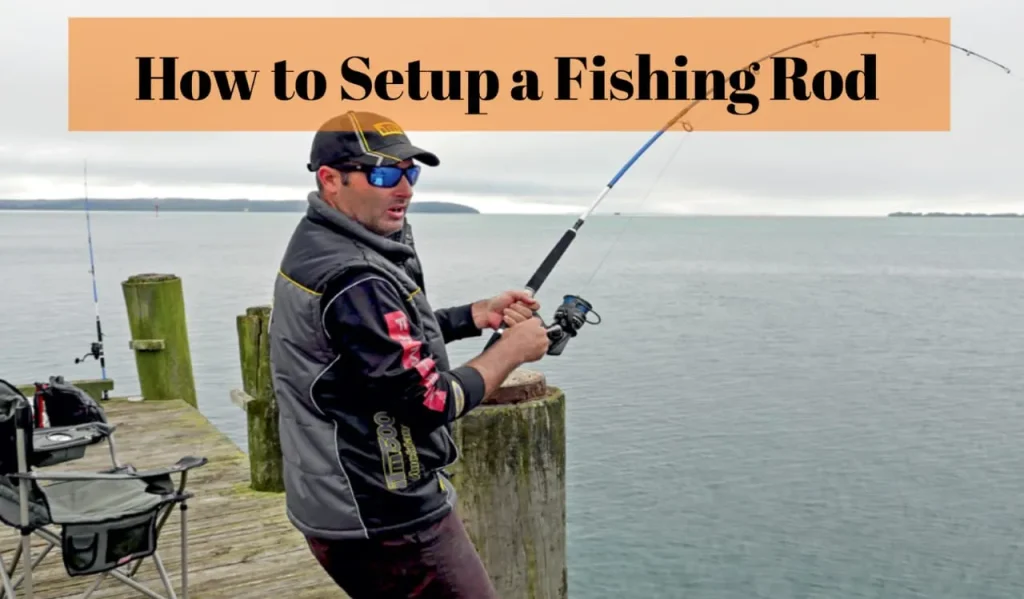
Setting up your fishing rod correctly can make all the difference between a frustrating day and an exciting catch. If you’ve ever felt unsure about how to prepare your rod, you’re not alone.
But don’t worry—this guide will walk you through every step, making it simple and stress-free. By the end, you’ll know exactly how to set your fishing rod so you’re ready to reel in the big one. Keep reading to discover the easy tricks that will boost your confidence and improve your fishing game instantly.
Choosing The Right Rod
Selecting the right fishing rod is key for a good catch. Different rods suit different fish and fishing styles.
Knowing how to pick the rod helps you enjoy fishing more and improves your chances of success.
Match Rod To Fish Type
Different fish need different rods. Small fish need light rods. Big fish need strong rods.
- Light rods for small fish like trout and panfish
- Medium rods for bass and walleye
- Heavy rods for large fish like pike and catfish
Consider Rod Length And Power
| Rod Length | Use |
| 5 to 6 feet | Short casts and tight spaces |
| 7 to 8 feet | Longer casts and open water |
| 9 feet or more | Long distance casting and big fish |
| Rod Power | Fish Type |
| Light | Small fish |
| Medium | Medium fish |
| Heavy | Large fish |
Select Appropriate Rod Material
Rod material affects strength and feel. Common materials include graphite, fiberglass, and composite.
Here is a simple overview of rod materials:
- Graphite:Lightweight and sensitive. Good for feeling bites.
- Fiberglass:Durable and flexible. Best for heavy fish.
- Composite:Mix of graphite and fiberglass. Balanced strength and feel.

Credit: www.youtube.com
Setting Up The Reel
Setting up your fishing reel correctly helps you fish more easily. It makes casting smoother and prevents line problems.
This guide covers how to attach the reel, spool the line, and adjust the drag for best performance.
Attach Reel Securely
Attach the reel to the rod firmly to avoid movement while fishing. Use the reel seat to tighten the reel foot in place.
Make sure the reel sits straight and is aligned with the rod guides. A loose reel can cause casting errors and discomfort.
Spool Line Correctly
Spooling the line onto your reel in the right way reduces tangles and line twists. Follow these steps to spool the line properly:
- Attach the line to the spool with a secure knot.
- Keep tension on the line while winding it onto the spool.
- Fill the spool to about 1/8 inch below the rim.
- Check that the line feeds off the spool smoothly.
Adjust Reel Drag
The drag system controls how much force it takes to pull line from the reel. Adjusting it correctly protects your line and helps land fish safely.
| Drag Setting | Use |
| Light | Small fish or light line |
| Medium | Most fishing situations |
| Heavy | Large fish or heavy line |
Line Selection And Preparation
Setting up a fishing rod involves choosing the right line. The line is essential for a successful fishing trip.
Understanding line selection and preparation helps in avoiding common fishing problems.
Pick The Right Line Type
Fishing lines come in various types. Each type suits different fishing needs.
Nylon monofilament, fluorocarbon, and braided lines are common. Choose based on water conditions.
- Nylon monofilament is versatile and affordable.
- Fluorocarbon is nearly invisible underwater.
- Braided lines are strong and durable.
Check Line Strength
Line strength is measured in pounds. It indicates the weight it can hold without breaking.
Always choose a line with the right strength for your target fish species.
- Light lines are for small fish.
- Medium lines handle average-sized fish.
- Heavy lines are for big, strong fish.
Avoid Line Twists
Line twists can cause tangles and reduce casting efficiency. Proper preparation helps avoid them.
Spool the line correctly on the reel. Keep the line tight and neat.
- Use a line conditioner to reduce memory.
- Reel slowly to prevent twisting.
- Check for twists while spooling.

Credit: fishingbooker.com
Attaching Hooks And Lures
Setting up your fishing rod correctly helps catch more fish. Attaching hooks and lures is an important part of this process.
Good hook and lure choices improve your chances. Let’s look at how to pick hooks, tie knots, and select lures.
Choose Suitable Hooks
Pick hooks that match the fish you want to catch. Size and shape affect how well the hook works.
Small hooks suit small fish. Bigger hooks are best for larger fish.
- Use sharp hooks to catch fish easily
- Match hook size to bait size
- Choose hooks based on fishing style
Tie Strong Knots
Strong knots hold the hook and lure securely. A weak knot can let fish escape.
Learn simple knots like the improved clinch knot or Palomar knot. Practice tying them until they are tight.
- Wet the knot before tightening
- Pull knots firmly to test strength
- Trim excess line close to the knot
Select Effective Lures
Choose lures that look like the fish’s natural food. Bright colors work in clear water, dull colors in murky water.
Try different lure types like spoons, spinners, or soft plastics to see what fish prefer.
- Match lure size to fish size
- Use shiny lures to attract attention
- Change lure speed to find what works
Casting Techniques
Learning how to cast your fishing rod well can improve your fishing experience. Good casting puts the bait where the fish are. It also helps avoid tangles and snags.
This guide covers basic casting, sidearm and overhead casts, and how to control casting distance. Each technique helps you cast better in different situations.
Master The Basic Cast
The basic cast is the foundation of fishing. Hold the rod with a firm grip. Pull the rod tip back behind you, then swing it forward smoothly. Release the line when the rod points at your target.
- Keep your elbow close to your body.
- Use your wrist to add power to the cast.
- Release the line at the right moment for accuracy.
- Practice this motion slowly to build muscle memory.
Use Sidearm And Overhead Casts
The sidearm cast helps when you have low branches above. Hold the rod low and swing it sideways. The overhead cast is useful for distance. Bring the rod high over your head and cast forward.
| Cast Type | When to Use | Key Tip |
|---|---|---|
| Sidearm Cast | Low clearance areas | Swing rod low and horizontal |
| Overhead Cast | Open areas for long casts | Bring rod above your head |
Control Casting Distance
Distance depends on rod angle, power, and line release. Adjust these to cast farther or shorter. Use less force for short casts and more force for long ones.
- Change the angle of the rod tip to aim farther or closer.
- Practice smooth, even power during the cast.
- Release the line at different points to adjust distance.

Credit: www.battlbox.com
Adjusting For Conditions
Setting your fishing rod correctly helps you catch more fish. The right setup depends on the conditions you face.
Changing your rod setup for wind, water type, and target species improves your fishing success.
Adapt To Wind And Weather
Strong wind can push your line and make casting hard. You need a heavier lure or weight to keep control.
In rainy or cold weather, adjust your rod and reel to handle slippery conditions and slower fish.
- Use heavier weights in windy weather
- Choose rods with good sensitivity for low light
- Keep your gear dry to avoid damage
Fish In Different Water Types
Fishing in rivers needs different setups than lakes or saltwater. Current and water clarity change your approach.
Use stronger rods in fast water and lighter lines in clear water to avoid spooking fish.
- Fast rivers: strong rods and heavy lines
- Clear lakes: light lines and subtle lures
- Saltwater: corrosion-resistant gear
Modify Setup For Target Species
Different fish need different rod setups. Small fish need lighter rods and lines. Big fish need strong gear.
Match your rod length, strength, and lure size to the fish you want to catch.
- Small fish: light rods, thin lines
- Large fish: heavy rods, strong lines
- Fast fish: flexible rods for quick strikes
Rod Maintenance Tips
Taking care of your fishing rod helps it last longer and work better. Simple maintenance keeps the rod strong and ready for fishing.
Follow easy steps to clean, check, and store your rod after each fishing trip. This will protect your gear from damage.
Clean After Each Use
Wash your fishing rod with fresh water after every use. Salt, dirt, and debris can harm the rod if left on it.
Use a soft cloth or sponge to wipe the rod gently. Avoid harsh chemicals that can damage the finish.
- Rinse rod with fresh water
- Wipe with a soft cloth
- Remove all dirt and salt
- Dry completely before storing
Inspect Guides And Tips
Look at the rod guides and tip for cracks or damage. Damaged guides can cut your fishing line.
Check each guide carefully by running your finger over them. If you find rough spots, repair or replace them.
- Check guides for cracks or rust
- Feel for rough edges or chips
- Inspect the rod tip for bends or breaks
- Fix or replace damaged parts quickly
Store Rod Properly
Keep your fishing rod in a dry, cool place. Avoid leaving it in direct sunlight or damp areas.
Use a rod rack or holder to keep it straight. This stops bending or warping over time.
- Store rod indoors away from heat
- Use a rod rack or holder
- Keep rod off the ground
- Loosen reel drag before storing
Frequently Asked Questions
How Do I Properly Set A Fishing Rod?
To set a fishing rod, start by attaching the reel securely. Thread the line through each guide, then tie your hook or lure. Adjust the drag to control line tension. Finally, test the setup by pulling the line gently to ensure smooth operation and proper tension.
What Is The Best Fishing Rod Setup For Beginners?
Beginners should use a medium-action rod with a spinning reel. Choose a line strength around 6-12 pounds for versatility. Attach a simple hook or lure. This setup is easy to handle and works well for various fish types and fishing environments.
How Tight Should The Drag Be On A Fishing Rod?
Set the drag tight enough to tire the fish but loose enough to avoid line breakage. Adjust it so the line pulls out smoothly under strong fish resistance. Proper drag prevents lost fish and protects your gear from damage.
Can I Use Any Fishing Line With My Rod?
Not all lines fit every rod. Match line strength to your rod’s specifications and target fish species. Monofilament is versatile, while braided lines offer strength. Always check your rod and reel recommendations for the best line compatibility.
Conclusion
Setting your fishing rod right makes fishing more fun and successful. Check the rod, reel, and line carefully before you start. Make sure the line flows smoothly and the reel works well. Practice casting a few times to feel comfortable.
A well-set rod helps you catch more fish. Enjoy your time by the water and keep learning. Fishing gets better with each try. Simple steps lead to great results. Keep your gear ready and have fun fishing!