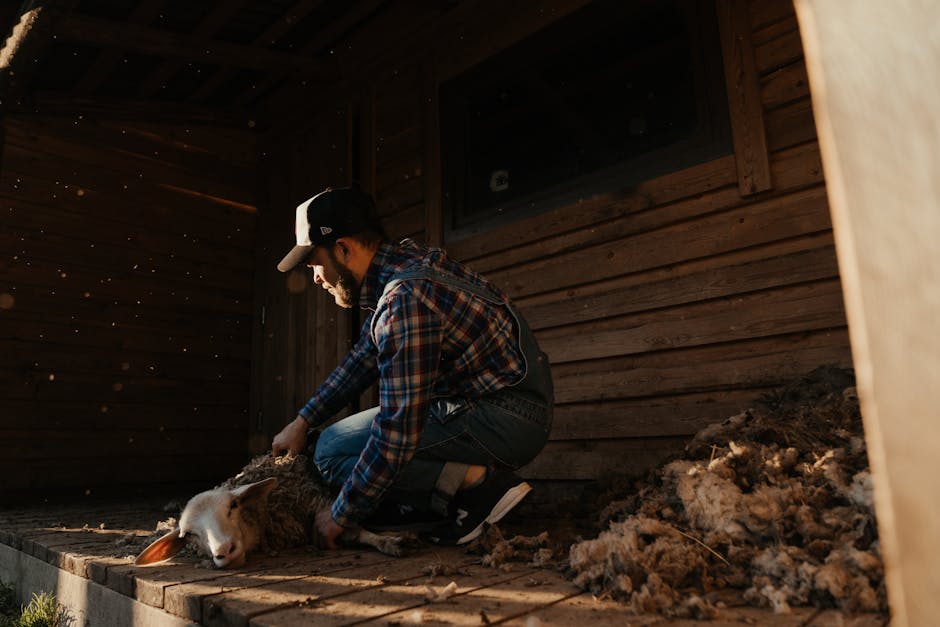
Have you ever wondered what sheep shearing really means and why it’s so important? If you’ve seen fluffy sheep with thick wool, you might be curious about how that wool is collected without harming the animal.
Understanding sheep shearing not only gives you insight into a fascinating farming skill but also connects you to a tradition that has shaped clothing and textiles for centuries. Keep reading, and you’ll discover what sheep shearing is all about, how it’s done, and why it matters to both farmers and you.
This knowledge might surprise you and change the way you look at wool forever.
Sheep Shearing Basics
Sheep shearing is the process of cutting off a sheep’s wool. It is important for the health of the sheep and the use of wool.
Shearing needs skill and care to keep the sheep safe and comfortable.
Purpose Of Shearing
Shearing removes the thick wool coat that sheep grow. This helps sheep stay cool in warm weather.
It also prevents wool from getting dirty or matted, which can cause skin problems.
- Keeps sheep cool in summer
- Prevents wool from matting and dirt
- Helps avoid skin infections
- Provides wool for clothing and fabrics
Shearing Season Timing
Sheep are usually sheared once a year. The best time is before hot weather starts.
This timing helps sheep stay cool and grow new wool for winter.
- Shear in spring or early summer
- Avoid shearing in cold weather
- Check local climate for best timing
- Shear before lambing season if possible
Types Of Wool Cuts
There are different ways to cut wool depending on the use and quality needed.
Shearers aim to get the wool off in one piece for better quality.
- Blanket Cut: Removes wool in one large piece
- Scurfing: Removes wool in smaller patches
- Crutching: Removes wool around the tail and legs
- Tagging: Removes dirty or matted wool spots

Credit: feltingandfiberstudio.com
Tools And Equipment
Sheep shearing needs special tools to remove wool safely and quickly. The right equipment helps protect the sheep and the shearer.
Good tools make the job easier and keep the wool clean and in good shape for use.
Hand Shears Vs. Electric Clippers
Hand shears are traditional tools that work like scissors. They need skill and take more time to use.
Electric clippers run on power and cut faster. They need electricity or batteries but save time and effort.
- Hand Shears:Simple, no power needed, quiet, good for small jobs.
- Electric Clippers:Faster cutting, less physical work, need power source.
- Choosing:Hand shears suit beginners and small flocks. Electric clippers fit large flocks.
Maintenance And Safety Gear
Tools need regular cleaning and oiling to stay sharp and work well. Check blades often for damage.
Wear safety gear to avoid cuts and protect your body. Gloves and boots help protect hands and feet.
- Keep blades sharp and clean after each use.
- Oil moving parts to prevent rust.
- Wear gloves to protect your hands.
- Use boots to protect feet from sheep or dropped tools.
- Wear eye protection to avoid wool or debris in eyes.
Setting Up A Shearing Area
Choose a clean, flat area with good light to set up your shearing space. This helps you see and work safely.
Use a sturdy table or platform for the sheep to stand on. Make sure tools and equipment are within easy reach.
- Clear the area of sharp objects and dirt.
- Set up a table or bench for the sheep.
- Arrange tools close by for quick access.
- Have water and first aid supplies nearby.
- Provide enough space for moving sheep safely.
Shearing Techniques
Sheep shearing is an essential task for maintaining the health of sheep. It involves removing their wool using specific techniques.
Understanding the right methods ensures a safe and efficient shearing process. Let’s explore some key techniques.
Positioning The Sheep
Proper positioning of the sheep is crucial for effective shearing. The sheep should be calm and comfortable.
- Start with the sheep sitting on its rump.
- Keep its back against your legs for support.
- Maintain control of the sheep’s head and legs.
Common Shearing Patterns
Shearing patterns help in removing wool smoothly. A consistent pattern reduces the risk of cuts.
| Pattern Type | Description |
| Blow Pattern | Follows a set path across the sheep’s body |
| Floor Pattern | Shearing done while sheep is on the ground |
| Table Pattern | Shearing on a raised platform for ease |
Avoiding Injuries
Preventing injuries is vital for both the shearer and the sheep. Safety measures must be in place.

Credit: www.renningerwoolco.com
Care Before And After Shearing
Sheep shearing is an important task that requires proper care. Preparing sheep well helps keep them calm. Taking care after shearing helps sheep recover fast.
This guide covers how to prepare sheep for shearing, handle wool after shearing, and support sheep health and recovery.
Preparing Sheep For Shearing
Before shearing, sheep must be clean and dry. Clean wool makes shearing easier and less stressful. Keep sheep in a dry pen for at least 24 hours before shearing.
- Check sheep for dirt and debris
- Remove any manure or mud from wool
- Keep sheep calm to avoid injury
- Handle sheep gently during shearing
- Make sure shearing tools are clean and sharp
Post-shearing Wool Handling
After shearing, wool must be handled carefully to keep it clean and strong. Sort wool by quality and store it properly.
| Wool Handling Step | Description |
| Skirting | Remove dirty or low-quality wool edges |
| Sorting | Separate wool by fiber length and thickness |
| Packaging | Store wool in dry, clean bags |
| Transport | Move wool carefully to avoid damage |
Sheep Health And Recovery
Shearing can be stressful for sheep. Proper care after shearing helps them heal and stay healthy.
Follow these tips for sheep recovery:
- Keep sheep in a dry, sheltered area
- Check for cuts or wounds and treat them
- Provide fresh water and nutritious feed
- Monitor sheep behavior for signs of stress or illness
- Limit exposure to cold or wet weather
Shearing Challenges
Shearing sheep is not always an easy task. It requires skill and patience to do it right.
There are many challenges that shearers face during the process. These challenges can affect the safety of both sheep and shearers.
Dealing With Difficult Sheep
Some sheep are hard to handle during shearing. They may be nervous or try to move a lot.
It is important to stay calm and gentle. Using slow and steady movements helps keep the sheep still.
- Speak softly to calm the sheep
- Hold the sheep securely but gently
- Take breaks if the sheep gets stressed
Weather Considerations
Weather can change how shearing is done. Hot days can make sheep and shearers tired quickly.
Cold or wet weather can also cause problems. It can make the wool harder to cut and the sheep cold after shearing.
- Shear early in the morning on hot days
- Avoid shearing in rain or wet conditions
- Keep sheep warm after shearing in cold weather
Common Mistakes To Avoid
Many mistakes can happen during shearing. These can hurt the sheep or damage the wool.
Some common mistakes include cutting too close, rushing, and not cleaning tools.
- Do not cut the sheep’s skin
- Take your time to avoid accidents
- Keep shearing tools sharp and clean
- Make sure the sheep is comfortable before starting
Benefits Of Skilled Shearing
Sheep shearing is the process of cutting wool from sheep. Skilled shearers help keep sheep healthy and comfortable.
Good shearing improves wool quality and protects the sheep. It also helps farmers earn more from their wool.
Improved Wool Quality
Skilled shearers remove wool evenly and cleanly. This results in higher quality wool that sells better.
Better wool means fewer cuts and less dirt. It is easier to process and makes stronger yarn.
- Even wool length
- Less damage to fibers
- Cleaner fleece
Animal Welfare
Skilled shearing reduces stress and pain for sheep. Proper handling keeps them calm and safe.
Removing wool on time prevents health problems like overheating and infections. It helps sheep stay healthy.
- Gentle handling
- Quick and careful shearing
- Prevents wool-related diseases
Economic Impact
Skilled shearing helps farmers get better prices for their wool. High-quality wool is more valuable in the market.
Good shearing also saves money by reducing wool loss and injuries. This supports the farm’s overall success.
- Higher wool market value
- Less wool waste
- Fewer veterinary costs
Learning And Mastering Shearing
Sheep shearing is the process of cutting wool from sheep. It is an important skill for farmers and workers.
Learning to shear sheep takes practice and knowledge. It helps keep sheep healthy and provides wool for many uses.
Training Resources
Many places offer training for new shearers. These include schools, workshops, and online courses.
Training covers how to handle sheep safely and use shearing tools correctly. It also teaches speed and care.
- Local farming centers provide hands-on workshops
- Online videos show step-by-step shearing
- Books explain techniques and safety tips
- Mentorship programs connect learners with experts
Professional Shearer Roles
Professional shearers work on farms or in shearing sheds. They shear many sheep quickly and carefully.
They also maintain equipment and follow animal welfare rules. Their work helps farmers get good wool quality.
- Shearing sheep in a safe and efficient way
- Checking sheep for health during shearing
- Keeping shearing tools sharp and clean
- Training new shearers or farm workers
Community And Support Networks
Shearers often join groups to share knowledge and support each other. These communities help improve skills.
Support networks include local clubs, online forums, and shearing competitions. They offer advice and friendship.
- Local shearing clubs for meeting other shearers
- Online groups for asking questions and sharing tips
- Competitions to practice skills and gain experience
- Workshops and events for learning new methods

Credit: www.syracuse.com
Frequently Asked Questions
What Is Sheep Shearing And Why Is It Important?
Sheep shearing is the process of cutting wool from sheep. It prevents overheating, maintains hygiene, and promotes wool growth. Shearing is vital for sheep health and provides valuable wool for textile industries.
When Is The Best Time To Shear Sheep?
The best time to shear sheep is in early spring. This timing ensures sheep are comfortable during warmer months and the wool is clean and ready for processing.
How Often Should Sheep Be Sheared Annually?
Sheep are typically sheared once a year. Annual shearing keeps them healthy and produces high-quality wool. Some breeds may require shearing twice depending on wool growth.
What Tools Are Used For Sheep Shearing?
Shearing uses electric clippers or manual hand shears. Electric clippers are faster and more efficient. Proper tools ensure clean cuts and minimize sheep stress.
Conclusion
Sheep shearing is a key part of caring for sheep. It helps keep sheep healthy and comfortable. The process also provides wool, a useful natural fiber. Skilled shearers work carefully to avoid hurting the animals. Regular shearing supports the wool industry and farmers’ livelihoods.
Understanding sheep shearing gives insight into farming and animal care. It shows how humans and animals work together. Wool from shearing has many uses in daily life. Simple but important, sheep shearing plays a vital role on farms everywhere.