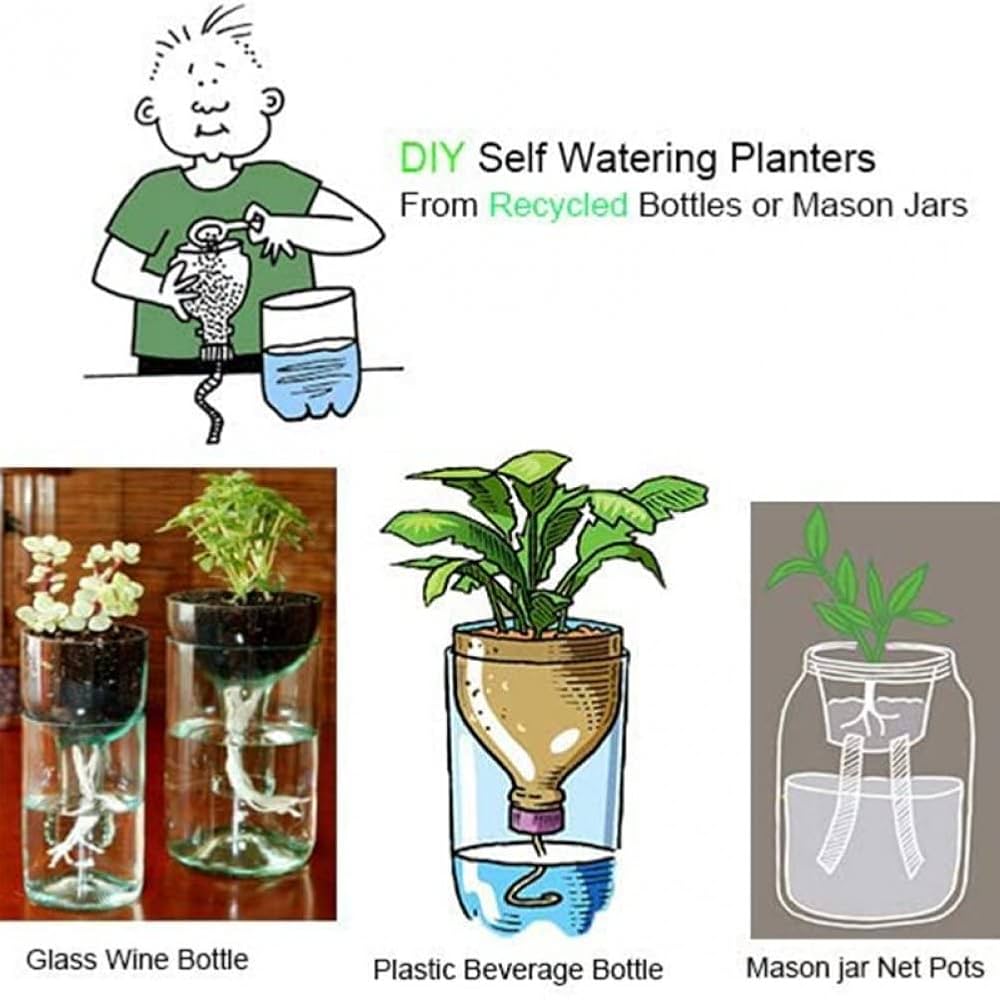
Are you tired of constantly watering your plants and still seeing them wilt? What if you could create a planter that waters itself, saving you time and effort?
Making self-watering planters is easier than you think, and it can transform the way you care for your greenery. In this guide, you’ll discover simple steps to build your own self-watering planter that keeps your plants healthy and thriving—even when you’re busy or away.
Keep reading, and you’ll unlock a smart gardening secret that anyone can use.

Credit: www.lifespacegardens.com
Benefits Of Self Watering Planters
Self watering planters are containers that supply water to plants automatically. They make gardening easier and keep plants healthy.
These planters have many benefits for both beginners and experienced gardeners. They save time, help plants grow well, and use water wisely.
Save Time And Effort
Self watering planters reduce the need to water plants every day. They hold water in a reservoir that feeds the soil slowly.
This means you spend less time watering and checking soil moisture. It is helpful for busy people or those who travel often.
Promote Healthy Plant Growth
These planters keep the soil moist but not too wet. Plants get water as they need it, which helps roots grow stronger.
Consistent moisture also reduces plant stress and prevents problems like root rot or drying out.
Reduce Water Waste
Self watering planters use water efficiently by delivering it directly to the roots. This lowers water loss from evaporation.
- Water stays in the reservoir until plants need it
- Less water runoff and spills
- Good for conserving water in dry areas

Credit: amysmartgirls.com
Materials Needed
Making a self watering planter is simple. You only need a few basic materials.
These materials help plants get water over time without daily care.
Containers And Pots
Choose a container that can hold soil and water. It should be sturdy and fit your space.
Make sure the pot has holes or space for water to reach the soil.
- Plastic or ceramic pots
- Old jars or bottles
- Recycled containers with drainage holes
Wicking Materials
Wicks help pull water from the reservoir to the soil. They keep soil moist.
Choose materials that absorb water well and are safe for plants.
- Cotton rope or string
- Strip of old cotton cloth
- Natural fiber strips like jute or hemp
Water Reservoir Components
The water reservoir stores water for the plants to use. It should not leak.
Use a container that fits under or inside your planter to hold water.
- Plastic bottles or jars
- Small buckets or tubs
- Recycled containers with lids
Choosing The Right Plants
Self-watering planters are great for keeping your plants healthy. They help plants get the water they need without much effort from you. Choosing the right plants for these planters is important.
Some plants thrive in self-watering systems. Others may not do as well. Here are tips to help you choose the best plants for your self-watering planters.
Best Plants For Self Watering
Certain plants love the constant moisture that self-watering planters provide. These plants will grow well and stay healthy.
- Ferns: Enjoy the humidity and consistent moisture.
- Spider Plants: Thrive with steady access to water.
- Peace Lilies: Prefer moist soil and adapt well.
- Basil: Needs regular watering to flourish.
- Mint: Grows quickly with constant water supply.
Plants To Avoid
Some plants may not do well in self-watering planters. These plants prefer dry soil and may suffer from too much moisture.
- Cacti: Prefer dry conditions and can rot with too much water.
- Succulents: Need dry soil and are prone to overwatering.
- Lavender: Likes well-drained soil and dislikes constant moisture.
- Orchids: Require specific watering schedules and can be sensitive to overwatering.

Credit: medium.com
Step-by-step Assembly
Making a self-watering planter helps your plants stay hydrated longer. This guide shows how to build one easily at home.
Follow these clear steps to prepare the container, set up the wick system, add water, and plant your flowers or herbs.
Preparing The Container
Choose a container with a lid or one that can hold a separate water reservoir. Clean it well to remove dirt.
- Pick a sturdy container with drainage holes or make some.
- Wash the container with soap and water.
- Dry the container completely before use.
Installing The Wick System
The wick pulls water from the reservoir to the soil. Use cotton or nylon rope for the wick.
- Cut the wick to reach from the water reservoir to the soil.
- Thread the wick through a hole at the bottom of the soil container.
- Make sure one end stays submerged in water below.
- Place the other end inside the soil to keep it moist.
Setting Up The Water Reservoir
The water reservoir holds the water your plants will use. It should fit under or inside your planter.
| Step | Action | Tip |
| 1 | Fill reservoir with clean water | Use room temperature water |
| 2 | Check wick placement | Wick end must stay in water |
| 3 | Seal reservoir if possible | Prevent dirt from entering |
Adding Soil And Plants
Fill the container with soil and plant your seeds or seedlings carefully. The wick will keep soil moist.
- Use potting soil for best water retention.
- Plant at the right depth for each type.
- Water the soil lightly after planting.
- Place planter in indirect sunlight initially.
Maintaining Your Planter
Keeping your self watering planter in good shape helps your plants grow healthy. Regular care stops problems and saves water.
Follow easy steps to check and clean your planter. Adjust it as seasons change to give your plants the best care.
Refilling The Water Reservoir
Check the water level in the reservoir often. Refill it before it runs dry to keep plants hydrated without stress.
Use clean water and fill slowly to avoid spilling. Some planters have a fill tube or opening for easy access.
- Look for the water level indicator if your planter has one
- Fill water up to the recommended line
- Refill every few days or as needed
- Use rainwater or filtered water when possible
Cleaning And Troubleshooting
Clean the reservoir and planter parts regularly to stop algae and mold growth. This keeps water fresh and plants safe.
If water does not flow well, check for blockages or damage. Fix or replace parts to keep your planter working.
- Empty the water reservoir before cleaning
- Use mild soap and water to scrub the parts
- Rinse well to remove all soap
- Check the wicks or tubes for clogs
- Replace any worn or broken pieces
Adjusting For Seasonal Changes
Plants need different water amounts in each season. Adjust your watering schedule to match weather changes.
In hot months, refill more often. In cold months, reduce water to avoid root rot.
- Check soil moisture regularly
- Refill reservoir more in summer
- Use less water in winter
- Move planters to suit sun exposure
- Watch plants for signs of over or under watering
Creative Design Ideas
Self watering planters are a smart way to keep plants healthy. They save time and water. You can make them with many creative designs.
This guide shows ideas to make self watering planters look great. Use materials and styles that fit your space and taste.
Upcycled Materials
Use old containers to build your planters. This helps the environment and saves money. You can turn many items into self watering planters.
Examples of upcycled materials include plastic bottles, tin cans, and jars. Cut and stack them to create water reservoirs and plant holders.
- Plastic bottles with a wick system
- Old buckets with a water hole
- Glass jars with soil and a water base
- Wooden crates lined with plastic
Indoor Vs Outdoor Styles
Choose your planter style based on where it will sit. Indoor planters often need a clean look. Outdoor planters can be bigger and tougher.
Indoor styles fit small spaces and look nice with home decor. Outdoor styles can hold more water and resist weather. Pick designs that suit light and space.
- Indoor: small pots, sleek shapes, bright colors
- Outdoor: large containers, durable materials, natural tones
- Indoor: fits shelves and tables
- Outdoor: fits garden beds and patios
Decorative Touches
Add decoration to make your planter stand out. Paint, patterns, or labels can make it unique. Choose simple designs to keep it neat.
You can use stones, twine, or fabric to decorate. These touches give your planter a personal look. Avoid heavy decorations that block water flow.
- Paint designs with waterproof paint
- Wrap twine around the planter for texture
- Glue small stones or shells on the surface
- Add plant name labels with chalkboard tags
Frequently Asked Questions
What Materials Are Needed For Self Watering Planters?
You need containers, a water reservoir, a wick or tube, potting soil, and plants. These parts help maintain consistent moisture for plants.
How Does A Self Watering Planter Work?
It uses a reservoir to store water. The soil absorbs water through a wick or tube, keeping roots hydrated without overwatering.
Can I Use Recycled Materials For Self Watering Planters?
Yes, recycled containers like bottles or jars work well. Ensure they hold water and allow proper drainage for healthy plant growth.
What Plants Grow Best In Self Watering Planters?
Herbs, leafy greens, and succulents thrive. These plants benefit from consistent moisture without frequent watering.
Conclusion
Creating self-watering planters saves time and helps plants grow well. These planters keep soil moist without daily watering. You only need simple materials and a little effort. Anyone can make them at home easily. They work great for busy people or beginners.
Try making one to see how handy it is. Your plants will thank you with healthy growth. Enjoy gardening with less worry and more fun.