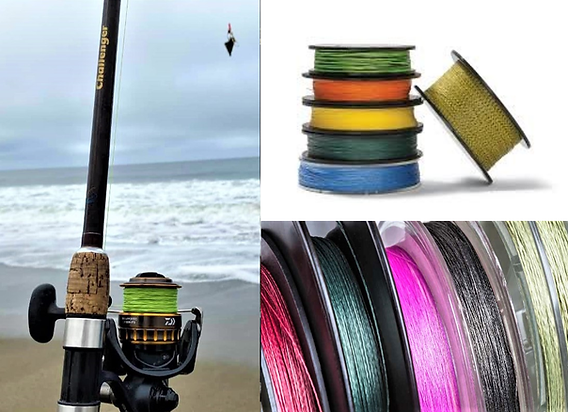
Are you wondering if braided fishing line is the right choice for your next fishing trip? Knowing when to use braided line can make a huge difference in your success on the water.
It offers unique strength and sensitivity that other lines just can’t match. But is it always the best option? You’ll discover exactly when braided fishing line can give you the edge you need to catch more fish and enjoy every moment of your time fishing.
Keep reading to unlock the secrets that could change the way you fish forever.
Benefits Of Braided Fishing Line
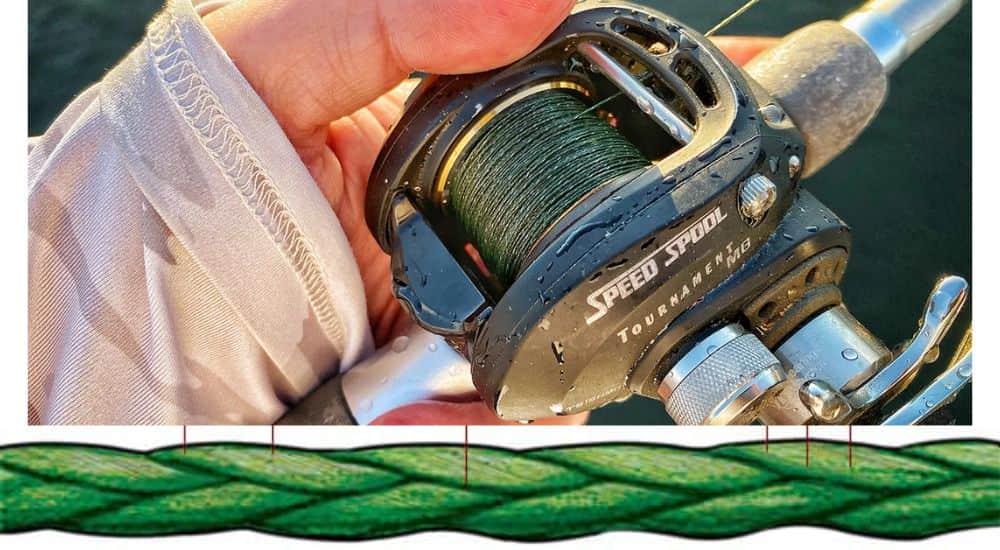
Braided fishing line offers many advantages for anglers of all levels. It is made by weaving several strands together. This design makes it strong and reliable.
Choosing the right fishing line can improve your fishing experience. Braided line stands out in key areas like strength, sensitivity, and stretch.
Strength And Durability
Braided fishing line is known for its high strength. It can handle heavy loads without breaking. The durability helps it last longer in rough conditions.
- Resists abrasion from rocks and debris
- Withstands strong fish pulls
- Holds up well in saltwater and freshwater
- Less likely to snap compared to monofilament
Sensitivity And Casting Distance
Braided line transfers vibrations quickly. This makes it easier to feel bites and movements underwater. It also helps you cast farther.
| Feature | Benefit |
| Sensitivity | Detects fish bites fast |
| Casting Distance | Allows longer casts with less effort |
| Diameter | Thin yet strong for smooth casting |
Low Stretch Advantages
Braided fishing line stretches very little under tension. This helps with better hook sets and control over the fish. Low stretch means less slack in the line.
Benefits of low stretch include:
- Improved sensitivity to fish bites
- Strong hook sets for better catch rates
- More precise control when reeling fish in
- Less chance of line snapping under pressure

Credit: www.meltontackle.com
Ideal Fishing Conditions
Braided fishing line works best under certain fishing conditions. Understanding these conditions helps anglers choose the right line for their needs.
This guide covers clear water, heavy cover, and deep water fishing where braided line shows its strengths.
Clear Water Scenarios
In clear water, fish can see your line easily. Braided line is thin and strong but very visible. Use it with a fluorocarbon leader to reduce visibility.
Heavy Cover And Structure
Braided line shines in thick cover. Its high strength and low stretch help pull fish from weeds or wood. It resists abrasion better than other lines.
- Works well around rocks and logs
- Strong enough to handle heavy brush
- Helps feel fish bites through thick cover
- Resists cuts and tears from rough surfaces
Deep Water Fishing
Braided line has no stretch, so you feel the bottom and fish bites better in deep water. It sinks fast, helping your bait reach depth quicker.
| Benefit | Why It Matters |
|---|---|
| Low stretch | Improves sensitivity to bites |
| Fast sinking | Reaches deep water quickly |
| High strength | Handles large fish and strong currents |
Choosing The Right Braided Line
Braided fishing line is popular for its strength and durability. Picking the right line can improve your fishing experience.
Consider factors like line weight, diameter, and color to suit your needs.
Line Weight And Test Strength
Line weight is important for catching different fish. Test strength shows how much weight the line can handle.
Choose a line with the right weight for the fish you are targeting. This ensures your line won’t break during a catch.
- Light line for small fish
- Medium line for bass and trout
- Heavy line for big sea fish
Diameter And Visibility
Braided lines have a smaller diameter than other lines. This helps them cut through the water more easily.
Visibility can be a problem. Fish may notice the line if it is too visible.
- Thin lines are less visible
- Thicker lines are more visible
- Use a leader if visibility is high
Color Options
Color affects how visible the line is in water. Different colors work best in different conditions.
Choose a color that blends in with the water where you fish. This makes the line less noticeable to fish.
- Green for clear water
- Yellow for murky water
- Red for deep sea fishing
Techniques Suited For Braided Line
Braided fishing line offers strength and sensitivity. It works well for many fishing styles. This line helps anglers feel bites better and cast farther.
Below are common techniques that benefit from using braided line. Each technique uses the line’s unique features for success on the water.
Flipping And Pitching
Flipping and pitching need precise control and strong line. Braided line is thin and strong, making it ideal for heavy cover. It lets anglers place bait quietly and accurately.
- Strong knot strength holds fish in dense plants
- Low stretch improves hook sets
- Thin diameter allows longer casts
- Durable against rough cover and sharp edges
Trolling And Casting
For trolling and casting, braided line helps with distance and sensitivity. It cuts through water well, allowing longer casts and better lure feel. It also resists breaking on heavy fish.
| Technique | Benefit of Braided Line |
| Trolling | Strong, resists abrasion from constant drag |
| Casting | Thin and light for longer, accurate casts |
| Both | High sensitivity helps detect subtle bites |
Bottom Fishing
Bottom fishing requires strong line to hold heavy bait and fight big fish. Braided line is perfect because it handles weight well and resists abrasion. It also has little stretch for better hook sets.
| Feature | Why Braided Line Helps |
|---|---|
| Strength | Handles heavy weights and large fish |
| Durability | Resists rubbing on rocks and debris |
| Sensitivity | Detects bites on deep or murky water |
| Low Stretch | Improves hook setting power |
Braided Line Maintenance Tips
Braided fishing lines offer strength and sensitivity for anglers. Proper care helps them last longer and perform well.
Learn how to clean, tie knots, and know when to replace your braided line for the best fishing experience.
Cleaning And Storage
Rinse braided line with fresh water after each use. Dirt, salt, and debris reduce its strength.
- Use mild soap and a soft cloth to clean the line gently.
- Dry the line completely before storing it.
- Store in a cool, dark place away from sunlight.
- Avoid tight coils to prevent line memory and twists.
Knot Tying Best Practices
Tying the right knots keeps your braided line strong and reliable. Use knots made for thin, slick lines.
| Knot Type | Best Use | Tips |
|---|---|---|
| Palomar Knot | Attaching hooks or lures | Double the line for extra strength |
| Improved Clinch Knot | General purpose | Wet line before tightening |
| Uni Knot | Joining lines or leaders | Make several wraps for security |
Line Replacement Timing
Replace braided line when it loses strength or shows damage signs. Regular checks prevent line failure.
- Inspect for frays, cuts, or discoloration before each trip.
- Replace line every 6 to 12 months depending on use.
- Change line if knots slip or break easily.
- Consider replacement after heavy catches or snags.

Credit: reactiontackle.com
Common Mistakes To Avoid
Using braided fishing line can boost your fishing experience. Still, many anglers make simple mistakes that reduce its benefits.
Knowing what to avoid helps you fish smarter and get better results with braided line.
Overlooking Leader Setup
One common mistake is not using a proper leader with braided line. Braided line is very visible in clear water and can scare fish away.
A leader made of fluorocarbon or monofilament can hide the line and provide some stretch. This helps avoid line breaks and missed fish.
- Always tie a leader to the end of your braided line.
- Choose leader length based on water clarity and fish species.
- Use a strong knot to connect braided line and leader.
- Replace the leader often to prevent damage from fish teeth or rocks.
Ignoring Line Stretch Needs
Braided lines have very little stretch. This makes them sensitive but can cause problems if you don’t adjust your fishing style.
Stretch in a line helps absorb sudden shocks from fish fighting or casting. Without stretch, your rod and knots take more stress.
| Line Type | Stretch Percentage | Effect on Fishing |
| Braided Line | 2-3% | Less shock absorption, more hook pullouts |
| Monofilament | 15-25% | Good shock absorption, easier on knots |
| Fluorocarbon | 15-20% | Less visible, moderate stretch |
Use a rod with some flex and strong knots. Adjust your drag to avoid breaking the line.
Using Braided Line In Wrong Situations
Many anglers use braided line everywhere, but it is not always the best choice. Some fishing situations need other lines.
Here are examples when braided line is not ideal:
- Fishing in very clear water with spooky fish
- When fishing with light tackle that needs some stretch
- Ice fishing, where line visibility is critical
- Bottom fishing in rocky areas where abrasion is high
Choosing the right line type for the conditions helps you catch more fish and avoid frustration.
Credit: barbcatchfishing.com
Frequently Asked Questions
What Are The Advantages Of Braided Fishing Line?
Braided fishing line offers high strength and durability with a thin diameter. It provides excellent sensitivity and low stretch, improving hook setting. It resists abrasion well, making it ideal for heavy cover and rough environments. Braided line also lasts longer than monofilament and fluorocarbon lines.
When Is Braided Fishing Line Best To Use?
Use braided fishing line when targeting large, strong fish or fishing in heavy cover. It excels in situations needing high strength and abrasion resistance. Braided line is great for deep water fishing and long casts due to its low stretch and thin profile.
How Does Braided Line Compare To Monofilament?
Braided line is stronger and thinner than monofilament with almost no stretch. Monofilament is more elastic and better for shock absorption. Braided line offers better sensitivity but is more visible in clear water. Choose braided for strength and sensitivity; monofilament for versatility and invisibility.
Can Braided Line Be Used For Saltwater Fishing?
Yes, braided line is excellent for saltwater fishing. It resists abrasion from rocks and coral, and its strength handles large saltwater species. Braided line also performs well in saltwater due to its durability and low water absorption, making it a popular choice for saltwater anglers.
Conclusion
Braided fishing line works best in tough fishing conditions. It offers great strength and low stretch for better control. Use it when you need sensitivity and durability. It suits heavy cover and deep water fishing well. Remember, braided line lasts longer and resists abrasion.
Choose it for clear water where stealth matters. Always match your line to your fishing style. Try it out and see the difference yourself. Simple, strong, and reliable—braided line can improve your catch.