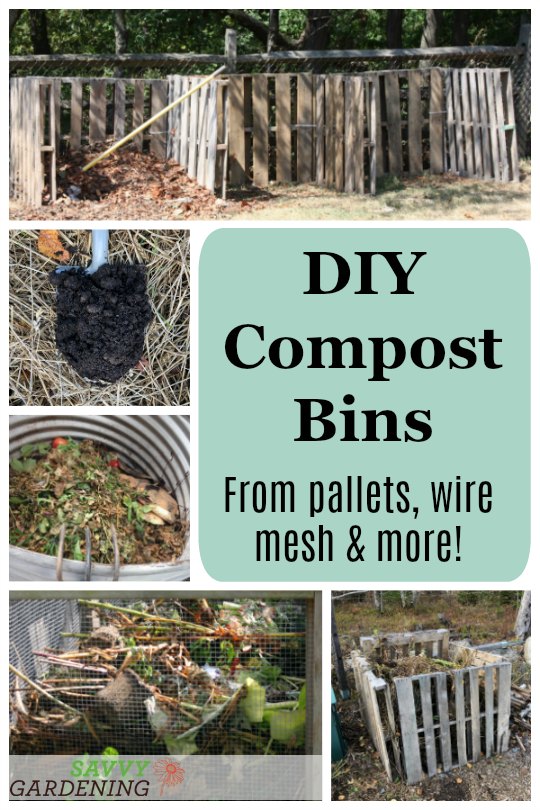
Are you wondering what you can use as a compost bin to turn your kitchen scraps and yard waste into rich, healthy soil? Finding the right container might seem tricky, but the good news is—you don’t need to buy an expensive bin to start composting.
Whether you have a big backyard or just a small balcony, there are simple, creative options that fit your space and budget. Keep reading, and you’ll discover easy, practical ideas that make composting at home not only possible but enjoyable.
Your garden—and the planet—will thank you!
Benefits Of Composting At Home
Composting at home helps turn kitchen scraps and yard waste into rich soil. It reduces trash and supports plant growth.
Using a compost bin makes the process neat and easy. It also helps keep pests away and speeds up decomposition.
Save Money On Fertilizers
Compost provides natural nutrients to your garden. This means you spend less money buying chemical fertilizers.
Reduce Waste And Pollution
Composting lowers the amount of trash sent to landfills. It also cuts methane gas, a harmful greenhouse gas from waste.
Improve Soil Quality
Compost adds organic matter to the soil. This improves soil texture, moisture, and helps plants grow strong roots.
- Increases soil nutrients
- Enhances soil water retention
- Promotes healthy root growth
- Reduces soil erosion
Encourage Sustainable Living
Home composting helps you reuse waste and care for the environment. It supports a more eco-friendly lifestyle.
| Benefit | Details |
| Cost Saving | Less need to buy fertilizers |
| Waste Reduction | Lower trash volume and pollution |
| Soil Health | Better soil nutrients and moisture |
| Eco-Friendly | Supports green living habits |
Key Features Of A Good Compost Bin
A good compost bin helps you turn kitchen scraps and yard waste into rich soil. Choosing the right bin makes composting easier and more efficient.
Look for features that fit your space, keep the compost healthy, and last a long time.
Size And Capacity
Choose a bin size that matches your composting needs and available space. A bin that is too small will fill quickly. A large bin may be hard to manage.
- Small bins suit small households or limited space.
- Medium bins work well for average family waste.
- Large bins fit big families or garden waste.
- Consider how often you want to turn or empty the compost.
Ventilation And Drainage
Good airflow and water drainage keep the compost from smelling bad or becoming soggy. Look for bins with holes or slats.
| Feature | Purpose |
| Air vents | Allow oxygen to help break down materials |
| Drain holes | Prevent water build-up and soggy compost |
| Removable lid | Helps control moisture and keeps pests out |
Material Durability
Choose a bin made from materials that last outside and resist weather. Durable materials keep your compost safe and make the bin easy to clean.
- Plastic bins resist rust and rot but must allow airflow.
- Wood bins blend with gardens and breathe well but may need treatment.
- Metal bins are strong but can heat up quickly and rust.
- Consider ease of cleaning and pest resistance.
Diy Compost Bin Ideas
Creating a compost bin at home is a simple task. It helps reduce waste and enriches your garden soil.
There are many materials you can use to build a compost bin. Let’s explore some easy DIY ideas.
Plastic Storage Bins
Plastic storage bins are affordable and easy to find. They make excellent compost bins with a few modifications.
- Drill holes in the sides and bottom for aeration.
- Add a lid to keep pests away.
- Mix green and brown waste for balanced compost.
Wooden Pallet Bins
Wooden pallets are sturdy and provide good air circulation. They are perfect for creating a large compost bin.
Arrange four pallets in a square, securing them together at the corners. This setup creates a spacious bin with open sides for airflow.
Wire Mesh Bins
Wire mesh bins are lightweight and easy to construct. They allow for excellent airflow, speeding up the composting process.
| Material | Benefits |
| Wire Mesh | Good airflow |
| Plastic Coating | Durability |
| Metal Stakes | Stability |

Credit: www.bonappetit.com
Affordable Commercial Compost Bins
Choosing the right compost bin helps manage waste and grow healthy soil. Commercial compost bins offer different designs to fit various needs and budgets.
This guide explains two popular options: tumbler composters and stackable compost bins. Both are affordable and easy to use for businesses and communities.
Tumbler Composters
Tumbler composters turn waste easily to speed up composting. They are sealed containers that rotate on a stand, mixing materials inside.
- Good airflow helps reduce odors
- Rotation mixes waste and speeds decomposition
- Closed design keeps pests away
- Works well for small to medium waste amounts
- Easy to use and move around
Stackable Compost Bins
Stackable compost bins use layers or trays to separate compost stages. They save space and allow easy access to finished compost.
| Feature | Benefit |
| Multiple layers | Organizes compost by stage |
| Compact design | Fits small areas |
| Ventilation slots | Improves airflow and drying |
| Easy to add or remove layers | Simple compost management |
| Durable plastic | Lasts longer outdoors |
Creative Repurposed Items As Compost Bins
Using old items as compost bins saves money and reduces waste. Many common household items work well for composting.
These repurposed containers help you create rich soil for your garden. Choose the one that fits your space and needs.
Old Trash Cans
Old trash cans make sturdy compost bins. They hold a large amount of compost material and are easy to move.
- Drill holes on the sides and bottom for air flow and drainage
- Use a trash can with a lid to keep pests out
- Place the can on bricks or a wire rack to allow air circulation underneath
- Turn the compost regularly by removing the lid and stirring the contents
Large Buckets
Large buckets are good for small compost piles. They work well in small yards or balconies.
- Choose buckets with lids to keep moisture in
- Drill multiple holes for air and water drainage
- Turn the compost weekly for faster breakdown
- Use at least 5-gallon buckets for enough space
Plastic Crates
Plastic crates offer good ventilation and are easy to stack. They make excellent compost bins for garden waste.
| Feature | Benefit |
|---|---|
| Open sides | Allow air to circulate and speed up composting |
| Stackable design | Save space and create larger compost piles |
| Lightweight | Easy to move and turn the compost |
| Durable plastic | Lasts through wet and dry compost cycles |
Credit: zerowastehomestead.com
Placement Tips For Your Compost Bin
Choosing the right place for your compost bin helps it work better. The location affects how fast the compost breaks down. It also affects how easy it is to add waste and take out compost.
Think about sunlight, access, and pests when placing your bin. These factors keep your compost healthy and your yard clean.
Sunlight And Shade Balance
Compost bins need some sunlight to stay warm. Warmth helps the materials decompose faster. Too much sun can dry out the compost, slowing the process. Shade keeps moisture in but may cool the pile too much.
- Place your bin where it gets morning sun and afternoon shade.
- Avoid full sun spots that dry the compost quickly.
- Keep the bin away from large trees that block all sunlight.
Accessibility
Put your compost bin where you can reach it easily. This makes adding kitchen scraps and yard waste simple. Easy access also helps when you turn the compost or collect finished soil.
| Accessibility Tip | Reason |
| Near kitchen or garden | Convenient to add scraps and waste |
| Clear path to bin | Easy to reach in all weather |
| Level ground | Bin stays stable and safe to use |
Pest Prevention
Choose a spot that reduces pests like rodents and insects. Keep the bin away from your house and pet areas. Use bins with lids or covers to block animals.
- Place bin on bare soil or gravel to avoid easy digging.
- Keep the area clean and avoid adding meat or dairy.
- Check the bin regularly for holes or gaps.
Maintaining And Using Your Compost Bin
Using a compost bin helps turn kitchen scraps and garden waste into rich soil. Proper care keeps the compost healthy and speeds up decomposition.
Knowing how to maintain your compost bin will make your composting easier and more effective. This guide covers key steps to keep your bin working well.
Turning And Aerating
Turning your compost adds air to the pile, which helps microorganisms break down material faster. Aeration stops bad smells and keeps compost healthy.
Use a pitchfork or shovel to mix the compost every one to two weeks. Turn the outside material into the center to expose it to air.
- Turn compost every 7–14 days
- Mix dry and wet materials together
- Avoid compacting the compost when turning
Moisture Control
Compost needs the right amount of moisture to work well. Too dry slows down the process, while too wet can cause bad smells.
Check the moisture by squeezing a handful of compost. It should feel like a damp sponge, not dripping wet or dry.
- Add water if the compost is too dry
- Add dry materials like leaves if it is too wet
- Cover compost during heavy rain to avoid excess moisture
Harvesting Compost
Harvest compost when it looks dark, crumbly, and smells earthy. Finished compost is ready to use in your garden or pots.
Remove the top layer of unfinished material first. Use a screen or sieve if you want fine compost without large pieces.
- Use compost in flower beds, vegetable gardens, or potted plants
- Store unused compost in a dry, covered container
- Keep adding new material to your bin for continuous composting

Credit: homelyhens.com
Frequently Asked Questions
What Materials Are Best For A Homemade Compost Bin?
Wood, plastic, and metal bins work well for composting. Wooden pallets are eco-friendly, while plastic bins retain moisture. Metal bins are durable but may heat up. Choose a material that suits your space and budget for effective composting.
Can I Use A Trash Can As A Compost Bin?
Yes, a trash can can be used as a compost bin. Drill holes for aeration and drainage. Ensure it has a lid to keep pests out. It’s a simple, cost-effective option for small-scale composting.
How Big Should A Compost Bin Be?
A compost bin should ideally be 3x3x3 feet. This size balances heat retention and airflow. Smaller bins may not heat properly, while larger bins need more maintenance. Choose a size that fits your available space and compost volume.
Are Plastic Compost Bins Environmentally Friendly?
Plastic bins are durable and moisture-retentive but not biodegradable. Choose recycled or recyclable plastic for eco-friendliness. Proper maintenance extends their life, reducing waste. Consider balance between convenience and environmental impact.
Conclusion
Choosing the right compost bin makes composting easier and cleaner. Many household items work well as compost bins. Wood, plastic, metal, or even old containers can hold your compost. Make sure your bin has good air flow and drainage. Keep your compost moist but not wet.
Turning it regularly helps speed up the process. Composting reduces waste and helps your garden grow. Start with what you have and improve your bin over time. Composting is simple and good for the planet. Give it a try today!