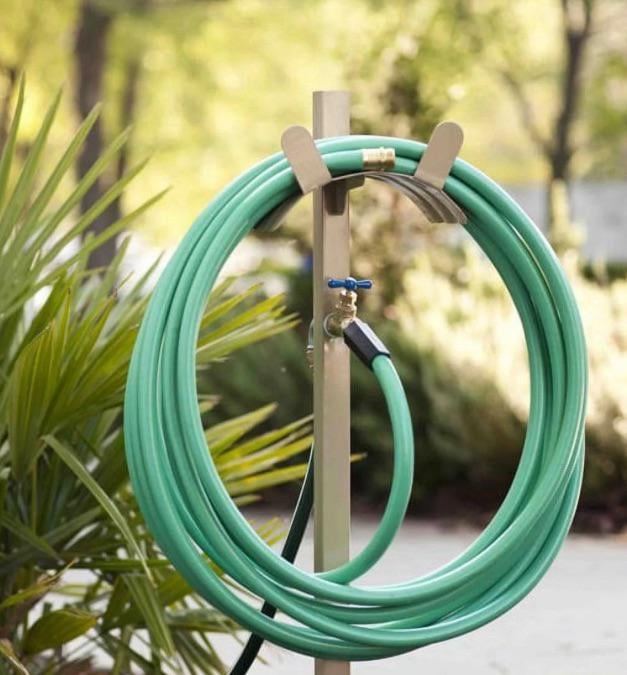
Have you ever wished your garden hose was just a little longer? Maybe you need to water plants far from your faucet or wash your car parked at the driveway’s end.
Connecting two garden hoses together is the simple trick that can solve this problem instantly. But how do you do it without leaks or frustration? In this guide, you’ll learn exactly how to join two hoses quickly and securely, so you can get the job done right the first time.
Keep reading, and you’ll discover easy steps that anyone can follow—no special tools or skills needed.
Tools And Materials Needed
Connecting two garden hoses is easy with the right tools and materials. Knowing what to use helps you avoid leaks and saves time.
Below are the common types of hose connectors and extra supplies you might need for a secure connection.
Types Of Hose Connectors
Hose connectors join two hoses to extend their length. They come in different styles for various needs.
- Coupler:A simple connector with female ends on both sides.
- Connector with Shut-off Valve:Allows you to stop water flow without disconnecting.
- Quick Connect:Enables fast and easy connection and disconnection.
- Threaded Connector:Screws onto hose ends for a tight fit.
Additional Supplies
You may need extra supplies to ensure a leak-free connection and proper hose care.
| Item | Purpose |
| Hose Washers | Seal the connection to prevent leaks |
| Thread Tape | Wrap threads to improve water tightness |
| Adjustable Wrench | Tighten connectors without damage |
| Scissors or Knife | Cut hose ends cleanly if needed |
| Hose Repair Kit | Fix damaged hose ends before connecting |

Credit: www.homehardware.ca
Choosing The Right Connector
Connecting two garden hoses requires the right connector for a leak-free join. Picking a suitable connector saves time and prevents water waste.
There are different types of connectors. Each has pros and cons based on your hose type and use.
Quick Connect Vs Threaded
Quick connect connectors snap on and off fast. They are good for easy hose changes.
Threaded connectors screw on tightly. They hold well and reduce leaks but take more time to attach.
- Quick connect: easy and fast
- Threaded: secure and tight seal
- Quick connect: best for frequent hose changes
- Threaded: best for permanent setups
Connector Size And Compatibility
Hoses come in different sizes. Connectors must match hose diameter for a tight fit.
Check your hose size before buying a connector. Most garden hoses use 5/8 inch or 3/4 inch sizes.
- Measure hose diameter accurately
- Use connectors made for your hose size
- Mixing sizes causes leaks and poor connection
- Some connectors fit multiple hose sizes
Preparing The Garden Hoses
Connecting two garden hoses can extend your reach around the yard. Before joining them, ensure they are in good shape.
This process involves checking the hose ends and cleaning them for a secure connection. Let’s dive into the details.
Inspecting Hose Ends
Make sure the ends of both hoses are not damaged. A cracked or bent end can cause leaks.
- Look for cracks or splits in the hose ends.
- Ensure the threads are not worn out.
- Check for any dirt or debris that could affect the connection.
Cleaning And Trimming
Cleaning the hose ends helps in achieving a better seal. Sometimes, trimming may be necessary.
| Tool | Purpose |
| Cloth | Wipe dirt |
| Scissors | Trim frayed ends |
| Water | Rinse hose ends |
Step-by-step Connection Process
Connecting two garden hoses lets you reach farther in your garden or yard. This guide shows you how to link them quickly and safely.
Follow each part carefully to make sure your hoses join without leaks or damage.
Attaching The Connector To The First Hose
Start by choosing a connector that fits your hose size. Most garden hoses use a standard size, but check to be sure.
- Turn off the water supply to the hose.
- Remove any existing attachments from the hose end.
- Slide the connector onto the hose end firmly.
- Tighten the connector’s clamp or screw to secure it.
Connecting The Second Hose
Now, prepare the second hose to join with the first hose using the connector.
- Check the end of the second hose is clean and free of damage.
- Align the hose end with the open part of the connector.
- Push the hose firmly into the connector until it fits snugly.
Securing The Connection
Make sure the connection between hoses is tight to stop leaks and keep water flowing well.
| Task | How to Do It |
| Check the fit | Pull gently on both hoses to ensure they do not come apart. |
| Tighten clamps | Use a screwdriver to tighten any hose clamps around the connector. |
| Test for leaks | Turn on water slowly and watch for drips or water spraying out. |
| Adjust if needed | Retighten or reposition hoses if you see any leaks. |
Testing For Leaks
After connecting two garden hoses, you must check for leaks. Leaks waste water and lower pressure.
Testing helps find leaks early. Fixing leaks keeps your connection strong and efficient.
Turning On The Water
Slowly turn on the water supply to your hoses. Watch the connection point carefully.
Check for any dripping or wet spots. Water should flow smoothly without leaks.
- Open the faucet slowly to avoid pressure shocks
- Observe the hose connection for water leaks
- Feel around the joint for moisture
- Listen for any hissing sounds that show leaks
Fixing Common Leak Issues
Leaks often happen due to loose fittings or damaged washers. Tighten the connectors first.
If leaks continue, check the rubber washer inside the connector. Replace it if cracked or worn.
- Use a wrench to gently tighten hose connectors
- Replace old or cracked washers inside the fittings
- Ensure hoses are fully screwed together
- Clean dirt or debris from the connection points

Credit: www.hozelock.com
Maintenance Tips For Hose Connections
Connecting two garden hoses is easy, but keeping the connection safe is important. Proper care helps stop leaks and damage.
Follow simple tips to keep your hose joints working well. This saves money and makes watering easier.
Regular Inspection
Check hose connections often for cracks, leaks, or wear. Early fixes stop bigger problems later.
Look at the rubber washers inside the connectors. Replace them if they are cracked or missing.
- Inspect connectors for rust or dirt
- Make sure connectors fit tightly
- Replace damaged washers quickly
- Clean connectors with a soft brush
Winter Storage Advice
Cold weather can damage hoses and connectors. Drain water before storing to avoid freezing inside.
Store hoses and connectors indoors in a dry place. This keeps them safe from frost and sun damage.
- Disconnect hoses before winter
- Drain all water from hoses and connectors
- Store hoses coiled in a dry area
- Keep connectors separate to avoid damage
Alternative Methods To Connect Hoses
Connecting two garden hoses can be done in different ways. This guide shows simple alternatives to join hoses without buying new ones.
These methods help extend your reach for watering plants or washing cars. They are easy to use and save time.
Using Hose Menders
Hose menders repair or join hoses by fitting inside the hose ends. They create a tight seal to stop leaks.
- Cut the damaged hose ends cleanly.
- Push the hose mender inside one hose end.
- Push the other hose end onto the mender.
- Tighten hose clamps around both ends for a secure fit.
Employing Couplers Or Adapters
Couplers join two hoses by connecting their ends externally. Adapters can connect different hose sizes or types.
| Type | Purpose | Material |
|---|---|---|
| Standard Coupler | Joins two same-size hoses | Plastic or metal |
| Adapter | Connects different hose sizes | Brass or plastic |
| Quick Connect Coupler | Allows fast hose attachment | Plastic or metal |
Credit: www.briandickersonart.com
Frequently Asked Questions
How Do I Connect Two Garden Hoses Together?
Use a hose connector or a coupling to join the hoses. Screw the connector tightly on both ends. Ensure the washers are in place to prevent leaks. This method creates a secure, leak-free connection for extended reach.
What Tools Do I Need To Join Garden Hoses?
Typically, no special tools are required. A hose connector or coupling is enough. You might need pliers if connectors are tight. Always check for washers to avoid leaks. Simple hand-tightening usually suffices for a solid connection.
Can I Connect Garden Hoses Of Different Sizes?
Yes, use an adapter or reducer fitting. These connectors adjust the size difference between hoses. Ensure the adapter matches both hose diameters. This ensures a leak-proof and secure connection. Check compatibility before purchase for best results.
How To Prevent Leaks When Joining Garden Hoses?
Always use rubber washers inside connectors. Tighten connectors firmly but avoid over-tightening. Inspect hoses and connectors for damage before joining. Replace worn washers regularly. Proper sealing ensures no water loss and longer hose life.
Conclusion
Connecting two garden hoses is simple and useful. Just follow the steps carefully. Use the right connector for a tight fit. Check for leaks before starting to water. This method saves time and effort in your garden. You can reach distant plants easily now.
Enjoy a smooth and steady water flow. Keep your garden healthy with proper watering. Simple tools make the job quick and easy. Try it yourself and see the difference.