Have you ever heard the term “shearing” in nursing and wondered what it really means? If you care for someone who is bedridden or has limited mobility, understanding shearing is crucial for keeping their skin healthy and preventing painful injuries.
This simple concept could make a big difference in the comfort and well-being of those you care for. Keep reading to discover what shearing is, why it happens, and how you can protect your loved ones from its harmful effects.
Your knowledge here can truly change lives.
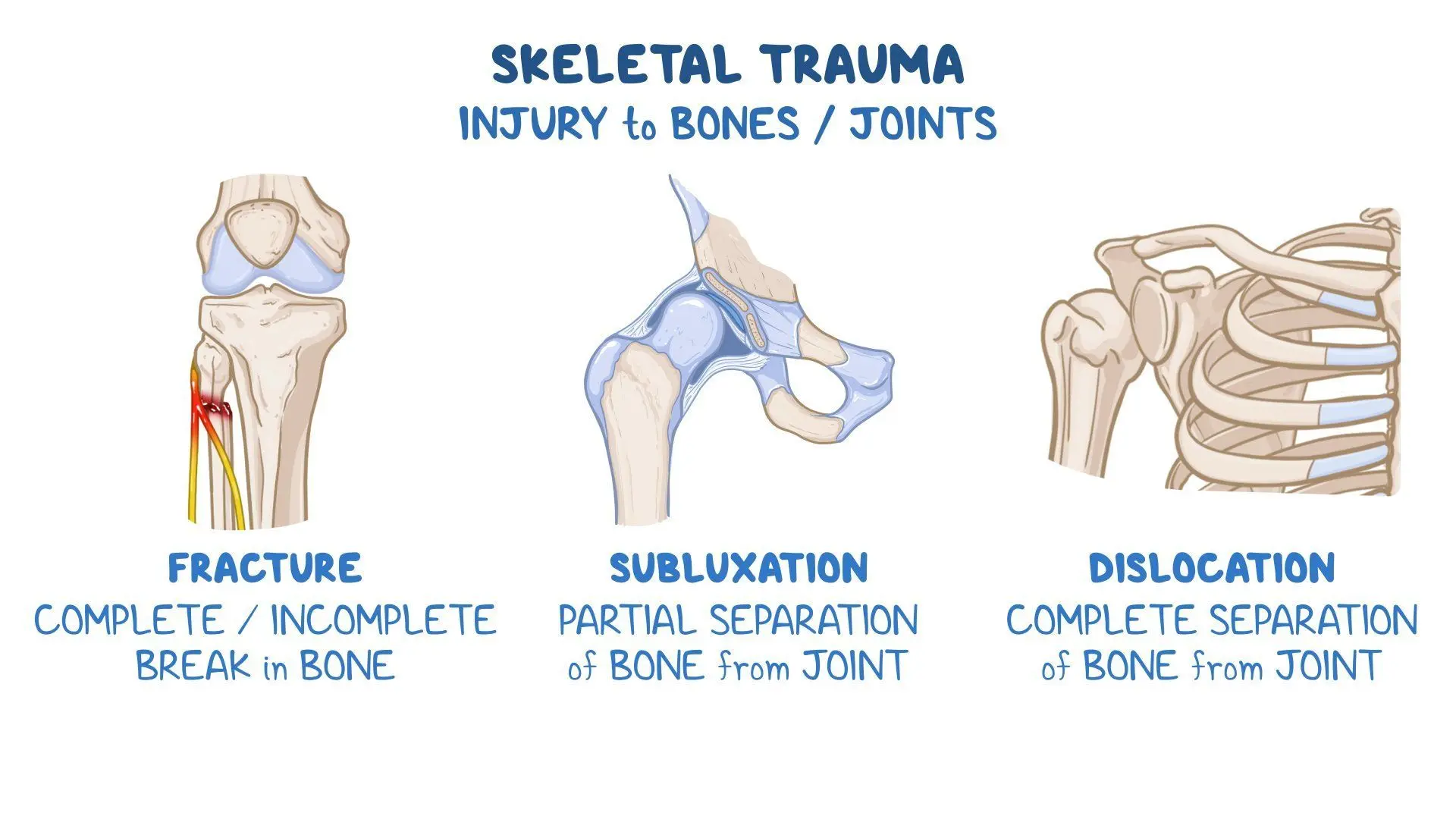
Credit: www.osmosis.org
Shearing In Nursing
Shearing is a common issue in nursing care. It can harm patients who have limited movement.
Nurses must understand shearing to prevent injuries and improve patient care.
Definition And Causes
Shearing happens when skin sticks to a surface but muscles move in the opposite direction. This causes damage under the skin.
It often occurs when a patient slides down in bed or a chair. The skin tears or stretches, leading to injury.
- Sliding down in bed or chair
- Poor lifting techniques
- Incorrect repositioning
- Using rough sheets or surfaces
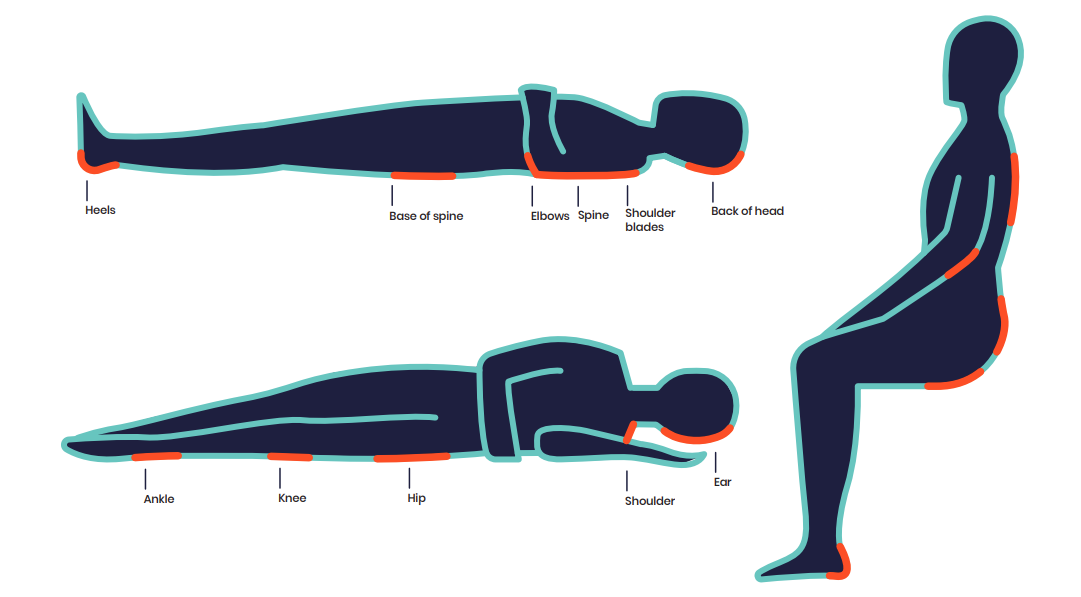
Common Areas Affected
Shearing usually happens on body parts where bone is close to the skin. These areas are more at risk for injury.
- Lower back and tailbone
- Heels and ankles
- Shoulders
- Back of the head
Difference Between Shearing And Friction
Shearing and friction both harm the skin. They happen in different ways and need different care.
Friction is the rubbing of skin against a surface. Shearing is deeper, affecting skin and tissue below.
| Factor | Shearing | Friction |
|---|---|---|
| Cause | Skin sticks, muscles move | Skin rubs against surface |
| Depth of Injury | Deep tissue damage | Surface skin damage |
| Common Result | Tears and ulcers | Blisters and abrasions |
| Prevention | Proper lifting and repositioning | Use soft sheets and reduce rubbing |
Credit: www.musculardystrophyuk.org
Risks To Patient Care
Shearing in nursing is a force that damages the skin and tissues. It happens when the skin stays in place, but the underlying bones move. This can harm patients, especially those who cannot move well.
Understanding the risks of shearing helps nurses prevent injuries and improve patient care. The following sections explain the main risks linked to shearing.
Impact On Skin Integrity
Shearing can tear the skin and damage blood vessels. This reduces blood flow and slows healing. Patients with fragile skin are more at risk.
- Skin may become red and painful
- Deep tissue damage can occur under the skin
- Skin breaks increase the chance of infection
Potential For Pressure Ulcers
Pressure ulcers form when skin and tissue are squeezed for too long. Shearing adds extra stress by pulling the skin in different directions.
| Risk Factor | Effect of Shearing |
| Immobility | Increases pressure and skin stretch |
| Poor Nutrition | Slows skin repair |
| Moisture | Weakens skin barrier |
Complications From Shearing Injuries
Shearing injuries can lead to serious health problems. They cause pain and limit movement, which affects recovery.
- Infections from open wounds
- Longer hospital stays
- Higher healthcare costs
- Reduced quality of life
Preventing Shearing Injuries
Shearing in nursing happens when skin moves in one direction and the underlying bone stays still. This can lead to painful injuries. Nurses need to know how to prevent these injuries for patient safety.
Proper techniques and equipment can help reduce the risk of shearing. It is important to be aware and take preventive steps.
Proper Patient Positioning
Correct patient positioning is key to preventing shearing injuries. Patients should be positioned to avoid sliding down in bed or chairs.
Keep the head of the bed as low as possible. This helps reduce pressure and skin movement.
- Use pillows to support limbs.
- Align the body with good posture.
- Adjust positions regularly.
Use Of Support Surfaces
Special support surfaces can help reduce pressure and friction. These surfaces are designed to protect the skin.
There are different types of mattresses and cushions available. They help keep the skin safe and comfortable.
- Choose pressure-reducing mattresses.
- Use gel or foam cushions.
- Check the condition of support surfaces often.
Safe Transfer Techniques
Safe transfer techniques are important to prevent shearing. Proper methods reduce the risk of injury during moves.
Use transfer aids to help move patients safely. This minimizes skin damage and makes the transfer smooth.
- Use slide sheets or transfer boards.
- Get help from another caregiver if needed.
- Move patients slowly and carefully.
Assessment And Monitoring
Shearing in nursing refers to skin damage caused by friction and pressure. It often happens when the skin sticks to a surface, and the body moves in the opposite direction. Nurses must assess and monitor patients to prevent this injury.
Early detection and regular checks help reduce the risk of skin breakdown. Proper documentation supports timely care and communication among healthcare staff.
Identifying Early Signs
Look for redness, warmth, or swelling on the skin, especially over bony areas. Patients may complain of pain or discomfort. Early signs often appear where the skin rubs against bedding or clothing.
- Red or irritated skin
- Swelling or puffiness
- Warm areas on the skin
- Patient reports of pain or burning
- Skin that looks tight or shiny
Regular Skin Inspections
Perform skin inspections at least once per shift. Pay close attention to pressure points like heels, hips, and the lower back. Use gentle touch to avoid further damage.
| Body Area | Inspection Frequency | Notes |
| Heels | Every 4 hours | Check for redness and dryness |
| Hips | Every 8 hours | Look for skin breakdown |
| Lower Back | Every 8 hours | Assess for pressure marks |
| Elbows | Every 12 hours | Observe for irritation |
Documenting And Reporting
Record all findings clearly and promptly. Reporting early signs ensures quick action. Use standard forms and follow your facility’s guidelines.
- Note the location and size of skin changes
- Describe color, texture, and temperature
- Include patient complaints or observations
- Report any changes to the care team immediately
Treatment And Care Strategies
Shearing in nursing refers to skin damage caused by friction and pressure. It often happens when patients slide down in bed. Treating and caring for shearing injuries is important to prevent infection and promote healing.
Effective care includes cleaning wounds, managing pain, and working with a healthcare team. These steps help patients recover and avoid further harm.
Wound Care Approaches
Clean the wound gently with mild soap and water. Avoid harsh scrubbing to protect the skin. Use dressings that keep the wound moist but not wet. Change dressings regularly to prevent infection.
- Clean wounds with saline or mild soap
- Apply non-stick, moisture-retentive dressings
- Change dressings as directed by healthcare provider
- Watch for signs of infection like redness or swelling
Pain Management
Pain control helps patients feel more comfortable. Use pain relief medicines as prescribed. Position the patient carefully to reduce pressure on the skin. Use cushions or special mattresses to reduce pain from shearing.
- Administer pain medication on schedule
- Reposition patient every two hours
- Use pressure-relieving devices like cushions
- Monitor pain levels and adjust care as needed
Collaborative Care Planning
Work with nurses, doctors, and therapists to create a care plan. Share information about the wound and pain levels. Set goals for healing and prevention. Adjust the plan as the patient improves.
- Communicate regularly with the healthcare team
- Include patient and family in care decisions
- Use a written care plan with clear goals
- Review and update the plan often
Role Of Nurses In Shearing Prevention
Shearing is a common injury in nursing patients. It happens when skin moves one way and bone moves another. Nurses play a key role in stopping this harm.
They must know how to care for skin and move patients safely. This helps keep patients healthy and pain-free.
Education And Training
Nurses need proper education about shearing and its risks. Training helps them learn the best ways to prevent skin damage.
- Understand how shearing affects the skin and tissues
- Learn safe patient handling and repositioning techniques
- Recognize early signs of skin injury
- Apply skin protection methods correctly
- Keep updated with latest nursing guidelines
Advocating For Patient Safety
Nurses act as patient advocates by ensuring safe care environments. They watch for risks that cause shearing and take action to reduce them.
| Safety Action | Purpose |
| Regular patient repositioning | Reduce pressure and skin strain |
| Use of pressure-relief devices | Protect skin from damage |
| Skin assessments | Detect early signs of shearing |
| Patient education | Help patients understand care needs |
Utilizing Technology And Tools
Nurses use technology to lower shearing risks. Tools help with moving patients and tracking skin health.
- Special beds and mattresses reduce pressure points
- Lifting devices assist safe patient transfers
- Electronic charts help monitor skin condition
- Alerts remind nurses to reposition patients

Credit: www.magonlinelibrary.com
Frequently Asked Questions
What Is Shearing In Nursing Care?
Shearing in nursing refers to skin damage caused by friction and pressure. It occurs when skin moves opposite to underlying tissues. This can lead to wounds and pressure ulcers. Nurses prevent shearing by repositioning patients and using supportive devices.
How Does Shearing Affect Patient Skin Health?
Shearing causes blood vessels to stretch and tear, reducing blood flow. This leads to tissue damage and increases infection risk. Skin may appear red, tender, or blistered. Proper care and prevention reduce shearing’s harmful effects on skin health.
What Are Common Causes Of Shearing In Nursing?
Shearing often happens when patients slide down in bed or chairs. Poor positioning, incorrect lifting, and improper transfers contribute. Friction between skin and surfaces worsens damage. Nurses must use safe handling techniques to minimize shearing risks.
How Can Nurses Prevent Shearing Injuries?
Nurses prevent shearing by frequently repositioning patients, using lifting devices, and ensuring proper support surfaces. Keeping skin clean and dry also helps. Education on safe patient handling and monitoring skin condition are essential prevention strategies.
Conclusion
Shearing in nursing affects patient skin health deeply. Nurses must understand how it happens and how to prevent it. Avoiding shearing keeps patients safe and comfortable. Proper care helps stop skin damage and sores. Knowing this helps nurses provide better care every day.
Simple steps reduce risks and improve healing. Always watch for signs of skin stress. Protecting skin is a key part of nursing care. It benefits both patients and healthcare teams.