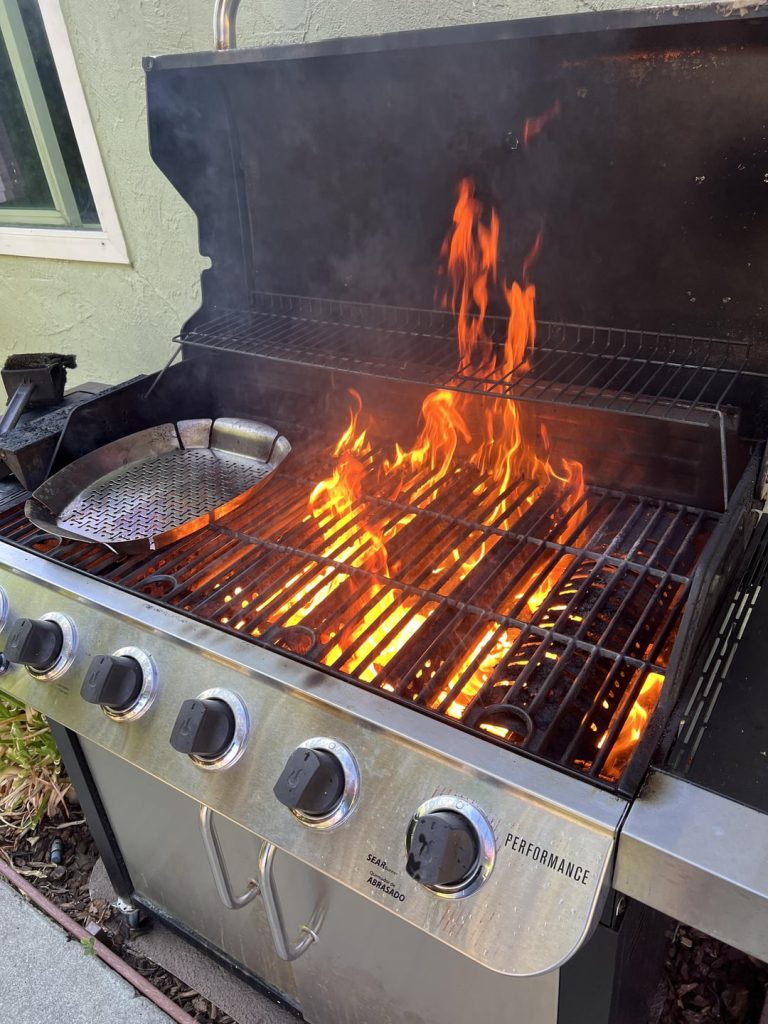
Want your charcoal grill to reach higher temperatures fast? Whether you’re craving that perfect sear or need to cook food more quickly, knowing how to make your charcoal grill hotter can transform your grilling game.
You might think it’s just about piling on more coals, but there’s a smarter way to boost heat without wasting fuel. Keep reading, and you’ll discover simple, effective tips to get your grill blazing and your food tasting amazing every time.
Credit: pnpcharcoal.com
Choosing The Right Charcoal
Choosing the right charcoal can make your grill hotter and cook food better. Different types of charcoal burn in different ways. Picking the right kind helps you control heat and cooking time.
Learn about lump charcoal and briquettes to find out which one fits your grilling style. Also, consider the quality and size of the charcoal pieces for the best results.
Lump Charcoal Vs Briquettes
Lump charcoal is made by burning wood in low oxygen. It lights quickly and burns very hot. Briquettes are made from compressed charcoal dust and other materials. They burn longer but at a steadier heat.
- Lump charcoal burns hotter and faster.
- Briquettes burn longer and more evenly.
- Lump charcoal produces less ash than briquettes.
- Briquettes can contain additives that affect flavor.
- Lump charcoal is better for high heat cooking.
Quality And Size Matters
Good quality charcoal burns cleaner and hotter. The size of charcoal pieces affects how they burn. Larger pieces last longer, while smaller pieces light faster but burn out sooner.
| Charcoal Size | Burn Time | Heat Control |
|---|---|---|
| Small Pieces | Short | Harder to control |
| Medium Pieces | Medium | Good control |
| Large Pieces | Long | Stable heat |
Proper Charcoal Arrangement
Setting up your charcoal correctly makes your grill hotter and cooks food better.
Good charcoal arrangement controls heat and airflow for even cooking.
Single Vs Two-zone Setup
A single zone has all charcoal spread evenly for direct heat. It works well for quick grilling.
A two-zone setup has charcoal on one side only. The other side stays cooler for indirect cooking.
- Single zone:Heat is the same across the grill surface.
- Two-zone:One hot side and one cooler side.
- Uses:Single zone for searing, two-zone for slow cooking.
- Control:Two-zone gives more heat control options.
Building A Charcoal Pyramid
Stacking charcoal in a pyramid shape helps it light faster and burn hotter.
The pyramid allows air to flow under and around the coals for better combustion.
- Place some crumpled paper or fire starters at the base.
- Stack charcoal lumps in a cone shape over the fire starters.
- Light the paper or starters at the base.
- Wait for the coals to ash over and spread them evenly.
| Advantage | Description |
|---|---|
| Faster Ignition | Air flows freely, helping coals catch fire quickly. |
| Higher Heat | Coal mass burns hotter in the stacked shape. |
| Better Airflow | Shape allows oxygen to feed the fire well. |
Igniting Charcoal Effectively
Getting your charcoal grill hotter starts with effective ignition. Proper lighting methods ensure even heat and better cooking.
Explore ways to ignite charcoal without hassle. Avoid mess and achieve better grill temperatures.
Using Chimney Starters
Chimney starters are a simple tool to light charcoal efficiently. They use heat circulation for even ignition.
- Fill the chimney with charcoal.
- Place crumpled paper beneath the chimney.
- Light the paper to ignite the charcoal.
- Wait for the charcoal to ash over, about 20 minutes.
- Pour the hot charcoal into the grill.
Avoiding Lighter Fluid
Lighter fluid can affect the flavor of food. Consider alternatives that maintain taste and safety.
Maximizing Airflow
To make your charcoal grill hotter, you need more oxygen. Charcoal burns better with good airflow.
Maximizing airflow helps the fire burn hotter and cook food faster. Let’s look at how to do this.
Adjusting Vents
Open the grill vents to let air flow into the charcoal. More air means hotter flames.
Start with both bottom and top vents open. Close them slightly to lower heat if needed.
- Bottom vents let fresh air in
- Top vents let smoke and heat escape
- Adjust vents slowly to control temperature
Using A Fan Or Bellows
A fan or bellows pushes extra air into the fire. This makes the charcoal burn hotter fast.
Use a small hand fan or bellows near the vents or grill base. Blow air gently for best results.
- Keep the airflow steady and controlled
- Do not blow too hard to avoid ash spread
- Electric fans made for grills work well
Adding Fuel During Cooking
Keeping your charcoal grill hot during cooking is important for even heat. Adding fuel at the right time helps maintain temperature. This guide explains when and how to add charcoal and use hardwood chunks.
Adding charcoal properly avoids flare-ups and keeps food cooking well. Use the right tools and techniques for safe and effective refueling.
When And How To Add Charcoal
Add charcoal once the fire starts to die down. Watch for fewer glowing coals and less heat. Avoid adding fuel too early or too late to keep the grill stable.
- Wear heat-resistant gloves for safety.
- Use a long-handled tool to move hot coals.
- Open the grill vents to increase airflow.
- Add fresh charcoal evenly around existing coals.
- Light new charcoal in a chimney starter before adding.
- Close the lid to trap heat after adding fuel.
Using Hardwood Chunks
Hardwood chunks add steady heat and smoky flavor. They burn longer than charcoal and help keep the fire hotter for longer times.
| Type of Hardwood | Burn Time | Flavor Profile |
|---|---|---|
| Hickory | 2-3 hours | Strong, smoky |
| Mesquite | 1-2 hours | Bold, earthy |
| Oak | 3-4 hours | Mild, balanced |
| Apple | 1-2 hours | Sweet, fruity |

Credit: www.youtube.com
Maintaining Consistent Heat
Keeping your charcoal grill hot and steady is key to cooking food well. Consistent heat helps food cook evenly and taste better.
To keep the heat steady, you need to manage the fire and airflow carefully. This guide explains two important ways to do that.
Controlling Ash Buildup
Ash can block airflow and lower the temperature inside your grill. Removing ash often helps keep the fire burning strong.
Use a metal scoop or ash tool to clean out ash from the bottom of the grill. Do this when the fire is cool to avoid burns.
- Remove ash after every cooking session
- Keep vents clear for good airflow
- Do not let ash build up over the vents
Managing Lid Position
The grill lid controls airflow and heat inside the grill. Keeping it closed helps keep the heat inside and cooks food evenly.
Opening the lid often lets heat escape and cools the grill down. Only open the lid to check food or add charcoal.
- Keep the lid closed while cooking
- Use lid vents to adjust airflow
- Open the lid briefly when needed
Safety Tips For High Heat
Using a charcoal grill at high heat can cook food faster. It also needs careful handling to stay safe. Follow these tips to avoid accidents and burns.
Grilling with very hot coals can be dangerous. Learn how to manage the grill and prevent flare-ups for a safe cookout.
Handling Hot Grills
Always wear heat-resistant gloves when touching or moving the grill. Use long-handled tools to keep your hands far from the heat.
Keep a safe distance from the grill to avoid burns. Never leave a hot grill unattended, especially around children or pets.
- Wear thick gloves for protection
- Use long-handled tongs and spatulas
- Keep children and pets away
- Do not leave the grill unattended
Preventing Flare-ups
Flare-ups happen when fat drips onto the hot coals. They can cause sudden flames that burn your food or skin.
To stop flare-ups, trim excess fat from meat before grilling. Keep a spray bottle of water nearby to control flames quickly.
- Trim fat from meat before grilling
- Use a spray bottle to control flames
- Avoid pouring lighter fluid on hot coals
- Keep the grill lid closed to reduce oxygen

Credit: www.ice.edu
Frequently Asked Questions
How Can I Make My Charcoal Grill Hotter Quickly?
Use dry, fresh charcoal and arrange it in a pyramid shape. Add more charcoal for extra heat. Use a chimney starter for faster ignition. Open the grill vents fully to improve airflow and increase temperature.
What Role Does Airflow Play In Heating A Charcoal Grill?
Airflow controls oxygen supply to the fire. Opening vents allows more oxygen, which boosts heat. Closing vents restricts oxygen, lowering temperature. Proper vent adjustment ensures consistent and hotter grill temperatures for better cooking.
Can Using Lighter Fluid Increase Charcoal Grill Temperature?
Yes, lighter fluid helps ignite charcoal faster, creating initial high heat. Use it sparingly and safely to avoid chemical taste. Once coals are lit, let the fluid burn off before cooking. Proper ignition leads to hotter, longer-lasting heat.
Does Adding Wood Chips Affect Charcoal Grill Heat?
Adding wood chips adds flavor but can reduce overall heat. Wet chips may create steam, lowering temperature. Use dry chips sparingly to maintain heat while enhancing smoky flavor. Balance is key for heat and taste.
Conclusion
Getting your charcoal grill hotter is easier than you think. Use dry charcoal and arrange it in a pile. Add air by opening the vents and fanning the coals. Avoid placing the lid too soon; let the fire catch first.
Keep an eye on the grill to control the heat. These simple steps help you cook food faster and better. Enjoy grilling with more heat and flavor every time. Try these tips on your next barbecue for great results.