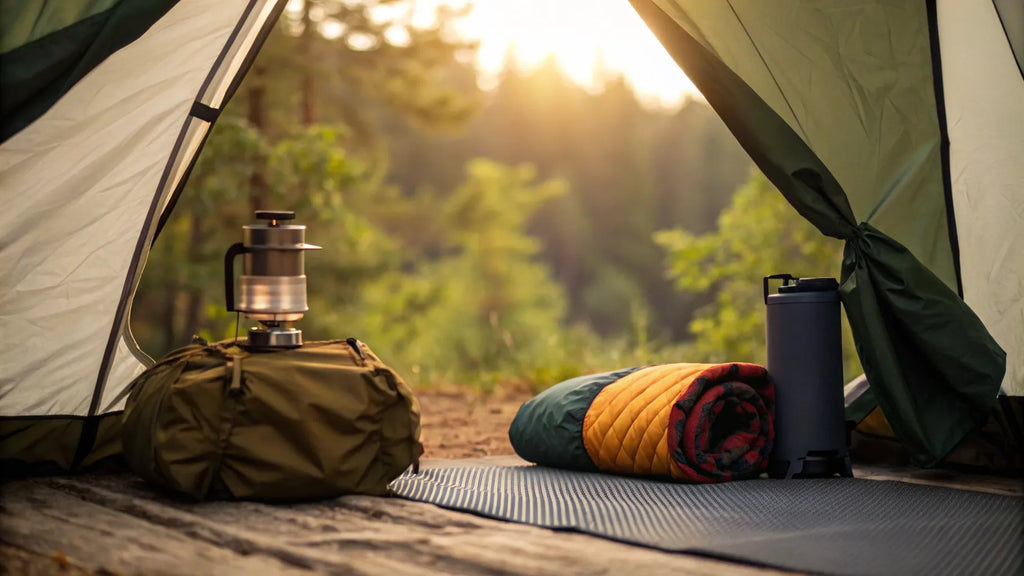
Setting up your tent is just the start of a great outdoor adventure. But have you ever stopped to think about what goes under your tent?
The right layer beneath can make all the difference between a good night’s sleep and waking up cold, wet, or uncomfortable. You’ll discover simple yet effective options to protect your tent floor, keep moisture out, and add extra comfort. By the end, you’ll know exactly what to put under your tent to make every camping trip more enjoyable.
Let’s dive in!
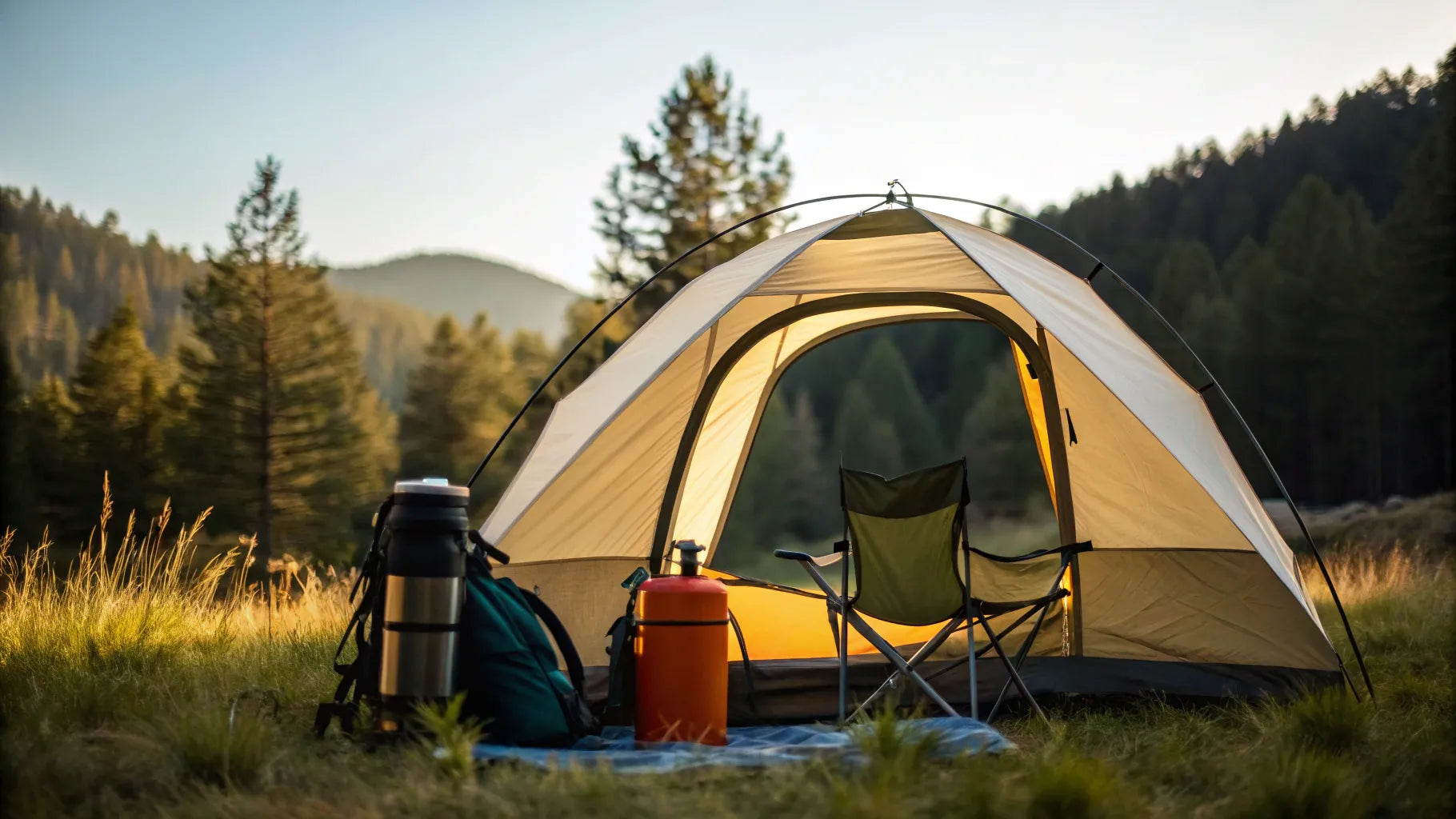
Credit: www.battlbox.com
Choosing The Right Groundsheet
Picking the right groundsheet helps protect your tent floor. It also keeps moisture and dirt away. A good groundsheet adds comfort and extends your tent’s life.
There are many types of groundsheets. Consider material, size, and waterproofing. These features make a big difference in your camping experience.
Materials And Durability
Groundsheets come in different materials. Some are strong and last long, while others are light but less tough. Think about how often you camp and where.
- Polyethylene: Heavy and very durable, good for rough ground.
- Nylon: Lightweight and easy to pack, but less tough.
- Polyester: Strong and resists tearing, common for many tents.
- Canvas: Thick and durable but heavier to carry.
Size And Fit
The groundsheet must fit your tent well. Too small leaves parts of the floor exposed. Too big can collect water under the tent.
| Groundsheet Size | Fit Description |
| Smaller than Tent | Leaves edges unprotected, dirt and water can enter |
| Same Size as Tent | Good fit, protects floor without extra overlap |
| Slightly Larger | Protects tent sides but watch for water pooling |
| Much Larger | Risk of water collecting and damaging tent floor |
Waterproofing Benefits
A waterproof groundsheet stops water from soaking the tent floor. It helps keep you dry and comfortable during rain. Look for fabrics with waterproof coatings.
- Prevents water from seeping up through the ground.
- Protects the tent floor from mud and stains.
- Improves overall tent insulation and comfort.
- Makes cleaning easier after camping.
Selecting Comfortable Sleeping Pads
Choosing the right sleeping pad can make your camping nights much better. A good pad offers comfort and keeps you warm.
There are many types of sleeping pads. Think about thickness, insulation, and how easy it is to carry.
Types Of Sleeping Pads
Sleeping pads come in three main types: air pads, foam pads, and self-inflating pads. Each type has its own benefits.
- Air pads are lightweight and inflatable for comfort.
- Foam pads are durable and provide basic cushioning.
- Self-inflating pads combine foam and air for good support.
Thickness And Insulation
Thickness affects how soft the pad feels under you. Thicker pads offer more comfort but weigh more.
Insulation keeps you warm by blocking cold from the ground. Look for pads with good R-value for cold weather.
- Thicker pads are better for rough ground.
- High insulation pads work well in cold climates.
- Low insulation pads suit warm weather camping.
Portability And Weight
Lightweight sleeping pads are easier to carry on hikes. Check how small the pad packs down too.
Some pads roll or fold into compact shapes. This saves space in your backpack.
- Air pads are usually the lightest and smallest.
- Foam pads are heavier but rugged.
- Self-inflating pads vary in weight and size.
Using Quality Sleeping Bags
When camping, a good sleeping bag is essential. It keeps you warm and comfortable at night.
Choosing the right sleeping bag can make your camping experience better. Let’s explore what to consider.
Temperature Ratings
Sleeping bags have different temperature ratings. This tells you how cold it can be while still keeping you warm.
Always check the temperature rating before buying. This ensures you stay comfortable in all weather.
- Summer bags: above 35°F (1.6°C)
- Three-season bags: 10°F to 35°F (-12°C to 1.6°C)
- Winter bags: below 10°F (-12°C)
Shape And Size
Sleeping bags come in different shapes and sizes. The shape affects warmth and comfort.
Choose a size that fits your body well. This helps in retaining heat effectively.
- Rectangular: spacious but less warm
- Mummy: snug fit, best for warmth
- Semi-rectangular: balance of space and warmth
Additional Features
Some sleeping bags come with extra features. These can improve your sleeping experience.
Look for features that suit your needs. These can include hoods, pockets, or zippers.
- Hoods for extra warmth
- Inner pockets for small items
- Two-way zippers for ventilation

Credit: www.reddit.com
Adding Extra Comfort Layers
Sleeping inside a tent can be hard if the ground is cold or hard. Adding extra layers under your sleeping bag helps you stay warm and cozy. These layers also make the tent floor softer to lie on.
There are different items you can use to create comfort layers. Blankets, pillows, and inflatable mattresses all add softness and warmth. Each item has its own benefits for a better camping night.
Blankets And Quilts
Blankets and quilts add warmth and cushion under your sleeping bag. They help block cold air from the ground. Wool or fleece blankets work well because they keep heat in.
Use quilts for a lighter option. Quilts are easy to fold and carry. You can layer several thin blankets for more softness. Make sure the blanket covers the whole sleeping area.
- Wool blankets keep heat even if wet
- Fleece blankets are soft and light
- Quilts are easy to pack and carry
- Layer blankets for more padding
Pillows And Cushions
Pillows and cushions make your head and neck comfortable. They support your sleeping position and reduce strain. Soft cushions can also be placed under your knees or back.
You can bring inflatable pillows to save space. Foam cushions are good for firm support. Use a pillowcase to keep pillows clean and dry inside the tent.
- Inflatable pillows save space when packed
- Foam cushions give firm support
- Use pillowcases to protect pillows
- Extra cushions can support knees or back
Inflatable Mattresses
Inflatable mattresses lift you off the hard ground. They provide a soft, even surface to sleep on. Many mattresses come with built-in pumps for easy inflation.
These mattresses also add insulation from the cold earth. Choose the right size to fit your tent space. Deflate and roll them up to save room when not in use.
- Lift you off hard, cold ground
- Offer soft, even sleeping surface
- Many have built-in air pumps
- Roll up small for easy packing
Organizing Gear Efficiently
Keeping your gear organized under your tent makes camping easier. It helps you find items fast and keeps your space tidy.
Good organization also protects your gear from dirt and damage. You can enjoy your trip without stress.
Storage Solutions Inside The Tent
Use storage pockets or hanging organizers to save floor space. These keep small items like flashlights and phones in reach.
Plastic bins or fabric boxes work well for bigger items. Label them to find things quickly.
- Hanging mesh pockets for small gear
- Stackable plastic bins for clothes and food
- Fabric boxes for shoes and bulky items
- Hooks or clips for hats and keys
Keeping Essentials Accessible
Place daily-use items near your tent entrance. This way, you grab them without digging through bags.
Keep water bottles, sunscreen, and insect repellent in easy reach. Use a small table or shelf if possible.
- Water bottles on side tables or holders
- Sunscreen and bug spray in hanging pockets
- Flashlights near the entrance
- First aid kit in a visible spot
Maintaining Cleanliness
Keep dirt and mud outside your tent. Use a groundsheet or tarp to create a clean area under your tent.
Store dirty shoes and wet clothes away from sleeping areas. Use separate bags or containers to avoid mess.
- Groundsheet or tarp under tent floor
- Shoe bags or bins near tent door
- Separate bag for wet clothes
- Regularly shake out dirt and debris
Enhancing Tent Ventilation
Good ventilation keeps the air inside your tent fresh and dry. It helps reduce heat and moisture buildup. This makes your camping experience more comfortable.
Using the right methods can improve airflow and prevent stuffiness. Here are some ways to enhance tent ventilation.
Using Mesh Panels
Mesh panels let air flow while keeping bugs out. Most tents have mesh windows or doors. Open these panels to allow fresh air inside.
- Keep mesh panels unzipped during the day
- Use rainfly vents to protect from rain
- Cover mesh with a light cloth if it gets cold
Positioning The Tent
Where you place your tent affects airflow. Choose a spot with natural wind flow. Avoid low areas where air is still and damp.
| Position | Effect on Ventilation |
| Open field | Good air circulation |
| Near trees | Blocks wind, less airflow |
| Low ground | Traps moisture, poor ventilation |
| Hilltop | Strong breeze, high ventilation |
Managing Condensation
Condensation forms when warm air meets cold surfaces. It makes the tent walls wet and uncomfortable. Managing condensation improves air quality inside.
- Leave tent doors slightly open at night
- Use a groundsheet that allows moisture to pass
- Avoid cooking or drying clothes inside the tent
- Set up a small fan for air movement
Lighting And Ambiance
Lighting plays a big role in setting the mood under a tent. It helps guests feel comfortable and enjoy the space.
Choosing the right lights and placing them well can create a warm and inviting atmosphere for any event.
Types Of Tent Lights
There are many lights you can use under a tent. Each type offers different looks and brightness levels.
- String lights add a soft, twinkling glow.
- Lanterns create a classic, cozy feel.
- LED uplights highlight tent poles and corners.
- Fairy lights bring a magical touch with small bulbs.
- Chandeliers give an elegant and formal look.
Safe Placement
Safety is important when placing lights under a tent. Avoid fire risks and electrical hazards.
Keep lights away from flammable materials and make sure cords are secure to prevent tripping.
- Use LED lights to reduce heat and power use.
- Hang lights away from fabric walls and ceiling.
- Cover electrical connections to protect from moisture.
- Keep cords taped down or covered on the ground.
- Check all lights and wires for damage before use.
Creating A Cozy Atmosphere
Warm lighting helps make the tent feel inviting and cozy. Use soft lights and warm colors.
Mix different light types and add decorations to enhance the mood and style.
- Drape string lights to create a canopy effect.
- Add candles or LED flameless candles on tables.
- Use warm white bulbs instead of cool white.
- Place lanterns or fairy lights around seating areas.
- Include fabric or greenery to soften the space.

Credit: www.reddit.com
Frequently Asked Questions
What Materials Are Best To Put Under A Tent?
Use a ground tarp or footprint to protect the tent floor. It prevents moisture, dirt, and abrasion damage, extending tent life. Choose a tarp slightly smaller than the tent base to avoid water pooling underneath. This setup ensures comfort and tent durability.
Why Use A Groundsheet Under The Tent?
A groundsheet adds an extra moisture barrier and protects against sharp objects. It keeps the tent floor clean and dry, enhancing insulation. Using a groundsheet improves comfort by reducing ground cold and prevents damage from rocks or sticks.
Can I Use A Blanket Under My Tent?
Yes, a thick blanket can provide cushioning and insulation under a tent. However, it may absorb moisture and take longer to dry. Use blankets in dry conditions or combine with a waterproof tarp for better protection.
Is It Necessary To Put Something Under A Tent?
Yes, placing something under your tent protects the floor from damage and moisture. It improves comfort by creating insulation from cold, damp ground. A proper base also keeps your tent cleaner and extends its lifespan.
Conclusion
Choosing what to put under your tent can improve comfort and safety. A good groundsheet or tarp helps keep moisture and dirt away. Soft padding like foam or air mats adds extra comfort for sleeping. Avoid sharp objects that could damage your tent floor.
Think about the weather and terrain when selecting your base layer. Taking time to prepare this area makes camping more enjoyable. Small efforts bring big benefits under your tent. Your outdoor experience will feel cleaner, drier, and more relaxing.