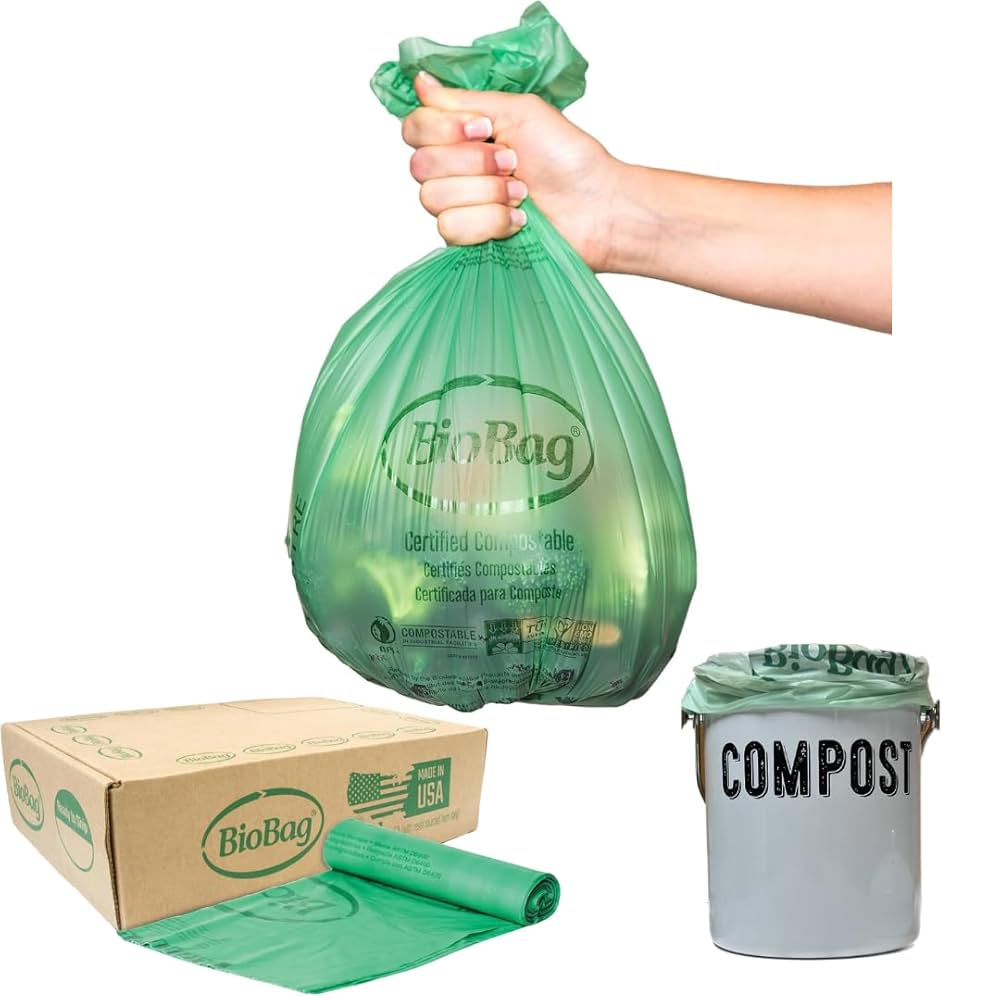
Are you ready to make your composting easier and cleaner? Choosing the right bags for your compost bin can make a huge difference.
The wrong bags might slow down the process or create a mess, while the perfect ones can help your compost break down faster and keep your space fresh. You’ll discover exactly what types of bags work best for compost bins, why they matter, and how to pick the right ones for your needs.
Keep reading to find out how a simple change can boost your compost game!
Types Of Compost Bags
Choosing the right bags for your compost bin helps keep things clean. Different bags suit different composting needs.
It is important to use bags that break down easily or can be reused. This helps reduce waste and supports the composting process.
Biodegradable Bags
Biodegradable bags break down naturally over time. They help reduce plastic waste in your compost bin.
These bags often use plant-based materials that decompose with the help of microbes.
- Break down in a few months
- Good for kitchen waste
- May leave small residues
Compostable Bags
Compostable bags are designed to fully break down in compost conditions. They turn into natural matter without harming the soil.
These bags meet standards for composting and are safe to use in home or industrial compost bins.
- Decompose completely in 90 days
- Made from materials like cornstarch
- Leave no toxic residue
Reusable Cloth Bags
Reusable cloth bags are durable and can be used many times for composting. They allow air to pass through, helping the compost process.
These bags reduce the need for single-use bags and are easy to clean after use.
- Made from cotton or mesh fabrics
- Easy to wash and reuse
- Help keep compost dry and aerated
Materials To Avoid
Using the right bags in a compost bin helps keep the process clean and effective. Some materials can harm the compost or the environment. It is important to know which bags to avoid.
This guide covers two common materials that should not be used in compost bins. Avoiding these helps maintain healthy compost and prevents pollution.
Plastic Bags
Plastic bags do not break down in compost. They stay in the soil for many years, causing harm to plants and animals. Using plastic bags in compost bins can stop the natural composting process.
- Do not use regular plastic grocery bags.
- Avoid plastic wrap or sandwich bags.
- Never use bags labeled as non-compostable plastic.
- Plastic bags can trap moisture and slow decomposition.
Non-biodegradable Liners
Some liners look like they break down but do not. These non-biodegradable liners stay intact and block air and water flow. This harms the composting process and causes bad smells.
| Type of Liner | Reason to Avoid |
|---|---|
| Plastic-based liners | Do not decompose, block airflow |
| Waxed paper liners | Contain chemicals, slow breakdown |
| Foil or metalized liners | Non-biodegradable, harmful to soil |
Benefits Of Eco-friendly Compost Bags
Eco-friendly compost bags are a smart choice for your compost bin. They help reduce waste and improve the environment.
These bags break down naturally and support a healthier composting process. Let’s explore their benefits in detail.
Reduced Waste
Using eco-friendly compost bags helps reduce the amount of waste sent to landfills. This means less pollution and a cleaner planet.
- Biodegradable materials break down easily
- Less plastic waste in the environment
- Supports sustainable practices
Improved Compost Quality
Eco-friendly bags enhance the quality of your compost. They allow better air flow, leading to rich and healthy compost.
| Benefit | Effect on Compost |
| Enhanced Aeration | Speeds up decomposition |
| Natural Breakdown | Improves soil nutrients |
| Non-toxic Materials | Safe for plants and animals |
Environmental Impact
Eco-friendly compost bags make a positive impact on the environment. They reduce the carbon footprint and promote a greener planet.
Switching to these bags is an easy way to help the earth. Consider using them in your daily composting routine.

Credit: www.amazon.ca
Top Eco-friendly Bag Brands
Choosing the right bags for your compost bin helps reduce waste. Eco-friendly bags break down faster and are safer for the environment.
Many brands make compostable bags that work well with home compost bins. These bags keep your compost neat without harming nature.
Brand A Overview
Brand A offers bags made from plant-based materials. These bags break down quickly in compost piles.
The bags are strong enough to hold food scraps and yard waste. They do not leave plastic residue in the soil.
- Made from corn starch
- Certified compostable
- Available in multiple sizes
Brand B Overview
Brand B uses recycled materials to make their compost bags. Their bags are designed to reduce landfill waste.
The bags are tear-resistant and easy to use. They help keep your compost bin clean and odor-free.
- Made from recycled plastic
- Breaks down in 6 months
- Strong and leak-proof
Brand C Overview
Brand C focuses on biodegradable bags with no toxic chemicals. Their bags are safe for all compost types.
They offer bags that fit small kitchen bins. Brand C’s bags also help reduce bad smells in compost.
- Biodegradable in home compost
- Free from harmful dyes
- Small and large bag options
How To Choose The Right Compost Bag
Choosing the right bag for your compost bin helps keep your compost neat. The right bag makes composting easier and cleaner.
Several factors affect which compost bag will work best. Look at size, strength, and cost before deciding.
Bag Size And Capacity
Pick a bag size that matches your compost bin capacity. A bag too small will fill quickly and need changing.
Using a bag that is too large can waste space and make handling harder. Measure your bin before buying bags.
- Small bags for kitchen compost bins
- Medium bags for backyard composters
- Large bags for community or garden compost bins
Durability And Strength
Compost bags must hold wet and heavy waste without tearing. Choose bags made from strong materials.
Look for bags that resist moisture and punctures. Durable bags prevent messes and last longer.
- Thick plastic bags resist tears
- Biodegradable bags break down safely
- Reinforced bags hold heavy waste better
Cost And Availability
Find bags that fit your budget and are easy to buy. Check local stores or online options.
Cheaper bags may not last long. Higher cost bags often offer better strength and breakdown features.
- Compare prices from different sellers
- Check for bulk buying discounts
- Choose bags that balance cost and quality

Credit: www.homehardware.ca
Tips For Using Compost Bags Effectively
Using the right bags for your compost bin helps keep your compost clean and efficient. Choosing good compost bags prevents leaks and odors.
These tips will guide you on placing bags properly, avoiding contamination, and keeping moisture levels right.
Proper Bag Placement
Place compost bags inside the bin so they fit snugly. This stops scraps from spilling and keeps pests out. Make sure the bag does not block airflow.
- Use bags that fit your bin size.
- Keep bags away from the bin’s air holes.
- Fold the bag edges over the bin rim for stability.
- Secure the bag so it doesn’t slip inside the bin.
Avoiding Contamination
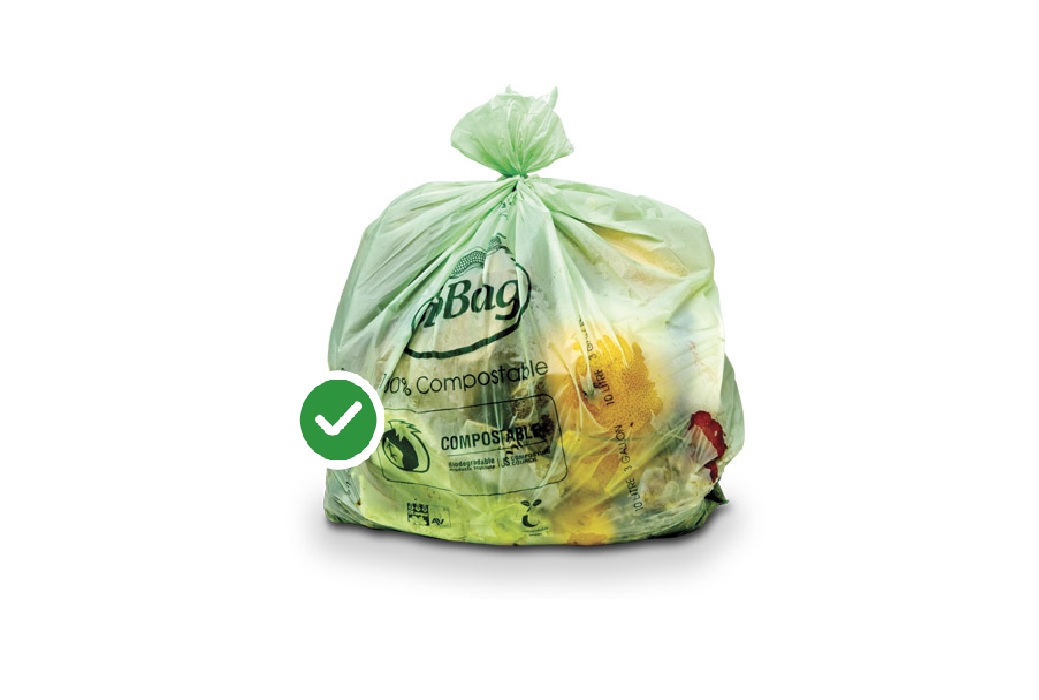
Contamination harms the composting process. Avoid putting plastic, metals, or chemicals in compost bags. Use only biodegradable or compostable bags.
| Do Not Compost | Safe to Compost |
| Plastic wrappers | Fruit scraps |
| Glass or metal | Vegetable peels |
| Oily food containers | Eggshells |
| Chemical-treated paper | Coffee grounds |
Maintaining Moisture Levels
Moisture helps break down waste in compost bags. Too much water causes soggy compost. Too little slows decomposition.
Here are tips to keep moisture balanced:
- Check bags weekly for dampness.
- Add dry leaves or paper if wet.
- Spray water lightly if too dry.
- Store compost bin in a shaded area.
Credit: www.calgary.ca
Frequently Asked Questions
What Type Of Bags Work Best For Compost Bins?
Biodegradable or compostable bags are ideal for compost bins. They break down naturally without harming the environment. Avoid plastic bags as they do not decompose and can contaminate your compost.
Can I Use Plastic Bags In A Compost Bin?
Plastic bags are not recommended for compost bins. They do not decompose and can pollute the compost. Use certified compostable or biodegradable bags to keep your compost healthy and eco-friendly.
Are Paper Bags Suitable For Composting?
Yes, paper bags are suitable for composting. They break down quickly and add carbon to the compost mix. Avoid glossy or coated paper bags as they may contain harmful chemicals.
How Do Compostable Bags Benefit The Composting Process?
Compostable bags speed up decomposition and reduce waste. They prevent leaks and keep your compost bin clean. These bags turn into nutrient-rich material, enhancing the quality of your compost.
Conclusion
Choosing the right bags helps keep your compost bin clean and healthy. Use breathable bags to allow air flow and speed up composting. Avoid plastic bags that trap moisture and cause bad smells. Biodegradable or paper bags work best for easy breakdown.
Keep your compost tidy and reduce waste with simple bag choices. This small step makes a big difference in your garden’s health. Start with the right bags and enjoy better compost every time.