
Are you ready to unlock the true power of the keyword and see how it can transform your approach? Understanding this key element can open doors you didn’t even know existed.
You’ll discover simple, clear insights that make a big difference. Keep reading to find out how you can use the keyword to boost your results and stay ahead of the game. Don’t miss out on what could be your next breakthrough.

Credit: www.arimetrics.com
Seo Basics
SEO means Search Engine Optimization. It helps websites show up in search results. Good SEO brings more visitors to your site.
Learning SEO basics helps you understand how to improve your site’s ranking. This guide explains key ideas you should know.
How Search Engines Work
Search engines find and organize information from the web. They use special software called crawlers or spiders. Crawlers visit pages and read their content.
After crawling, search engines index the pages. Indexing means storing the information so it can be searched quickly. When a user searches, the engine looks through the index to find the best matches.
- Crawling: Finding new and updated pages
- Indexing: Storing page information
- Ranking: Ordering pages by relevance and quality
Key Seo Terms To Know
| Term | Meaning |
| Keyword | The words people type in search engines |
| Backlink | Links from other websites to your site |
| Meta Description | A short summary of a webpage shown in search results |
| Title Tag | The title of a webpage that appears in the browser tab and search results |
| Organic Traffic | Visitors who find your site through unpaid search results |
| Algorithm | The rules search engines use to rank pages |
Credit: rankings.io
Keyword Research
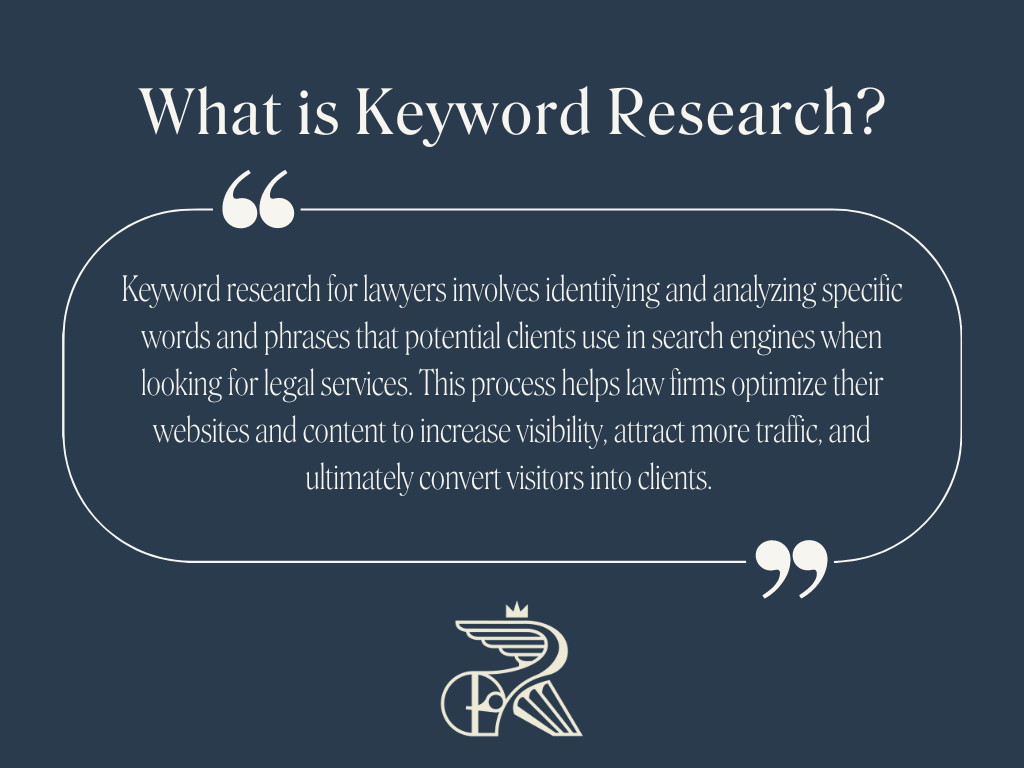
Keyword research helps you find the words people use to search online. It guides your content to reach the right audience.
Good keyword choices can improve your website’s visibility and attract more visitors.
Finding High-impact Keywords
High-impact keywords bring more traffic to your site. These are words that many people search for but with less competition.
Look for keywords that match your content and audience needs. Focus on relevance and search volume.
- Check how many people search for the keyword each month
- See how many websites use the keyword
- Choose keywords that fit your topic well
Tools For Keyword Analysis
Keyword tools help you find and analyze keywords. They show search volume, competition, and trends.
- Google Keyword Planner
- Ubersuggest
- Ahrefs Keywords Explorer
- SEMrush Keyword Magic Tool
Use these tools to compare keywords and pick the best ones for your content.
Long-tail Vs Short-tail Keywords
Short-tail keywords are short and general. They have high search volume but more competition.
Long-tail keywords are longer and more specific. They have less competition and attract targeted visitors.
- Short-tail example: “shoes”
- Long-tail example: “blue running shoes for men”
- Long-tail keywords often lead to higher conversion rates
On-page Seo
On-Page SEO helps your site rank better in search results. It focuses on optimizing elements on your website.
By improving On-Page SEO, you can make your content more visible to search engines and users.
Optimizing Title Tags And Meta Descriptions
Title tags and meta descriptions are important for search engines. They tell users and search engines what your page is about.
- Keep title tags under 60 characters.
- Include keywords in your meta descriptions.
- Write unique tags and descriptions for each page.
Using Header Tags Effectively
Header tags organize your content. They make it easier for users to read and for search engines to understand.
Ensure your main heading is an H1, and use H2 and H3 for subtopics. This hierarchy helps in content flow.
Improving Url Structure
Good URL structure is important for SEO. It should be easy to read and include keywords.
| Bad URL | Good URL |
| example.com/p=123 | example.com/on-page-seo-tips |
| example.com/2021/09/page1 | example.com/seo/guide |
Enhancing Content Quality
High-quality content is crucial for engaging users. It keeps them on your site longer and encourages sharing.
- Write clear and concise sentences.
- Use images to illustrate points.
- Update content regularly.
Technical Seo
Technical SEO helps search engines find and understand your website. It improves your site’s performance and user experience.
Good technical SEO makes your site faster, easier to use, and better indexed by search engines.
Improving Site Speed
Site speed affects how long visitors stay on your site. Faster sites get better rankings in search results.
Use optimized images and reduce unnecessary code to boost loading times.
- Compress images without losing quality
- Minimize CSS and JavaScript files
- Use a fast web hosting service
- Enable browser caching
Mobile-friendly Design
Most users browse on mobile devices. A mobile-friendly site improves user experience and SEO.
Use responsive design to make your site look good on all screen sizes.
- Use flexible images and layouts
- Ensure buttons and links are easy to tap
- Keep text readable without zooming
- Test your site on different devices
Fixing Crawl Errors
Crawl errors stop search engines from indexing your pages. Fixing them helps your site appear in search results.
Check for broken links, missing pages, and server errors regularly.
- Use tools like Google Search Console to find errors
- Fix 404 errors by redirecting or restoring pages
- Ensure your robots.txt file allows crawling
- Keep your sitemap updated and submitted
Using Structured Data
Structured data helps search engines understand your content better. It can improve your appearance in search results.
Add schema markup to highlight important information like reviews, events, and products.
- Use JSON-LD format for easy integration
- Mark up titles, prices, and ratings
- Test your structured data with Google’s tool
- Keep markup accurate and updated
Content Strategy
Content strategy helps you plan and create useful information. It guides how to reach and keep readers.
Good content needs clear goals, fresh ideas, and visuals. These keep your audience interested and coming back.
Creating Engaging Content
Engaging content catches attention and holds it. Use simple language and strong headlines.
- Write short sentences with clear ideas
- Use questions to invite readers to think
- Share stories or examples to explain points
- Include calls to action that ask readers to do something
Content Freshness And Updates
Keep content fresh by updating facts and adding new details. This builds trust and improves search rankings.
| Update Type | Frequency |
| Check facts and links | Every 3 months |
| Add new examples or data | Every 6 months |
| Rewrite outdated sections | Once a year |
Incorporating Visual Elements
Visuals make content easier to understand and more attractive. Use images, charts, and videos wisely.
- Choose clear and relevant images
- Use charts to show data clearly
- Keep videos short and focused
Link Building
Link building is a crucial part of SEO that helps improve your site’s visibility. It involves acquiring hyperlinks from other websites to your own.
Quality backlinks can boost your site’s ranking on search engines, driving more traffic and credibility.
Earning Quality Backlinks
Getting quality backlinks requires effort and strategy. Focus on creating valuable content that others want to link to.
- Publish original research and studies
- Engage with influencers in your niche
- Write informative and shareable content
Avoiding Spammy Links
Avoiding spammy links is important for maintaining a healthy website. These links can harm your site’s reputation.
| Link Type | Description |
| Paid Links | Links bought to boost SEO, often low quality |
| Link Farms | Websites created solely for linking purposes |
| Irrelevant Links | Links from unrelated websites |
Guest Posting Tips
Guest posting is an effective way to earn backlinks. It involves writing articles for other websites in your industry.
Ensure your guest post adds value to the host website. Avoid self-promotion and focus on providing useful information.
User Experience
User experience means how easy and pleasant a website feels to visitors. Good user experience keeps people coming back to your site.
This article covers ways to improve user experience by focusing on navigation, reducing bounce rates, and making your site accessible.
Improving Navigation
Clear navigation helps users find information quickly. Use simple menus and logical page order. Avoid clutter and confusing links.
- Use clear labels on menu items
- Keep navigation menus in the same place on all pages
- Add a search bar for quick access
- Limit menu items to key sections only
- Use breadcrumbs to show page location
Reducing Bounce Rates
Bounce rate is the percentage of visitors who leave your site quickly. Lowering bounce rates means more users stay and explore your content.
- Make page loading times fast
- Write clear and engaging content
- Use images and videos to keep interest
- Offer easy navigation to related pages
- Ensure your site works well on all devices
Enhancing Site Accessibility
Accessibility means everyone can use your website, including people with disabilities. Good accessibility improves overall user experience.
| Accessibility Feature | Benefit |
|---|---|
| Alt text on images | Helps screen readers describe images |
| Keyboard navigation | Allows users to navigate without a mouse |
| High contrast colors | Makes text easier to read |
| Clear font choices | Improves readability for all users |
| Video captions | Supports users who are deaf or hard of hearing |

Credit: medium.com
Seo Analytics
SEO analytics helps you see how your website performs in search engines. It shows which keywords bring visitors and how users behave on your site.
By tracking and analyzing this data, you can improve your website’s content and ranking. This guide covers three key areas of SEO analytics.
Tracking Keyword Rankings
Tracking keyword rankings means checking where your website appears in search results for specific words. It shows how well your SEO efforts work.
- Use tools like Google Search Console or third-party rank trackers
- Monitor changes weekly or monthly
- Focus on keywords that drive the most traffic
- Adjust content based on ranking trends
Using Google Analytics
Google Analytics tracks visitor behavior on your website. It shows where visitors come from and what pages they visit.
| Metric | What It Shows | Why It Matters |
| Sessions | Number of visits | Measures website traffic volume |
| Bounce Rate | Percentage of single-page visits | Shows if visitors find content useful |
| Average Session Duration | Time spent on site | Indicates visitor engagement |
| Traffic Source | Where visitors come from | Helps identify effective marketing channels |
Measuring Conversion Rates
Conversion rate is the percent of visitors who complete a desired action. This can be buying a product or signing up for a newsletter.
To improve conversion rates, focus on these points:
- Clear call-to-action buttons
- Fast website loading speed
- Easy navigation and user-friendly design
- Relevant and helpful content
Local Seo
Local SEO helps businesses appear in search results near their location. It targets customers looking for nearby products or services.
Optimizing local SEO increases visits to your store and website from local customers. It improves your online presence in your community.
Optimizing Google My Business
Google My Business (GMB) is a free tool to manage your business profile on Google. A complete GMB profile helps customers find you easily.
Keep your business name, address, and phone number accurate. Add photos and update your hours regularly.
- Use correct business category
- Write a clear business description
- Respond to customer questions and reviews
- Post updates and offers frequently
Local Citations And Reviews
Local citations are mentions of your business name, address, and phone number on other websites. They help improve local search rankings.
Collect positive reviews on Google and other sites. Reviews build trust and show your business is active.
- Submit your business to local directories
- Check consistency of your contact details
- Ask happy customers to leave reviews
- Reply to reviews politely and quickly
Targeting Local Keywords
Use keywords that include your city or neighborhood. Local keywords help search engines show your business to nearby customers.
Include these keywords in your website titles, headings, and content. Avoid overusing them to keep text natural.
- Research popular local search terms
- Add location names to page titles
- Use local keywords in blog posts
- Create content about local events or news
Seo Trends
SEO is always changing as new tools and user habits appear.
Staying updated with trends helps websites rank better and attract visitors.
Voice Search Optimization
Voice search grows fast with smart speakers and phones.
- Use natural, conversational keywords.
- Answer common questions clearly.
- Focus on local search terms.
- Improve page speed for quick answers.
Ai And Seo
AI tools help analyze data and predict search trends.
| AI Use | SEO Benefit |
| Content Analysis | Better keyword targeting |
| User Behavior Tracking | Improved user experience |
| Automated Reporting | Faster decision making |
Video Seo Strategies
Videos increase engagement and time spent on sites.
- Use clear titles and descriptions with keywords.
- Add captions and transcripts for accessibility.
- Optimize video thumbnails for clicks.
- Host videos on fast, reliable platforms.
Frequently Asked Questions
What Is The Meaning Of Keyword In Seo?
Keyword in SEO refers to specific words or phrases users type into search engines. They help websites rank higher in search results.
How To Choose The Best Keyword For My Blog?
Choose keywords with high search volume and low competition. Use tools like Google Keyword Planner for effective selection.
Why Are Keywords Important For Website Ranking?
Keywords connect your content with user searches. Proper use boosts visibility and drives targeted traffic to your site.
How To Use Keywords Effectively In Content?
Place keywords naturally in titles, headers, and throughout the text. Avoid keyword stuffing to maintain readability and SEO value.
Conclusion
Choosing the right keyword can boost your content’s reach. It helps connect your ideas with what readers want. Use keywords naturally to keep your writing clear and engaging. Remember, good keywords guide search engines and readers alike. Keep testing different keywords to find what works best.
This simple step improves your blog’s visibility and reader experience. Stay consistent and patient for the best results.