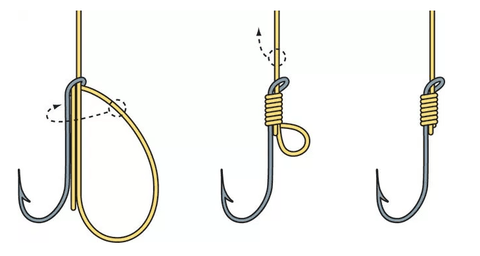
Are you ready to improve your fishing skills and catch more fish? Knowing how to attach a hook to your fishing line is one of the most important steps you need to master.
If your hook isn’t tied correctly, you could lose your catch or even your gear. But don’t worry—this guide will show you simple, reliable ways to secure your hook fast and strong. By the end, you’ll feel confident every time you cast your line.
Keep reading to discover easy techniques that will make your fishing trips more successful and enjoyable!
Choosing The Right Hook And Line
Fishing is easier when you pick the right hook and line. These two parts work together to catch fish well.
Choosing the correct hook and line depends on the fish type and fishing method. This guide helps you find the best match.
Types Of Fishing Hooks
Fishing hooks come in many shapes and sizes. Each hook type fits different fish and bait styles.
- J-Hooks: Classic shape for general fishing.
- Circle Hooks: Curve inward to hold fish better.
- Trebles: Three hooks joined, used for lures.
- Siwash Hooks: Long shank, good for artificial bait.
- Bait Hooks: Designed to hold live or dead bait well.
Selecting Suitable Fishing Line
Fishing lines vary in strength and stretch. Picking the right line helps avoid breaking and improves casting.
| Line Type | Strength | Best Use |
| Monofilament | Medium | General purpose, easy to handle |
| Fluorocarbon | High | Clear water, less visible |
| Braid | Very High | Heavy cover fishing, long casts |
Matching Hook Size To Line Strength
Match your hook size to the strength of your fishing line. Too big or small can cause problems.
- Use light line with small hooks for small fish.
- Use medium line with medium hooks for average fish.
- Use heavy line with large hooks for big fish.
- Check package labels for line strength and hook size charts.
Preparing The Fishing Line
Preparing the fishing line is an important step before attaching a hook. It ensures the line is strong and ready for tying knots securely.
This guide covers cutting and straightening the line and moistening the line for knot tying.
Cutting And Straightening The Line
Start by cutting the fishing line to the needed length. Use sharp scissors or a line cutter for a clean cut. A clean cut helps avoid fraying.
- Use sharp scissors or a line cutter.
- Cut the line to the desired length.
- Check the cut end for any frays.
- Straighten the line by gently pulling it taut.
- Remove any twists or tangles in the line.
Moistening The Line For Knot Tying
Moistening the line before tying knots reduces friction. This helps the knot tighten smoothly and prevents damage to the line.
| Why Moistening Helps | How to Moisturize |
| Prevents heat from friction | Use water or saliva |
| Keeps knots tight | Apply moisture before pulling knot |
| Protects line strength | Moisten each knot loop |
Popular Knots For Hook Attachment
Attaching a hook to your fishing line is essential. Choosing the right knot ensures the hook stays secure.
Here are some popular knots for attaching hooks. These knots are easy to learn and reliable.
Improved Clinch Knot
The Improved Clinch Knot is a favorite among anglers. It is strong and simple to tie.
This knot works well for most fishing lines. It’s best for securing hooks, lures, and swivels.
- Pass the line through the hook eye.
- Wrap it around the standing line 5-7 times.
- Thread the end back through the first loop near the eye.
- Pull the end through the big loop you just created.
- Moisten the knot and pull tight.
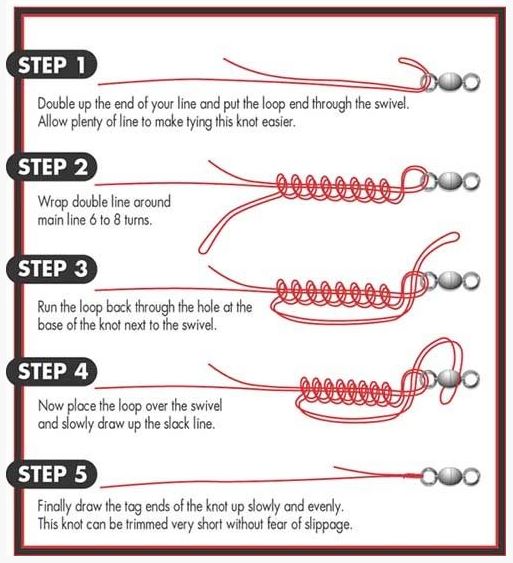
Palomar Knot
The Palomar Knot is known for its strength. It is ideal for braided lines and is very reliable.
This knot is easy to tie even in low light. It is one of the most trusted knots in fishing.
- Double the line and pass through the hook eye.
- Tie a loose overhand knot with the doubled line.
- Pass the hook through the loop.
- Moisten and pull both ends to tighten.
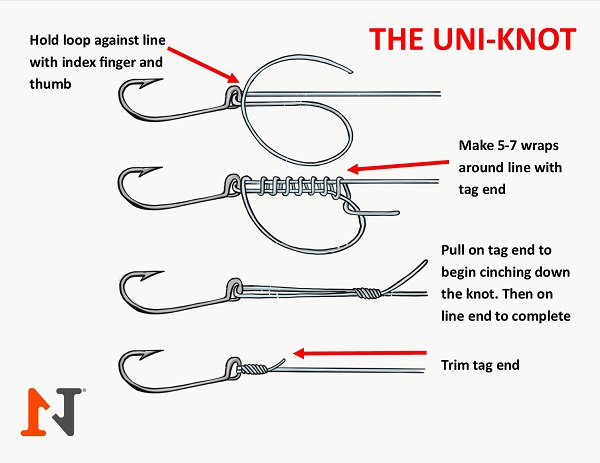
Uni Knot
The Uni Knot is versatile and easy to tie. It works well with both monofilament and braided lines.
This knot can also join two lines together. It is a great choice for all kinds of fishing.
- Pass the line through the hook eye and double back.
- Create a loop by laying the tag end over the doubled line.
- Wrap the tag end around the double line and through the loop 4-6 times.
- Moisten the knot and pull tight.
Snell Knot
The Snell Knot is excellent for circle hooks. It aligns the hook perfectly with the line.
This knot is a bit more complex but worth learning. It enhances hook-setting power.
- Pass the line through the hook eye, then behind the shank.
- Wrap the tag end around the shank and line 7-8 times.
- Pass the tag end back through the loop near the eye.
- Pull both ends to tighten the knot.
Credit: n1outdoors.com
Step-by-step Knot Tying Guide
Attaching a hook to a fishing line is easy with the right knot. This guide shows how to tie four popular knots. Each knot is strong and reliable for fishing.
Follow the instructions carefully to secure your hook and improve your fishing experience.
Tying The Improved Clinch Knot
The Improved Clinch Knot is simple and works well with monofilament lines. It holds tight and is easy to tie.
- Thread the line through the hook eye.
- Wrap the tag end around the standing line 5 to 7 times.
- Pass the tag end through the small loop near the hook eye.
- Then pass the tag end through the big loop you just made.
- Pull the tag end and standing line to tighten the knot.
- Trim the excess tag end close to the knot.
Tying The Palomar Knot
The Palomar Knot stays strong even with braided lines. It is quick to tie and very reliable.
- Double about six inches of the line and pass it through the hook eye.
- Tie a simple overhand knot with the doubled line, but don’t tighten it yet.
- Pass the hook through the loop of the overhand knot.
- Pull both the standing line and tag end slowly to tighten the knot.
- Trim the tag end close to the knot.
Tying The Uni Knot
The Uni Knot works with many lines and is easy to adjust. It holds well for hooks and lures.
- Pass the line through the hook eye and double back alongside the standing line.
- Make a loop by laying the tag end over the doubled line.
- Wrap the tag end around both lines 5 times.
- Pull the tag end to tighten the coils.
- Slide the knot down to the eye of the hook.
- Pull the standing line to secure the knot and trim the tag end.
Tying The Snell Knot
The Snell Knot keeps the hook in a straight line with the leader. It’s strong and good for big fish.
| Step | Action |
|---|---|
| 1 | Pass the tag end through the hook eye from the front. |
| 2 | Lay the tag end along the hook shank. |
| 3 | Wrap the tag end tightly around the shank and line 6 to 8 times. |
| 4 | Pass the tag end back through the loop behind the eye. |
| 5 | Pull the tag end and standing line to tighten the knot firmly. |
| 6 | Trim the tag end close to the wraps. |
Tips For Strong And Secure Knots
Attaching a hook to your fishing line is important for a good catch. Using strong knots keeps the hook from slipping off.
Learn easy ways to tie knots that hold tight and last long. This helps you fish with confidence.
Avoiding Common Mistakes
Avoid tying knots too loosely or too tight. Loose knots can slip, and tight knots can weaken the line.
Do not use old or damaged fishing line. It can break even if the knot is good.
- Wet the line before tightening the knot to reduce friction.
- Do not twist the line while tying the knot.
- Practice the knot several times before fishing.
Testing Knot Strength
After tying, pull on the hook and line to check if the knot holds. It should not slip or come undone.
Test the knot by pulling with steady force, as if you caught a fish. This helps avoid losing your catch later.
- Hold the hook firmly and pull the line slowly.
- If the knot slips, retie it using a different knot.
- Try several knots to find the strongest one for your line type.
Trimming Excess Line
Cut off extra line close to the knot. Too much extra line can get tangled or caught on weeds.
Use sharp scissors or a line cutter to make a clean cut. Leave a small tag end to keep the knot secure.
- Trim about 1/8 inch from the knot.
- Keep the tag end long enough to prevent slipping.
- Check the knot again after trimming to ensure it is tight.

Credit: www.wikihow.com
Maintaining Your Fishing Gear
Keeping your fishing gear in good shape helps you catch more fish. It also makes your gear last longer.
Regular checks and care prevent problems while you fish. Learn how to inspect and replace parts properly.
Inspecting Hooks And Lines
Check your hooks for rust, bends, or dull points. Damaged hooks can make you lose fish.
Look at your fishing line for cracks, frays, or weak spots. Weak lines break easily.
- Examine hooks for sharpness and rust
- Run your fingers along the line to find frays
- Replace any hook or line showing damage
- Test the line strength by gently pulling
Replacing Worn Out Components
Change hooks and lines that look old or damaged. Using fresh gear improves your fishing success.
Remove old hooks carefully to avoid tangles. Tie new hooks firmly to the line using strong knots.
- Cut away old line sections with damage
- Choose the right hook size for your fishing
- Use knots like the improved clinch knot
- Check your work by pulling lightly on the hook
Credit: www.beadinggem.com
Frequently Asked Questions
How Do You Tie A Hook To Fishing Line?
To tie a hook, use a strong knot like the improved clinch knot. Pass the line through the hook eye, wrap it five times, then pull tight. This ensures a secure, reliable connection that won’t slip while fishing.
What Is The Best Knot For Fishing Hooks?
The improved clinch knot is the most popular and reliable choice. It’s easy to tie, strong, and works well with most fishing lines and hooks. This knot prevents slippage and keeps the hook firmly attached during fishing.
Can I Attach A Hook Without A Knot?
No, attaching a hook without a proper knot is unsafe. The hook may slip off easily, causing lost fish and gear. Always use a secure knot to ensure the hook stays attached during casting and reeling.
How Tight Should I Pull The Fishing Line Knot?
Pull the knot tight but gently to avoid weakening the line. Use wet hands to reduce friction and tighten the knot firmly. A secure knot ensures the hook stays attached and prevents line breakage.
Conclusion
Attaching a hook to your fishing line is simple and essential. Use the right knot to keep it strong and secure. Practice tying the knot until it feels easy and natural. A good connection helps catch more fish and prevents line breaks.
Take your time, stay patient, and enjoy fishing more. Every fisherman starts with basics like this. Now, you are ready for your next fishing trip. Keep practicing and have fun on the water!