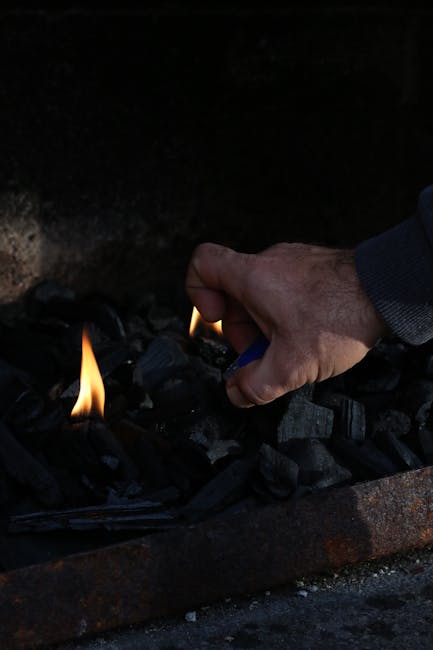
If you’re planning a backyard barbecue, getting your charcoal grill fired up quickly and safely is key. But how much lighter fluid should you actually use to get those coals glowing just right?
Using too little might leave you struggling to start the fire, while too much can be dangerous and ruin the taste of your food. You’ll discover the perfect amount of lighter fluid to use, tips for safe lighting, and tricks to keep your grill burning steady.
Keep reading, and you’ll be grilling like a pro in no time.
Choosing The Right Lighter Fluid
Using the right amount of lighter fluid helps start your charcoal grill safely. Choosing the right fluid type is important for a clean fire.
Some lighter fluids burn better and are safer than others. Knowing which fluid to use keeps your food tasting good and prevents accidents.
Types Of Lighter Fluid
Lighter fluids come in different types. The most common are petroleum-based and natural options.
- Petroleum-based fluids are easy to find and light quickly.
- Natural lighter fluids use plant oils or alcohol and are less harmful.
- Gel lighter fluids are thicker and burn slower for controlled lighting.
Safe Fluid Options
Choose fluids that burn cleanly without strong odors. Natural options like soy or citrus-based fluids are safer for health.
Use only the amount needed. Overusing fluid can cause flare-ups and unsafe flames.
- Natural plant-based lighter fluids
- Citrus-based lighter fluids
- Gel fuels designed for grilling
- Always follow package instructions for use
Avoiding Hazardous Chemicals
Avoid lighter fluids with harmful chemicals. These can leave bad tastes and release toxic fumes.
Stay away from fluids with kerosene or gasoline. These fluids burn unevenly and are unsafe for cooking.
- Do not use gasoline or kerosene
- Avoid fluids with added perfumes or dyes
- Check for non-toxic and food-safe labels
- Never add fluid to hot coals or flames

Credit: www.ebay.com
Calculating The Amount Needed
Using the right amount of lighter fluid helps start your charcoal grill safely. Too much fluid can be dangerous. Too little makes lighting slow.
This guide explains how to calculate the right amount based on your grill size and charcoal.
Grill Size And Capacity
Grill size affects how much charcoal you need. A bigger grill holds more charcoal. This means you need more lighter fluid.
Check your grill’s manual or measure the cooking area to find its capacity.
- Small grills hold about 4 to 6 pounds of charcoal
- Medium grills hold about 8 to 10 pounds
- Large grills hold 12 pounds or more
Charcoal Quantity
The amount of charcoal you use decides the fluid quantity. More charcoal needs more lighter fluid. Less charcoal needs less fluid.
Weigh your charcoal or estimate it based on the bag size. This helps you apply the right fluid amount.
- 4 pounds of charcoal for small grills
- 8 to 10 pounds for medium grills
- 12 pounds or more for large grills
Recommended Fluid-to-charcoal Ratio
Use the right ratio to avoid risks. A good rule is 1 ounce of lighter fluid for each pound of charcoal. This amount lights the charcoal well.
Do not soak the charcoal. Pour fluid evenly and wait a minute before lighting.
| Charcoal Weight (pounds) | Lighter Fluid (ounces) |
|---|---|
| 4 | 4 |
| 8 | 8 |
| 12 | 12 |
Safe Application Techniques
Using lighter fluid safely on a charcoal grill is essential. It ensures a smooth grilling experience. Follow these techniques to apply lighter fluid effectively.
Proper fluid use prevents accidents and enhances cooking results. These steps will guide you through the safe application process.
Proper Fluid Distribution
Distributing lighter fluid evenly is crucial. It helps in lighting the charcoal evenly and safely.
- Spread fluid across the charcoal pile uniformly.
- Avoid pouring too much in one spot.
- Ensure all charcoal pieces have some fluid coverage.
Timing Before Ignition
Wait for the right time before lighting the grill. This ensures safety and proper ignition.
Avoiding Overuse
Too much lighter fluid can be dangerous. It can cause flare-ups and affect the taste of your food.
| Fluid Amount | Charcoal Quantity |
| 1/4 cup | Small grill |
| 1/2 cup | Medium grill |
| 3/4 cup | Large grill |

Credit: www.lowes.com
Common Safety Mistakes
Using lighter fluid for charcoal grilling can be risky. Many accidents happen due to unsafe handling.
Knowing common safety mistakes helps you avoid fires and injuries. Always handle lighter fluid with care.
Adding Fluid To Hot Coals
Never add lighter fluid to hot or warm coals. The fluid can ignite suddenly and cause flare-ups.
Always wait until the coals are cold before applying more fluid. This prevents dangerous fire bursts.
Using Excessive Fluid
Using too much lighter fluid is very unsafe. Large amounts can cause big fires and explosions.
Apply just enough fluid to soak the charcoal lightly. Excess fluid makes fire control hard and dangerous.
- Use a small amount, about 1/4 cup for a full grill
- Wait a few minutes after applying before lighting
- Never pour fluid directly from the bottle onto lit coals
Ignoring Ventilation
Using lighter fluid in closed or poorly ventilated areas is dangerous. Gas fumes can build up and ignite.
Always grill outdoors in open spaces. Good airflow helps prevent flare-ups and reduces smoke inhalation risks.
- Do not use lighter fluid inside garages or tents
- Keep a fan or natural breeze moving air around the grill
- Make sure smoke can escape freely
Alternatives To Lighter Fluid
Using lighter fluid on charcoal grills can be quick but is not always the safest option. There are safer and cleaner ways to start your charcoal without chemicals.
These alternatives help you avoid the smell and taste that lighter fluid can leave on food. They also reduce fire risks and pollution.
Chimney Starters
A chimney starter uses air flow to light charcoal quickly and evenly. It is a metal cylinder with holes for air and a grate to hold the charcoal.
You place crumpled newspaper or natural fire starters below the chimney. Light the paper and the fire rises, lighting the charcoal above.
- No need for chemicals or lighter fluid
- Charcoal lights evenly and fast
- Easy to use and clean
Electric Starters
Electric starters use a heating element to ignite charcoal. You plug them into a power source and place the element under the charcoal.
Heat from the element slowly lights the charcoal without smoke or smell. It is a safe and reusable tool for grilling.
- No chemicals or flames needed
- Works well in all weather
- Reusable and easy to store
Natural Fire Starters
Natural fire starters are made from materials like wood, wax, or sawdust. They help start charcoal without harmful chemicals.
You can buy them or make your own at home. They burn slowly and help the charcoal catch fire easily.
- Safe and eco-friendly
- Easy to light and handle
- Often made from recycled materials
Emergency Measures For Accidents
Using lighter fluid on a charcoal grill can lead to accidents if not handled properly. Knowing what to do in an emergency helps keep everyone safe. Quick action can prevent serious injury or damage.
Keep safety tools nearby and stay calm if something goes wrong. Understanding emergency measures will help you act fast and correctly.
Handling Flare-ups
Flare-ups happen when flames suddenly get bigger. They can cause burns and damage if not controlled. Stay calm and follow safe steps to manage flare-ups.
Use a spray bottle with water to control small flames. Never throw lighter fluid on flare-ups. Keep a fire extinguisher nearby for bigger fires.
- Move food to a cooler part of the grill
- Close the grill lid to cut off oxygen
- Spray water lightly to calm flames
- Use a fire extinguisher if flames spread
First Aid Tips
If someone gets burned, act quickly. Cool the burn with cold water for at least 10 minutes. Do not use ice or very cold water.
Cover the burn with a clean, dry cloth. Avoid breaking blisters or applying creams. Keep the person comfortable and calm while waiting for help.
- Run cool water over the burn
- Cover with a sterile cloth
- Do not pop blisters
- Avoid using oils or ointments
- Keep the person warm and still
When To Seek Help
Call emergency services if the burn is large or deep. Also seek help if the person has trouble breathing or shows signs of shock. Do not wait to get medical care.
Get help quickly if the fire spreads beyond the grill. Stay safe and move away from danger while calling for help.
- Burns larger than 3 inches
- Burns on face, hands, or genitals
- Difficulty breathing or chest pain
- Fire spreading uncontrollably
- Signs of shock: pale skin, weakness
Storage And Disposal
Using lighter fluid for your charcoal grill needs care. Safe storage and proper disposal keep you and the environment safe.
This guide explains how to store lighter fluid correctly and dispose of leftovers responsibly.
Safe Storage Practices
Keep lighter fluid in a cool, dry place away from heat and flames. Store it out of reach of children and pets.
Always keep the container tightly closed to avoid spills and evaporation.
- Use original containers only
- Store in a ventilated area
- Avoid direct sunlight
- Keep away from sparks or open flames
- Do not store near food or drink
Disposing Of Leftover Fluid
Never pour lighter fluid down drains or on the ground. It can harm water and soil.
Use up leftover fluid by lighting a safe fire or take it to a hazardous waste facility.
- Check local disposal rules
- Do not mix with other chemicals
- Seal container before disposal
- Take to recycling or hazardous waste centers
Environmental Considerations
Lighter fluid contains chemicals that can pollute air, water, and soil. Use only the needed amount to reduce waste.
Choose eco-friendly charcoal starters if you want a cleaner option for grilling.
- Avoid excess fluid to prevent spills
- Dispose of fluid properly to protect wildlife
- Recycle containers if possible
- Consider natural fire starters
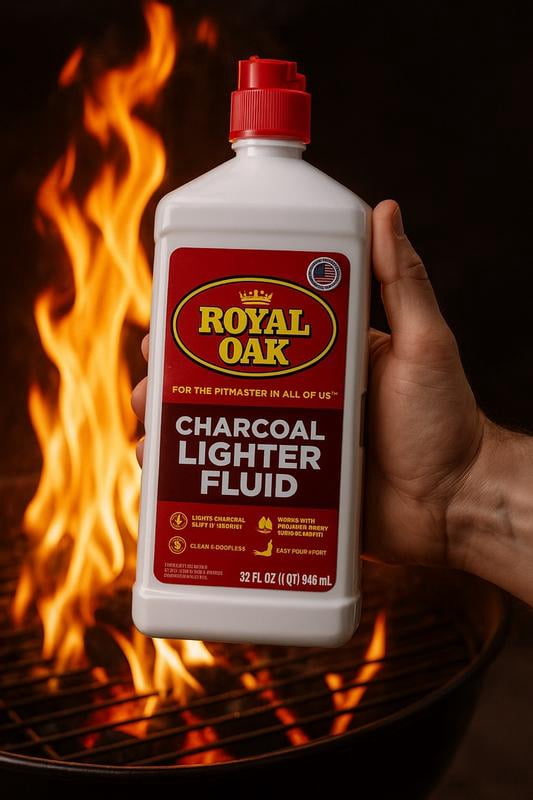
Credit: www.walmart.ca
Frequently Asked Questions
How Much Lighter Fluid Is Safe For A Charcoal Grill?
Use about 1/4 cup of lighter fluid for a standard charcoal grill. Avoid overusing fluid to prevent flare-ups and unsafe flames. Always let the fluid soak into the coals before lighting to ensure safe ignition and consistent heat.
Can Too Much Lighter Fluid Damage My Grill?
Yes, excess lighter fluid can create dangerous flare-ups and toxic fumes. It may also leave a chemical taste on your food. Use only the recommended amount and allow the fluid to burn off completely before cooking.
How Long Should I Wait After Applying Lighter Fluid?
Wait about 2 to 3 minutes after applying lighter fluid before lighting. This allows the fluid to soak into the charcoal evenly. Lighting immediately can cause dangerous flames and uneven burning.
Is Lighter Fluid Necessary For Starting Charcoal?
Lighter fluid is helpful but not necessary. Alternatives like chimney starters or electric starters can light charcoal safely without chemicals. These methods provide a cleaner, safer way to start your grill.
Conclusion
Using the right amount of lighter fluid keeps your grill safe and efficient. Too much fluid can cause flare-ups and affect food taste. Always pour a small, even layer over the charcoal. Let the fluid soak in before lighting the fire.
This method helps the coals burn steadily and hot. Remember, safety matters most when grilling. Enjoy your cookout with confidence and care.