
Are you thinking about starting a raised garden but not sure how many beds you really need? Choosing the right number of raised garden beds can make all the difference in your gardening success.
Too few, and you might run out of space for your favorite plants. Too many, and you could end up overwhelmed and wasting time. You’ll discover simple ways to decide exactly how many raised beds will fit your space, your goals, and your lifestyle.
By the end, you’ll feel confident and ready to grow your best garden yet. Keep reading—you’re closer to the perfect garden setup than you think!
Assessing Your Space
Before building raised garden beds, check your available space carefully. Knowing your area helps you decide how many beds fit well.
Think about sunlight, soil, and size. These factors affect your garden’s success and how many beds you need.
Measuring Available Area
Start by measuring the total space where you want to place your raised beds. Use a tape measure to get length and width.
- Mark the boundaries of the garden area
- Note any obstacles like trees or walkways
- Decide how much space you want between beds for walking
- Calculate the total square footage available
Considering Sunlight And Shade
Sunlight is key for plant growth. Observe where the sun hits your space during the day.
| Time of Day | Sunlight Exposure |
| Morning | East side gets direct light |
| Afternoon | South side is brightest |
| Evening | West side has shade |
Choose bed locations with at least 6 hours of sunlight. Avoid areas under large trees or heavy shade.
Evaluating Soil Quality
Check your soil before building beds. Good soil helps plants grow better and reduces extra work.
- Look for soil texture: sandy, clay, or loamy
- Test soil drainage by digging a small hole and filling it with water
- Check for weeds or debris in the soil
- Consider getting a soil test for pH and nutrients
Determining Garden Goals
Deciding how many raised garden beds you need starts with knowing your garden goals. Your choices will shape the size and number of beds.
Think about what you want to grow and how much space each plant requires. Planning ahead helps avoid overcrowding and wasted space.
Types Of Plants To Grow
Different plants need different amounts of space and care. Leafy greens take less room, while root vegetables need deeper beds.
- Leafy greens like lettuce and spinach
- Root vegetables such as carrots and beets
- Fruit-bearing plants like tomatoes and peppers
- Herbs including basil, parsley, and thyme
Expected Harvest Volume
Estimate how much produce you want to harvest each season. This helps decide how many beds you need to meet your goals.
| Produce Type | Space Needed per Plant | Plants per 4×8 Bed |
| Lettuce | 6 inches | 64 |
| Tomatoes | 24 inches | 8 |
| Carrots | 3 inches | 128 |
| Peppers | 18 inches | 12 |
Seasonal Planting Plans
Plan what you will plant each season. Some beds can be used for spring crops and others for summer or fall crops.
- Spring: peas, lettuce, radishes
- Summer: tomatoes, peppers, cucumbers
- Fall: kale, broccoli, carrots
Choosing Bed Size And Shape
Deciding on the number of raised garden beds can be tricky. Bed size and shape are crucial for a successful garden.
Consider your space and gardening goals. Different sizes and shapes fit different needs.
Standard Dimensions
Most raised garden beds are 4 feet wide. This width allows you to reach the center from either side.
Common lengths are 4 to 8 feet. Choose a length that fits your space and planting plan.
- Width: 4 feet
- Length: 4 to 8 feet
- Height: 6 to 12 inches
Customizing For Accessibility
Gardening should be easy for everyone. Customize your beds for accessibility if needed.
Consider taller beds for easy access. This helps those with mobility issues.
- Taller beds reduce bending
- Paths between beds for wheelchairs
- Handrails for support
Maximizing Space Efficiency
Make the most of your garden area. Arrange beds to use all available space.
Choose shapes that fit your garden. L-shapes or U-shapes can be efficient.
| Shape | Efficiency |
| Square | Simple layout |
| L-Shape | Good for corners |
| U-Shape | Maximizes central space |

Credit: www.sproutboxgarden.com
Calculating Number Of Beds
Knowing how many raised garden beds to build helps you grow enough plants.
We will look at three ways to calculate the right number of beds for your garden.
Based On Plant Spacing
Each plant needs space to grow. You can use this to find out how many plants fit in one bed.
Measure the length and width of your bed. Divide the bed area by the space each plant needs.
- Check seed packets for spacing info
- Allow room for walking paths
- Do not overcrowd plants to avoid disease
Crop Rotation Needs
Crop rotation keeps soil healthy. You change what you grow in each bed every season.
| Crop Type | Rotation Group | Reason |
| Tomatoes | Nightshades | Prevent soil pests |
| Carrots | Root Vegetables | Improve soil nutrients |
| Beans | Legumes | Add nitrogen to soil |
| Cabbage | Leafy Greens | Reduce soil disease |
Plan enough beds to rotate groups without repeating crops in the same bed each year.
Companion Planting Strategies
Some plants grow better together. Others should stay apart. This affects bed layout and number.
- Plant basil near tomatoes to improve flavor
- Keep onions away from beans
- Mix flowers to attract pollinators
- Group plants with similar water needs
Use companion planting to group crops wisely and decide how many beds you need.
Materials And Cost Considerations
Deciding how many raised garden beds you need depends on materials and costs. These factors affect your budget and garden size.
Choosing the right materials and planning expenses helps you build efficient beds that last. Let’s look at common materials and costs.
Common Materials For Beds
Raised garden beds use different materials, each with pros and cons. Wood is popular, but metal and stone work well too.
- Wood: Easy to work with and affordable
- Metal: Durable and modern-looking
- Stone: Long-lasting but more expensive
- Composite: Made from recycled materials, resistant to rot
Choose materials based on your budget, style, and how long you want the beds to last.
Budgeting For Construction
Calculate costs by measuring the size and number of beds. Material prices vary widely. Wood is usually cheapest.
Don’t forget costs for soil, screws, and tools. These add to the total budget for each raised bed.
- Wood beds cost less but may need replacement
- Metal beds cost more but last longer
- Stone beds have highest upfront cost
- Include soil and accessories in your budget
Long-term Maintenance Costs
Some materials need more care over time. Wood may need sealing or replacement. Metal can rust without care.
Maintenance costs affect how many beds you can afford in the long run. Choose materials that fit your upkeep plans.
- Wood: Treat every 2-3 years to prevent rot
- Metal: Inspect for rust and repaint if needed
- Stone and composite require little upkeep
- Regular maintenance extends bed lifespan

Credit: www.epicgardening.com
Layout And Design Tips
Planning your raised garden beds carefully helps you make the best use of space. Good layout and design improve both access and appearance.
Consider how you will move around your garden and how the beds will look in your yard. This guide covers key tips on arranging beds, adding pathways, and enhancing aesthetics.
Arranging Beds For Access
Place your raised beds so you can reach all plants easily. Avoid making beds too wide. Keep paths between beds wide enough for walking and carrying tools.
- Space beds no wider than 4 feet for easy reach.
- Leave at least 18 inches between beds for small paths.
- Consider wheelchair or cart access with 36-inch paths.
- Align beds to get the best sunlight during the day.
Incorporating Pathways
Paths help you move around and keep the garden tidy. Use materials like mulch, gravel, or stepping stones to create clear walkways.
| Path Material | Benefits | Drawbacks |
| Mulch | Soft, natural look | Needs regular topping |
| Gravel | Good drainage, stable | Can be sharp on bare feet |
| Stepping Stones | Easy to clean, decorative | May shift if not set well |
Aesthetic Enhancements
Make your garden a pleasant place by adding decorative touches. Color, texture, and neatness improve the look of your raised beds.
- Paint beds in soft colors
- Plant flowers along bed edges
- Use uniform bed shapes and sizes
- Add garden art like small statues or signs
Adjusting Plans Over Time
Starting a raised garden bed is exciting. As plants grow, your garden needs will change. Adjusting your plans helps keep your garden healthy and productive.
Watch your garden closely and be ready to make changes. This can mean adding more beds or shrinking the space you use. Flexibility is key to a thriving garden.
Monitoring Plant Growth
Check your plants regularly. Look for signs of healthy growth or stress. Keep notes about which plants do well and which need more space or care.
- Measure plant height and spread weekly
- Record dates of flowering and fruiting
- Note any pest or disease problems
- Observe soil moisture and nutrient levels
Expanding Or Reducing Beds
You may find your current number of beds is too small or too large. Adjust the size by adding or removing beds based on your needs.
| Action | When to Do It | Benefits |
| Add Beds | Plants need more space or variety | More growing area, better crop rotation |
| Reduce Beds | Less time to maintain or fewer plants | Less work, easier care |
| Rearrange Beds | Improve sunlight or access | Better plant health, easier harvesting |
Adapting To Changing Needs
Your garden needs will change with seasons and experience. Adjust your garden plan to fit these changes for better results.
Tips to Adapt Your Garden
- Switch crops based on what grows well
- Change bed size or shape for easier care
- Try new planting techniques or materials
- Plan for weather changes and pests
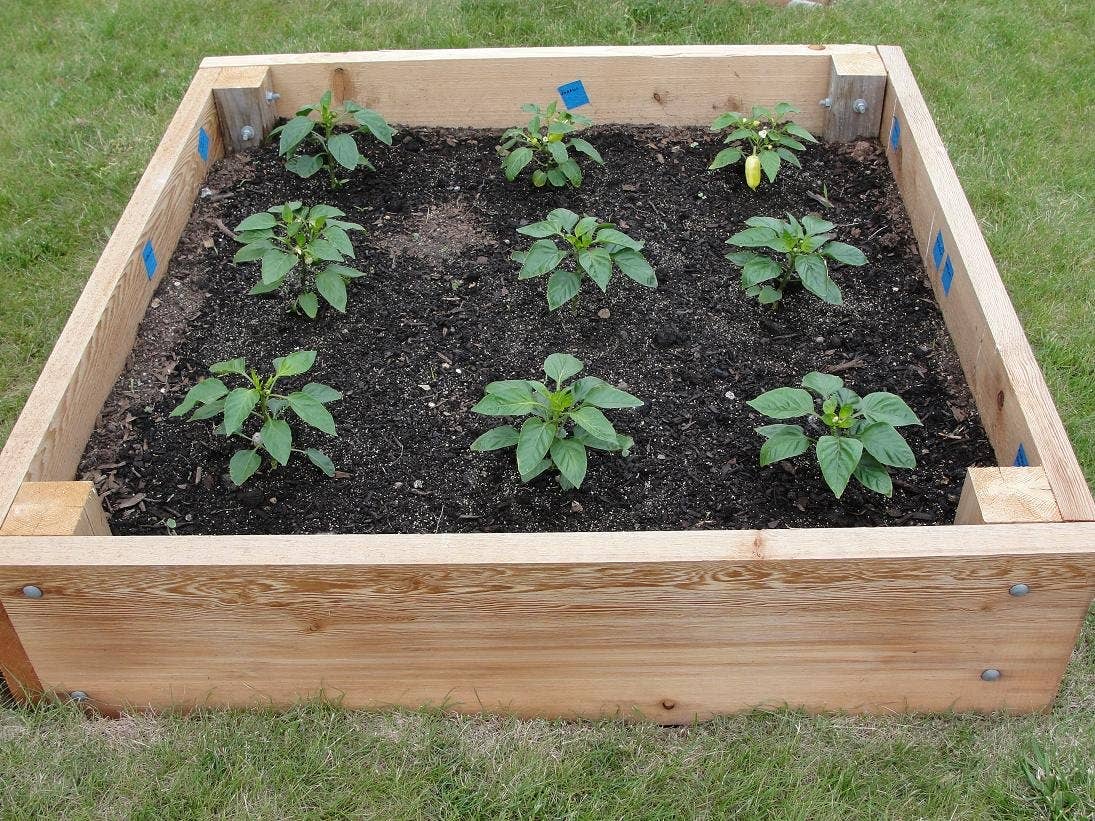
Credit: dengarden.com
Frequently Asked Questions
How Many Plants Fit In One Raised Garden Bed?
A standard raised garden bed (4×8 feet) fits about 12-16 medium plants. Spacing depends on plant size and type. Proper spacing ensures healthy growth and airflow.
What Size Is Ideal For A Raised Garden Bed?
A 4×8 feet bed is ideal for most gardeners. It offers enough space for diverse plants. It’s also easy to reach from all sides.
How Much Soil Is Needed Per Raised Bed?
A 4×8 feet bed, 12 inches deep, requires about 1. 5 cubic yards of soil. Quality soil mix improves plant health and yield.
Can I Grow Vegetables In Multiple Raised Beds?
Yes, multiple beds allow crop rotation and better pest control. They also make managing different plants easier and more efficient.
Conclusion
Choosing the right number of raised garden beds depends on your space and needs. Start small and add more as you grow confident. Think about what you want to plant and how much time you have. Remember, managing fewer beds is easier for beginners.
Growing your own food brings joy and fresh flavors. Planning carefully helps you enjoy gardening without stress. Your garden will thrive with the right balance of beds and care. Happy planting!