Have you ever wondered if you can toss those leftover corn cobs straight into your compost bin? It’s a common question for anyone trying to reduce waste and nurture their garden naturally.
You might be unsure if corn cobs break down quickly enough or if they could cause problems in your compost mix. Keep reading, because understanding how corn cobs behave in compost can help you make smarter choices for your bin—and your garden’s health.
Let’s dive into what you need to know before adding those stubborn cobs to your compost pile.
Corn Cobs And Composting
Corn cobs are the hard, woody parts left after removing the kernels. Many gardeners wonder if corn cobs can go into compost bins. Composting is a good way to recycle organic waste and help plants grow.
This article explains how corn cobs break down and what nutrients they add to compost. Knowing this helps you decide if corn cobs belong in your compost pile.
Biodegradability Of Corn Cobs
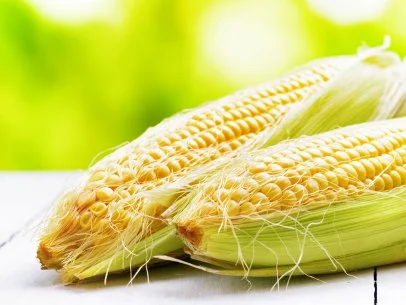
Corn cobs are mostly made of tough fiber and lignin. These materials take longer to break down than soft plant parts. Composting corn cobs needs more time and good conditions.
Cutting or breaking corn cobs into small pieces helps speed up the process. Corn cobs also need enough moisture and heat to decompose well.
- Corn cobs decompose slowly in compost
- Smaller pieces break down faster
- Keep compost moist and warm
- Mix cobs with softer materials
Nutrient Content In Corn Cobs
Corn cobs have some nutrients but less than other plant parts. They mainly add carbon, which helps balance compost. Carbon-rich materials support microbes that break down waste.
Corn cobs add structure to compost but do not supply many minerals. Mixing corn cobs with nitrogen-rich materials creates good compost for plants.
- High in carbon, low in nitrogen
- Provides bulk and air space
- Supports healthy compost microbes
- Not a major source of minerals
Credit: www.hgtv.com
Benefits Of Composting Corn Cobs
Corn cobs can be added to a compost bin safely. They break down slowly, adding valuable nutrients to compost.
Using corn cobs helps create rich soil that supports plant growth. They add bulk and improve compost quality.
Improving Soil Structure
Corn cobs add organic matter to soil. This helps soil hold water better and stay loose.
Good soil structure lets roots grow deeper. It also reduces soil erosion and compaction.
- Increases soil aeration
- Improves water retention
- Makes soil easier to work with
Enhancing Microbial Activity
Corn cobs provide food for helpful microbes in compost. These microbes break down waste into nutrients.
More microbes mean faster composting. Healthy microbes also protect plants from diseases.
- Feeds bacteria and fungi
- Speeds up nutrient cycling
- Supports beneficial soil life
Preparing Corn Cobs For Compost
Composting corn cobs can enrich your soil. Proper preparation is key. Corn cobs are great for compost, but they need some work first.
Let’s explore how to prepare them effectively. This guide will help you get started.
Chopping And Breaking Down
Breaking down corn cobs speeds up composting. Smaller pieces decompose faster. This makes your compost ready sooner.
- Use a sharp knife to cut the cobs into smaller sections.
- A garden shredder can also help break them down.
- Ensure pieces are about 1–2 inches long.
Balancing Green And Brown Materials
Balancing green and brown materials is crucial. Corn cobs are brown materials. You need green materials for a healthy compost.
Consider mixing corn cobs with:
- Grass clippings
- Fruit scraps
- Vegetable peels
| Material Type | Examples |
| Brown | Corn cobs, dry leaves |
| Green | Fruit scraps, grass clippings |
Challenges With Corn Cobs In Compost
Corn cobs are a common kitchen waste. Many wonder if they can add them to a compost bin. There are some challenges to consider before composting corn cobs.
This article looks at two main problems: the slow decomposition of corn cobs and how they attract pests.
Slow Decomposition Rate
Corn cobs are very tough and dry. They break down slowly in a compost bin. This can cause problems for people wanting quick compost.
- Corn cobs have a hard outer layer that resists breaking down.
- They take many months to fully decompose.
- Large pieces slow the composting process.
- They need to be chopped into small pieces for faster decay.
- Moisture and heat must be high to help break them down.
Attracting Pests
Corn cobs can attract unwanted pests to the compost bin. This is a concern for many gardeners.
| Pest | Reason for Attraction |
| Rats | Leftover bits of corn on cobs |
| Raccoons | Smell of decomposing corn |
| Insects | Moist and soft parts in the compost |
Tips For Effective Composting
Composting is a great way to recycle kitchen and garden waste. Corn cobs can go into your compost bin, but they need some care.
To get the best results, keep your compost moist and turn it often. These steps help break down tough materials like corn cobs.
Maintaining Moisture Levels
Moisture helps microbes break down compost materials. Corn cobs are dry and can absorb water from the pile.
Check your compost often. If it feels dry, add water evenly. Avoid soaking it too much, or it will smell bad.
- Feel the compost: it should be as moist as a wrung-out sponge.
- Add water in small amounts if dry.
- Cover compost to keep moisture in.
- Mix in wet scraps like vegetable peels.
Turning The Compost Regularly
Turning your compost mixes the materials and adds air. This speeds up the breakdown of corn cobs and other items.
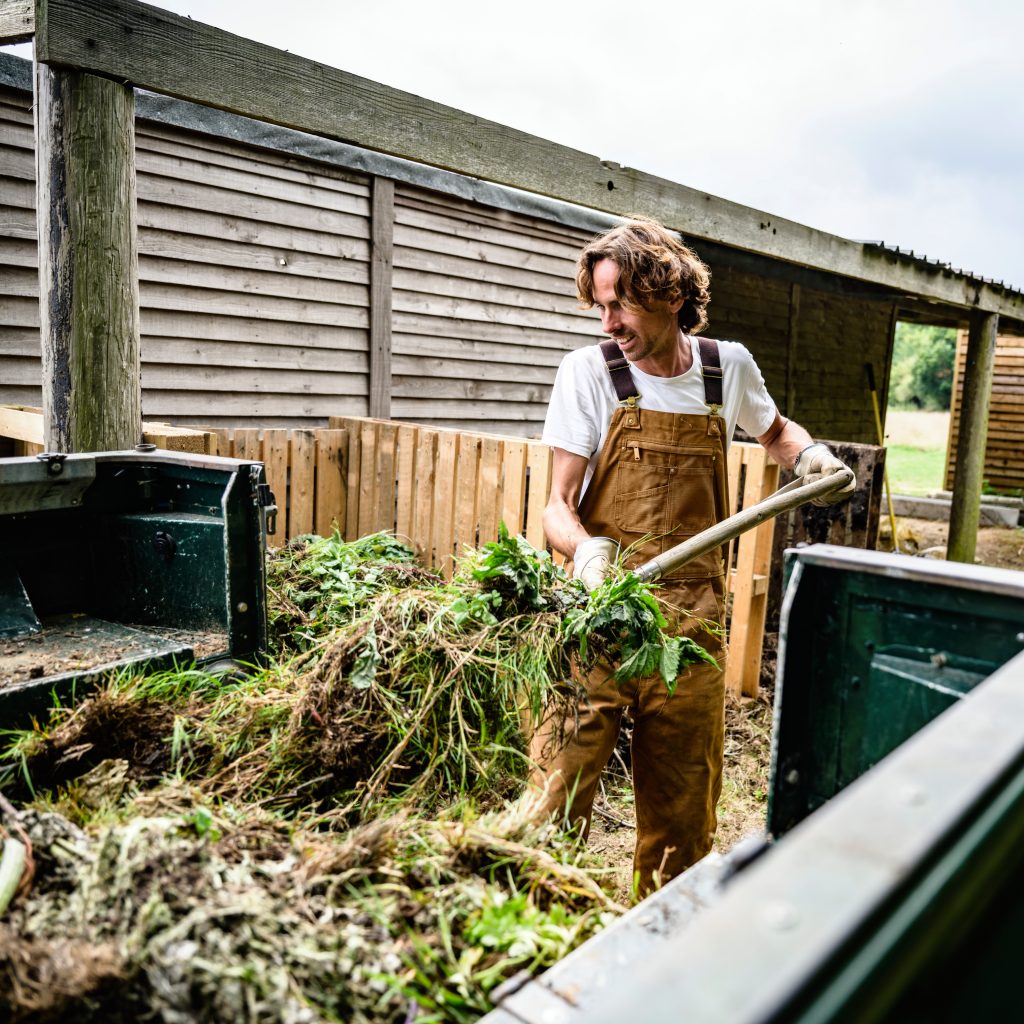
Use a pitchfork or shovel to turn the pile every one to two weeks. This stops bad smells and helps heat build up.
- Turn compost every 7 to 14 days.
- Move outer materials to the center.
- Break up large pieces of corn cobs if possible.
- Check moisture while turning and add water if needed.

Credit: www.reddit.com
Alternatives For Corn Cob Disposal
Corn cobs can be tricky to dispose of. They do not break down fast in compost bins. This means you need other ways to reuse or recycle them.
Here are some practical ideas to give your corn cobs a second life. These options help reduce waste and benefit your garden or home.
Using As Mulch
Corn cobs can be chopped and used as mulch in your garden. Mulch helps keep soil moist and stops weeds from growing.
- Break corn cobs into small pieces for better coverage.
- Spread pieces around plants to protect roots.
- Replace mulch when it starts to break down.
- Avoid piling mulch too close to plant stems.
Repurposing For Crafts Or Animal Bedding
Corn cobs can be used in craft projects or as bedding for some animals. They are absorbent and can add texture or comfort.
| Use | Description |
| Crafts | Carve or paint corn cobs for decoration. |
| Animal Bedding | Use chopped cobs for small pet bedding. |
| Fire Starters | Dry cobs can help start campfires safely. |

Credit: www.youtube.com
Frequently Asked Questions
Can Corn Cobs Be Composted In A Home Bin?
Yes, corn cobs can be composted in a home bin. They break down slowly due to high lignin content. Cutting them into smaller pieces speeds up decomposition and improves compost quality.
How Long Do Corn Cobs Take To Decompose?
Corn cobs typically take several months to a year to fully decompose. Breaking them into smaller pieces and mixing with green waste accelerates the process in a compost bin.
Should You Cut Corn Cobs Before Composting?
Yes, cutting corn cobs into smaller pieces helps speed up decomposition. Smaller pieces increase surface area, allowing microbes to break them down faster in the compost bin.
Do Corn Cobs Attract Pests In Compost Bins?
Corn cobs can attract pests if not properly managed. Ensure the compost bin is well balanced and covered to minimize pests like rodents or insects.
Conclusion
Corn cobs can go into your compost bin, but they need time. Break them into small pieces to help them break down faster. They add valuable carbon to the compost mix. Avoid adding too many at once to keep balance.
Turning your compost often speeds up the process. In the end, corn cobs help create rich soil for your garden. Patience is key. Composting is a simple way to reduce waste and improve your garden’s health. Give it a try and watch your plants thrive.