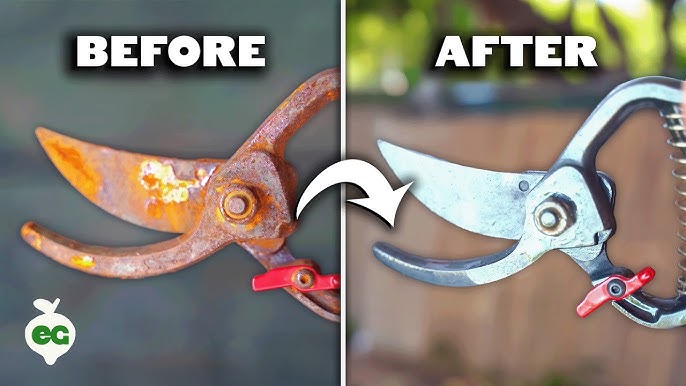
If you want your pruning shears to work smoothly and last longer, keeping them clean is key. Dirty blades can cause rust, spread plant diseases, and make cutting harder.
But don’t worry—cleaning your shears is easier than you think. You’ll learn simple steps to make your pruning tools sharp, safe, and ready for every gardening task. Stick with me, and you’ll never struggle with sticky, rusty shears again.
Choosing The Right Cleaning Tools
Cleaning pruning shears helps keep them sharp and rust-free. Using the right tools makes cleaning easier and protects the blades.
It is important to pick tools that do not damage the metal or handles. Good tools help maintain your shears for a long time.
Essential Supplies For Shear Maintenance
Gather basic supplies to clean and care for your pruning shears. These tools help remove dirt and sap safely.
- Soft cloths or rags for wiping blades
- Small brush or old toothbrush to clean crevices
- Steel wool or fine sandpaper to remove rust spots
- Protective gloves to avoid cuts and skin irritation
- Lubricating oil to keep moving parts smooth
Types Of Cleaning Agents To Use
Choose cleaning agents that remove sap and dirt without harming the metal. Avoid harsh chemicals that can damage the shears.
- Warm soapy water for general cleaning
- Rubbing alcohol to disinfect and remove sticky residue
- White vinegar to dissolve rust and mineral buildup
- Lemon juice as a natural cleaner for light rust
- WD-40 or similar spray for lubrication and rust prevention
Step-by-step Cleaning Process
Cleaning pruning shears keeps them sharp and safe to use. Dirt and sap can build up on the blades. This slows down your work and may cause rust.
Follow these steps to clean your pruning shears well. Each step helps keep your tools in great shape for the garden.
Removing Debris And Sap
Start by removing dirt and sticky sap from the blades. This step prevents damage and keeps the blades working smoothly.
- Use a stiff brush to scrub off dirt and plant bits.
- Apply rubbing alcohol or a sap remover to the blades.
- Wipe the blades clean with a soft cloth.
- Repeat if sap remains sticky.
Disinfecting The Blades
Disinfecting kills germs that can harm plants. Use a safe cleaner to keep your garden healthy.
Follow these tips for disinfecting:
- Mix one part bleach with nine parts water.
- Dip the blades in the solution for 5 minutes.
- Rinse blades with clean water after soaking.
- Dry blades completely with a towel.
Sharpening Tips For Optimal Performance
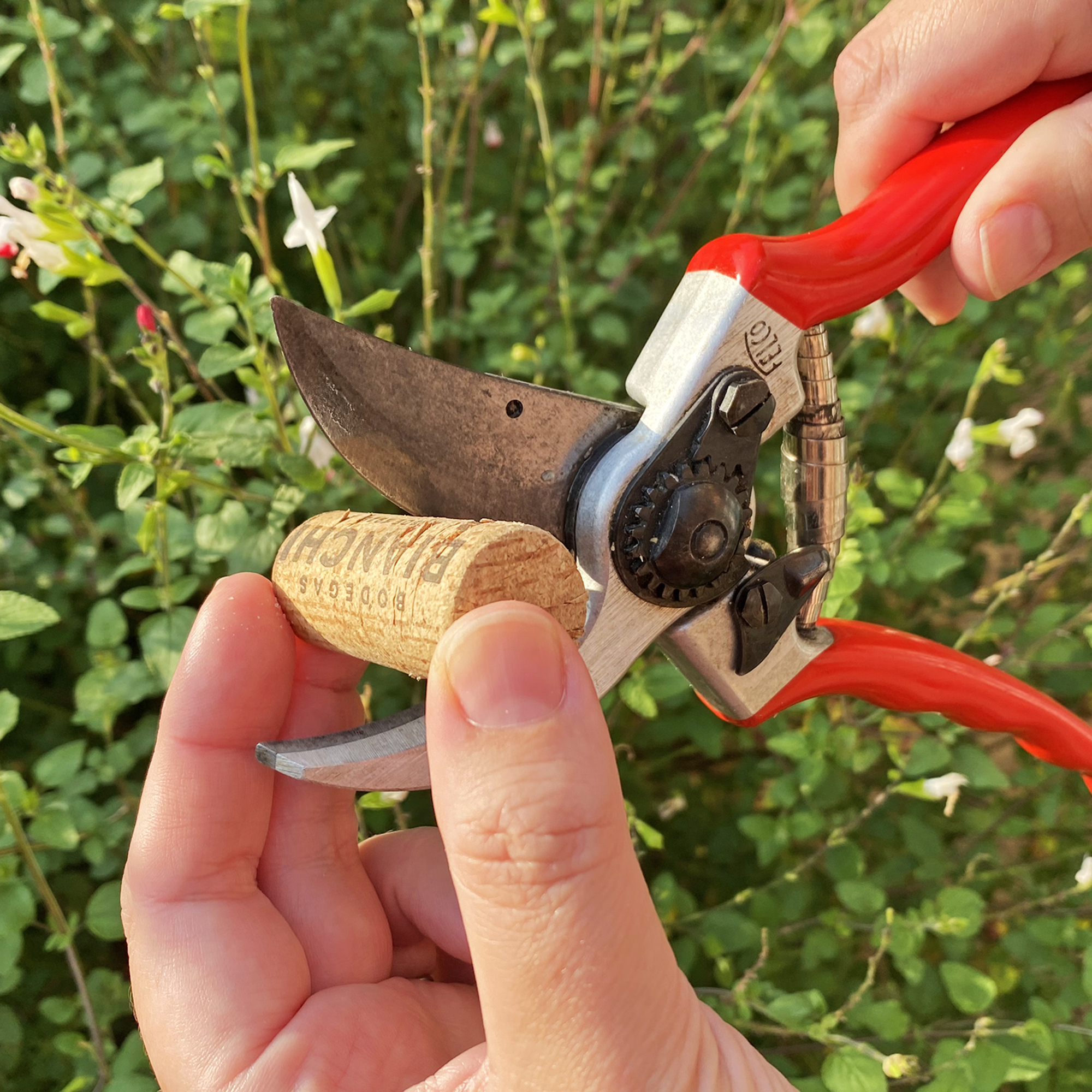
Sharp blades cut cleanly and reduce plant damage. Regular sharpening keeps shears working well.
| Tool | Sharpening Method | Frequency |
| Flat file | Stroke along blade edge | After every 10 uses |
| Sharpening stone | Rub in circular motion | Monthly |
| Diamond sharpener | Light strokes on blade | When blades feel dull |
Preventing Rust And Corrosion
Pruning shears are exposed to moisture and plant sap. This can cause rust and corrosion over time.
Cleaning and caring for your shears helps them last longer and work better.
Proper Drying Techniques
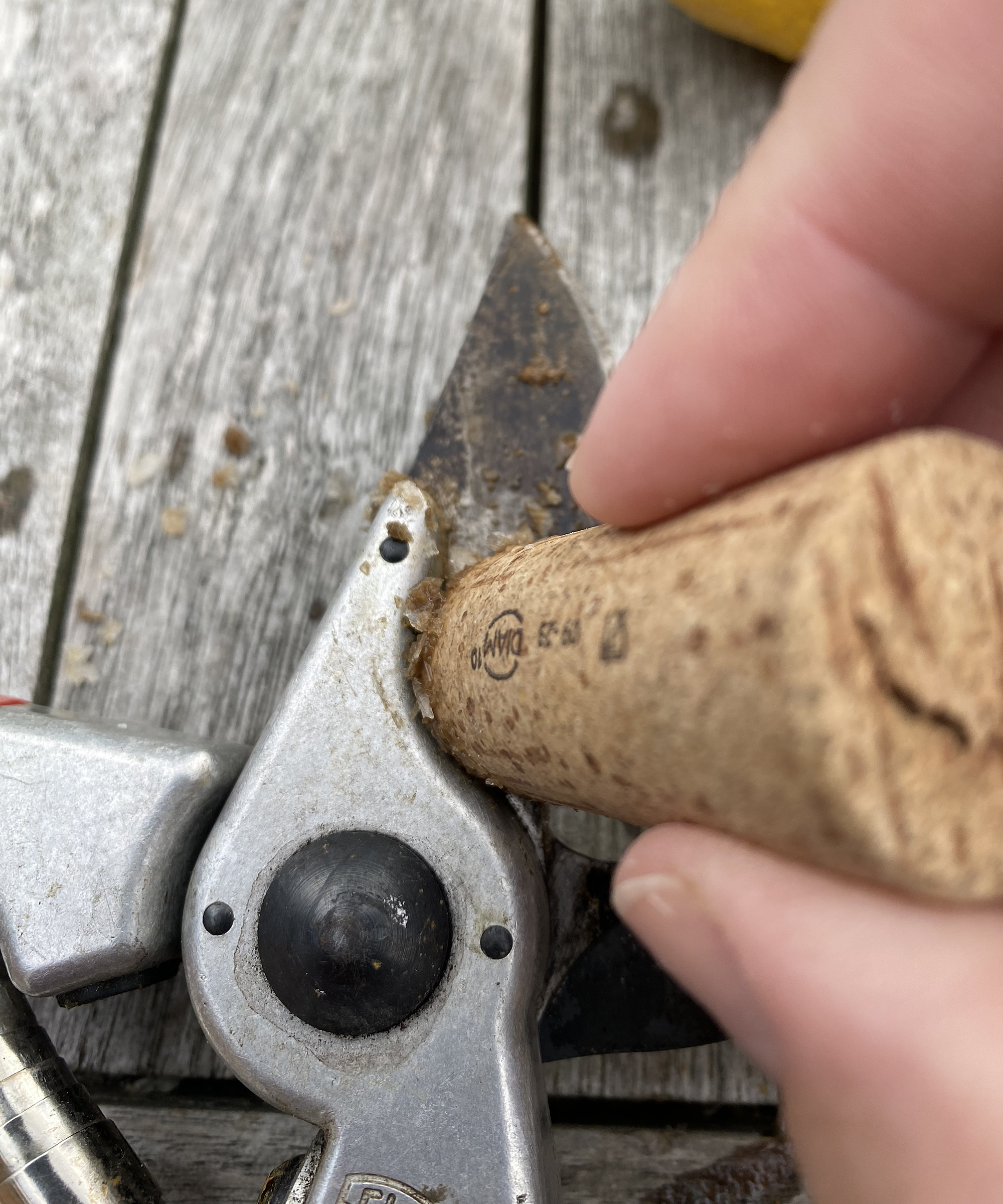
After cleaning your pruning shears, dry them carefully to stop rust from forming. Water left on the blades can cause damage.
Use a clean cloth to wipe all parts dry. Open the shears slightly to dry hard-to-reach areas.
- Wipe blades and handles thoroughly
- Use a dry towel or cloth
- Let shears air dry in a warm, dry place
- Do not store shears while damp
Applying Protective Coatings
Applying a protective coating stops moisture from touching metal parts. This helps prevent rust and corrosion.
Light oils or sprays work well to keep pruning shears safe. Apply a thin layer on blades and moving parts.
- Use machine oil or garden tool oil
- Apply a small amount with a cloth or brush
- Wipe off any excess oil
- Reapply oil regularly after cleaning
Credit: www.gardeningknowhow.com
Regular Maintenance Schedule
Keeping pruning shears clean helps them last longer. It also makes cutting easier and safer.
Follow a regular schedule to clean and care for your shears. This prevents rust and buildup of sap.
Daily After-use Care
Clean your pruning shears after each use to remove dirt and sap. This stops rust and keeps blades sharp.
- Wipe blades with a dry cloth to remove debris.
- Use soapy water for sticky sap and rinse well.
- Dry blades completely before storage.
- Apply a light coat of oil to the blades to prevent rust.
- Check and tighten any loose screws or bolts.
Seasonal Deep Cleaning
Deep cleaning your shears every few months removes hidden dirt and rust. It also helps maintain blade sharpness.
| Cleaning Task | Materials Needed | Notes |
| Disassemble Shears | Screwdriver, cloth | Keep parts safe and organized |
| Soak Blades | Warm soapy water | Soak for 10-15 minutes |
| Remove Rust | Steel wool or fine sandpaper | Rub gently to avoid damage |
| Sharpen Blades | Sharpening stone or file | Follow blade angle carefully |
| Lubricate Joints | Light machine oil | Apply to pivot points |
| Reassemble Shears | Tools from disassembly | Check for smooth operation |
Troubleshooting Common Issues
Pruning shears are essential for garden maintenance. They need regular cleaning to work well. Sometimes, they face common issues that need fixing.
Let’s explore how to resolve these issues effectively.
Fixing Stiff Or Sticky Blades
If pruning shears feel stiff or sticky, they need attention. Clean them to ensure smooth operation.
- First, soak blades in warm soapy water.
- Scrub gently with a brush to remove dirt.
- Dry completely with a soft cloth.
- Apply a few drops of oil to the pivot point.
- Open and close blades to distribute the oil.
Handling Blade Damage And Wear
Blades can become damaged or worn with use. Inspect regularly to prevent serious issues.
| Issue | Solution |
| Nick in blade | Use a sharpening stone to smooth |
| Dull edges | Sharpen with a file |
| Rust spots | Rub with steel wool and oil |

Credit: www.gardeningknowhow.com
Credit: www.gardeningknowhow.com
Frequently Asked Questions
How Often Should I Clean Pruning Shears?
Clean pruning shears after every use to prevent rust and disease spread. Regular cleaning ensures sharpness and prolongs tool life. Wipe blades with a cloth and use rubbing alcohol for thorough disinfection.
What Materials Do I Need To Clean Pruning Shears?
You need a clean cloth, warm soapy water, rubbing alcohol, steel wool or sandpaper, and oil. These materials help remove sap, dirt, and rust. Proper tools ensure effective cleaning and maintenance.
Can I Use Household Cleaners On Pruning Shears?
Avoid harsh household cleaners as they can damage the blades. Use mild soap and water or rubbing alcohol instead. These are safe and effective for cleaning without harming the metal.
How Do I Remove Sap From Pruning Shears?
Use warm soapy water and a cloth to soften sap. For stubborn sap, gently scrub with steel wool or use rubbing alcohol. This method protects the blade while removing sticky residue.
Conclusion
Cleaning pruning shears keeps them sharp and working well. Regular care stops rust and plant diseases. A quick clean after each use saves time later. Use soap, water, and oil to protect blades. Sharp tools make pruning easier and safer.
Take a few minutes to clean and dry shears. Your garden tools will last longer and perform better. Simple steps lead to healthier plants and happier gardening. Keep your pruning shears clean and ready for any job.