Have you ever needed to water a bigger part of your garden but found your hose just wasn’t long enough? Connecting two garden hoses together can solve this problem quickly and easily.
But how do you do it right, so there are no leaks or kinks? If you want a simple, step-by-step way to extend your reach without wasting time or money, keep reading. By the end of this article, you’ll know exactly how to connect two garden hoses like a pro and keep your garden happy and green.

Credit: www.reddit.com
Tools And Materials Needed
Connecting two garden hoses lets you water larger areas. You need the right tools and materials to do this easily and securely.
This guide explains what you need before you start joining hoses together.
Garden Hoses
Choose hoses that fit your watering needs. Make sure both hoses have compatible ends for easy connection.
Hose Connector
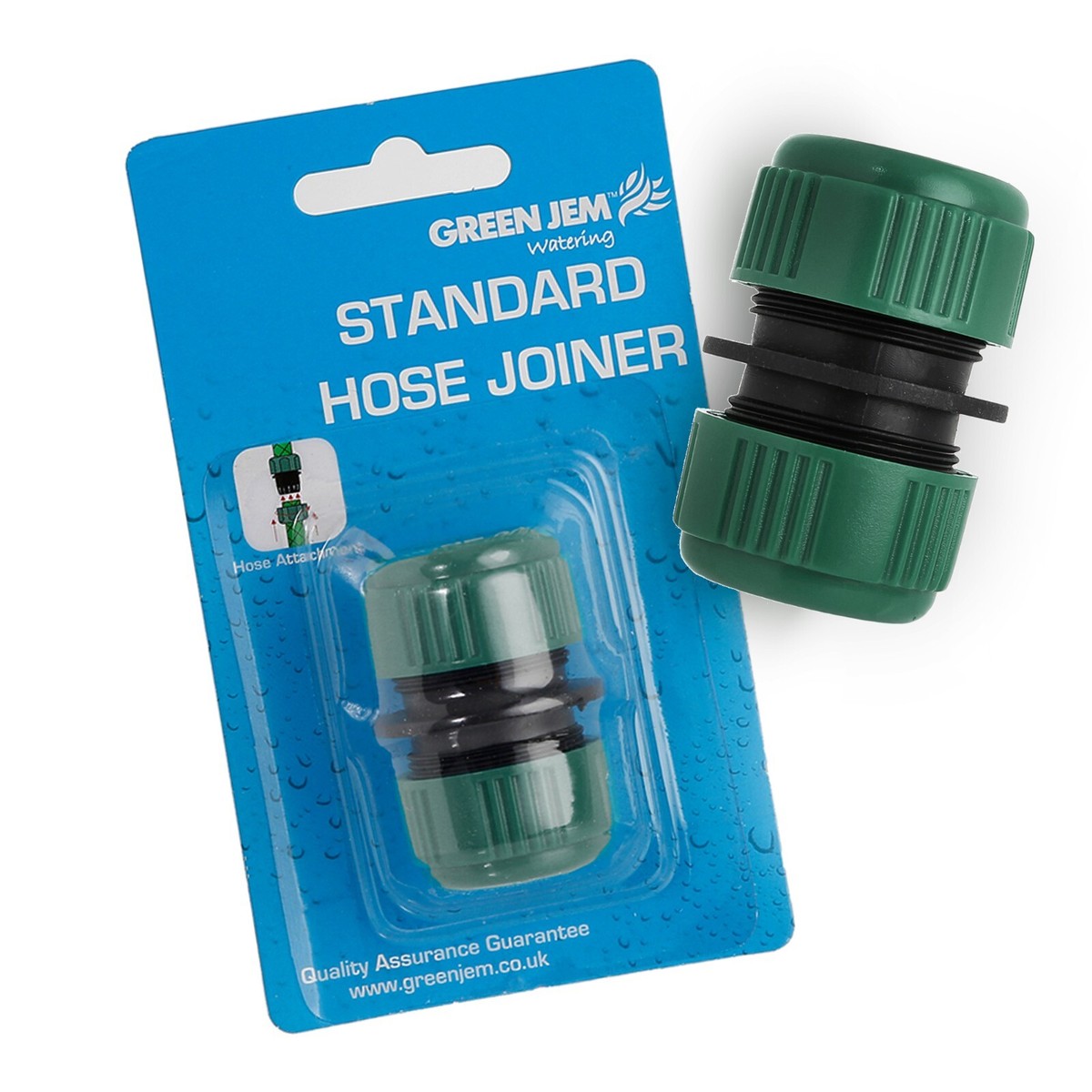
A hose connector is the main piece that joins two hoses. It must fit the hose diameter and have a secure grip.
Tools For Assembly
- Adjustable wrench to tighten connectors
- Scissors or a knife to cut hoses if needed
- Plumber’s tape to seal threaded connections
- Gloves to protect your hands
Optional Materials
| Material | Purpose |
| Rubber washers | Prevent leaks at connection points |
| Hose clamps | Secure hoses on connectors for a tight fit |
| Silicone lubricant | Eases hose fitting and prevents damage |
Credit: www.ebay.com
Choose The Right Hose Connector
Connecting two garden hoses needs the right hose connector. The right connector stops leaks and keeps water flowing well.
Choosing the right connector depends on the connector type and size. This guide explains what to look for.
Types Of Hose Connectors
There are different hose connectors you can use to join two hoses. Each has a different way of joining.
- Coupler:A simple connector that joins two hose ends together.
- Quick Connect:Connects hoses fast with a push and click.
- Male to Female Adapter:Connects a male end to a female end hose.
- Threaded Connector:Screws on the hose ends for a tight fit.
Matching Connector Size
Choosing the right size is very important. If the connector is too big or small, water leaks or hoses won’t fit.
| Hose Diameter | Common Connector Size | Notes |
|---|---|---|
| 1/2 inch | 1/2 inch | Good for small watering tasks |
| 5/8 inch | 5/8 inch | Most common garden hoses |
| 3/4 inch | 3/4 inch | For heavy water flow |
Prepare The Garden Hoses
Connecting two garden hoses needs some preparation first. This helps avoid leaks and weak connections.
Start by checking the hose ends and cleaning the connection points. These steps make joining easier.
Check Hose Ends
Look at the ends of both hoses. They must have the right fittings to connect well.
- Make sure the hose ends are not cracked or broken.
- Check if the threads on the ends are clean and clear.
- Confirm that both hoses use the same type of connector.
- Replace any damaged hose ends before joining.
Clean The Connections
Clean the hose ends and connectors to remove dirt and debris. This prevents leaks and clogs.
| Cleaning Tool | Purpose |
| Soft cloth | Remove dust and dirt |
| Brush | Scrub tough grime on threads |
| Water | Rinse off loose particles |
| Soap solution | Clean sticky residues |
Credit: www.amazon.com
Attach The Connector To The First Hose
Connecting two garden hoses requires a proper connector. The first step is to attach this connector to the end of the first hose. This part must be secure to avoid leaks and ensure water flows smoothly.
Choosing the right connector and attaching it correctly helps extend your hose reach. Let’s look at how to do this easily and safely.
Select The Right Connector Type
Connectors come in different shapes and sizes. You need one that matches the hose diameter and threading. Most garden hoses use standard 5/8-inch size.
- Check the hose diameter before buying
- Choose a connector with compatible threads
- Consider brass or plastic connectors for durability
- Use a quick-connect type for easy attachment and removal
Prepare The Hose End
Before attaching, clean the hose end. Remove dirt and debris to create a good seal. Cut the hose end straight if it is damaged or uneven.
Attach The Connector Firmly
Slide the connector onto the hose end. If the connector has a clamp, tighten it with a screwdriver. For threaded connectors, screw the hose end onto the connector until tight.
| Connector Type | Attachment Method | Tool Needed |
| Clamp Connector | Slide hose over connector, tighten clamp | Screwdriver |
| Threaded Connector | Screw hose end onto connector threads | Hand tighten or wrench |
| Quick-Connect | Push hose end into connector | None |
Make sure the connection feels tight. Test it by running water and checking for leaks.
Connect The Second Hose
Connecting a second garden hose lets you reach farther in your yard. It is simple to join two hoses with the right tools.
This guide explains how to connect the second hose securely to avoid leaks.
Check Hose Ends
Look at the ends of both hoses before connecting them. One end should have a male connector, and the other a female connector.
If both ends are the same, use a hose connector to join them properly.
Use A Hose Connector
Get a hose connector that fits the hose sizes. This connector joins the two hoses firmly.
Attach the connector to the first hose’s end by screwing it on tightly.
Attach The Second Hose
Push the second hose onto the other side of the connector. Turn the collar or screw it on to secure the connection.
Make sure the connection is tight to stop water from leaking out.
Test The Connection
Turn on the water and check for leaks at the joined point. Tighten the connections if you see drips.
- Look closely at both ends of the connector
- Turn the water on slowly to spot leaks early
- Tighten the fittings if water escapes
Secure The Connection
Joining two garden hoses can make your watering task easier. It’s important to ensure the connection is tight and leak-free.
With a secure connection, you can water your garden efficiently. Here are some steps to help you connect two hoses securely.
Tighten The Connector
First, attach the male end of one hose to the female end of another. Twist the connector until it is tight.
This ensures that water flows smoothly without leaks. A tight connection is key for efficient watering.
- Check if the connector is aligned properly
- Twist firmly but avoid over-tightening
- Ensure the rubber washer is in place
Use Hose Clamps If Needed
Sometimes, connectors may not fit snugly. In such cases, hose clamps can provide extra security.
Hose clamps can prevent leaks and ensure a firm connection. They are easy to install and adjust.
- Slide the clamp over the connection
- Tighten the clamp with a screwdriver
- Check for leaks after tightening
Test For Leaks
After connecting two garden hoses, it is important to check for leaks. Leaks waste water and reduce pressure.
Testing for leaks helps you fix problems early. This keeps your watering efficient and your garden healthy.
Visual Inspection
Look closely at the connection point where the hoses join. Check if water drips or sprays out.
Turn On The Water Slowly
Open the water supply slowly. This helps spot leaks without causing a big spray of water.
Use A Towel To Detect Small Leaks
If you do not see water dripping, wrap a dry towel around the connection. Look for wet spots on the towel.
Common Leak Causes
- Loose or cross-threaded connectors
- Damaged or worn washers inside couplings
- Cracks in the hose near the connection
- Dirt or debris inside the connectors
Fixing Leaks Table
| Leak Cause | How to Fix |
|---|---|
| Loose Connector | Tighten the connector by hand or with a wrench |
| Damaged Washer | Replace the rubber washer inside the hose connector |
| Dirt in Connector | Clean out dirt or debris, then reconnect |
| Cracked Hose | Cut off damaged part or replace hose section |
Tips For Maintaining Hose Connections
Connecting two garden hoses is easy, but keeping them joined well takes care. Good maintenance stops leaks and saves water. It also makes your hoses last longer.
Simple habits help keep your hose connections strong. Let’s look at ways to store hoses and check connectors often.
Store Hoses Properly
Keep your hoses in a dry and shaded place. This avoids cracks and damage from sun and weather. Coiling hoses loosely stops kinks that can break connectors.
- Use a hose reel or hanger to keep hoses tidy
- Avoid sharp bends that stress the hose material
- Store hoses off the ground to prevent dirt buildup
- Drain water from hoses before storing to stop freezing damage
Regularly Inspect Connectors
Check hose connectors for leaks or cracks every time you use them. Clean connectors to remove dirt and debris that block water flow.
- Look for worn or cracked rubber washers and replace them
- Tighten loose connectors to prevent water leaks
- Lubricate threads lightly to make connecting easier
- Replace damaged connectors to keep a strong seal
Frequently Asked Questions
How Do You Connect Two Garden Hoses Together?
You connect two garden hoses using a hose connector or coupling. Simply insert each hose end into the connector. Tighten the connection to prevent leaks. This extends your hose length for better reach in your garden.
What Type Of Connector Is Best For Garden Hoses?
Brass connectors are the best choice for garden hoses. They are durable, rust-resistant, and create a tight seal. Plastic connectors are cheaper but less durable. Choose connectors that fit your hose size for a secure connection.
Can I Connect Hoses With Different Diameters?
Yes, you can connect hoses with different diameters using a reducer coupling. The reducer fits the larger hose on one side and the smaller hose on the other. This ensures a tight, leak-free connection despite size differences.
How Do I Prevent Leaks When Connecting Hoses?
To prevent leaks, ensure both hose ends are clean and undamaged. Use a connector with rubber washers or gaskets for a tight seal. Tighten the connection firmly but avoid overtightening, which can damage the hoses or connector.
Conclusion
Connecting two garden hoses is simple and quick. Use the right connector to join them tightly. Check for leaks before you start watering. Keep the connection clean to avoid clogs. This way, you get longer reach for your garden. No need to buy a new hose.
Save money and water with this easy trick. Enjoy watering your plants without hassle. Gardening becomes more fun and efficient. Try it today and see the difference.