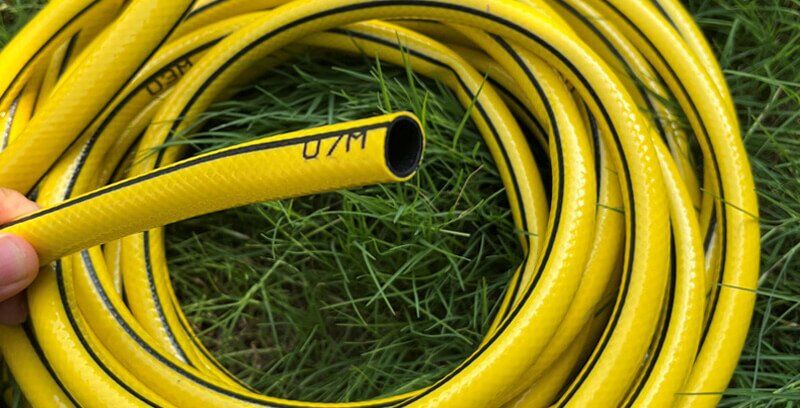
Choosing the right garden hose can make a big difference in how easy and enjoyable your watering tasks are. You might be wondering: is a 5/8 inch hose better, or should you go with a 3/4 inch one?
The size you pick affects water flow, pressure, and even how heavy the hose feels when you carry it around. You’ll discover which hose size works best for your garden needs. By the end, you’ll feel confident making the right choice—saving time, effort, and frustration.
Keep reading to find out which hose will truly make your gardening easier.

Credit: www.amazon.ca
Garden Hose Sizes Explained
Garden hoses come in different sizes. Choosing the right size helps water flow better.
This guide explains the common hose sizes 5/8 inch and 3/4 inch. It also covers their uses.
What 5 8 Inch Means
A 5/8 inch hose means the inside diameter is 5/8 inches. This size is common for many gardens.
This size offers a good balance between water flow and flexibility. It is lighter than bigger hoses.
What 3 4 Inch Means
A 3/4 inch hose has a larger inside diameter of 3/4 inches. It lets more water flow through quickly.
This hose size is thicker and heavier. It works well for bigger gardens or filling large containers fast.
Common Hose Size Applications
| Hose Size | Best Use | Water Flow | Weight |
|---|---|---|---|
| 5/8 Inch | Small to medium gardens | Moderate | Light |
| 3/4 Inch | Large gardens, filling pools | High | Heavy |
Water Flow And Pressure
Choosing between a 5/8 inch and a 3/4 inch garden hose affects water flow and pressure. These factors determine how well your watering tasks get done.
This article explains the differences in flow rate, water pressure, and efficiency for these hose sizes.
Flow Rate Differences
The 3/4 inch hose lets more water flow through than the 5/8 inch hose. This means it can fill containers or water plants faster.
| Hose Size | Average Flow Rate (Gallons per Minute) |
|---|---|
| 5/8 inch | 9 – 12 GPM |
| 3/4 inch | 13 – 17 GPM |
Impact On Water Pressure
Water pressure depends on hose diameter and length. A wider hose like 3/4 inch lowers pressure loss, giving stronger water flow at the end.
- 5/8 inch hose may have higher pressure drop over long distances.
- 3/4 inch hose maintains better pressure for longer hoses.
- Higher pressure helps water reach far plants or sprinkler systems.
Efficiency In Water Usage
Using water efficiently means matching hose size to your needs. The 3/4 inch hose uses more water quickly, which can save time but may waste water if not controlled.
The 5/8 inch hose delivers less water but can reduce water waste for small gardens or light watering.
Durability And Flexibility
Choosing the right garden hose is important for any gardener. Two popular options are the 5/8 inch and 3/4 inch hoses.
Let’s explore their durability and flexibility to see which is better for your needs.
Material Strength
The material of a hose affects its strength and lifespan. Both sizes are available in similar materials like rubber and vinyl.
| Hose Size | Common Material | Durability Rating |
| 5/8 Inch | Rubber | High |
| 3/4 Inch | Vinyl | Medium |
Ease Of Handling
Handling a hose depends on its weight and diameter. A lighter hose is easier to move around the garden.
- 5/8 inch hose is lighter and easier to handle.
- 3/4 inch hose provides more water flow but is heavier.
- Choose based on the size of your garden and your strength.
Resistance To Kinks
Kinks can stop water flow, making them a hassle. The material and thickness of the hose impact its kink resistance.
Cost Comparison
Choosing between a 5/8 inch and a 3/4 inch garden hose often comes down to cost. Understanding the price differences helps you pick the right hose for your needs.
This guide breaks down the costs into price range, long-term value, and maintenance expenses.
Price Range For Each Size
Garden hoses vary in price depending on their diameter and length. Generally, larger hoses cost more due to extra materials.
| Hose Size | Typical Price Range (per 50 feet) |
| 5/8 inch | $20 – $40 |
| 3/4 inch | $30 – $50 |
Long-term Value
Long-term value depends on durability and how well the hose meets your watering needs.
- 5/8 inch hoses use less water, saving on water bills.
- 3/4 inch hoses provide higher water flow for bigger jobs.
- Both sizes last about the same with proper care.
Maintenance Expenses
Maintenance costs include repairs and replacements over time. Larger hoses may cost more to fix.
- 5/8 inch hoses have smaller fittings, which are usually cheaper.
- 3/4 inch hoses need larger fittings that cost more to replace.
- Both require regular cleaning to avoid damage.
Best Uses For Each Hose Size
Choosing the right garden hose size helps water your plants and clean your yard effectively. Two common sizes are 5/8 inch and 3/4 inch.
Each size works best in different situations. Knowing these can save water and make your tasks easier.
Home Gardening
The 5/8 inch hose fits most home gardens. It offers good water flow without being too heavy or hard to handle. It is perfect for watering flowers, small vegetable patches, and container plants.
Lawn Care
For lawns, the 3/4 inch hose gives better water flow. It fills sprinklers faster and covers large areas well. The larger diameter helps save time when watering a big lawn.
- Use 5/8 inch hose for small to medium lawns
- Use 3/4 inch hose for large lawns and quick watering
- Choose 3/4 inch if you use many sprinklers or high-flow devices
Commercial And Heavy-duty Tasks
For heavy-duty jobs, the 3/4 inch hose is the better choice. It handles high water pressure and large volumes well. This size is common on farms, construction sites, and for washing vehicles or equipment.
| Hose Size | Best Use | Advantages |
| 5/8 inch | Home gardening | Lightweight, easy to handle |
| 3/4 inch | Lawn care, heavy-duty tasks | Higher flow, faster watering |
Compatibility With Attachments
Choosing the right garden hose size affects how well attachments fit. The two common sizes are 5/8 inch and 3/4 inch. Each size works differently with fittings and accessories.
This guide looks at how these sizes match up with common garden hose attachments.
Fittings And Connectors
Fittings and connectors link hoses to spigots or other hoses. The 3/4 inch hose has a wider diameter, making it easier to fit most standard connectors. The 5/8 inch hose fits smaller connectors but may need adapters for some attachments.
| Hose Size | Connector Compatibility | Notes |
| 5/8 inch | Fits small to medium connectors | May need adapters for large fittings |
| 3/4 inch | Fits most standard connectors | Better for heavy-duty use |
Spray Nozzle Options
Spray nozzles attach to the hose end to control water flow. The 5/8 inch hose works with many nozzles but may have lower water pressure. The 3/4 inch hose supports nozzles needing higher water volume. Checking the nozzle’s fitting size is important to avoid leaks.
- 5/8 inch hose fits most common nozzles
- 3/4 inch hose supports high-flow nozzles
- Adapters can help connect mismatched sizes
- Thread size must match nozzle fittings
Adapters And Accessories
Adapters help connect hoses to different attachments. The 3/4 inch hose may need fewer adapters because of its size. The 5/8 inch hose often uses adapters to fit larger fittings. Accessories like timers or sprinklers must fit the hose size or use adapters to work properly.
| Accessory | Fits 5/8 inch Hose | Fits 3/4 inch Hose |
|---|---|---|
| Water Timer | With adapter | Direct fit |
| Sprinkler | With adapter | Direct fit |
| Pressure Regulator | With adapter | Direct fit |
| Hose Splitter | With adapter | Direct fit |
Making The Right Choice
Choosing between a 5/8 inch and a 3/4 inch garden hose depends on many factors. Your needs and preferences play a big part in this decision.
This guide will help you understand the differences and pick the best hose for your garden.
Factors To Consider
Diameter affects water flow and pressure. A 3/4 inch hose carries more water. A 5/8 inch hose is lighter and easier to handle. Length and weight also matter. Think about your water source and usage.
| Hose Diameter | Water Flow | Weight | Best For |
| 5/8 inch | Moderate | Light | Small to medium gardens |
| 3/4 inch | High | Heavier | Large gardens and heavy watering |
Personal Needs And Preferences
Think about how you use your hose daily. A smaller diameter is easier to carry and store. A larger diameter saves time by watering faster.
- Do you water many plants or a large lawn?
- Is your water pressure strong or weak?
- Do you prefer a lighter hose or faster watering?
- Will you move the hose often or leave it in one place?
Expert Recommendations
Experts suggest matching hose size to your garden size and water supply. Use a 3/4 inch hose if you have high water pressure and a large area. Choose 5/8 inch for smaller spaces and lighter use.
- Check your outdoor faucet pressure before buying.
- Use hose reels to manage heavier 3/4 inch hoses.
- Consider hose material and durability alongside size.

Credit: everpeaktools.com

Credit: everpeaktools.com
Frequently Asked Questions
Which Garden Hose Diameter Saves More Water?
A 3/4-inch hose saves more water by reducing flow rate and pressure loss. It is ideal for small gardens and light watering tasks.
Is 5/8 Inch Hose Better For High Water Pressure?
Yes, 5/8-inch hoses handle higher water pressure efficiently. They provide a strong, steady flow, ideal for larger gardens or heavy-duty use.
Can A 3/4 Inch Hose Fit Standard Connectors?
Most 3/4-inch hoses fit standard garden hose connectors. However, always check compatibility to avoid leaks and ensure easy attachment.
Which Hose Size Is Best For Watering Plants?
For most home gardens, a 5/8-inch hose balances flow and flexibility, making it the best choice for watering plants efficiently.
Conclusion
Choosing between 5/8 and 3/4 garden hoses depends on your needs. A 3/4 hose carries more water and suits bigger gardens. The 5/8 hose is lighter and easier to handle. Think about water pressure and how far you need to water.
Both sizes work well, but the right one fits your tasks. Remember, the best hose makes watering simple and efficient. Pick what feels right for your garden and enjoy watering without fuss.