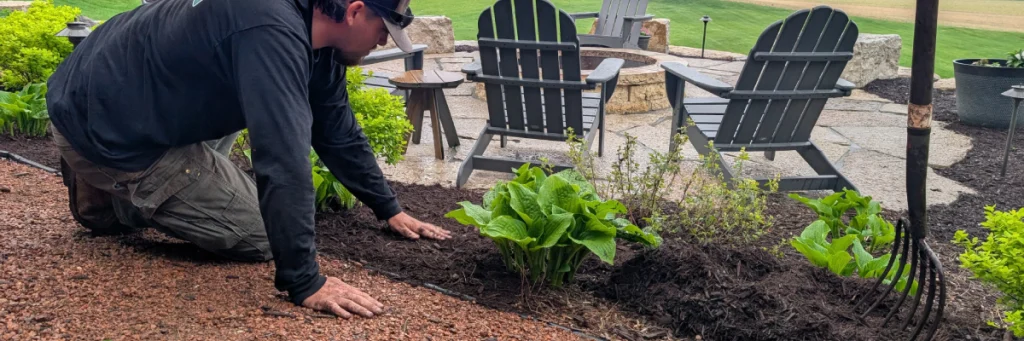
Are you wondering if you can put landscape fabric over mulch to keep your garden tidy and weed-free? It’s a question many gardeners ask, especially when trying to find the best way to protect plants and save time on maintenance.
What if the answer could help you avoid common gardening mistakes and make your outdoor space look great all year long? Keep reading, because understanding the right way to use landscape fabric with mulch could change how you care for your garden—and make your work much easier.
Credit: www.carringtonlawn.com
Purpose Of Landscape Fabric
Landscape fabric is a material used in gardens to help manage plants and soil. It is placed on the ground before adding mulch or soil. This fabric has many benefits for gardeners.
It works by blocking weeds, keeping moisture in the soil, and lasting longer than some other materials. Knowing its purpose helps you decide where and how to use it.
Weed Control Benefits
Landscape fabric stops weeds from growing by blocking sunlight. Without light, weeds cannot sprout and grow. This reduces the need for pulling weeds or using chemicals.
- Prevents weed seeds from reaching the soil
- Reduces weed growth around plants
- Keeps garden beds looking neat
- Limits the use of herbicides
Soil Moisture Retention
Landscape fabric helps keep water in the soil by reducing evaporation. This means plants get more moisture, even during dry days. It saves water and helps plants stay healthy.
The fabric allows water and air to pass through, so roots can breathe and grow well. It works with mulch to hold moisture longer than mulch alone.
Longevity Compared To Mulch
| Material | Typical Lifespan | Maintenance Needed |
|---|---|---|
| Landscape Fabric | 3 to 10 years | Occasional cleaning and replacement |
| Organic Mulch | 1 to 2 years | Regular replenishing |
| Inorganic Mulch (rocks) | Many years | Rarely needs replacement |
Landscape fabric lasts longer than organic mulch. It reduces how often you need to add new layers. Combining fabric with mulch can give the best results for your garden.
Mulch Types And Their Roles
Mulch helps protect soil and plants. Different types of mulch serve different purposes in gardens.
Understanding mulch types can help you choose the right one for your garden’s needs.
Organic Vs. Inorganic Mulch
Organic mulch comes from natural materials like plants. It breaks down and adds nutrients to the soil. Inorganic mulch is made from materials like plastic or stones. It lasts longer but does not improve soil health.
- Organic mulch examples: wood chips, straw, leaves
- Inorganic mulch examples: gravel, landscape fabric, rubber
- Organic mulch improves soil fertility
- Inorganic mulch controls weeds and retains moisture
Mulch Benefits For Soil Health
Mulch protects soil from erosion and helps keep it moist. It also controls soil temperature and reduces weed growth. Organic mulch adds nutrients as it decomposes, making soil richer.
| Benefit | Organic Mulch | Inorganic Mulch |
| Weed control | Good | Excellent |
| Soil moisture retention | Good | Good |
| Nutrient addition | Yes | No |
| Longevity | Short | Long |
Common Mulch Materials
Many materials can be used as mulch. Each has its own benefits and drawbacks. Choose based on your garden needs.
- Wood chips: slow to decompose, good for paths and beds
- Straw: breaks down fast, adds nutrients
- Leaves: free and easy to use, improve soil
- Gravel: long-lasting, good for drainage
- Landscape fabric: blocks weeds, lets water through
Placing Fabric Over Mulch: Pros And Cons
Gardeners often wonder if they can put landscape fabric over mulch. It helps with weed control and soil health. This method has pros and cons.
Understanding these can help you decide if it’s right for your garden. Let’s explore the advantages and drawbacks.
Advantages Of Fabric Over Mulch
Using fabric over mulch can offer several benefits. It creates a barrier that helps keep weeds at bay.
- Reduces weed growth significantly.
- Helps retain soil moisture.
- Improves garden cleanliness.
Potential Drawbacks
There are some downsides to consider. Fabric might not be suitable for all garden types.
| Drawback | Impact |
| Cost | Can be expensive to install |
| Maintenance | Requires regular upkeep |
| Soil Health | May restrict soil access to air and water |
Impact On Plant Growth
Fabric over mulch can affect plant growth. It may limit root expansion if not installed properly.
Consider the type of plants in your garden. Some plants need more space for roots.
Correct Installation Steps
Using landscape fabric over mulch can help control weeds and keep soil healthy. Proper installation is key to getting good results.
Follow simple steps to prepare the area, pick the right fabric, and install it correctly over mulch.
Preparing The Area
Clear the planting area of large debris like sticks and rocks. Trim back plants and remove weeds to create a smooth surface. Rake the mulch evenly to avoid lumps.
Choosing The Right Fabric
Pick a fabric that lets water pass but blocks weeds. Look for fabrics made from woven or non-woven polypropylene. Thicker fabrics last longer.
- Woven fabrics are strong and durable.
- Non-woven fabrics allow better water flow.
- Choose UV-resistant fabric for outdoor use.
- Check fabric width to cover your area with fewer seams.
Laying Fabric Over Existing Mulch
Lay the fabric flat over the mulch. Overlap edges by 6 to 12 inches to prevent weed growth between seams. Cut fabric to fit around plants carefully.
| Fabric Placement Tip | Reason |
|---|---|
| Overlap seams by 6-12 inches | Stops weeds from growing through gaps |
| Cut holes for plants | Allows plants to grow without damage |
| Lay fabric smoothly | Prevents mulch from shifting and fabric tearing |
Securing And Covering The Fabric
Use landscape staples or pins to secure the fabric. Place them every few feet along edges and seams. Cover the fabric with a fresh layer of mulch to protect it and keep it in place.
- Staple fabric at least every 3 feet.
- Add 2 to 3 inches of mulch on top.
- Avoid walking directly on the fabric to prevent damage.
Maintenance Tips
Keeping landscape fabric over mulch needs regular care. Proper maintenance helps the fabric last longer and keeps your garden neat.
Here are simple tips on checking the fabric, refreshing mulch, and dealing with weeds effectively.
Checking For Fabric Damage
Look over the fabric at least twice a year. Check for holes, tears, or areas where the fabric has pulled away from the soil. Small damages let weeds grow through and reduce the fabric’s effectiveness.
- Inspect edges to ensure the fabric is secure.
- Repair any tears with landscape fabric tape.
- Replace sections that are too worn out.
Refreshing Mulch Layer
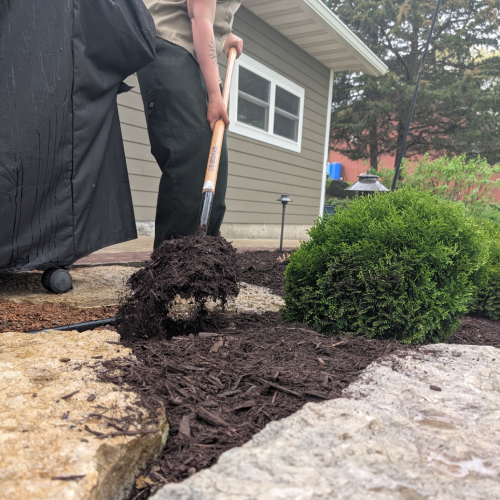
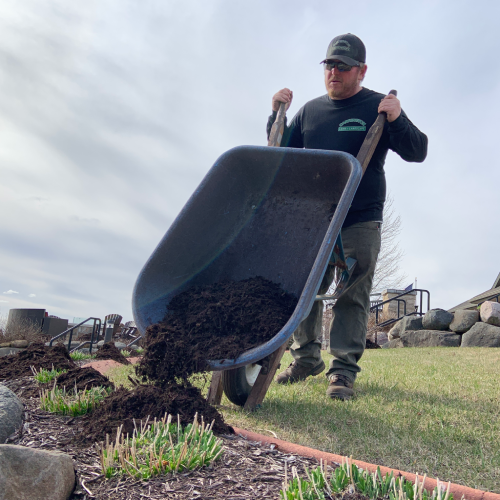
Add fresh mulch each year to keep a good cover over the fabric. Mulch protects the fabric from sun damage and helps keep soil moist.
| Mulch Type | Recommended Thickness |
| Wood Chips | 2 to 3 inches |
| Bark Mulch | 2 to 4 inches |
| Shredded Leaves | 1 to 2 inches |
Dealing With Weeds
Weeds can still appear even with fabric and mulch. Remove them quickly to prevent spread. Pull weeds by hand or use a small hoe.
- Check for weeds weekly during growing seasons.
- Remove weeds before they flower or seed.
- Apply a natural weed killer if weeds persist.
Credit: www.carringtonlawn.com
Alternatives To Fabric Over Mulch
Landscape fabric can help control weeds, but putting it over mulch may not work well. Many people look for better ways to stop weeds without harming plants.
Here are some options to consider instead of placing fabric on top of mulch. Each way has its own benefits for your garden.
Direct Fabric Application
Putting fabric directly on the soil is common. It blocks weeds by stopping light from reaching seeds below.
After laying the fabric, add mulch on top. Mulch keeps the fabric in place and improves soil moisture.
- Prepare soil by removing weeds and debris
- Cut fabric to fit the area
- Secure edges with landscape staples
- Cover fabric with at least 2 to 3 inches of mulch
Mulch-only Methods
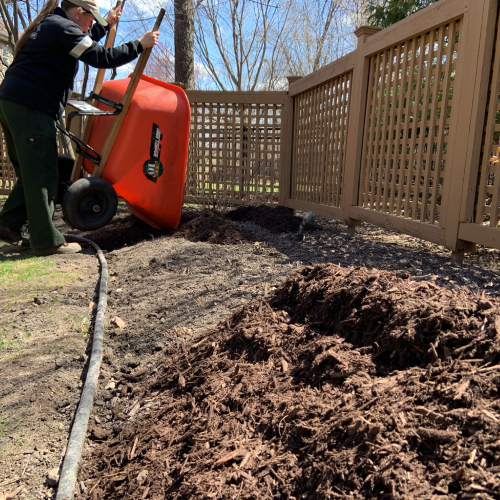
You can control weeds without fabric by using thick mulch layers. Mulch blocks light and stops weed seeds from sprouting.
Organic mulches like wood chips or bark also improve soil health as they break down over time.
- Apply 3 to 4 inches of mulch directly on soil
- Replenish mulch yearly to maintain thickness
- Choose mulch that resists compaction and decay
- Keep mulch a few inches away from plant stems
Other Weed Barrier Options
Besides fabric and mulch, other barriers can reduce weeds. These include plastic sheets and natural materials.
Some barriers allow water and air to pass through, helping plants stay healthy while blocking weeds.
- Plastic sheeting: Blocks weeds but may trap heat and moisture
- Cardboard or newspaper: Biodegradable and good for temporary use
- Rubber mulch: Durable and weed-resistant but less natural
- Living ground covers: Plants that cover soil to crowd out weeds
Credit: www.carringtonlawn.com
Frequently Asked Questions
Can I Put Landscape Fabric Over Existing Mulch?
Putting landscape fabric over mulch is not recommended. Fabric works best directly on soil to block weeds. Mulch on top of fabric helps retain moisture and improve appearance. Placing fabric over mulch can trap moisture improperly and cause decay.
Does Landscape Fabric Improve Mulch Longevity?
Yes, landscape fabric can extend mulch life. It prevents weeds from growing through mulch. Fabric also stops mulch from mixing with soil. However, fabric must be placed under mulch, not over it, for best results.
Will Landscape Fabric Suffocate Plants Under Mulch?
Landscape fabric allows water and air flow but blocks weeds. If placed correctly, it won’t suffocate plants. Avoid covering plant roots directly with fabric. Mulch on top keeps roots healthy by retaining moisture and temperature.
Can I Reuse Mulch With Landscape Fabric?
Yes, mulch can be reused with landscape fabric. Remove old mulch, lay fabric on soil, then replace mulch. Fabric controls weeds and keeps mulch from mixing with soil. This method saves money and maintains garden health.
Conclusion
Putting landscape fabric over mulch is not a good idea. It can block water and air from reaching the soil. This may harm your plants and slow mulch breakdown. It is better to place fabric under the mulch instead. This helps control weeds and keeps soil healthy.
Choose the right fabric and mulch for your garden. Keep your plants happy and your garden neat. Simple steps make a big difference in gardening success.