Have you ever wondered how long your fishing line stays strong and reliable? Knowing when to replace your fishing line can save you from losing big catches and frustrating breaks.
If you want to get the most out of your gear and fish with confidence, understanding the lifespan of your fishing line is key. You’ll discover exactly how long fishing line lasts, signs it’s time to change it, and simple tips to keep your line in top shape.
Keep reading to make sure your next fishing trip is a success!
Credit: theraleighbeergarden.com
Fishing Line Types
Fishing lines come in different types. Each type lasts for a different time.
Knowing how long your fishing line stays good helps you fish better.
Monofilament Line Lifespan
Monofilament is a common fishing line. It is made from one type of plastic.
This line can last from 1 to 2 years if kept dry and away from sunlight.
- Store in a cool, dark place
- Avoid stretching or knots
- Replace if it feels brittle or discolored
Fluorocarbon Line Durability
Fluorocarbon line is harder and denser than monofilament. It resists water better.
This type of line can last 2 to 3 years if stored properly and not used in harsh conditions.
- Keep away from heat and sunlight
- Check for cracks or stiffness
- Replace if it loses flexibility
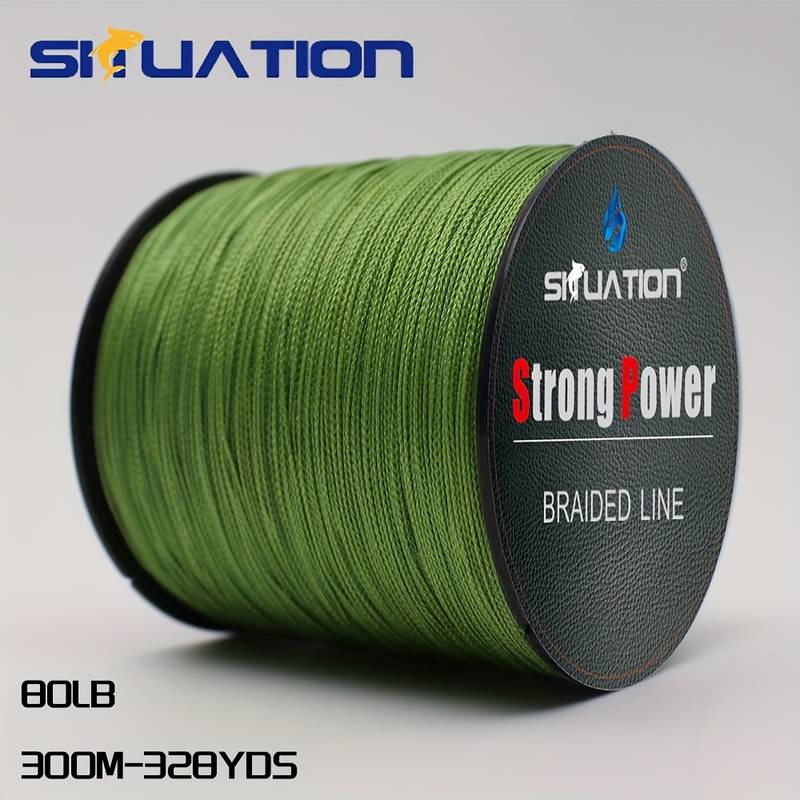
Braided Line Strength
Braided line is made of many thin fibers woven together. It is very strong.
This line lasts the longest, often 3 to 5 years, if stored dry and clean.
- Keep it free from dirt and salt
- Store in a cool, dry place
- Replace if frayed or weakened
Factors Affecting Line Life
Fishing line lasts for different amounts of time. Many things can change how long it stays good. Knowing these helps you use your line safely and avoid losing fish.
This article explains key factors that affect fishing line life. They include sunlight, water, storage, and use frequency.
Exposure To Sunlight
Sunlight can harm fishing line over time. UV rays break down the material. This makes the line weaker and more likely to snap.
- Keep line in a dark place when not fishing.
- Use UV-resistant line if you fish often in sunlight.
- Check line regularly for signs of sun damage.
Water Conditions
Saltwater and freshwater affect line differently. Salt can cause corrosion and damage. Dirt and debris in water also wear down the line faster.
| Water Type | Effect on Line |
| Saltwater | Corrodes and weakens line faster |
| Freshwater | Less corrosive but dirt may cause wear |
Storage Methods
How you store fishing line matters. Poor storage leads to tangles and damage. Proper storage keeps the line clean and strong.
- Store line in a cool, dry place.
- Avoid extreme temperatures and humidity.
- Keep line in a sealed container or spool.
Frequency Of Use
Using your fishing line often wears it down. The more you fish, the faster it loses strength. Regular checks help catch damage early.
| Use Frequency | Recommended Action |
| Rarely | Store properly and check yearly |
| Monthly | Inspect before each use |
| Weekly | Replace line every 3-6 months |
Signs Of Line Wear
Fishing lines do not last forever. Over time, they show signs of wear. Knowing these signs helps you decide when to replace your line.
Keep an eye on your fishing line. Watching for wear signs saves you from losing a catch.
Discoloration And Fading
Over time, fishing lines can change color. Sunlight exposure leads to fading and discoloration.
When the line color fades, it may not be as strong. A faded line might snap easier under pressure.
Loss Of Tensile Strength
Fishing lines lose strength over time. This makes them less reliable when catching big fish.
Test your line by pulling it gently. If it breaks easily, it has lost strength.
Fraying And Nicks
Check your line for frays and nicks. These are small cuts or rough spots on the line.
Frays weaken the line. A nicked line can break suddenly when reeling in a fish.
- Inspect your line before each trip
- Run fingers along the line to feel for nicks
- Replace if you find any damage

Credit: gameonlures.com
Extending Fishing Line Lifespan
Fishing line can last a long time if you take good care of it. Proper handling and storage help keep the line strong and ready to use.
Simple steps like checking the line often and avoiding damage will extend its life. This saves money and improves your fishing experience.
Proper Storage Techniques
Store fishing line in a cool, dry place away from sunlight. Heat and UV rays can weaken the line over time.
- Keep line in its original packaging or a sealed container.
- Avoid storing near chemicals or sharp objects.
- Use a spool holder to prevent tangles and twists.
- Do not leave line on the reel when not fishing for long periods.
Regular Line Inspection
Check your fishing line before and after each trip. Look for cracks, nicks, or spots that feel weak.
| Damage Type | What to Do |
| Small Nicks | Cut out the damaged section |
| Fraying | Replace the line soon |
| Discoloration | Check for UV damage; consider replacement |
| Twists or Kinks | Untangle carefully or replace |
Avoiding Overstretching
Do not pull or stretch the line beyond its limit. Overstretching weakens the fibers and causes breaks.
Tips to avoid overstretching:
- Use the right line strength for your fishing type.
- Do not jerk the rod too hard when catching fish.
- Let the fish run to reduce line tension.
- Reel smoothly and avoid sudden pulls.
Replacing Fishing Line
Fishing line breaks down over time and can lose strength. Replacing it helps avoid lost fish and gear. Knowing when and how to replace your line keeps fishing fun and safe.
This guide covers when to replace your line, how to pick a new one, and safe disposal tips.
When To Replace Your Line
Fishing line gets weak after use or long storage. Replace it if you see damage or old line on your reel.
- Line feels rough or stiff
- Visible cracks, frays, or discoloration
- Line has been on the reel for over a year
- Line breaks easily under tension
- You lose fish due to line failure
Choosing The Right Line For Replacement
Pick a line that matches your fishing style and rod. Different lines work best for different fish and water types.
| Line Type | Best Use | Strength Range |
| Monofilament | General use, easy to handle | 4 to 20 pounds |
| Fluorocarbon | Clear water, low visibility | 6 to 30 pounds |
| Braid | Heavy cover, long casts | 10 to 80 pounds |
Disposal Tips
Old fishing line can harm wildlife and the environment. Dispose of it safely to avoid problems.
Follow these tips to dispose of fishing line properly:
- Cut line into small pieces to prevent tangles
- Use line recycling bins at tackle shops or fishing spots
- Do not throw line into water or nature
- Consider storing old line for recycling programs

Credit: www.reddit.com
Frequently Asked Questions
How Long Does Fishing Line Last Before Replacing?
Fishing line typically lasts 1 to 2 years with regular use. Exposure to sunlight and water weakens it faster. Always check for frays or stiffness before fishing to ensure safety and performance.
Does Fishing Line Degrade If Unused?
Yes, fishing line degrades even if unused. UV rays and humidity reduce its strength over time. Store it in a cool, dark place to extend its shelf life.
How To Tell If Fishing Line Is Still Good?
Check for discoloration, brittleness, or nicks on the line. If it feels rough or weak, replace it. Regular inspection prevents unexpected breaks during fishing.
Can Fishing Line Be Stored To Last Longer?
Proper storage in a cool, dry place away from sunlight prolongs fishing line life. Avoid extreme temperatures and moisture to maintain its strength and flexibility.
Conclusion
Fishing line does not last forever. Exposure to sun, water, and stress weakens it. Regularly check for cracks or stiffness. Replace old line to avoid lost fish. Store line in a cool, dry place. Proper care extends its life significantly.
Remember, fresh line improves your fishing success. Stay safe and enjoy your time fishing.