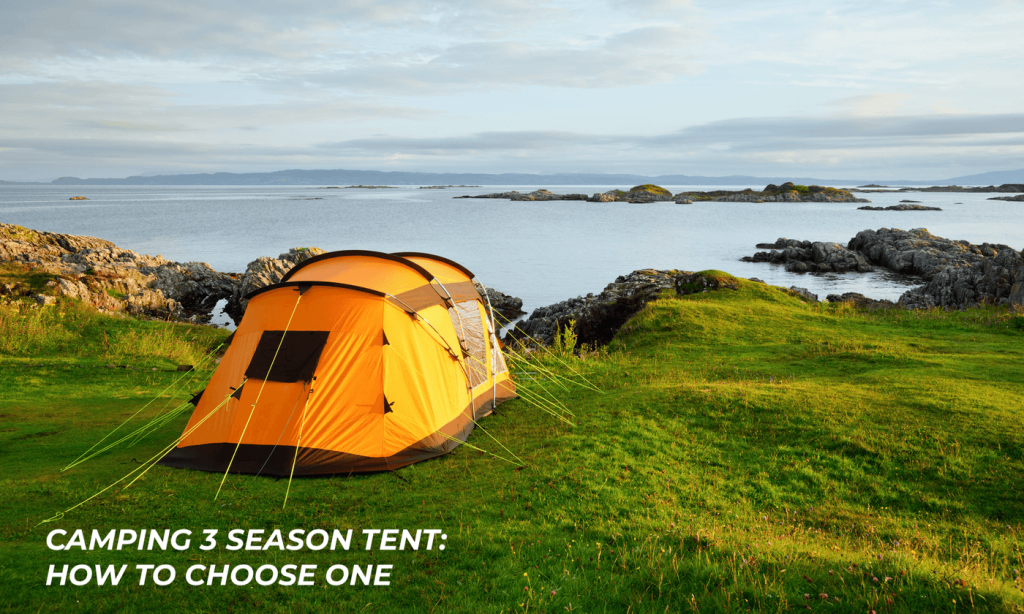
Are you planning your next outdoor adventure and wondering which tent will keep you comfortable without weighing you down? Understanding what a 3 season tent is can make all the difference in your camping experience.
This type of tent is designed to protect you from spring showers, summer heat, and fall chills, making it a versatile choice for most conditions. Keep reading to discover how a 3 season tent can meet your needs and help you enjoy the great outdoors with confidence.

Credit: www.herooutdoors.com
Basics Of 3 Season Tents
A 3 season tent is designed for use in spring, summer, and fall. It offers good ventilation and weather protection. These tents are popular among campers and hikers.
They balance weight, durability, and comfort to suit mild to moderate weather. Understanding their design helps you pick the right tent for your outdoor trips.
Design Features
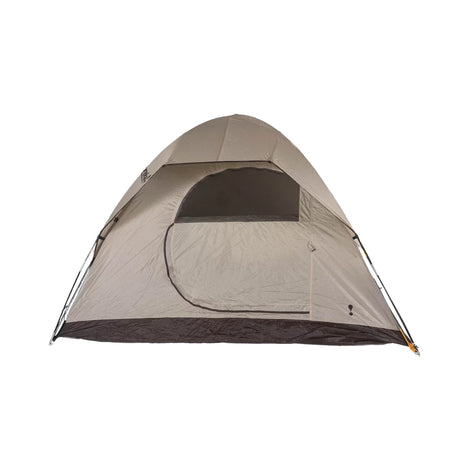
3 season tents have several key design features. They usually have mesh panels to allow airflow. This reduces condensation inside the tent. The rainfly covers most of the tent but leaves some mesh exposed for ventilation.
- Light to medium weight for easy carrying
- Good ventilation to keep air fresh
- Strong enough to handle wind and rain
- Simple setup with fewer poles
- Enough space for comfort during warmer months
Materials Used
Manufacturers choose materials that balance weight and durability. Common fabrics include nylon and polyester. These materials resist tears and water well. The tent poles are often made from aluminum or fiberglass.
| Material | Purpose | Benefit |
|---|---|---|
| Nylon | Tent body and rainfly | Lightweight and strong |
| Polyester | Tent body and rainfly | Resists UV damage |
| Aluminum poles | Frame support | Durable and lightweight |
| Fiberglass poles | Frame support | Less expensive but heavier |
| Mesh | Ventilation panels | Keeps insects out while allowing airflow |
Intended Weather Conditions
3 season tents are made for mild to moderate weather. They protect against rain, wind, and bugs. These tents are not for heavy snow or extreme cold.
- Spring rains and winds
- Warm summer nights with bugs
- Fall chill and light rain
Comparing Tent Types
Choosing the right tent is important for a good camping trip. Different tents suit different weather conditions. Understanding the types helps you pick what fits your needs best.
This guide looks at 3 season tents and compares them to 4 season and summer tents. You will see what makes each type special.
3 Season Vs 4 Season Tents
3 season tents are made for spring, summer, and fall. They handle rain and wind well but are lighter and more breathable. 4 season tents are built for winter. They have stronger poles and thicker fabric to resist snow and heavy winds.
| Feature | 3 Season Tent | 4 Season Tent |
|---|---|---|
| Weather Suitability | Rain, wind, mild cold | Snow, heavy wind, cold |
| Weight | Lighter | Heavier |
| Ventilation | Good | Limited |
| Material Thickness | Medium | Thick |
| Frame Strength | Moderate | Strong |
3 Season Vs Summer Tents
Summer tents are designed for hot and dry weather. They use lightweight mesh to keep air flowing. 3 season tents protect better from rain and wind but are less airy than summer tents.
- Summer tents have more mesh panels for ventilation.
- 3 season tents have rain flies to keep water out.
- 3 season tents can handle cooler temperatures.
- Summer tents are lighter and simpler in design.
Benefits For Outdoor Enthusiasts
A 3 season tent is a popular choice for many outdoor enthusiasts. It is designed for spring, summer, and fall. This type of tent offers several benefits for those who love to explore the outdoors.
These tents provide a good balance of protection and comfort. They are ideal for different weather conditions, making them a versatile option for adventurers.
Versatility In Different Climates
3 season tents are designed to handle various weather conditions. They can protect against rain, wind, and mild cold. This makes them suitable for most outdoor trips except in winter.
Their construction allows them to adapt to changing climates. They are equipped with features like rainflies and sturdy poles. This ensures campers stay dry and safe during unpredictable weather.
Lightweight And Portability
These tents are often lightweight, making them easy to carry. This is essential for backpackers who need to travel long distances. Their compact size allows for easy storage in backpacks.
Portability is a key benefit for those moving from site to site. A 3 season tent can be set up quickly, offering convenience for adventurers on the go.
Breathability And Ventilation
Good ventilation is important in a tent, especially in warm weather. 3 season tents often have mesh panels that allow for airflow. This helps reduce condensation inside the tent.
Breathability ensures a comfortable sleeping environment. It helps keep the air fresh and prevents overheating. This feature is vital for a pleasant camping experience.
Choosing The Right 3 Season Tent
Picking a 3 season tent is important for camping in spring, summer, and fall. These tents keep you dry and cool in mild weather.
Knowing what to look for helps you find a tent that fits your needs and makes camping more comfortable.
Capacity And Size Options
Tents come in many sizes. Think about how many people will use the tent. Also, consider extra space for gear.
| Capacity | Best Use | Space Notes |
| 1-2 Persons | Solo or couple trips | Compact and light |
| 3-4 Persons | Small families or groups | More room for gear |
| 5+ Persons | Large groups | Heavier and bulkier |
Setup Styles
Different tents have different setup styles. Choose one that fits your skill and camping type.
- Freestanding tents are easy to move and set up.
- Non-freestanding tents are lighter but need stakes.
- Pop-up tents are quick to pitch but less durable.
- Hub-style tents use connected poles for fast setup.
Additional Features To Consider
Extras can improve comfort and safety. Check for these features before buying.
- Ventilation panels help reduce condensation inside the tent.
- Storm flaps protect zippers from rain and wind.
- Multiple doors make entry and exit easier.
- Storage pockets keep small items organized.
- A durable rainfly offers extra weather protection.
Care And Maintenance Tips
Taking care of your 3 season tent helps it last longer. Regular cleaning and proper storage keep it ready for your next trip.
Small repairs prevent bigger damage. Follow simple steps to maintain your tent’s condition.
Cleaning After Use
Always clean your tent after camping. Remove dirt, leaves, and moisture to avoid mold and damage.
- Shake out loose dirt and debris.
- Use a soft brush to clean stubborn spots.
- Wipe with a damp cloth and mild soap.
- Do not use harsh detergents or bleach.
- Dry the tent completely before packing.
Storage Recommendations
Store your tent in a cool, dry place. Avoid leaving it in a compressed stuff sack for long periods.
| Storage Tip | Reason |
| Use a large breathable bag | Prevents moisture build-up and mold |
| Keep away from direct sunlight | Protects fabric from UV damage |
| Store loosely folded | Keeps fabric fibers intact |
| Check periodically for pests | Prevents damage from insects or rodents |
Repairing Common Issues
Fix small tears and broken zippers quickly to keep your tent functional. Carry a repair kit on trips.
- Patch material
- Seam sealer
- Strong thread and needle
- Replacement zipper sliders
- Fabric glue

Credit: www.gear-up.com
Credit: geartrade.com
Frequently Asked Questions
What Is A 3 Season Tent Used For?
A 3 season tent is designed for spring, summer, and fall camping. It protects against rain, wind, and moderate cold. It offers good ventilation and lightweight features. It is not suitable for heavy snow or extreme winter conditions.
How Does A 3 Season Tent Differ From Others?
3 season tents are lighter and more breathable than 4 season tents. They focus on ventilation and weather resistance, not extreme cold or snow loads. Compared to 2 season tents, they provide better weather protection and durability for varied conditions.
Can A 3 Season Tent Handle Heavy Rain?
Yes, most 3 season tents are water-resistant and can handle moderate to heavy rain. They have waterproof rain flies and sealed seams. However, extended exposure to heavy storms may require additional protection or caution.
Are 3 Season Tents Suitable For Winter Camping?
No, 3 season tents are not ideal for harsh winter conditions. They lack strong frames and insulation needed for heavy snow and freezing temperatures. For winter camping, a 4 season tent is a better choice.
Conclusion
A 3 season tent suits spring, summer, and fall camping. It keeps you dry in rain and shields from bugs. The tent offers good ventilation for warm days. It is light and easy to carry on trips. Not made for heavy snow or strong winter winds.
Choose this tent for most outdoor adventures. It balances comfort, protection, and weight well. Perfect for hikers and campers who want simple gear. Understanding its use helps you pick the right tent. Enjoy your camping with a tent that fits your needs.