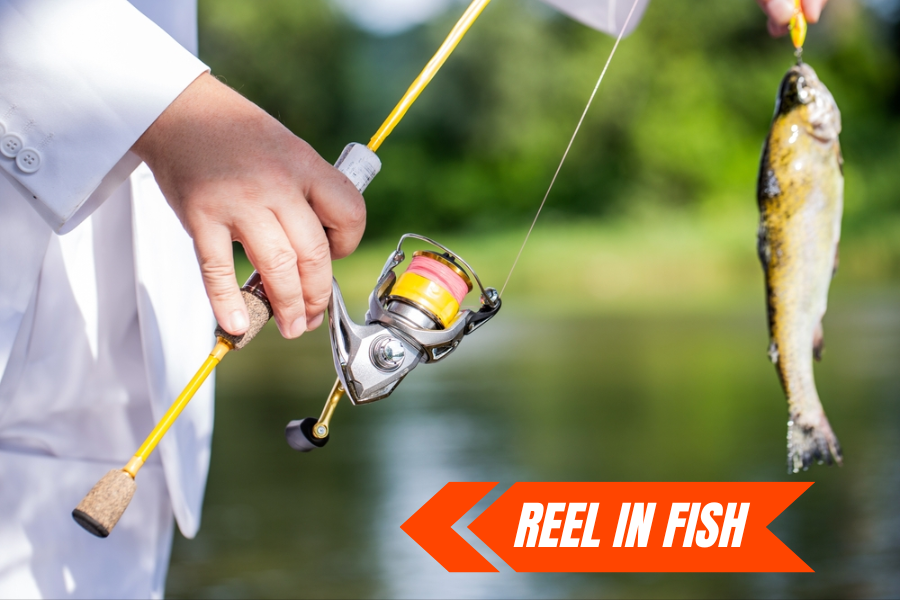
Are you tired of losing fish because your fishing line tangles or slips? Knowing how to reel a fishing line properly can make all the difference between a successful catch and a frustrating day by the water.
Whether you’re a beginner or just want to sharpen your skills, mastering this simple technique will boost your confidence and improve your fishing experience. Keep reading to discover easy steps that will help you reel in your line smoothly every time.
Your next big catch could be just a few turns away!

Credit: www.youtube.com
Choosing The Right Reel
Choosing the right reel is key to fishing success. The reel holds the line and helps control the catch.
Knowing different reel types and matching them to your rod makes fishing easier and more fun.
Types Of Fishing Reels
There are several types of fishing reels. Each works best for certain fishing styles.
- Spinning Reels:Easy to use and good for beginners.
- Baitcasting Reels:Offer more control but need practice.
- Spincast Reels:Simple design, great for kids and beginners.
- Fly Reels:Used with fly rods for fly fishing.
Matching Reel To Rod
Your reel and rod should work together. They must be balanced to avoid hand strain.
For example, use a spinning reel with a spinning rod. Baitcasting reels fit baitcasting rods.
Reel Size And Line Capacity
Reel size affects how much line it holds. Bigger reels hold more line and are stronger.
| Reel Size | Line Capacity (Yards) | Best For |
|---|---|---|
| 1000-2500 | 100-150 | Light freshwater fishing |
| 3000-4000 | 150-250 | Medium freshwater and light saltwater |
| 5000-6000 | 250-300+ | Heavy freshwater and saltwater fishing |
Preparing Your Fishing Line
Getting your fishing line ready is an important part of fishing. It helps you catch fish and avoid problems while fishing.
Before you start, you need to choose the right line, attach it properly, and check its tension. These steps make your fishing easy and fun.
Selecting The Right Line
Choose a fishing line that fits your fishing style and the fish you want to catch. Lines come in different types and strengths.
Monofilament lines are good for beginners. Braided lines are strong and thin. Fluorocarbon lines are less visible in water.
- Pick lighter lines for small fish
- Use stronger lines for big fish
- Match line type to your fishing rod
Attaching The Line To The Reel
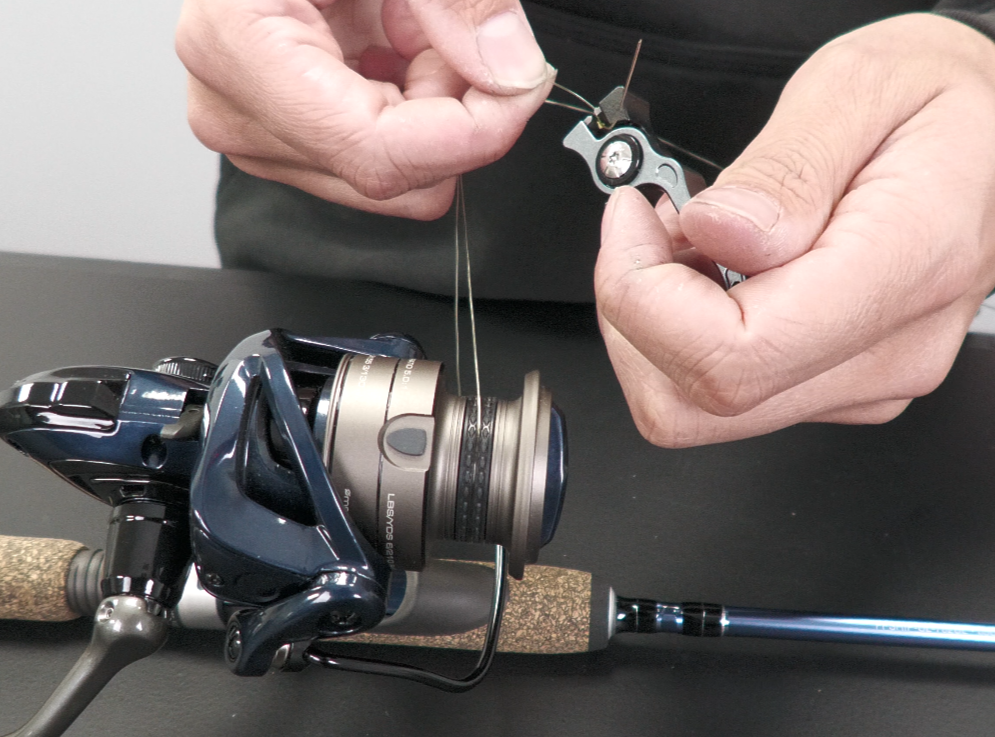
First, open the bail arm on your reel. Then, thread the line through the rod guides from the tip to the reel.
Tie the line to the reel spool using a strong knot like an arbor knot. Make sure the knot is tight and secure.
- Open bail arm before attaching line
- Thread line through all rod guides
- Use an arbor knot to tie line to spool
- Pull knot tight to avoid slipping
Checking Line Tension
Good tension keeps the line firm and ready to cast. Too loose or too tight tension can cause problems.
After attaching, pull the line gently. The spool should hold the line without slipping or too much resistance.
- Pull line to test tension
- Adjust drag if line slips
- Keep tension steady for smooth casting
Basic Casting Techniques
Fishing is a relaxing and rewarding hobby. Learning basic casting techniques is essential for beginners. These techniques help you cast your line accurately and smoothly.
Understanding different types of casts will improve your fishing skills. Practice these techniques to become more confident and enjoy fishing more.
Overhead Cast
The overhead cast is the most common casting technique. It is simple and effective for distance casting. You start by bringing the rod back over your shoulder.
Then, you move the rod forward quickly. Release the line when the rod is pointing at your target. Practice makes your cast more accurate and smooth.
- Hold the rod with both hands
- Keep your elbow close to your body
- Use your wrist for better control
Sidearm Cast
The sidearm cast is useful when there are obstacles above you. It is also good for casting under trees. To perform a sidearm cast, keep the rod parallel to the ground.
Swing the rod sideways and release the line when the rod is pointing at your target. This technique requires more practice to master.
- Stand sideways for better balance
- Use a smooth motion for accuracy
- Avoid jerking the rod
Roll Cast
The roll cast is perfect for fishing in tight spots. It helps when there is no room for a back cast. Begin with the line laying on the water.
Lift the rod slowly and then flick it forward. The line will roll over itself and extend outwards. This cast is gentle and precise.
- Keep the rod tip low
- Use your wrist for a quick flick
- Practice timing for better results
Reeling Techniques For Smooth Casting
Reeling a fishing line correctly helps you cast smoothly and catch fish easier. Good reeling keeps the line tight and ready for the next cast.
Learn the right hand position, how to control line speed, and ways to avoid line twist for better fishing.
Proper Hand Position
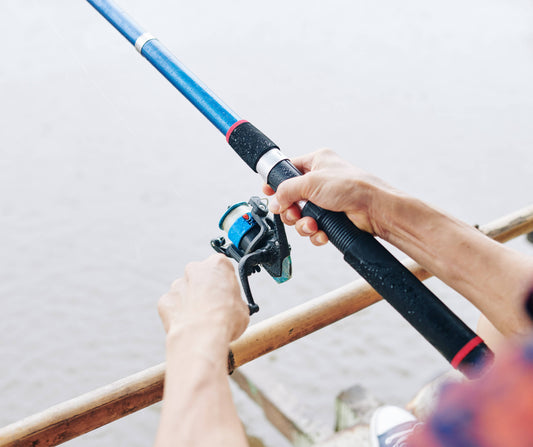
Hold your fishing rod with your dominant hand near the reel. Your thumb should rest on top of the spool for control.
Use your other hand to turn the reel handle smoothly. Keep your grip firm but relaxed to avoid fatigue.
Controlling Line Speed
Reel the line at a steady speed to avoid tangles and improve casting distance. Do not reel too fast or too slow.
Slow down your reeling when the lure is near the water. Speed up again to prepare for the next cast.
- Keep a steady pace
- Match line speed to lure movement
- Adjust speed based on water conditions
Avoiding Line Twist
Line twist can cause tangles and weak spots. Avoid it by letting the line flow off the spool naturally during casting.
Check your lure and swivels to ensure they spin freely. This reduces twisting and keeps your line straight.
- Use a swivel to prevent line twist
- Let the line flow freely when casting
- Regularly untwist the line by letting it hang
Troubleshooting Common Issues
Reeling a fishing line can sometimes be tricky. Problems like tangles and backlash stop your fishing fun. This guide helps you fix these common issues quickly.
Good reel care also keeps your gear working well for a long time. Read on to learn how to handle these problems and maintain your reel.
Fixing Line Tangles
Line tangles happen when the fishing line loops over itself. This can cause knots or snarls that stop smooth reeling. To fix tangles, first stop reeling and carefully pull the line to loosen it.
- Check for line twists and straighten them.
- Pull the line gently to untangle knots.
- Cut out tight knots if needed to avoid breaks.
- Use the right line type for your reel to reduce tangles.
Handling Backlash
Backlash happens when the spool spins too fast and the line bunches up. This creates a bird’s nest of line on your reel. To stop backlash, control the spool speed with your hand or brake system.
- Use your thumb to slow the spool during the cast.
- Adjust the reel’s brake settings for better control.
- Practice smooth casting to keep line tension steady.
- Replace worn-out parts that may cause spool slip.
Maintaining Reel Performance
Keeping your reel clean and lubricated helps it work well. Dirt and rust damage parts and cause poor performance. Follow this simple chart to maintain your reel regularly.
| Maintenance Task | Frequency | Tools Needed |
| Clean reel exterior | After every use | Soft cloth, fresh water |
| Lubricate moving parts | Monthly | Reel oil, grease |
| Check line for damage | Before each fishing trip | Visual inspection |
| Tighten loose screws | Every 3 months | Screwdriver |
Credit: www.fishusa.com
Advanced Tips For Expert Casters
Reeling in a fishing line is simple but can be improved with advanced skills. Expert casters know how to control their reels for better results.
This guide shares tips on adjusting drag, using reel features, and casting in different conditions.
Adjusting Drag Settings
The drag controls how much resistance a fish feels when it pulls the line. Set drag right to avoid breaking the line or losing the fish.
Turn the drag knob slowly and test by pulling the line with your hand. The line should pull out with steady resistance.
- Set drag to about one-third of your line’s breaking strength
- Adjust drag during the fight to tire the fish
- Loosen drag slightly for light lures or small fish
Using The Reel’s Features
Modern reels have features that help expert casters. Learn how to use them to improve your fishing technique.
Use the spool tension knob to control line flow during the cast. It helps reduce backlash and improves distance.
- Adjust spool tension before each cast based on lure weight
- Use the anti-reverse feature to stop the handle from spinning back
- Practice smooth thumb control on the spool to prevent tangles
Casting In Different Conditions
Wind, water current, and terrain affect your casting. Change your technique to match these conditions.
In windy conditions, use heavier lures and lower your cast angle to keep control. In strong currents, cast upstream and let the lure drift.
- Cast with the wind for longer distance
- Use sidearm casts to avoid obstacles
- Practice quick casts in tight spaces
Credit: windrider.com
Frequently Asked Questions
How Do I Properly Reel A Fishing Line?
To properly reel a fishing line, hold the rod firmly and turn the reel handle smoothly. Keep consistent tension to avoid tangles. Reel in slowly when a fish bites, and quickly retrieve slack line to maintain control.
What Is The Best Technique For Reeling In Fish?
Use steady, controlled turns of the reel handle to maintain tension. Avoid jerking the rod to prevent line breakage. Lift the rod tip to guide the fish and reel in when lowering the rod.
How Can I Prevent Line Tangles While Reeling?
Keep the line tight and reel at a consistent speed. Avoid reeling against strong drag pressure. Regularly check your line for twists and use quality line to reduce tangling issues.
When Should I Use Fast Versus Slow Reeling?
Fast reeling works well for lures that require quick movement. Slow reeling is better for subtle bait presentations. Adjust speed based on fish species and water conditions for best results.
Conclusion
Reeling a fishing line takes practice and patience. Keep your grip steady and your movements smooth. Watch the line closely to avoid tangles or breaks. Adjust your speed based on the fish’s pull. Stay calm, and don’t rush the process.
With time, reeling will feel natural and easy. Remember, each fishing trip improves your skill. Enjoy the quiet moments by the water. Fishing is about patience and simple joys. Try these tips on your next outing. You’ll see better results and more fun.