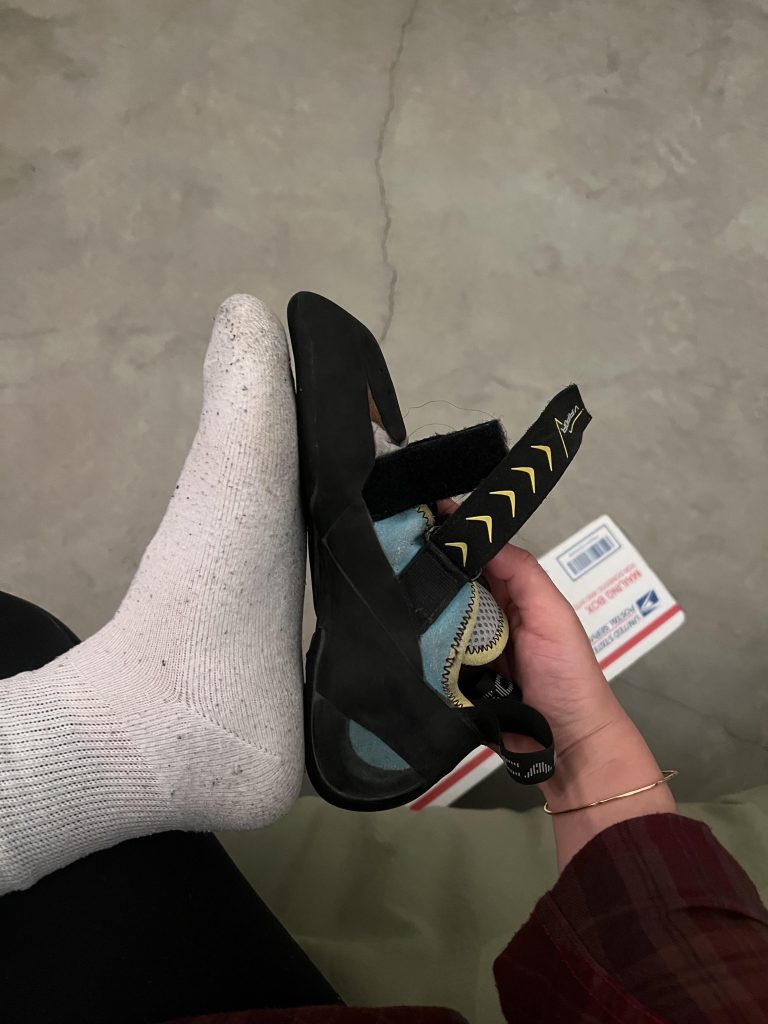
Are your climbing shoes feeling tight or uncomfortable? You might be wondering, do climbing shoes stretch over time?
This question is one of the biggest concerns for climbers at every level. You want your shoes to fit just right—not too loose, not too tight—because the perfect fit can make a huge difference in your performance and comfort on the wall.
You’ll discover how climbing shoes behave once you start wearing them, what factors affect their stretch, and how to choose the right pair that works with your feet. Keep reading, because understanding this will save you from painful mistakes and help you climb better.

Credit: www.reddit.com
How Climbing Shoes Fit
Climbing shoes should fit snugly to give good control and grip. A proper fit helps you climb better and stay safe.
Shoes that are too loose can cause slipping. Shoes that are too tight can hurt your feet and reduce climbing time.
Initial Fit Expectations
New climbing shoes often feel tight and uncomfortable. This is normal because they are made to fit close to your skin.
You should feel some pressure but not pain. Your toes might be slightly curled but not crushed.
- Shoes feel snug but not painful
- Toes slightly curled but not bent sharply
- Heel fits securely without slipping
- No large gaps inside the shoe
Materials And Stretch Potential
Climbing shoes stretch over time to match your foot shape. The amount of stretch depends on the shoe materials.
Shoes with natural materials stretch more. Synthetic materials stretch less and keep their shape longer.
- Natural materials stretch up to 5-10%
- Synthetic materials stretch up to 2-3%
- Stretch happens mostly in the toe box and upper
- Stretching increases comfort but may reduce tightness
Differences Between Leather And Synthetic
Leather shoes stretch more and soften with use. They mold to your foot for a custom fit.
Synthetic shoes keep their shape better. They need to fit well from the start but stay consistent over time.
- Leather stretches more and becomes softer
- Synthetic stretches less and stays firm
- Leather can feel warmer and more breathable
- Synthetic dries faster and resists moisture

Credit: www.reddit.com
Factors Influencing Shoe Stretch
Climbing shoes often feel tight when new. Many wonder if these shoes will stretch over time. Several factors affect how much climbing shoes stretch.
Understanding these factors helps climbers choose the right fit. It also prevents discomfort during climbs.
Wear Time And Frequency
The amount of time you wear climbing shoes influences how much they stretch. Shoes worn often tend to stretch more.
Long, regular sessions cause materials to loosen. Shoes worn only a few times stay tighter.
- Daily use stretches shoes faster
- Occasional use slows stretching
- Long sessions warm up materials, aiding stretch
Moisture And Heat Effects
Heat and moisture soften shoe materials. This makes shoes more likely to stretch.
Feet sweat inside shoes, adding moisture. Warm conditions also increase stretching speed.
- Sweaty feet increase shoe stretch
- Warm weather softens materials
- Dry conditions slow stretching
Shoe Construction And Design
Shoe materials and build affect stretch. Leather stretches more than synthetic fabrics.
Thicker soles and tight stitching limit how much shoes can stretch. Soft shoes stretch easier.
- Leather shoes stretch significantly
- Synthetic shoes stretch less
- Stiff soles reduce stretch
- Tight stitching limits material expansion
Signs Your Shoes Are Stretching
Climbing shoes are designed to fit tightly. Over time, they may stretch to better fit your feet. It is important to recognize the signs of this change.
Understanding how your climbing shoes adapt can improve your climbing experience. Let’s explore the key signs of shoe stretching.
Changes In Length And Width
One sign of stretching is an increase in shoe length. You might notice extra space at the toes.
Width changes are also common. The sides may feel less snug, allowing for more foot movement.
- Extra room at the toes
- Looser fit at the sides
- Visible gaps when worn
Comfort Level Shifts
Shoes that stretch become more comfortable. This shift is noticeable during longer climbs.
Your feet will feel less cramped. This can lead to a more enjoyable climbing experience.
- Less foot pain
- Improved circulation
- Better overall comfort
Performance Impact
Stretching can affect performance. Shoes that are too loose might slip during climbs.
However, they can also help with flexibility. A balanced fit is crucial for optimal climbing.
- Possible slipping
- Improved flexibility
- Need for a balanced fit
Tips For Achieving The Perfect Fit
Climbing shoes need to fit well for comfort and safety. A good fit helps you climb better and avoid injuries.
Learning how to fit and break in your shoes will make your climbing experience more enjoyable.
Breaking In New Shoes Safely
New climbing shoes can feel tight or stiff at first. Breaking them in slowly prevents pain and damage.
- Wear your shoes for short periods at home.
- Stretch the shoes gently with your hands if needed.
- Climb easy routes to soften the material.
- Do not force the shoes to fit if they cause sharp pain.
Using Socks And Inserts
Socks and inserts can change how climbing shoes feel. They help with comfort and fit in different ways.
- Thin socks add a small cushion and reduce friction.
- Thicker socks may make shoes feel too tight.
- Inserts can fill extra space inside the shoe.
- Use inserts designed for climbing shoes only.
When To Size Up Or Down
Choosing the right size depends on your foot shape and climbing style. Sometimes you need to size up or down.
| Condition | Size Advice |
| Feet feel numb or very painful | Size up for comfort |
| Shoes feel loose or slip off | Size down for better grip |
| Climbing steep or technical routes | Choose snug fit for control |
| Climbing long sessions or beginner routes | Choose more comfortable size |
Common Mistakes To Avoid
Many climbers buy shoes without knowing how they will change over time. This can cause pain and reduce performance. Understanding common errors helps you pick the right shoes.
This guide covers three main mistakes climbers make with their shoes. Avoiding these will improve comfort and climbing experience.
Choosing Shoes Too Tight
Picking shoes that feel very tight at first can seem normal. But shoes that are too small can hurt your feet and cause long-term damage. Tight shoes also reduce blood flow and make climbing painful.
- Do not buy shoes that cause sharp pain
- Expect a snug fit, not extreme tightness
- Try shoes on at the end of the day when feet swell
- Walk around and feel for pressure points before buying
Ignoring Material Types
Shoe material affects how much the shoe will stretch. Leather stretches more than synthetic materials. Ignoring this can lead to poor fit after break-in.
| Material Type | Stretch Level | Notes |
| Full-grain Leather | High | Can stretch up to 1 size |
| Split Leather | Medium | Stretches moderately |
| Synthetic | Low | Minimal stretching |
| Mixed Materials | Varies | Stretch depends on blend |
Skipping Proper Break-in Period
New climbing shoes need time to mold to your feet. Skipping break-in can cause blisters and discomfort. A slow break-in helps shoes stretch naturally and fit better.
- Wear your shoes at home for short periods
- Gradually increase climbing time with new shoes
- Use thick socks initially to reduce friction
- Do not rush to use shoes in long climbs
Credit: www.vertical-addiction.com
Alternatives When Stretching Isn’t Enough
Climbing shoes sometimes stay tight even after stretching. This can cause discomfort during climbs.
If stretching does not help, there are other options to improve fit and comfort.
Professional Shoe Stretching Services
Experts use special tools to stretch shoes carefully. They can target tight spots without damaging shoes.
This service can add extra width or length to your climbing shoes. It is safer than trying to stretch shoes at home.
Considering Different Brands Or Models
Different brands design climbing shoes differently. Some brands fit narrow feet, others fit wide feet better.
Trying various models may find shoes that fit better without stretching. Fit is important for both comfort and performance.
- Look for shoes made for your foot shape
- Try shoes with softer or stretchier materials
- Choose shoes with adjustable closures for a better fit
Custom Orthotics And Modifications
Custom insoles can improve fit and support inside climbing shoes. They help reduce pressure points.
Modifications like heat molding or adding padding may also help. These changes make shoes more comfortable during climbs.
- Custom insoles provide arch support
- Heat molding shapes shoes to your feet
- Padded liners reduce friction and pain
Frequently Asked Questions
Do Climbing Shoes Stretch Over Time?
Yes, most climbing shoes stretch slightly after breaking in. Leather shoes stretch more than synthetic ones. Expect about 5-10% stretch for a better fit.
How Much Do Climbing Shoes Typically Stretch?
Climbing shoes usually stretch 0. 5 to 1 full size. Stretch depends on material and shoe brand. Leather models stretch more than synthetic or stiff shoes.
Can Climbing Shoes Stretch Too Much And Lose Fit?
Shoes can overstretch if worn too loose initially. Overstretching reduces precision and support. Proper fit from the start is key to avoid this.
What Is The Best Way To Stretch Climbing Shoes?
Wearing shoes during short climbs helps natural stretching. Avoid soaking or heating as it may damage materials. Use shoe stretchers for minor adjustments.
Conclusion
Climbing shoes do stretch, but only a little bit. They fit tighter at first to give good support. Over time, the material softens and molds to your feet. Stretching depends on the shoe’s material and how often you wear them.
Leather shoes stretch more than synthetic ones. Remember, shoes that are too loose can make climbing harder. Choose shoes that feel snug but not painful. This helps you climb better and stay safe. Pay attention to fit, and your shoes will serve you well.
Keep climbing and enjoy the journey.