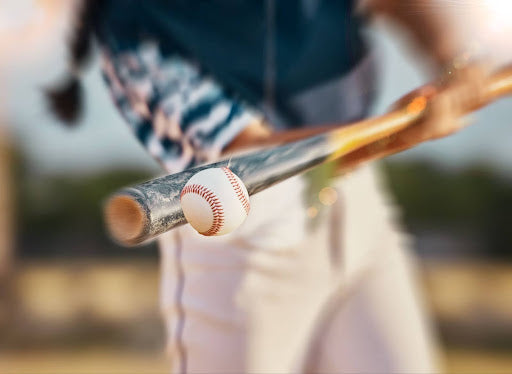
Have you ever wondered what makes composite baseball bats so popular among players? If you’re looking to improve your game or just curious about the gear you use, understanding what composite bats are made of can give you an edge.
These bats aren’t just ordinary sticks; they’re crafted with special materials that can boost your swing and durability. Keep reading, and you’ll discover exactly what goes into these high-performance bats—and why that matters for your next game.

Credit: www.demarini.com
Composite Bat Basics
Composite baseball bats are made using advanced materials. They offer different benefits than traditional bats. Understanding their makeup helps players choose the right bat.
These bats combine several layers of materials. This mix creates a bat that is strong and flexible. It also helps improve the bat’s performance.
What Makes A Bat Composite
A composite bat uses fibers and resin instead of just metal or wood. The fibers are usually carbon or fiberglass. Resin holds these fibers together in layers.
- Carbon fibers provide strength and light weight
- Fiberglass adds flexibility and durability
- Resin bonds the fibers tightly
- Layers are wrapped around a core for shape
Common Composite Bat Designs
Composite bats come in many designs. These designs affect how the bat feels and performs during play.
| Design Type | Features | Benefits |
| One-piece | Single composite tube | More flex and trampoline effect |
| Two-piece | Separate handle and barrel | Less vibration, better control |
| Hybrid | Metal handle with composite barrel | Balance of strength and feel |

Credit: www.slugger.com
Core Materials Inside
Composite baseball bats have a strong core made from special materials. These materials help make the bat light and durable.
The core materials give the bat its power and control during the game. Different components work together inside the bat.
Types Of Fibers Used
Fibers are the main part of a composite bat’s core. They give the bat strength and flexibility.
Carbon fibers and fiberglass are the most common types. Carbon fibers are very strong and light. Fiberglass adds toughness and helps absorb shock.
- Carbon fibers: strong, lightweight, flexible
- Fiberglass: tough, absorbs shocks, durable
- Blended fibers: mix of carbon and fiberglass for balance
Resins And Epoxy Roles
Resins and epoxy act as glue inside the bat. They hold the fibers tightly together.
These materials make the bat stiff and help it keep its shape. They also protect the fibers from damage and moisture.
- Resins: bond fibers, add stiffness
- Epoxy: strengthens bonds, resists moisture
- Protective layer: keeps core materials safe
Outer Layers And Coatings
Composite baseball bats are known for their strong outer layers. These layers are made from carbon fiber. The coatings help improve durability and performance.
The outer layers also protect the bat from damage. They make sure the bat lasts longer and performs well in games.
Protective Finishes
Protective finishes are important for composite bats. They help keep the bat safe from scratches and dents.
These finishes can include special coatings. They resist moisture and sunlight, keeping the bat in top condition.
- Scratch-resistant coatings
- UV-protective finishes
- Water-repellent layers
Grip And Handle Materials
The grip and handle of a composite bat are crucial. They need to offer comfort and control for the player.
Materials used for grips can include rubber and synthetic leather. These materials help players maintain a firm hold during swings.
- Rubber grips for comfort
- Synthetic leather for durability
- Textured surfaces for better grip

Credit: www.slugger.com
Material Benefits
Composite baseball bats combine different materials to improve player experience. These bats use layers of carbon fiber and resin for strength and lightness.
The mix of materials helps players hit harder and lasts longer than traditional bats.
Performance Enhancements
Composite bats offer several benefits that boost performance on the field. Their materials allow for better energy transfer and a larger sweet spot.
- Lightweight design helps players swing faster.
- Carbon fiber layers provide greater bat speed.
- Resin binds the materials to reduce vibration on contact.
- Extended sweet spot means more consistent hits.
Durability Factors
Composite bats are built to last longer than wooden or aluminum bats. The materials resist cracking and denting.
| Material | Durability Feature |
| Carbon Fiber | Strong and flexible, resists breaking |
| Resin | Seals layers tightly to prevent damage |
| Foam Core | Absorbs shock, reduces wear over time |
Material Drawbacks
Composite baseball bats use layers of different materials. These materials give bats unique features. Yet, they also have some downsides.
Understanding these drawbacks helps players choose the right bat. It also shows what to expect from composite bats.
Potential Weaknesses
Composite bats can break or crack more easily than metal bats. The layers inside can separate after heavy use.
They also need time to “break in” before they perform well. New bats may feel stiff or less powerful at first.
- Susceptible to cracks from cold weather
- Can lose performance if layers separate
- Require break-in period to reach full power
Cost Considerations
Composite bats usually cost more than aluminum or wood bats. The materials and manufacturing process add to the price.
Players should think about the price and how long the bat will last. High cost may not be worth it for beginners.
- Higher initial price than other bats
- May need replacement after damage
- Investment better for frequent players
Comparing Composite To Other Bats
Composite baseball bats are made from a mix of materials like carbon fiber and resin. These materials create a strong but light bat. Many players wonder how composite bats compare to aluminum and wood bats.
This guide looks at key differences between composite bats and other common bat types. It helps you understand the materials and performance of each bat.
Aluminum Vs Composite
Aluminum bats are made from a single metal alloy. Composite bats use layers of fibers and resin. Both bats offer light weight and good power, but there are important differences.
- Weight:Composite bats are often lighter than aluminum bats.
- Performance:Composite bats have a larger sweet spot and less vibration.
- Durability:Aluminum bats are less likely to crack but can dent.
- Break-in Time:Composite bats need time to reach peak performance.
- Cost:Composite bats usually cost more than aluminum bats.
Wood Vs Composite
Wood bats are made from solid tree trunks. Composite bats are made from layered materials. Each type offers unique benefits for players.
| Feature | Wood Bats | Composite Bats |
|---|---|---|
| Weight | Heavier | Lighter |
| Sweet Spot | Smaller | Larger |
| Durability | Can break easily | More durable but can crack |
| Vibration | More vibration on miss hits | Less vibration |
| Cost | Usually cheaper | More expensive |
Future Trends In Composite Bats
Composite baseball bats keep changing with new technology. They use lighter and stronger materials for better performance.
Manufacturers focus on making bats durable and eco-friendly. This helps players and the environment.
Innovative Materials
New materials help make composite bats lighter and tougher. Carbon fiber is common but now new fibers are tested.
Some bats use graphene, a very strong and light material. Others try natural fibers mixed with resins for better feel and strength.
- Graphene adds strength without weight
- Natural fibers improve bat flex and control
- Advanced resins help bats last longer
Sustainability Efforts
Manufacturers work to reduce waste and use eco-friendly materials. Some use recycled carbon fibers to lower environmental impact.
Companies also design bats that can be easily recycled after use. This helps reduce landfill and supports green sports equipment.
- Use of recycled carbon fiber and resins
- Designs for easy bat recycling
- Reduced production waste and emissions
Frequently Asked Questions
What Materials Are Used In Composite Baseball Bats?
Composite bats are made from layered carbon fiber, resin, and sometimes fiberglass. These materials combine to enhance strength, durability, and performance. The carbon fiber provides lightweight power, while resin binds the fibers tightly. This blend results in bats that offer better swing speed and reduced vibration.
How Do Composite Bats Differ From Aluminum Bats?
Composite bats differ by using carbon fiber layers instead of a single metal piece. This structure allows composite bats to have a larger sweet spot and less sting on impact. Aluminum bats are typically lighter but can produce more vibration.
Composite bats also require a break-in period for optimal performance.
Why Are Composite Baseball Bats Preferred By Players?
Players prefer composite bats for their balanced weight and enhanced power. These bats reduce vibration, making hits feel smoother. They also offer a larger sweet spot, improving hitting consistency. The durability and performance benefits make composite bats popular among competitive players.
Are Composite Bats More Durable Than Wooden Bats?
Composite bats are generally more durable than wooden bats. They resist cracking and warping better due to their layered construction. Wooden bats can break easily on mishits. Composite materials also maintain performance longer, making them a reliable choice for frequent players.
Conclusion
Composite baseball bats combine layers of materials for strength and lightness. They use carbon fiber, resin, and sometimes fiberglass to build a strong frame. This mix helps players swing faster and hit harder. The bats also reduce vibration, making them more comfortable to use.
Choosing the right bat depends on your style and needs. Understanding what these bats are made of helps you pick better gear. Keep these points in mind when shopping for your next bat. It makes a difference on the field.