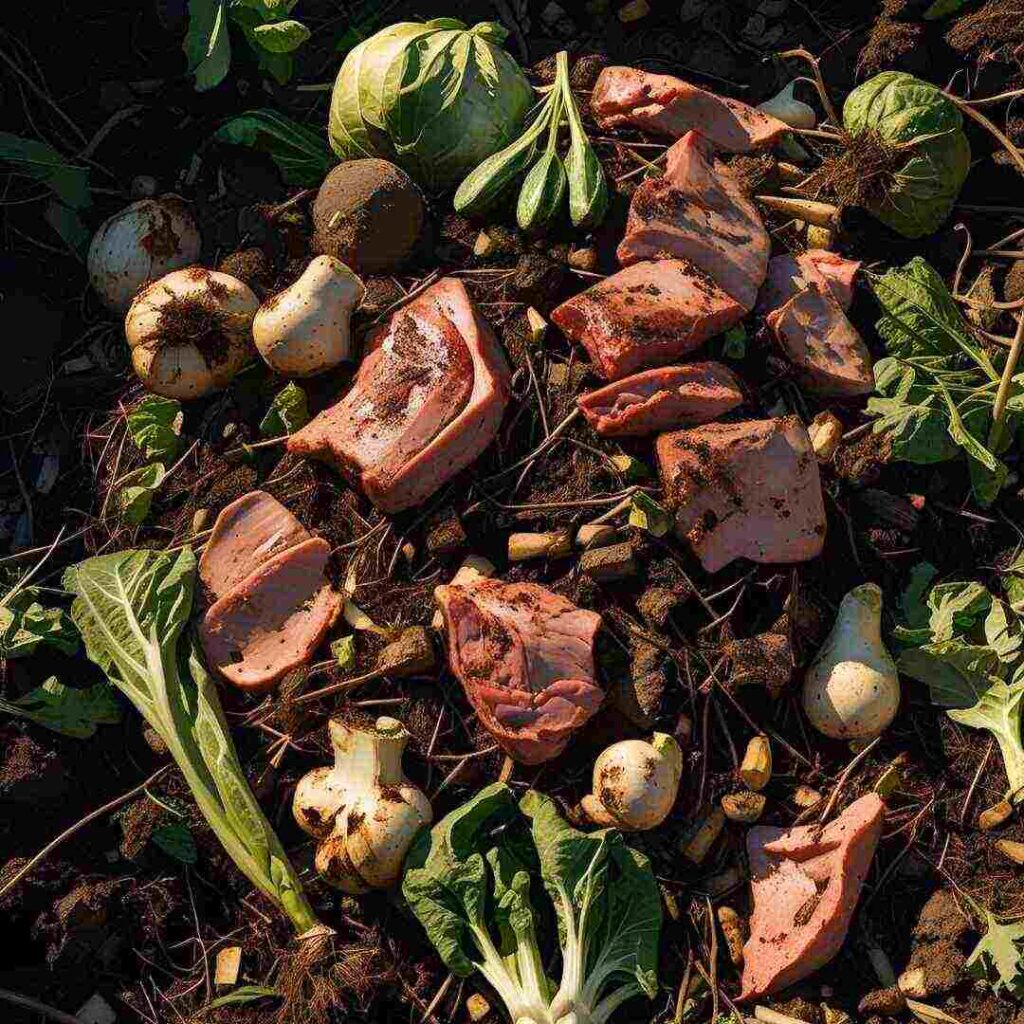
Are you wondering if you can toss meat scraps into your compost bin? It’s a common question for anyone trying to reduce waste and create rich soil at home.
You might think adding meat is a great way to boost nutrients, but there’s more to consider. What happens if you do? Will it help or harm your compost? Keep reading to discover the surprising truth about meat in compost and how to handle it the right way.
Your garden—and your nose—will thank you.
Why Meat In Compost Is Risky
Putting meat in a compost bin can cause several problems. It is not like composting plants or vegetables. Meat breaks down differently and can harm your compost pile.
Here are some key reasons why adding meat to compost is risky and often not recommended.
Attracting Pests And Animals
Meat in compost can attract unwanted pests and animals. This can cause a mess and disturb your compost area.
- Rodents like rats and mice come for the meat scraps.
- Raccoons and stray dogs may dig through the bin.
- Flies lay eggs, leading to maggot infestations.
- Wild animals may spread the waste around.
Odor Problems
Meat creates strong bad smells as it rots. This odor can upset neighbors and attract more pests.
| Type of Waste | Smell Level |
|---|---|
| Vegetable scraps | Mild |
| Fruit peels | Moderate |
| Cooked meat | Strong and foul |
| Raw meat | Very strong and foul |
Pathogen Concerns
Meat can carry harmful germs and bacteria. These pathogens can make the compost unsafe to use.
- Salmonella and E. coli can survive in meat scraps.
- These germs can spread to plants and soil.
- Improper composting may not kill all bacteria.
- Handling meat compost increases health risks.

Credit: ceercle.eu
Types Of Meat And Their Compostability
Meat waste often raises questions about composting. Not all meats break down the same way in a compost bin.
Understanding which types of meat you can compost helps keep your bin healthy and odor-free.
Raw Vs Cooked Meat
Raw meat is less processed and can sometimes be composted if done carefully. Cooked meat often has oils and seasonings that slow decomposition.
- Raw Meat:Can attract pests if not buried deep in the compost.
- Cooked Meat:Usually contains fats and spices that cause smells and pests.
- Proper Handling:Always cover meat scraps well with brown materials like leaves.
Processed Meat Products
Processed meats include items like sausages, bacon, and deli meats. These often have preservatives and salt, affecting compost quality.
| Processed Meat Type | Compostability | Notes |
|---|---|---|
| Sausages | Not Recommended | High fat and seasoning content |
| Bacon | Not Recommended | Contains preservatives and fat |
| Deli Meats | Not Recommended | Salt and additives slow breakdown |
| Jerky | Not Recommended | Very dry, breaks down slowly |
Safe Methods To Compost Meat
Composting meat can be tricky. It needs special care to prevent odors and pests. Learn how to do it safely with the right methods.
Using a hot composting system, specialized composters, or burying meat deep can help. These methods make sure meat breaks down safely.
Using A Hot Composting System
Hot composting uses high temperatures. It breaks down meat quickly and safely. This method kills harmful bacteria and reduces odors.
Keep the compost at 140°F (60°C) or higher. Turn the pile often to maintain heat. This speeds up the decomposition process.
- Use a thermometer to check temperature
- Add brown materials for balance
- Turn the pile weekly
Specialized Composters For Meat
Some composters are made for meat. They have special features to handle tougher materials. These composters keep pests away and reduce smells.
Look for composters with tight lids and strong construction. These features help contain odors and keep animals out.
- Buy a composter designed for meat
- Check for pest-proof features
- Ensure good ventilation
Burying Meat Deep In The Pile
Burying meat deep in the compost pile helps. It reduces smell and keeps pests away. Make sure the meat is covered well with other materials.
Dig a hole in the center of the pile. Place the meat inside and cover it with brown materials. This helps it break down safely.
- Bury meat at least 18 inches deep
- Cover with leaves or straw
- Check regularly for decomposition
Alternatives To Composting Meat
Composting meat can cause problems like bad odors and pests. Many people look for other ways to dispose of meat scraps safely.
This guide explores some good alternatives to composting meat. You will learn about trash disposal, animal feed, and recycling programs.
Trash Disposal Options
Throwing meat in the trash is the most common way to get rid of it. It stops pests from spreading in your compost bin.
- Place meat scraps in sealed bags to reduce smell.
- Put the bags in outdoor bins with lids.
- Check local rules for garbage collection of food waste.
- Use freezer bags if you want to store meat waste until trash day.
Animal Feed Uses
Some farms use meat scraps to feed animals. This process follows safety rules to prevent disease.
- Meat can be cooked and processed for certain livestock.
- Only approved facilities can use meat waste for feed.
- Never feed raw or spoiled meat to animals.
- Check with local farms or animal centers about accepting meat waste.
Rendering And Recycling Programs
Rendering plants recycle meat byproducts into useful materials. These programs help reduce waste and create products like animal fat and protein.
| Type of Meat Waste | Recycled Product |
| Fat and Grease | Biofuel, Soap |
| Bones | Fertilizer, Gelatin |
| Trimmings | Animal Feed, Pet Food |
Best Practices For Successful Composting
Composting is a natural way to recycle organic waste. It helps create rich soil for gardens and plants. Proper composting needs care and attention.
Knowing what to add and how to care for your compost bin makes a big difference. Here are some key practices to keep your compost healthy and effective.
Balancing Greens And Browns
Compost needs a mix of green and brown materials. Greens are wet and rich in nitrogen. Browns are dry and provide carbon. Both are important for good compost.
- Green materials: fruit scraps, vegetable peels, coffee grounds, grass clippings
- Brown materials: dry leaves, straw, paper, cardboard
- Aim for about 2 to 3 parts brown to 1 part green
- Too many greens cause bad odors and slow composting
- Too many browns slow down decomposition
Maintaining Proper Temperature
Temperature shows how well your compost works. Hot compost breaks down waste quickly and kills pests. Ideal temperatures are between 130°F and 160°F (54°C to 71°C).
| Temperature Range | Effect |
| Below 100°F (38°C) | Slow decomposition, possible pests |
| 130°F to 160°F (54°C to 71°C) | Best for fast composting and killing pathogens |
| Above 160°F (71°C) | Can kill helpful microbes, slow process |
Turning And Aeration
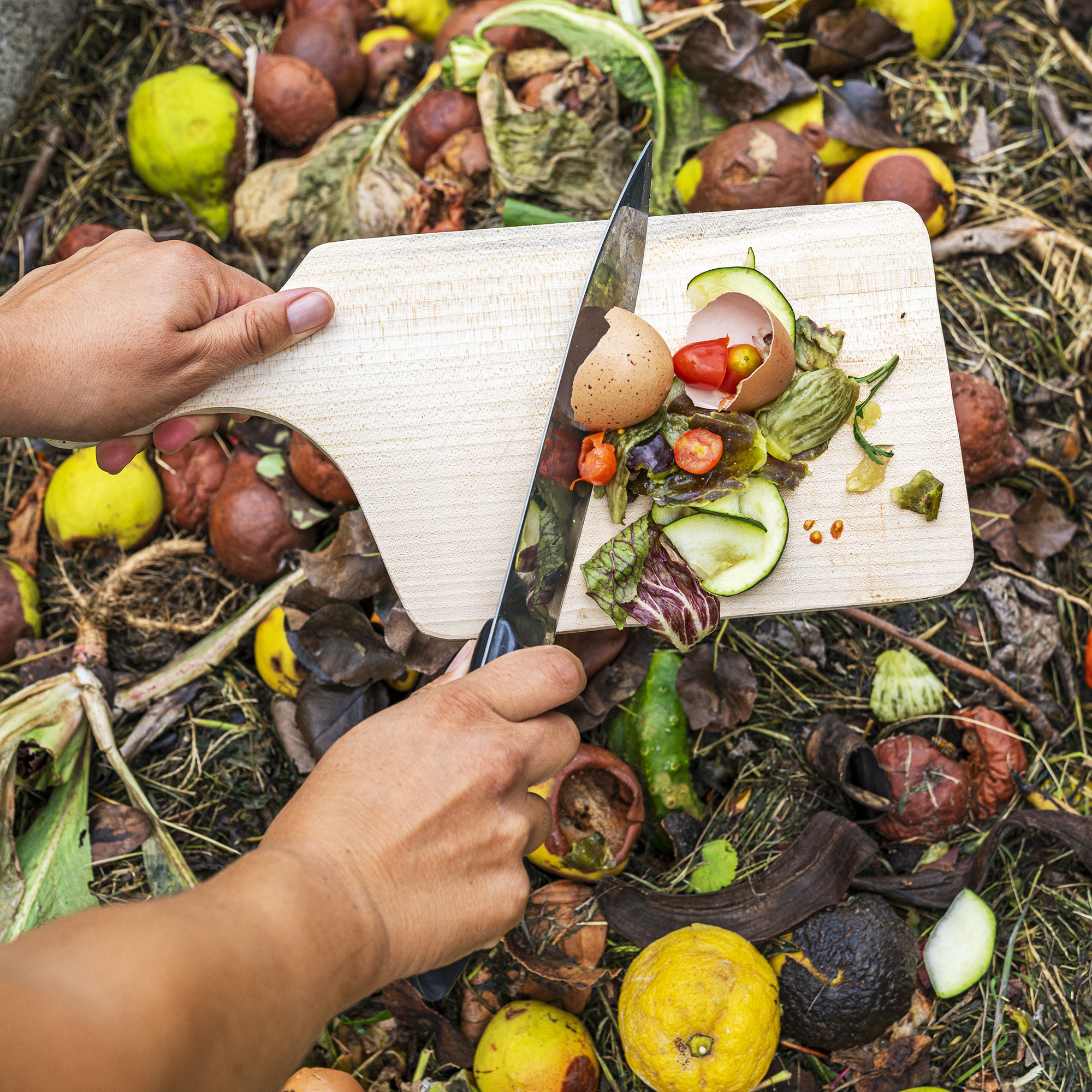
Oxygen helps microbes break down compost. Turning your compost regularly adds air. It stops smells and speeds up the process.
Follow these tips for turning:
- Turn compost every 1 to 2 weeks.
- Use a garden fork or compost aerator tool.
- Mix the outside parts into the center.
- Check moisture; it should feel like a damp sponge.
- Add water if too dry, or add browns if too wet.
Credit: www.gardeningknowhow.com
Troubleshooting Common Issues
Adding meat to your compost bin can cause problems if you do not manage it well. It can lead to bad smells, pests, and slow breakdown of materials.
This guide helps you fix common issues when composting meat safely and effectively.
Dealing With Odors
Meat in compost can create strong, unpleasant odors. These smells come from rotting proteins and fats.
- Cover meat scraps with dry brown materials like leaves or shredded paper.
- Keep your compost moist but not wet to reduce smell.
- Turn the compost often to add oxygen and speed up decomposition.
- Use a closed compost bin to trap odors.
Controlling Pests
Meat attracts pests such as rats, raccoons, and flies. These animals can cause damage and spread disease.
| Preventive Action | Why It Helps |
| Use a sealed compost bin | Keeps pests out |
| Bury meat deep in the pile | Reduces smell and visibility |
| Avoid adding large meat amounts | Limits attraction to pests |
| Keep compost away from house | Reduces pest encounters |
Preventing Slow Decomposition
Meat breaks down slower than plant waste. This can stall your compost process.
Follow these tips for faster composting:
- Chop meat into small pieces before adding.
- Balance with plenty of high-carbon materials.
- Keep the pile warm by turning it regularly.
- Avoid adding too much meat at once.

Credit: ceercle.eu
Frequently Asked Questions
Can You Compost Meat In A Home Compost Bin?
No, composting meat in a home bin is not recommended. Meat attracts pests and causes odors. It also takes longer to break down and may spread harmful bacteria.
Why Is Meat Not Good For Compost Bins?
Meat decomposes slowly and produces strong odors. It attracts rodents and flies, which can disrupt your compost. This makes the compost unsafe and unpleasant.
What Happens If Meat Is Added To Compost?
Adding meat can cause bad smells and pest infestations. It may also introduce pathogens that harm plants. Overall, it slows the composting process and reduces quality.
Are There Safe Ways To Compost Meat?
Yes, using specialized composters like bokashi or commercial systems can safely break down meat. These methods control odors and pests effectively. Regular home compost bins are unsuitable for meat.
Conclusion
Meat in a compost bin can cause problems. It attracts pests and creates bad smells. It also takes longer to break down. Most compost systems work best with plant scraps. Use vegetable peels, coffee grounds, and leaves instead. Keep your compost healthy and clean this way.
You will get rich soil for your garden. Avoid adding meat for better results. Composting can be easy and safe with the right materials. Try it and see the difference yourself!