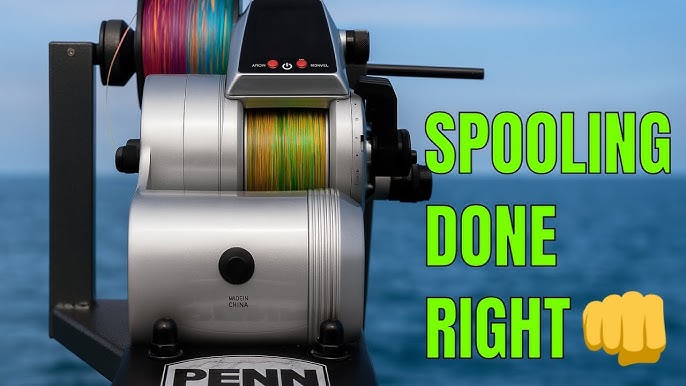
If you want to fish with confidence, knowing how to wind fishing line on a spinning reel is a must. Getting this step right means smoother casts, fewer tangles, and better control over your catch.
Whether you’re a beginner or looking to improve your technique, this guide will walk you through the simple, effective way to load your line like a pro. Keep reading, and you’ll soon master a skill that makes every fishing trip more enjoyable and successful.
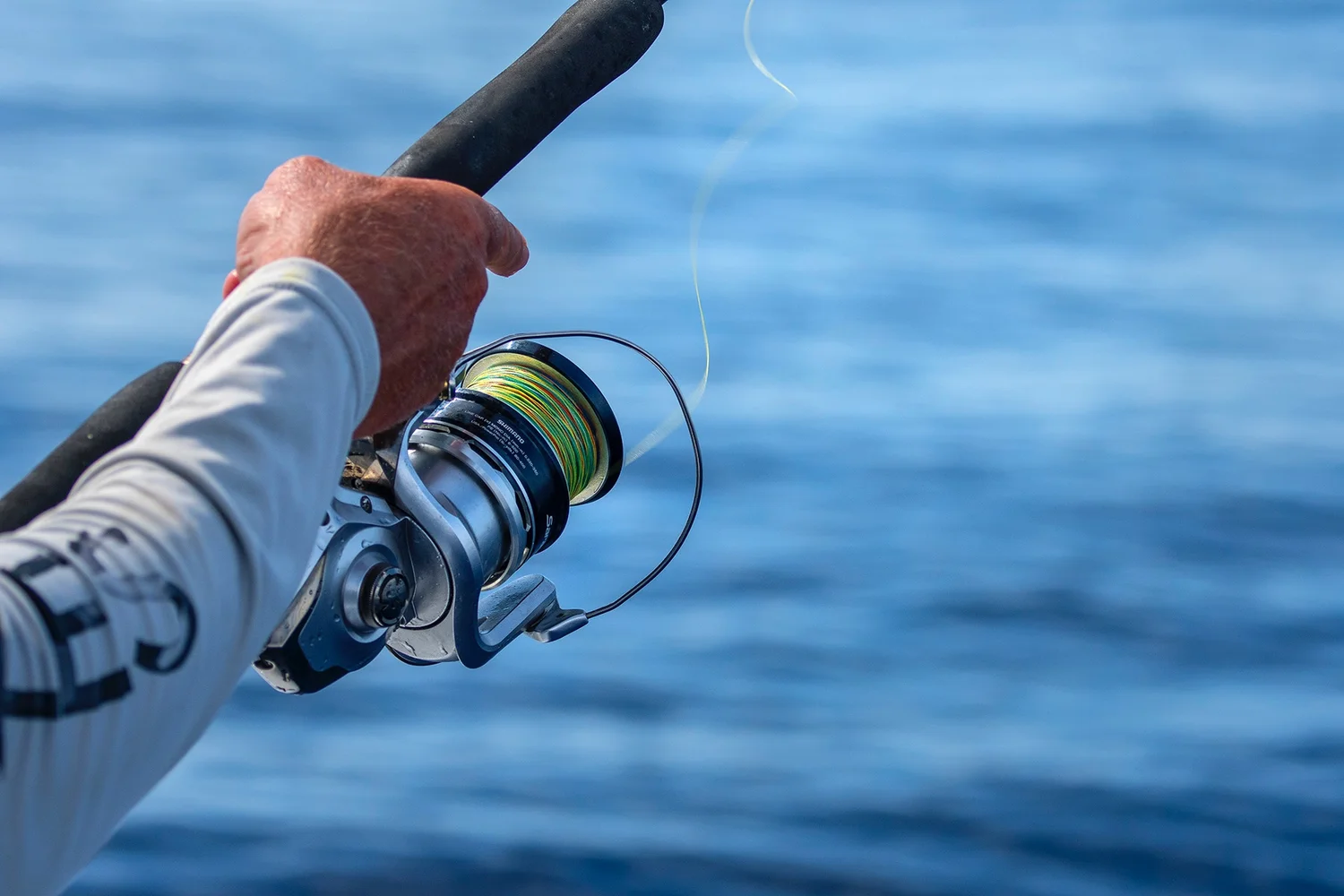
Credit: intothebluefishing.com
Choosing The Right Line
Choosing the right fishing line is important for a good fishing experience. The line affects casting, bait presentation, and catching fish.
Selecting the proper line depends on the type of fish and the reel you use. Knowing your options helps you make the best choice.
Types Of Fishing Line
There are three main types of fishing line. Each type has different features and uses.
- Monofilament:This line is flexible and stretches well. It is good for beginners.
- Fluorocarbon:This line is less visible underwater and sinks faster.
- Braid:Braid is very strong and thin. It has little stretch and is good for heavy cover.
Line Strength And Diameter
Line strength is measured by pound test. It shows how much weight the line can hold before breaking.
Diameter affects how much line fits on the reel and how the line moves in water. Thinner lines cast farther and are less visible.
- Choose a line strong enough for the fish you want to catch.
- Use thinner lines for better casting and less fish spooking.
- Thicker lines hold up better against rough surfaces and big fish.
Matching Line To Reel
Spinning reels have limits on how much line they can hold. Check the reel’s spool size before choosing line.
Use the reel’s recommended line strength and diameter. This ensures smooth casting and reduces line tangles.
- Match line diameter with the spool capacity.
- Do not overload the reel with too thick or too much line.
- Use the line type that works well with your reel drag system.
Preparing The Spinning Reel
Preparing your spinning reel is important for smooth fishing. It helps avoid tangles and ensures better casting. Follow these steps to get your reel ready.
This guide shows how to attach the reel, open the bail, and remove old line properly. Each step is simple and clear for beginners.
Attaching The Reel To The Rod
First, find the reel seat on your rod. It is usually near the handle. Slide the reel foot into the seat and tighten the locking mechanism. Make sure the reel is secure and does not move.
- Locate the reel seat on the rod handle
- Insert the reel foot into the seat
- Tighten the reel seat lock firmly
- Check the reel for any wobbling
Opening The Bail
The bail is the metal arm on the reel that guides the line. To wind new line, open the bail by flipping it up. This stops the line from tightening and lets you spool the line easily.
Opening the bail correctly:
- Hold the reel handle firmly
- Flip the bail arm up until it clicks
- Keep the bail open while adding new line
Removing Old Line
Removing old line helps avoid knots and weak spots. Start by cutting the line near the reel. Pull the old line off slowly until the spool is empty. Dispose of the old line properly.
| Action | Description |
| Cut line | Use scissors or a knife to cut near the reel |
| Remove line | Pull the line off the spool carefully |
| Dispose | Throw old line in trash or recycling if possible |
Threading The Line
Learning how to wind fishing line on a spinning reel begins with threading the line. This is a crucial step in ensuring a smooth casting experience.
Follow these simple steps to make sure your fishing line is properly threaded and ready for use.
Passing Line Through Guides
Start by passing the line through the guides on your fishing rod. These guides help keep the line straight and prevent tangles.
- Open the bail arm of your spinning reel.
- Insert the line through the first guide near the reel.
- Continue threading through each guide towards the tip.
- Ensure the line is not twisted or tangled.
Tying The Line To The Spool
Once the line is through the guides, you need to secure it to the spool. This step is vital for maintaining tension and control.
Use a simple knot to attach the line to the spool. Make sure the knot is tight and secure.
Securing The Knot
After tying the line to the spool, it is important to secure the knot. This ensures the line does not slip during use.
Secure the knot by pulling the line tight while holding the spool. Double-check to make sure the line is firmly attached.

Credit: www.youtube.com
Winding The Line
Winding the fishing line on a spinning reel is key to good fishing. It helps the reel work well and keeps the line safe. This guide shows how to wind line correctly on your spinning reel.
Proper winding stops problems like tangles and twists. Follow these tips to keep your line neat and ready for fishing.
Maintaining Line Tension
Keep the line tight as you wind it on the reel. Loose line can cause tangles and reduce casting distance. Hold the line with your fingers or use a cloth to keep steady tension.
Try to keep the pressure even. Too much pressure can stretch the line. Too little causes loops and slack.
Spooling Techniques
Start by attaching the line to the spool correctly. Then, fill the spool evenly without overfilling. Overfilled spools cause line to slip off easily.
- Place the spool of line on a flat surface or have a friend hold it.
- Make sure the line comes off the spool in the same direction as the reel spool turns.
- Wind the line slowly and evenly onto the reel spool.
- Stop filling when the line is about 1/8 inch below the spool edge.
Avoiding Line Twists And Overlaps
Line twists cause problems like knots and poor casting. To avoid twists, let the line come off the filler spool smoothly without turning.
| Cause | How to Avoid |
|---|---|
| Twisting from spool rotation | Make sure line spool rotates freely or is held steady |
| Overlapping loose loops | Keep tension steady and wind line evenly |
| Overfilling spool | Fill line only to 1/8 inch below spool edge |
Finishing Touches
After winding the fishing line on your spinning reel, you need to complete a few final steps. These steps ensure the line is secure and ready for fishing.
Pay attention to these finishing touches to avoid line problems and enjoy smooth casting.
Cutting The Line
Once you have enough line on the spool, cut the line carefully. Leave about six inches of extra line from the reel.
Use sharp scissors or a line cutter to make a clean cut. Avoid frayed ends that can tangle easily.
Closing The Bail
After cutting the line, close the bail arm on the spinning reel. This locks the line in place on the spool.
Make sure the bail snaps fully to avoid line slipping during casts or retrieves.
Testing The Line Setup
Before fishing, test the line setup by pulling some line off the reel. It should come off smoothly without catching.
Try turning the reel handle to check the drag and line tension. Adjust if needed for proper function.
Common Mistakes To Avoid
Winding fishing line on a spinning reel seems simple but often causes issues. Avoiding common mistakes helps the line last longer and improves fishing.
Pay attention to the process to keep your setup smooth and ready for action. Small errors can lead to big problems on the water.
Overfilling The Spool
Putting too much line on the spool causes tangles and line breakage. It also makes casting harder and less accurate.
Keep some space at the top of the spool. About 1/8 inch below the edge is best to avoid overfilling.
- Overfilled spool causes bird nests (line tangles)
- Too much line can slip off the spool during cast
- Less line space means less smooth casting
Loose Knots
Tying loose knots lets the line slip and unravel. It weakens the connection and can cause lost fish.
Tighten all knots firmly. Wet the line before pulling knots tight to protect the line strength.
- Loose knots reduce line strength
- Knots can come undone during casting or fighting fish
- Always check knots before fishing
Ignoring Line Direction
Line must wind onto the spool in the correct direction. Winding it the wrong way causes twisting and tangles.
Make sure the line flows off the filler spool in the same direction as the reel spool. This keeps line tight and neat.
- Wrong direction causes line twist
- Twisted line leads to knots and tangles
- Check line flow before winding

Credit: www.reddit.com
Frequently Asked Questions
How Do I Start Winding Fishing Line On A Spinning Reel?
First, attach the line to the reel spool using an arbor knot. Hold the line taut while turning the reel handle slowly to wind evenly.
What Is The Best Way To Avoid Line Twists?
Keep the line taut and spool it under light tension. Avoid overfilling the spool and use quality line to reduce twists.
How Much Fishing Line Should I Put On My Reel?
Fill the spool to about 1/8 inch below the rim. Overfilling causes tangles; underfilling reduces casting distance.
Can I Use Any Fishing Line For Spinning Reels?
No, use line types compatible with your reel, like monofilament or braided lines. Check manufacturer recommendations for best results.
Conclusion
Winding fishing line on a spinning reel is simple and important. Proper winding helps avoid tangles and line breaks. Take your time to keep the line tight and even. Check your work often to fix any loose spots. Practice makes the process easier and faster.
A well-wound reel improves your fishing experience. Try these steps next time you prepare your gear. Fishing becomes more enjoyable with good reel care. Keep your line fresh and ready for action. You’ll catch more fish with less hassle.