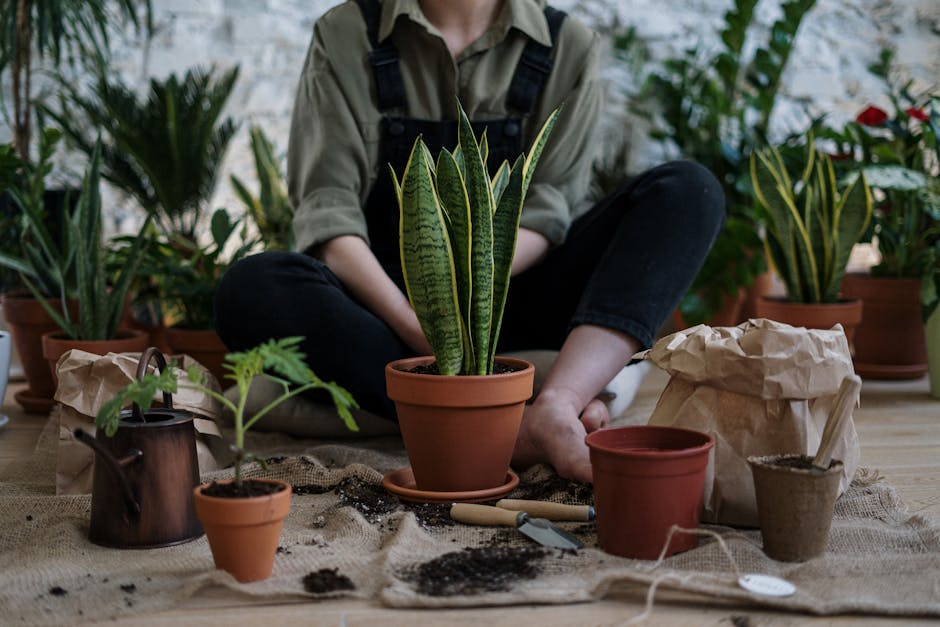
Are you ready to transform your raised garden bed into a thriving, green oasis? Knowing exactly what to plant can make all the difference between a garden that flourishes and one that struggles.
Whether you’re a beginner or have some gardening experience, choosing the right plants for your raised bed is key to enjoying fresh, homegrown produce and beautiful blooms. In this guide, you’ll discover simple, effective options that suit your space, soil, and lifestyle—so you can start planting with confidence and watch your garden grow like never before.
Keep reading to find out what can thrive best in your raised garden bed and how to get started today!

Credit: www.vegogarden.com
Benefits Of Raised Garden Beds
Raised garden beds make planting easier and more effective. They help plants grow better by improving soil and water conditions.
Many gardeners prefer raised beds because they offer better control over the garden environment. These beds protect plants and make gardening more enjoyable.
Improved Soil Drainage
Raised beds allow water to drain faster than ground soil. This stops water from pooling around plant roots and causing damage.
Good drainage helps prevent root rot and keeps plants healthy. It also stops soil from becoming too compacted or soggy.
Better Soil Quality Control
In raised beds, you can choose the soil you use. This means you can add rich, healthy soil that helps plants grow strong.
You avoid poor soil problems like rocks, clay, or pests. Controlling soil quality leads to better plant growth and higher yields.
Ease Of Access And Maintenance
Raised beds are easier to reach because they sit above ground level. This means less bending and kneeling for gardeners.
Weeding, watering, and harvesting become simpler tasks. This makes gardening more comfortable and less tiring for everyone.
Choosing The Right Vegetables
Raised garden beds offer great soil and drainage for your plants. Choosing the right vegetables helps you get the best results. Pick plants that match your space and climate.
Some vegetables grow fast, while others need more time. Think about what you want to eat and how long you can care for your garden.
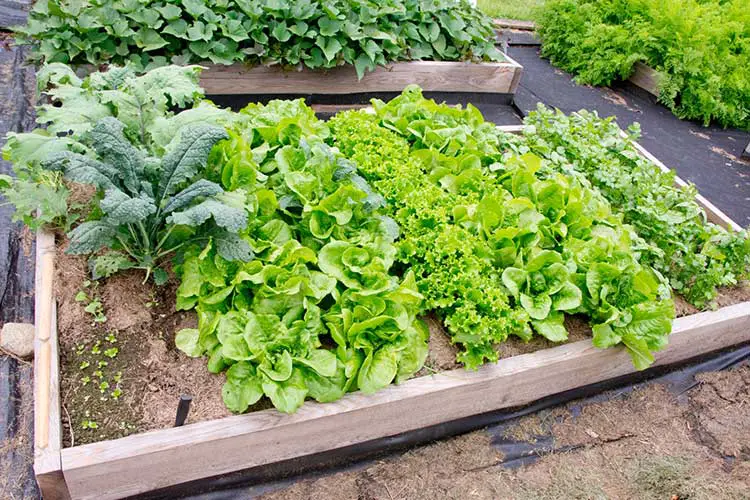
Leafy Greens For Quick Harvests
Leafy greens grow quickly and fit well in small spaces. They do best in cool weather and need regular watering. You can start harvesting leaves in just a few weeks.
- Spinach
- Lettuce
- Kale
- Arugula
- Swiss chard
Root Vegetables That Thrive
Root vegetables like loose, deep soil. Raised beds help by giving roots space to grow. They take longer to mature but store well after harvest.
| Vegetable | Days to Harvest | Soil Needs |
| Carrots | 70-80 | Loose, sandy |
| Radishes | 25-30 | Well-drained |
| Beets | 50-60 | Rich, loose |
| Turnips | 40-60 | Loamy, well-drained |
Popular Fruiting Veggies
Fruiting vegetables like tomatoes and peppers need full sun and good soil. They often need support as they grow. These plants take longer but give a big harvest.
- Tomatoes
- Peppers
- Cucumbers
- Eggplants
- Zucchini
Best Herbs For Raised Beds
Raised garden beds offer a great way to grow herbs. They provide good drainage and soil control. You can grow a variety of herbs in a small space.
Whether you like cooking or need herbs for health, raised beds are ideal. Let’s explore some of the best herbs you can plant.
Easy-to-grow Culinary Herbs
Culinary herbs are perfect for anyone who loves to cook. They add flavor and aroma to dishes. Here are some easy-to-grow culinary herbs for your raised beds.
- Basil: Great for pasta and salads.
- Parsley: Adds freshness to dishes.
- Mint: Ideal for drinks and desserts.
- Thyme: Complements meats and stews.
Medicinal And Aromatic Herbs
Medicinal and aromatic herbs have various uses. They can be used for health benefits or their pleasant scent. Consider planting these herbs.
| Herb | Uses |
| Lavender | Calming and aromatic |
| Chamomile | Soothing tea |
| Echinacea | Boosts immunity |
Companion Planting Benefits
Companion planting can boost the health of your garden. Some herbs help each other grow better. Here are a few combinations to try.
- Basil and tomatoes: Basil repels pests.
- Dill and cabbage: Dill attracts beneficial insects.
- Rosemary and beans: Rosemary deters bean beetles.
Credit: www.farmfreshchoice.com
Soil And Sunlight Needs
Raised garden beds offer great control over soil and sunlight. Knowing what plants need helps you grow better veggies.
Good soil and enough sun are key. This guide covers soil preparation, sunlight needs, and bed placement tips.
Soil Preparation Tips
Healthy soil feeds plants and holds moisture well. Start by removing weeds and debris from your raised bed.
- Mix compost or aged manure into the soil for nutrients.
- Use a balanced garden soil mix with good drainage.
- Test soil pH; most vegetables prefer a pH of 6.0 to 7.0.
- Loosen soil regularly to help roots grow deep.
- Add mulch to keep soil moist and prevent weeds.
Sunlight Requirements For Veggies
Most vegetables need at least six hours of direct sunlight daily. Leafy greens can tolerate less sun.
| Vegetable | Sunlight Needed |
| Tomatoes | 6-8 hours |
| Carrots | 6 hours |
| Lettuce | 4-6 hours |
| Peppers | 6-8 hours |
| Spinach | 4-6 hours |
Optimizing Bed Placement
Place your raised bed where it gets the most sun. Avoid shade from trees or buildings.
- Face the longest side of the bed south to catch sunlight.
- Keep beds away from tall fences or walls.
- Ensure good air flow to prevent plant diseases.
Watering And Maintenance Tips
Growing plants in raised garden beds can be easier with good watering and care. Proper care helps plants stay healthy and produce well.
This guide shares simple tips for watering and maintaining your raised garden bed plants.
Efficient Watering Techniques
Water plants early in the morning or late in the evening to reduce evaporation. Use drip irrigation or soaker hoses for steady water supply.
Check soil moisture by touching it. Water deeply but less often to encourage strong roots.
- Water in the cool parts of the day
- Use drip or soaker hoses
- Test soil moisture before watering
- Water deeply to reach roots
Pest Control Strategies
Watch your plants daily for pests like aphids and caterpillars. Remove pests by hand or spray with mild soap water.
Plant herbs like basil or marigold nearby to help keep bugs away naturally. Use barriers like row covers to protect young plants.
- Inspect plants every day
- Pick off pests by hand
- Use mild soap spray for bugs
- Grow pest-repelling plants nearby
- Cover plants with mesh or cloth
Seasonal Care Advice
Adjust watering and care as seasons change. In hot months, water more often and mulch to keep soil cool.
In colder months, reduce watering and cover plants to protect from frost. Clean up dead leaves to prevent disease.
- Water more in summer, less in winter
- Use mulch to keep soil temperature steady
- Cover plants during frost
- Remove dead leaves and debris
Creative Planting Combinations
Raised garden beds offer a great way to grow many plants in a small area. Using creative planting combinations helps you get more from your garden.
Choosing the right mix of plants can improve growth, save space, and add beauty to your garden.
Mixing Vegetables And Herbs
Planting vegetables and herbs together can boost growth and protect plants. Herbs often repel pests that harm vegetables.
Some herbs also improve soil health and attract helpful insects like bees.
- Basil grows well with tomatoes and keeps bugs away.
- Chives help protect carrots and improve their flavor.
- Parsley pairs nicely with peppers and lettuce.
- Thyme can be planted near cabbage to repel worms.
Succession Planting Ideas
Succession planting means planting new crops after harvesting early ones. This keeps your garden growing all season.
Use quick-growing plants to fill space before slower ones need it.
- Plant radishes first, then spinach or lettuce in the same spot.
- Harvest peas early, then plant beans or cucumbers.
- Start with cool-season crops, then switch to warm-season vegetables.
Maximizing Space In Small Beds
Using vertical space lets you grow more in small raised beds. Tall plants and trellises help you use height.
Growing plants with different root depths avoids crowding in the soil.
- Grow peas or beans on trellises to save ground space.
- Plant deep-rooted carrots with shallow lettuce.
- Use square-foot gardening to organize plants tightly.
- Include small herbs or flowers in empty spaces.

Credit: www.vegega.com
Frequently Asked Questions
What Vegetables Grow Best In Raised Garden Beds?
Leafy greens, tomatoes, peppers, carrots, and radishes thrive well. Raised beds offer excellent drainage and soil control for these crops. They also allow for warmer soil temperatures, promoting faster growth and higher yields in these vegetables.
Can I Plant Flowers In A Raised Garden Bed?
Yes, flowers like marigolds, petunias, and pansies grow beautifully. Raised beds improve soil quality and drainage, creating ideal flower-growing conditions. Flowers can also attract beneficial insects to your garden, improving overall plant health.
How Do I Prepare Soil For Raised Garden Beds?
Mix quality compost, garden soil, and organic matter evenly. This combination ensures rich nutrients, good drainage, and proper aeration. Preparing soil this way supports healthy root development and robust plant growth.
Are Herbs Suitable For Raised Garden Beds?
Absolutely, herbs like basil, thyme, and rosemary flourish in raised beds. They benefit from well-drained soil and controlled growing conditions. Raised beds make it easier to manage herbs’ watering and sunlight needs efficiently.
Conclusion
Raised garden beds offer great options for growing many plants. You can grow vegetables, herbs, and flowers with ease. The soil stays loose and drains well for healthy roots. Choose plants that match your climate and sunlight. Start small and see what grows best in your bed.
Enjoy fresh produce and colorful blooms from your garden. Raised beds make gardening simple and fun for everyone. Give it a try and watch your garden thrive.