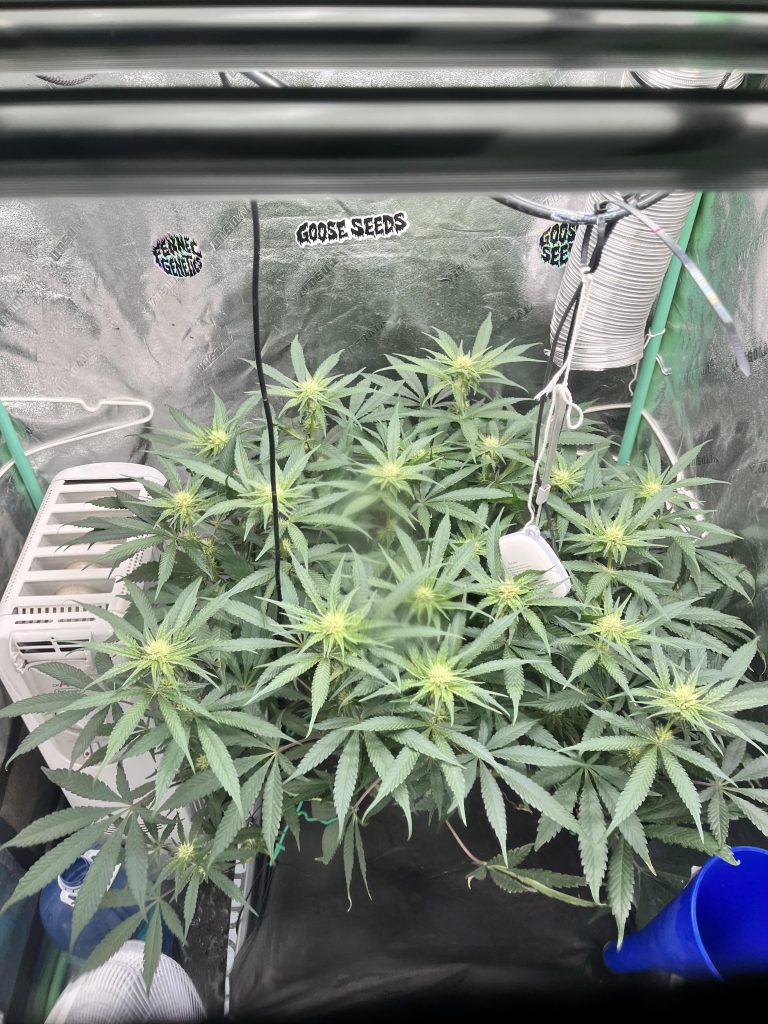
Is your grow tent feeling more like a sauna than a perfect plant haven? High humidity can slow down your plants’ growth, invite mold, and cause all sorts of problems you don’t want to deal with.
But don’t worry—you can fix it. You’ll discover simple, effective ways to get the humidity down in your grow tent. By the end, you’ll have the tools and tips to create the ideal environment your plants need to thrive. Ready to take control and boost your grow tent’s performance?
Let’s dive in.
Causes Of High Humidity
High humidity in a grow tent can slow plant growth and cause mold. It is important to understand what causes humidity to rise.
Knowing the main reasons helps you fix the problem and keep plants healthy.
Watering Practices
Overwatering your plants adds extra moisture to the air. Water left standing in trays or pots can increase humidity.
Watering at the wrong time can also raise humidity levels inside the tent.
- Water plants early in the day for better evaporation
- Remove excess water from trays after watering
- Use proper potting mix to reduce water retention
Poor Ventilation
Lack of fresh air causes humidity to build up inside the grow tent. Without good airflow, moisture stays trapped.
Fans and vents help move moist air out and bring dry air in.
- Use exhaust fans to remove humid air
- Add intake vents to bring fresh air in
- Place circulation fans inside the tent
Plant Transpiration
Plants release water vapor through leaves. This natural process is called transpiration.
More plants or bigger leaves produce more moisture, raising humidity.
- Limit the number of plants in the tent
- Choose plants with smaller leaves
- Monitor plant health to control transpiration
Environmental Factors
Outside weather affects humidity inside the grow tent. Warm, wet air raises humidity levels.
Temperature changes and nearby water sources can also add moisture to the air.
- Keep the grow tent away from wet areas
- Control tent temperature to reduce moisture
- Use a dehumidifier if outside air is very humid

Credit: www.reddit.com
Monitoring Humidity Levels
Keeping the right humidity in your grow tent is key for healthy plants. Watching humidity levels helps you avoid problems like mold or dry leaves.
Good tools and knowledge make it easier to control moisture in the air. Let’s explore how to check and manage humidity well.
Using Hygrometers
A hygrometer is a tool that measures the amount of moisture in the air. It shows you the current humidity level inside your grow tent.
Place the hygrometer near your plants but away from direct water or heat sources. Check it daily to track any changes in humidity.
- Choose a digital or analog hygrometer for easy reading
- Use more than one if your tent is large
- Calibrate your hygrometer to keep readings accurate
- Record humidity levels at different times of the day
Ideal Humidity Ranges For Plants
Different plants need different humidity levels to grow well. Too high or too low humidity can hurt plant health.
| Plant Type | Ideal Humidity Range (%) |
|---|---|
| Seedlings and clones | 65 – 80 |
| Vegetative stage plants | 40 – 70 |
| Flowering stage plants | 40 – 50 |
| Fruiting plants | 50 – 60 |
Keep your grow tent humidity within these ranges to help plants thrive. Adjust your humidifier or dehumidifier as needed.
Improving Ventilation
Managing humidity in a grow tent is crucial for plant health. Proper ventilation is key to keeping humidity levels down.
By enhancing airflow, you can prevent mold and other issues. Here are some steps to improve ventilation in your grow tent.
Installing Exhaust Fans
Exhaust fans help remove stale air from your grow tent. This reduces humidity and keeps air fresh for your plants.
- Choose a fan size suitable for your tent.
- Mount the fan at the top of the tent.
- Ensure the fan directs air outside the tent.
- Regularly check and clean the fan.
Adding Intake Vents
Intake vents allow fresh air to enter the grow tent. This balances the air pressure and aids in humidity control.
Ensure intake vents are not blocked. Use mesh or filters to keep pests out.
Using Oscillating Fans
Oscillating fans circulate air inside the grow tent. They prevent hot spots and maintain even humidity levels.
- Place fans at different heights in the tent.
- Adjust fan speed to avoid direct airflow on plants.
- Ensure continuous movement for balanced air circulation.
| Fan Type | Purpose |
| Exhaust Fan | Removes stale air |
| Intake Vent | Brings in fresh air |
| Oscillating Fan | Circulates air |
Controlling Water Sources
Humidity control in a grow tent depends a lot on managing water sources. Water adds moisture to the air, so controlling it helps lower humidity. Proper watering habits keep your plants healthy and reduce dampness.
This guide covers three key ways to control water in your grow tent. Adjust your watering schedule, avoid overwatering, and manage soil moisture carefully. These steps help keep humidity at the right level.
Adjusting Watering Schedule
Water plants only when they need it. Overwatering adds extra moisture to the air inside the tent. Use a timer or check the soil before watering. Watering early in the day lets water evaporate faster.
- Check soil dryness before watering.
- Water plants in the morning.
- Reduce water frequency in humid conditions.
- Use smaller amounts of water each time.
Avoiding Overwatering
Overwatering raises humidity and harms roots. Plants do not need water every day. Let soil dry slightly between watering. Use pots with drainage holes to stop water buildup.
| Signs of Overwatering | Actions to Take |
| Wilting leaves | Check soil moisture |
| Yellow leaf edges | Cut back watering |
| Soil stays wet for days | Improve drainage |
| Fungus growth | Reduce humidity and water |
Managing Soil Moisture
Soil moisture affects tent humidity. Use soil that drains well to avoid water pooling. Add materials like perlite to improve drainage. Monitor soil moisture with a meter or by touch.
- Choose light, well-draining soil mixes.
- Use moisture meters to check soil regularly.
- Allow soil surface to dry before next watering.
- Place trays to catch excess water below pots.
Using Dehumidifiers
Controlling humidity in your grow tent is key for healthy plants. Dehumidifiers help keep moisture levels low. They remove excess water from the air.
This guide covers how to pick the right dehumidifier, where to place it, and how to care for it.
Choosing The Right Size
Select a dehumidifier that matches your tent’s size and humidity level. Too small units will not work well. Too large units waste energy.
| Grow Tent Size | Recommended Dehumidifier Capacity (pints/day) |
| 2×2 feet | 10-15 |
| 4×4 feet | 20-30 |
| 5×5 feet | 30-40 |
| 10×10 feet | 50-70 |
Placement Tips
Place the dehumidifier where air flows freely. Avoid corners or blocked areas. Keep it off the floor to stop dust buildup.
- Set near the tent’s air outlet or intake.
- Keep clear of plants to avoid drying leaves.
- Allow space for air circulation around the unit.
- Use a stable surface to prevent tipping.
Maintenance Guidelines
Regular cleaning keeps your dehumidifier working well. Check the water tank daily. Empty it to prevent overflow.
- Empty water tank every day or as needed.
- Clean air filter every two weeks with a soft brush.
- Inspect coils monthly for dust or mold.
- Ensure power cord is safe and undamaged.

Credit: www.reddit.com
Temperature Management
Managing temperature is key to controlling humidity inside a grow tent. Warm air holds more moisture than cold air.
By adjusting temperature, you can lower humidity to create a better environment for plants.
Balancing Heat And Humidity
Heat affects how much moisture air can hold. Too much heat can raise humidity if water is present.
- Keep the temperature steady to avoid spikes in humidity.
- Use ventilation to remove warm, moist air from the tent.
- Monitor both temperature and humidity with a reliable sensor.
- Adjust lights or equipment that add heat to the tent.
Using Heaters Or Ac Units
Heaters and air conditioners help control temperature and reduce humidity inside the tent.
| Device | Effect on Temperature | Effect on Humidity | Best Use |
| Heater | Raises temperature | May increase humidity if water is present | Use in cold conditions with good ventilation |
| Air Conditioner | Lowers temperature | Removes moisture, lowers humidity | Use in hot, humid conditions |
Additional Tips
Controlling humidity in a grow tent is important for healthy plants. Small actions can help keep moisture at the right level.
These tips focus on using materials to absorb moisture, fixing leaks, and cleaning the space regularly.
Using Desiccants
Desiccants absorb extra moisture from the air. They are easy to place inside the tent.
- Use silica gel packs near plants or vents.
- Clay or activated charcoal can also reduce humidity.
- Replace or recharge desiccants regularly for best results.
- Avoid using too many to prevent over-drying.
Sealing Leaks
Leaks let humid air enter your grow tent. Find and seal these leaks to keep humidity low.
| Leak Source | How to Seal |
| Doors and zippers | Use weather stripping or tape |
| Vent openings | Install vent covers or screens |
| Seams and corners | Apply waterproof sealant |
| Electrical pass-throughs | Use cable grommets or foam |
Regular Cleaning
Clean surfaces inside the tent to stop mold and mildew. Dirt can trap moisture and raise humidity.
- Wipe down walls and floors weekly.
- Remove dead leaves and plant debris.
- Clean or replace filters in fans and vents.
- Use mild cleaning solutions safe for plants.

Credit: www.reddit.com
Frequently Asked Questions
How Can I Reduce Humidity In My Grow Tent Effectively?
Use a dehumidifier designed for small spaces. Improve ventilation with fans and exhaust systems. Avoid overwatering plants to prevent excess moisture buildup.
What Is The Ideal Humidity Level For A Grow Tent?
Maintain humidity between 40% and 60%, depending on plant growth stages. Lower levels suit flowering, while higher levels support seedlings and clones.
Can Proper Ventilation Help Control Grow Tent Humidity?
Yes, ventilation removes moist air and brings fresh air inside. Use intake and exhaust fans to maintain consistent airflow and reduce humidity.
How Does Temperature Affect Humidity In A Grow Tent?
Higher temperatures increase humidity by promoting evaporation. Keep the tent temperature stable to help control moisture levels and prevent mold growth.
Conclusion
Controlling humidity in your grow tent keeps plants healthy and strong. Use fans and vents to move air and reduce moisture. A dehumidifier helps pull extra water from the air. Check humidity levels often and adjust your setup as needed.
Small changes make a big difference in plant growth. Stay patient and consistent for the best results. Your plants will thank you with better yields and fewer problems.