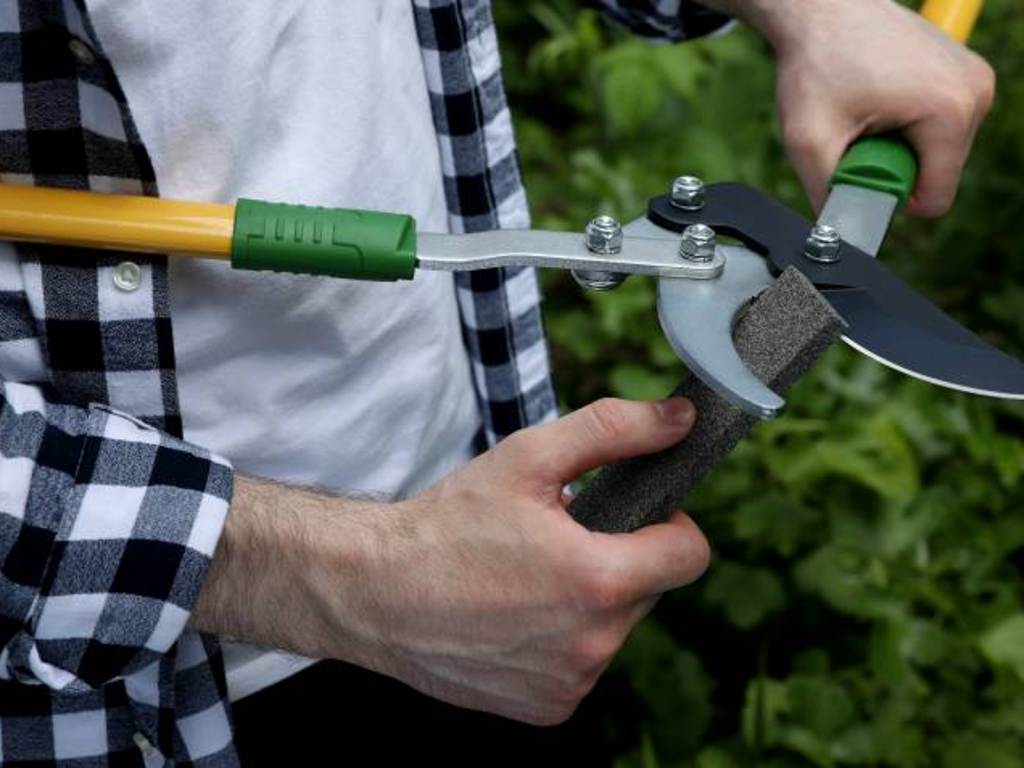
Are your garden shears feeling dull and struggling to cut through branches cleanly? Sharp shears make your gardening work easier, faster, and more enjoyable.
But how do you bring back that fresh, sharp edge? You might think it’s complicated, but sharpening your garden shears is simpler than you imagine. You’ll discover easy, step-by-step methods to restore your shears to perfect condition. Keep reading to unlock the secret to crisp, clean cuts every time you garden!
Credit: klevarange.com.au
Tools Needed
Sharpening garden shears keeps them working well and safe to use. You need the right tools to sharpen them properly.
Using poor tools can damage your shears or make sharpening hard. Here is a list of tools you will need.
Sharpening Stone
A sharpening stone smooths and sharpens the blades. Choose one with fine and coarse sides for best results.
Lubricant Oil
Lubricant oil helps the blades move smoothly and protects them from rust after sharpening.
Cleaning Cloth
A soft cloth removes dirt and metal shavings from the blades during sharpening.
Wrench Or Screwdriver
You may need a wrench or screwdriver to take apart the shears for better access to the blades.
Safety Gear
- Protective gloves to avoid cuts
- Safety glasses to protect eyes from metal dust
Additional Tools
| Tool | Purpose |
|---|---|
| Wire Brush | Remove rust and old debris |
| File | Sharpen very dull blades |
| Clamp or Vise | Hold shears steady while sharpening |
Preparing Your Shears
Before sharpening garden shears, you need to prepare them properly. This helps protect the blades and makes sharpening easier.
Two key steps are cleaning the blades and taking the shears apart. Clean blades sharpen better, and disassembling allows safe access to all parts.
Cleaning The Blades
Dirty blades slow down sharpening and can damage the edge. Clean your shears carefully before you start.
- Use a cloth to wipe off dirt and sap.
- Apply warm soapy water if needed.
- Scrub with a soft brush for tough spots.
- Dry the blades completely to stop rust.
- Use rubbing alcohol to remove sticky residue.
Disassembling The Shears
Taking apart your shears makes sharpening safer and more effective. Follow these simple steps to disassemble your shears correctly.
| Step | Action | Tip |
|---|---|---|
| 1 | Locate the central bolt or screw. | Use the right size screwdriver or wrench. |
| 2 | Loosen and remove the bolt carefully. | Keep parts in a safe place. |
| 3 | Separate the blades gently. | Note how parts fit together. |
| 4 | Check for washers or springs. | Remember their position for reassembly. |
Choosing A Sharpening Method
Keeping your garden shears sharp is important for clean cuts. It helps plants heal faster and keeps your gardening efficient.
There are different methods to sharpen your shears. Each method has its own tools and techniques. Choose the one that suits you best.
Using A Sharpening Stone
A sharpening stone is a traditional tool. It’s great for maintaining a smooth edge on your shears.
- Wet the stone with water or oil.
- Hold the shear blade at the correct angle.
- Move the blade across the stone in one direction.
- Repeat until the blade is sharp.
Using A File
A file is useful for very dull or damaged shears. It removes more material than a stone, so use it carefully.
To use a file:
- Secure the shears in a vise or hold them firmly.
- Choose a file with a medium grit.
- File the blade from base to tip with even strokes.
- Check the edge and repeat if necessary.
Using A Sharpening Tool
Sharpening tools are convenient and easy to use. They often have guides to help maintain the correct angle.
| Tool Type | Features |
| Manual Sharpener | Compact and portable |
| Electric Sharpener | Fast and efficient |
| Multi-tool Sharpener | Versatile for various blades |

Credit: www.youtube.com
Sharpening Process
Keeping your garden shears sharp makes cutting plants easier and cleaner. A sharp blade also helps your shears last longer. Follow simple steps to sharpen your garden shears correctly.
This guide focuses on the sharpening process. It covers how to keep the blade angle, use steady strokes, and check sharpness after sharpening.
Maintaining The Blade Angle
Hold the sharpening tool at the same angle as the blade edge. Most garden shears have a 20 to 30-degree angle. Keeping this angle is key for a sharp, even edge.
If you change the angle, the blade will not sharpen well. Use a file or sharpening stone and line it up with the blade’s edge. Keep this angle steady during sharpening.
Applying Consistent Strokes
Use smooth, even strokes to sharpen the blade. Push the file or stone away from you along the blade’s edge. Use the same pressure on each stroke.
- Sharpen from the base to the tip of the blade
- Do 10 to 15 strokes per sharpening session
- Sharpen both blades evenly if your shears have two cutting edges
Consistent strokes help form a sharp and smooth cutting edge. Avoid rough or uneven movements to prevent damaging the blade.
Checking Sharpness
After sharpening, check the blade’s sharpness before use. A sharp blade will cut cleanly and with little effort. Test it on a soft plant stem or paper.
- Try cutting a thin branch or leaf
- Blade should slice without tearing
- Look for a smooth, even edge without nicks
If the blade is still dull, repeat the sharpening steps. Regular checks keep your garden shears working well and safe to use.
Reassembling And Testing
After sharpening your garden shears, it is important to put them back together correctly. Proper reassembly ensures the shears work smoothly and safely.
Testing the shears after reassembly helps confirm they are sharp and ready for use. This step avoids damage to plants and injury to the user.
Put The Shears Back Together
Start by aligning the blades carefully. Make sure the sharpened edges face each other without gaps. Insert the pivot bolt or screw through the holes to join the blades.
Attach washers or spacers if your shears have them. Tighten the bolt firmly but not too tight. The blades should move smoothly without wobbling.
Check The Shears’ Movement
- Open and close the shears several times.
- Look for any stiffness or catching points.
- Adjust the pivot bolt if the blades are too loose or tight.
- Lubricate the pivot area with light oil for smooth action.
Smooth movement means the blades are aligned well. If you feel resistance, disassemble and realign the parts.
Test The Cutting Performance
| Test Material | What to Look For | Action If Needed |
|---|---|---|
| Thin branch or twig | Clean cut without crushing | Good sharpening |
| Leaf or small stem | No tearing or ragged edges | Blades aligned |
| Thicker branch | Blade should cut without extra force | Resharpen if cutting is hard |
Maintenance Tips
Keeping garden shears sharp and clean helps them work better. Proper care makes them last longer.
Follow simple steps to clean, store, and sharpen your shears regularly. This keeps them in top shape.
Regular Cleaning
After each use, wipe your garden shears with a dry cloth. Remove dirt, sap, and plant residue.
Use warm, soapy water for sticky sap. Dry shears well to stop rust from forming.
- Use a soft brush for hard-to-reach spots
- Apply rubbing alcohol to kill germs
- Wear gloves to protect your hands
Proper Storage
Store garden shears in a dry place. Moisture causes rust and damage to the blades.
Keep shears closed and locked if possible. This protects the blades and prevents accidents.
- Hang shears on a hook or pegboard
- Use blade covers or sheaths
- Keep them away from children and pets
Routine Sharpening
Sharpen your garden shears regularly to cut cleanly. Dull blades can damage plants.
Use a sharpening stone or file. Follow the blade’s original angle for best results.
- Hold the blade steady while sharpening
- Sharpen both sides evenly
- Test sharpness by cutting a leaf or paper
- Clean blades after sharpening to remove metal dust

Credit: www.youtube.com
Frequently Asked Questions
How Often Should I Sharpen My Garden Shears?
You should sharpen garden shears after every 10-15 hours of use. Regular sharpening ensures clean cuts and prolongs tool life. Dull blades damage plants and make cutting harder. Check blades monthly during heavy gardening seasons for the best performance.
What Tools Do I Need To Sharpen Garden Shears?
To sharpen garden shears, use a sharpening stone or diamond file. You may also need a screwdriver to disassemble blades. Clean the blades before sharpening with a cloth and soapy water. Proper tools ensure effective and safe blade sharpening.
Can I Sharpen Garden Shears Without Removing The Blades?
Yes, you can sharpen garden shears without removing the blades. Secure the shears and carefully file the cutting edge at a consistent angle. However, removing blades allows better access and more thorough sharpening. Always prioritize safety when sharpening.
How Do I Maintain Garden Shears After Sharpening?
After sharpening, clean the blades and apply light oil to prevent rust. Tighten screws to ensure blade alignment. Store shears in a dry place. Proper maintenance keeps blades sharp longer and improves cutting efficiency.
Conclusion
Sharpening garden shears keeps your tools working well. Regular sharpening makes cutting easier and cleaner. Use a sharpening stone or file carefully. Always clean and oil shears after sharpening. Sharp shears help your plants stay healthy. Take time to maintain your garden tools.
Small efforts bring big benefits in gardening. Keep shears sharp for better garden results. Simple steps save time and effort later. Your garden tools will last much longer.