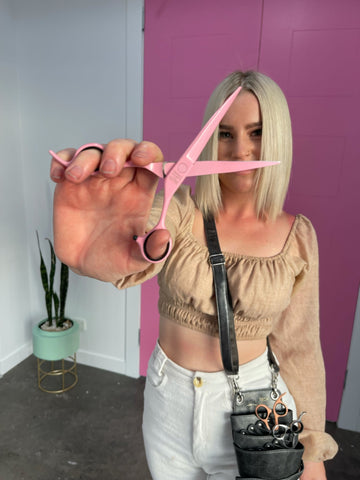
Are you struggling to get the perfect cut with your shears? How you hold your shears can make all the difference between a smooth trim and a frustrating mess.
Whether you’re a beginner or looking to improve your technique, mastering the right grip will boost your confidence and precision. You’ll discover simple tips to hold shears comfortably and effectively, so every snip feels just right. Keep reading to transform your cutting skills and achieve professional results every time.

Credit: www.youtube.com
Choosing The Right Shears
Holding shears properly starts with picking the right pair. The right shears make cutting easier and safer. They help you work with comfort and control.
Many factors affect your choice. Think about the type, material, and size. These details change how the shears feel in your hand.
Types Of Shears
Shears come in different types for different jobs. Some are for hair, others for fabric or plants. Each type fits a special need.
- Hair Shears: Sharp blades for cutting hair smoothly
- Fabric Shears: Strong and long blades for cutting cloth
- Pruning Shears: Thick blades for cutting plants and small branches
- Utility Shears: Versatile for various household tasks
Material And Build Quality
Good material helps shears last longer and cut better. Look for strong metals that resist rust and stay sharp. The build should feel solid and balanced.
- Stainless Steel: Rust-resistant and sharp
- Carbon Steel: Very sharp but needs care to avoid rust
- Titanium Coating: Adds strength and reduces wear
- Ergonomic Handles: Soft grips reduce hand strain
Size And Weight Considerations
Size and weight affect how easy it is to hold and use shears. Choose a size that fits your hand well. A heavy pair can tire your hand fast.
- Smaller shears offer more control for detailed work
- Larger shears cut bigger areas faster
- Lighter shears reduce hand fatigue
- Balance is key for smooth cutting

Credit: www.youtube.com
Proper Hand Positioning
Holding shears correctly helps you cut with control and comfort. Good hand positioning reduces hand strain and improves accuracy.
Learn how to place your fingers and keep a relaxed grip for the best results.
Finger Placement
Place your index and middle fingers on the upper handle of the shears. They guide the blades as you cut. Your pinky finger rests comfortably on the lower handle or finger rest.
Keep fingers relaxed but steady. Avoid holding the shears too tightly or letting your fingers slip.
- Index and middle fingers control movement
- Ring finger supports the lower handle
- Pinky finger rests on finger rest for balance
Thumb And Ring Finger Roles
Your thumb goes inside the top handle hole. It helps open and close the blades smoothly. The ring finger supports the lower handle and adds stability.
Both fingers work together to give you control. Keep them relaxed to avoid fatigue during long cuts.
- Thumb opens and closes the shears
- Ring finger supports and balances
- Keep both fingers relaxed for comfort
Maintaining A Relaxed Grip
Hold the shears lightly to prevent hand cramps. A tight grip causes tension and slows your cutting speed. Relax your hand between cuts.
Keep your wrist straight and move your whole arm for smoother cutting. This helps avoid stress on your hand and fingers.
- Hold shears lightly, not tightly
- Relax your hand between cuts
- Use your arm for movement, not just fingers
- Keep wrist straight to reduce strain
Techniques For Precise Cutting
Holding shears properly can make cutting tasks easier and more accurate. Learn techniques for better control and precision.
These methods will help you achieve clean and precise cuts every time you use shears.
Angle And Direction Control
Controlling the angle and direction is crucial for accurate cuts. Proper positioning of the shears ensures a smooth cutting line.
- Hold the shears at a slight angle for a clean cut.
- Adjust the direction based on the material’s shape.
- Maintain a steady hand to avoid jagged edges.
Smooth Scissor Movements
Keeping your movements smooth when using shears is important. This helps in achieving even cuts and reduces mistakes.
Using Guide Fingers
Guide fingers help in directing the shears for precise cutting. They provide additional control and stability.
| Technique | Benefit |
| Place fingers near the cutting line | Improves accuracy |
| Use fingers to steady the material | Prevents slipping |
| Adjust finger position as needed | Enhances control |
Common Mistakes To Avoid
Holding shears correctly is key to safe and precise cutting. Many beginners make simple errors that cause discomfort or damage.
Learning what to avoid helps you keep control and reduce hand strain. Below are common mistakes and how to fix them.
Over-gripping
Holding shears too tightly can tire your hand quickly. It also reduces smooth movement and control.
- Do not squeeze the handles hard.
- Keep a relaxed grip to allow fluid cutting.
- Use your thumb and ring finger to hold, not your whole hand.
- Rest your pinky on the shear’s tang if it has one.
Incorrect Shear Angles
Cutting with the wrong angle can cause uneven cuts or dull blades faster. Proper angles give clean, smooth cuts.
| Common Angle Mistake | Correct Angle |
| Shears too flat against hair | Hold at 45 degrees |
| Shears pointing straight up or down | Point slightly forward |
| Blade tips digging into scalp | Keep blades parallel to hair surface |
Uneven Tension
Uneven tension in your fingers causes jerky cuts and blade wear. Balance the pressure on both blades.
Tips for even tension:
- Adjust the screw to set blade tightness.
- Use consistent finger pressure when cutting.
- Practice opening and closing smoothly.
- Check tension regularly during use.
Maintenance Tips For Shears
Keeping your shears in good condition helps them work better and last longer.
Regular care stops damage and keeps the blades sharp and clean.
Cleaning And Lubricating
Clean your shears after each use to remove dirt and sap. Use a soft cloth with warm water and mild soap.
After cleaning, dry the shears completely. Apply a few drops of oil on the pivot area to keep it smooth.
- Wipe blades with a damp cloth
- Use rubbing alcohol for sticky residue
- Apply light machine oil on moving parts
- Dry shears before storing
Sharpening Techniques
Sharp blades cut cleanly and reduce hand strain. Use a sharpening stone or tool made for shears.
- Hold the blade at a 20-degree angle to the stone
- Move the blade smoothly along the stone
- Sharpen both blades evenly
- Test sharpness on a piece of paper
Safe Storage Practices
| Storage Tip | Reason |
|---|---|
| Store in a dry place | Prevents rust and corrosion |
| Keep blades closed | Protects sharp edges and fingers |
| Use blade covers or sheaths | Stops accidental damage |
| Hang or place in a tool box | Keeps shears safe and easy to find |

Credit: www.jpscissors.com
Frequently Asked Questions
How Do You Properly Hold Shears For Cutting?
Hold the shears with your thumb in the smaller hole and your ring finger in the larger hole. Rest your index and middle fingers outside for control. This grip ensures precision and reduces hand fatigue during cutting.
Why Is Finger Positioning Important When Holding Shears?
Correct finger placement offers better control and comfort. It helps prevent slipping and ensures smooth, accurate cuts. Proper positioning also reduces strain, allowing longer use without discomfort.
Can Holding Shears Incorrectly Affect Cutting Results?
Yes, improper grip can cause uneven cuts and hand fatigue. It limits precision and increases the risk of mistakes. Correct holding technique improves accuracy and overall cutting quality.
What Is The Best Hand Posture For Using Shears?
Keep your hand relaxed with a natural curve. Avoid gripping too tightly to prevent tension. A relaxed posture promotes fluid movement and precise cutting.
Conclusion
Holding shears correctly makes cutting easier and safer. Keep your fingers relaxed and your grip steady. Use the thumb and ring finger through the holes. Let the middle finger support the blade’s side. Practice often to build comfort and control.
Proper hand position helps you cut clean lines. It also reduces hand tiredness and mistakes. Now, you can handle shears with confidence. Try these tips every time you cut. Your hair or fabric will look better. Simple steps lead to better results.