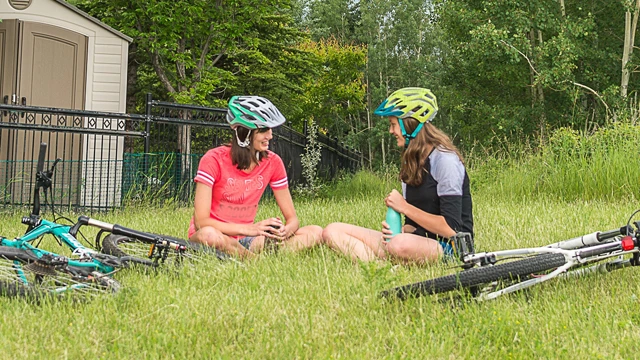
Are you thinking about hopping on your bike for a quick ride or a long adventure? Before you do, ask yourself this: do you really need a helmet?
It might seem like a small question, but the answer can make a huge difference to your safety and peace of mind. You’ll discover the real reasons why wearing a helmet matters, the risks you could be taking without one, and how a simple piece of gear could protect your most valuable asset—your head.
Keep reading to find out what every rider should know before hitting the road.
Helmet Laws And Regulations
Wearing a helmet while riding a bike can protect your head in a crash. Laws about helmets differ in many places. Knowing these rules helps keep you safe and legal.
Some areas require helmets for all riders. Others only for young children. Penalties for not following the law also vary.
Varies By Location
Helmet rules change from state to state and country to country. Some places have strict laws. Others have no helmet requirements at all.
- In the United States, many states require helmets for children under 18.
- Some European countries require helmets for all ages.
- In parts of Asia, helmet use may be mandatory only in cities.
- Rural areas often have fewer helmet laws.
Age And Helmet Requirements
Age is a common factor in helmet laws. Many places require helmets for kids but not adults. Some areas set age limits like under 12 or under 18.
| Age Group | Helmet Required |
| Under 12 years | Yes, in most places |
| 12 to 17 years | Varies by location |
| 18 years and older | Often no law, but recommended |
Penalties For Non-compliance
Fines and penalties happen if you ignore helmet laws. The cost depends on where you ride.
- First-time offenders may pay small fines.
- Repeat violations can lead to higher fines or warnings.
- Some places add points to your driving record.
- In rare cases, police can stop you from riding.
Benefits Of Wearing A Helmet
Wearing a helmet while riding a bike is very important. It can help protect you from serious injuries.
Many riders do not realize how much a helmet can improve their safety and confidence on the road.
Protecting Against Head Injuries
Helmets are designed to absorb shock and protect your head during a fall or crash. They reduce the risk of brain injuries by covering your skull with a hard shell and soft padding.
Reducing Severity Of Accidents
Wearing a helmet can lower the chance of severe damage in an accident. It helps spread the force of impact across the helmet, not just your head.
- Less chance of skull fractures
- Reduced risk of concussion
- Lower chance of facial injuries
- Better protection in falls and collisions
Improving Rider Confidence
Wearing a helmet can make riders feel safer. This confidence helps them focus more on the road and control the bike better.
- Always choose a helmet that fits well.
- Check for safety certification labels.
- Replace helmets after any crash.
- Wear your helmet every time you ride.
Risks Of Riding Without A Helmet
Riding a bike can be fun and healthy. Yet, it can also be risky without a helmet. A helmet can save you from serious harm.
Understanding the risks helps you make safe choices. Let’s explore what happens if you skip wearing a helmet.
Increased Injury Severity
Without a helmet, head injuries can be more severe. A helmet acts like a cushion for your head. It absorbs impact during falls or accidents.
- Head trauma increases without protection.
- Brain injuries can lead to long recovery times.
- Permanent damage might occur.
Higher Medical Costs
Medical bills can rise if you get hurt without a helmet. Treatment for head injuries is often expensive.
| Type of Injury | Estimated Cost |
| Minor Head Injury | $500 – $1,000 |
| Severe Brain Injury | $10,000+ |
| Extended Hospital Stay | $5,000 per day |
Long-term Health Consequences
Injuries without a helmet can affect your life for years. Brain injuries might change how you think or move.
Consider the impact on your daily life:
- Memory loss can occur.
- Physical therapy may be needed.
- Job performance could suffer.
Wearing a helmet is a simple step. It helps protect your health and finances.

Credit: www.safetyandhealthmagazine.com
Choosing The Right Helmet
Wearing a helmet is important for bike safety. Choosing the right helmet can protect your head in a crash.
Not all helmets fit or protect the same. Learn what to look for before buying one.
Fit And Comfort
A helmet should fit snugly without feeling too tight. It should not move when you shake your head.
Check the straps and padding for comfort. The helmet should sit level on your head, covering the forehead.
- Measure your head size before buying
- Try on several helmets to find the best fit
- Adjust straps so they form a V shape under your ears
- Make sure padding feels soft and secure
Safety Certifications
Look for helmets that meet safety standards. These certifications mean the helmet passed tests for impact protection.
Common certifications include CPSC, ASTM, and Snell. Each one shows the helmet is safe to use on the road.
- CPSC – Required in the United States for bike helmets
- ASTM – Testing for many sports helmets
- Snell – A high standard for impact resistance
Types Of Helmets
There are different helmets for different rides. Choose one that fits how and where you bike.
Road helmets are light and have many vents. Mountain helmets offer more coverage and protection.
- Road helmets – Lightweight, well ventilated
- Mountain helmets – Stronger shell, more coverage
- Commuter helmets – Comfortable, with extra features like lights
- Full-face helmets – Used for downhill biking, full head protection
Helmet Maintenance And Replacement
Wearing a helmet is important for safety while riding a bike. To keep it effective, you must maintain it well. Knowing when to replace your helmet is also key.
This guide will help you understand how to care for your helmet and when it is time to get a new one.
When To Replace A Helmet
Helmets do not last forever. They lose their ability to protect after some time or impact. Replace your helmet if:
- You have had a crash or strong hit to your helmet.
- The helmet is more than five years old.
- The foam inside feels soft or cracked.
- The straps or buckles are broken or frayed.
Proper Care Tips
Taking care of your helmet helps it last longer and stay safe. Follow these tips:
- Clean your helmet with mild soap and water only.
- Do not use strong chemicals or solvents.
- Store the helmet in a cool, dry place away from sunlight.
- Check straps and padding regularly and replace if needed.
- Do not drop or throw your helmet.
Signs Of Damage
| Damage Type | What to Look For |
| Cracks | Visible cracks on the shell or foam |
| Dents | Any dents or deep scratches on the helmet surface |
| Foam Compression | Soft spots or crushed foam inside the helmet |
| Strap Damage | Frayed, torn, or loose straps and broken buckles |
| Interior Wear | Worn or missing padding inside the helmet |
Common Myths About Helmet Use
Many people do not wear helmets because of myths they believe. These myths can stop riders from being safe.
We will look at some common myths and explain why they are not true.
Helmets Reduce Visibility
Some say helmets block their view and make riding unsafe. Modern helmets are designed to give a clear view. They do not block your side or front vision.
Good helmets fit well and do not move around. They keep your head safe without limiting what you see.
Helmets Are Uncomfortable
People think helmets are hot and heavy. Many helmets use light materials and have vents for air flow. This keeps your head cool and comfortable.
- Modern helmets weigh less than old models
- Ventilation systems help air move inside
- Adjustable straps and padding improve fit
- Many helmets have removable liners for washing
Helmets Are Not Stylish
Some believe helmets look bad or do not match their style. Today, helmets come in many colors and designs. You can find one that fits your personality.
| Helmet Style | Features | Who It Suits |
| Road Bike Helmet | Lightweight, aerodynamic | Speed riders |
| Mountain Bike Helmet | Extra protection, visor | Trail riders |
| Urban Helmet | Simple design, comfort | Casual riders |
| Full-face Helmet | Maximum protection | Downhill riders |
Helmet Use In Different Cycling Activities
Wearing a helmet while riding a bike helps protect your head. Different cycling activities need different helmet types and safety rules.
This guide looks at helmet use for urban commuting, mountain biking, and racing. Each activity has unique risks and gear needs.
Urban Commuting
Urban commuting means riding a bike in cities or towns. There are many cars, pedestrians, and obstacles.
Helmets protect you from head injuries during crashes or falls. Choose a helmet that is comfortable and well-ventilated.
- Look for helmets with good ventilation for hot days
- Bright colors or reflective stickers improve visibility
- Make sure the helmet fits snugly and stays in place
Mountain Biking
Mountain biking happens on rough trails and steep hills. Riders face rocks, roots, and fast descents.
Full-face helmets or those with extra coverage protect better from impacts and debris. Durability is important.
- Choose helmets with strong shells and good padding
- Full-face helmets protect the chin and jaw
- Check for helmets with adjustable vents for airflow
Racing And Competitive Riding
Racing involves high speeds and close riding with others. Safety gear is critical to prevent serious injuries.
Lightweight helmets with aerodynamic shapes are common. They meet strict safety standards for crashes.
- Pick helmets certified by safety organizations
- Use helmets designed for road or track racing
- Make sure the helmet fits well and does not move

Credit: www.consumerreports.org

Credit: obedbikes.com
Frequently Asked Questions
Do I Legally Need A Helmet To Ride A Bike?
Helmet laws vary by location. Some places require helmets for all riders, while others only for minors. Check local regulations to ensure compliance and safety. Wearing a helmet is highly recommended regardless of laws to reduce injury risks.
How Does A Helmet Protect Cyclists?
Helmets absorb impact energy during crashes, reducing head injury risk. They protect the skull and brain from serious harm. A properly fitted helmet can save lives and lessen the severity of accidents.
Are Helmets Mandatory For All Types Of Biking?
Helmet requirements differ by bike type and jurisdiction. Road, mountain, and electric bike riders may face different rules. Always verify local laws and prioritize wearing helmets for safety in any biking activity.
What Are The Risks Of Riding Without A Helmet?
Riding without a helmet increases the chance of severe head injuries. It can lead to brain trauma or fatal accidents. Helmets significantly lower injury severity and improve survival rates.
Conclusion
Wearing a helmet keeps your head safe while riding a bike. Accidents can happen anytime, so protection matters. Helmets reduce the risk of serious injury. Many places also require helmets by law. Choosing to wear one shows you care about your safety.
Riding without a helmet is a risk you don’t need to take. Stay smart, stay safe, and enjoy your ride with peace of mind.