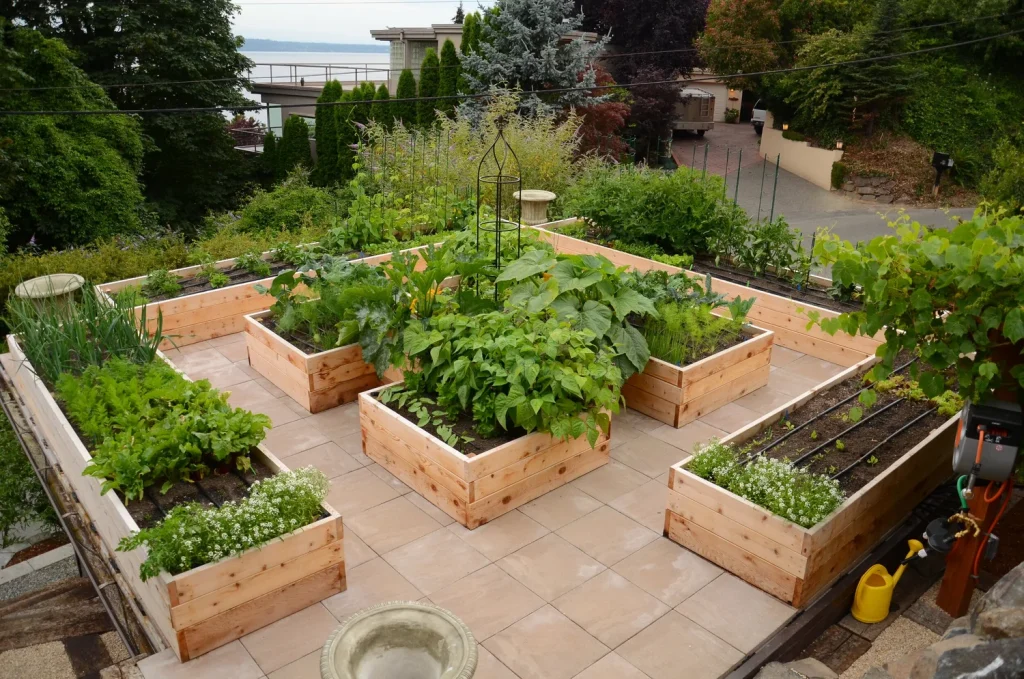
Choosing the perfect spot for your raised garden beds can make all the difference in how well your plants grow. You might wonder, where exactly should you place them to get the most sunlight, best drainage, and easiest access?
The right location can boost your harvest and save you time and effort. You’ll discover simple tips to find the ideal place for your raised beds, helping your garden thrive like never before. Keep reading to unlock the secrets of smart garden placement and watch your green space flourish!
Choosing The Right Location
Picking the best spot for your raised garden beds helps plants grow strong. The right location makes watering and care easier.
Consider sunlight, wind, and soil before placing the beds. These factors affect plant health and yield.
Assessing Sunlight Exposure
Most vegetables need six to eight hours of sunlight daily. Check the area for shadows from trees or buildings.
- Observe sunlight patterns during the day.
- Choose a spot with morning sun if possible.
- Avoid areas with too much shade.
- Remember sunlight changes with seasons.
Considering Wind Protection
Strong winds can damage plants and dry the soil quickly. Place beds where wind is blocked or slowed.
| Wind Protection Option | Benefits |
| Fencing | Reduces wind speed |
| Hedges or shrubs | Acts as a natural windbreak |
| Building walls | Provides solid shield |
| Position near trees | Blocks wind but watch for shade |
Evaluating Soil Drainage
Good drainage prevents water from pooling and hurting roots. Check soil by digging a hole and filling it with water.
If the water drains within an hour, the soil has good drainage.
If water stays longer, choose a higher spot or improve drainage with raised beds.

Credit: www.epicgardening.com
Space And Accessibility
Choosing the right place for raised garden beds is important. It affects how well plants grow and how easy it is to care for them.
Good space and easy access help you enjoy gardening more and keep your plants healthy.
Allowing Room For Growth
Plants need enough space to grow strong and healthy. Place raised beds where plants can spread out without crowding.
Leave space between beds for air and sunlight. This helps plants avoid diseases and grow better.
- Keep at least 18-24 inches between beds
- Avoid placing beds too close to walls or fences
- Choose a flat area to prevent water pooling
Ensuring Easy Maintenance Access
Raised beds need regular care like watering, weeding, and harvesting. Make sure you can reach all parts of the bed easily.
Place beds where you can walk around or stand comfortably. This saves time and effort during garden work.
- Leave at least 24 inches of space for walking paths
- Consider access to water sources nearby
- Keep tools and supplies close to the beds
Avoiding Common Placement Mistakes
Placing raised garden beds needs careful planning. The right spot ensures healthy plants. Mistakes can lead to poor growth.
Consider sunlight, water drainage, and tree roots. These factors play a big role in garden success.
Steering Clear Of Shade Areas
Sunlight is vital for plant growth. Most vegetables need at least six hours of sun daily.
Avoid placing beds in shaded spots. Check for tall structures or fences that block sunlight.
- Observe your yard throughout the day
- Note areas that receive full sun
- Mark shaded areas to avoid
Preventing Water Pooling
Good drainage is key for raised beds. Water pooling can drown plants.
Ensure the ground is slightly sloped. This helps water flow away from the beds.
| Check for low spots | Fill with soil if needed |
| Use mulch to absorb excess water | Monitor after rainstorms |
Keeping Away From Large Trees
Trees have extensive root systems. These roots can compete for nutrients and water.
Place garden beds far from large trees. This ensures plants get the resources they need.
- Identify trees with spreading roots
- Consider root barriers if needed
- Plan garden layout accordingly
Credit: www.sacbee.com
Maximizing Plant Growth
Raised garden beds help plants grow better by improving soil and drainage. Choosing the right place for these beds makes a big difference. Good placement gives plants the best chance to get sunlight and nutrients.
This guide shows two ways to place your raised beds for healthy and strong plants. Follow these tips to make your garden thrive.
Aligning Beds With Sun Path
Place your raised beds so they get the most sun during the day. Most plants need at least six hours of direct sunlight. Align beds north to south to catch sunlight evenly on both sides. This helps plants grow straight and strong.
- Find a spot with full sun, free of shade from trees or buildings.
- Place beds north to south for balanced sun exposure.
- Leave enough space between beds for walking and working.
- Avoid low areas where water can collect and harm roots.
Using Companion Planting Strategies
Companion planting means growing plants that help each other. Some plants keep bugs away, while others add nutrients to the soil. Using this method in your raised beds improves growth and reduces problems.
| Plant 1 | Helps | Plant 2 |
| Tomato | Keeps away pests | Basil |
| Carrot | Improves flavor | Onion |
| Corn | Provides support | Beans |
| Cabbage | Repels insects | Dill |
Incorporating Aesthetic And Practical Elements
Choosing the right place for raised garden beds blends beauty and function. It helps your garden grow well and look good.
Good placement makes gardening easier and adds charm to your outdoor space. Think about both how it looks and works.
Blending With Landscape Design
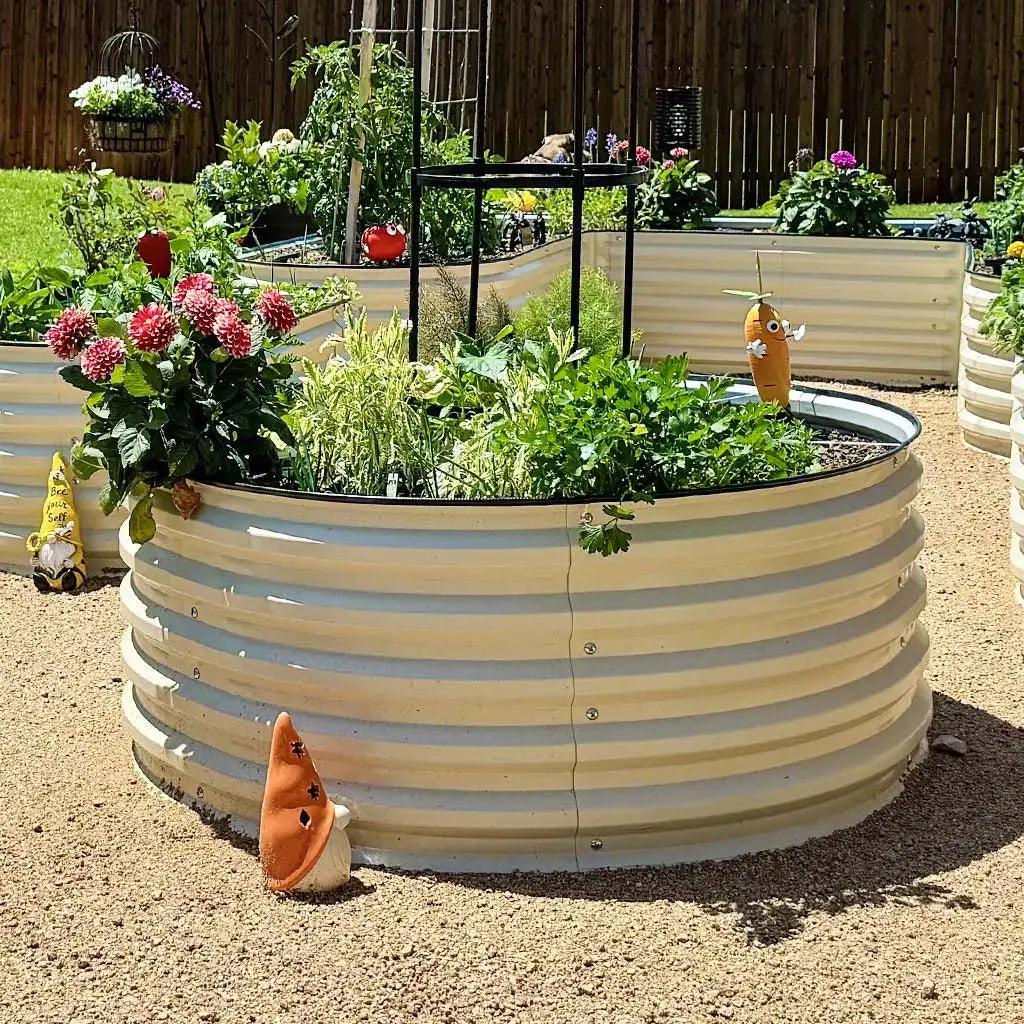
Raised garden beds should match your yard’s style. They can fit into flower beds or near patios to add a natural touch.
Use materials and colors that match your home and garden. This helps the beds look like part of the whole space.
- Choose wood or stone that fits your garden style
- Place beds where they balance other plants and structures
- Add paths or edging for a neat look
- Use plants that complement nearby flowers or shrubs
Considering Future Expansion
Plan where to put raised beds so you can add more later. Leave space around beds for easy access and growth.
Think about sunlight and water sources for new beds. This helps your garden stay healthy as it grows.
- Keep pathways wide enough for tools and movement
- Leave open areas near beds for new additions
- Place beds near water supply to save effort
- Check sun exposure to keep all beds productive
Credit: www.vegega.com
Frequently Asked Questions
Where Is The Best Location For Raised Garden Beds?
Choose a spot with at least 6-8 hours of sunlight daily. Ensure good drainage and easy access to water. Avoid low areas prone to flooding or shade from trees and buildings. This promotes healthy plant growth and simplifies maintenance.
How Far Should Raised Beds Be From Trees?
Keep raised beds at least 3-5 feet away from tree roots. This prevents root competition for nutrients and water. It also avoids shade that can stunt garden plant growth. Proper spacing ensures both trees and garden plants thrive.
Can Raised Beds Be Placed On Concrete Or Patios?
Yes, raised beds can sit on concrete or patios. Use a liner to protect surfaces and ensure proper drainage. This setup is great for small spaces or urban gardens. It also prevents soil contamination and makes gardening accessible.
What Factors Affect Raised Garden Bed Placement?
Consider sunlight, soil drainage, water access, and wind protection. Also, think about convenience for planting and harvesting. Avoid areas with poor air circulation or heavy foot traffic. Proper placement enhances plant health and garden productivity.
Conclusion
Choosing the right spot for raised garden beds boosts plant health and growth. Aim for a place with plenty of sunlight and good drainage. Make sure the area is easy to reach for watering and care. Avoid shady or wet spots that can harm your plants.
With smart placement, your garden will thrive and bring joy. Happy gardening!