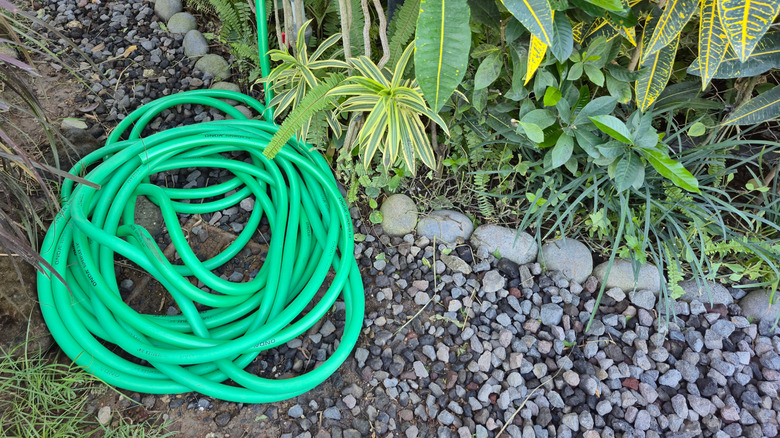
Have you ever wondered what happens to your old garden hose when it’s no longer useful? You might be surprised to learn that not all garden hoses are created equal when it comes to recycling.
If you’re trying to be eco-friendly and reduce waste, understanding whether your garden hose can be recycled is important. You’ll discover the facts about garden hose recycling, what to look for, and smart ways to dispose of or repurpose your hose.
Keep reading to make sure your next move helps the planet instead of adding to the landfill.

Credit: this-element.com
Materials Used In Garden Hoses
Garden hoses come in different materials that affect their use and durability. Knowing these materials helps you understand how to recycle them.
This guide explains common materials used in garden hoses and their recyclability.
Common Hose Materials
Garden hoses are usually made from rubber, vinyl, polyurethane, or a mix of these materials. Each type has its strengths and weaknesses.
- Rubber:Strong and flexible, often used for heavy-duty hoses.
- Vinyl:Lightweight and affordable, common in basic garden hoses.
- Polyurethane:Lightweight, durable, and kink-resistant, but more expensive.
- Hybrid:Combines materials like rubber and vinyl for a balance of strength and cost.
Recyclability Of Different Materials
Not all garden hose materials can be recycled easily. Some need special handling or cannot be recycled in regular programs.
| Material | Recyclability | Notes |
|---|---|---|
| Rubber | Limited | May be recycled at special centers, not accepted curbside. |
| Vinyl (PVC) | Difficult | Contains additives; few recycling options available. |
| Polyurethane | Rarely | Hard to recycle due to chemical structure. |
| Hybrid | Varies | Depends on the mix of materials used. |
Challenges In Recycling Garden Hoses
Recycling garden hoses is not easy. Many problems stop them from being recycled properly.
These hoses are made from different materials and often get dirty. These factors make recycling hard.
Mixed Material Construction
Garden hoses use many types of materials. They include rubber, plastic, and metal parts.
These materials are often fused together. This makes it hard to separate them for recycling.
- Outer layer is usually flexible plastic or rubber
- Inner layers may have different plastics or fabrics
- Metal connectors add extra recycling complexity
Contamination Issues
Used garden hoses often have dirt, grass, and water inside. These contaminants cause problems in recycling.
Cleaning hoses before recycling is costly and difficult. Contaminants can damage recycling machines.
- Soil and plant material stuck inside
- Water residue can cause mold and rust
- Oil or chemicals from use may contaminate materials
Eco-friendly Disposal Options
Garden hoses are common in many households. When it’s time to dispose of them, consider eco-friendly options. Recycling is a great way to help the environment.
Let’s explore ways to recycle garden hoses. We’ll look at local recycling programs and specialized recycling centers. These options help reduce waste and promote sustainability.
Local Recycling Programs
Many communities offer local recycling programs. These programs may accept garden hoses. Check with your local waste management for guidelines.
- Contact your local recycling center for information.
- Ask if garden hoses are accepted.
- Follow the guidelines for proper disposal.
Specialized Recycling Centers
Some centers specialize in recycling specific materials. They might offer services for items not accepted in local programs. Garden hoses could be one of them.
| Center Name | Accepted Materials |
| EcoRecycle Center | Plastic, Rubber, Garden Hoses |
| Green Waste Solutions | Electronics, Metals, Hoses |
Repurposing Old Garden Hoses
Old garden hoses can be hard to recycle due to their materials. Instead of throwing them away, you can find new uses for them. Repurposing helps reduce waste and saves money.
Many creative and practical ideas exist for reusing old garden hoses. These ideas turn worn-out hoses into useful household and garden items.
Creative Diy Projects
Old garden hoses are flexible and durable. You can use them for many craft projects around the home. Their shape and texture add a unique touch to DIY items.
- Create coiled mats or rugs by wrapping hoses in circles and sewing them together.
- Make plant hangers by cutting and weaving hose pieces.
- Use hose segments as handles for homemade tools or baskets.
- Build garden sculptures or frames by bending hoses into shapes.
- Turn hoses into protective covers for sharp edges or corners.
Practical Reuse Ideas
Old hoses also work well for practical uses around your home and garden. Their strength and flexibility make them useful in many ways.
- Cut hoses into sections to use as bumpers or cushioning on fences and walls.
- Use hose pieces to tie plants gently without damaging stems.
- Create drip irrigation lines by puncturing holes in old hoses.
- Make cable organizers by cutting and shaping hose pieces.
- Use hose loops to hang tools or garden equipment.
Tips For Choosing Sustainable Hoses
Choosing a garden hose that is eco-friendly helps reduce waste. Sustainable hoses last longer and can be recycled or biodegrade.
Look for materials that are safe for the environment. This saves resources and lowers pollution from discarded hoses.
Biodegradable Hose Options
Biodegradable hoses break down naturally after use. They reduce landfill waste and harm to nature.
These hoses often use plant-based materials or special polymers. They compost faster than traditional plastic hoses.
- Look for hoses labeled biodegradable or compostable
- Check if the hose is free from PVC and harmful chemicals
- Choose hoses made from natural rubber or recycled materials
Durability And Longevity
A durable hose lasts many years and reduces the need for replacement. This saves money and cuts waste.
Strong hoses resist cracks, leaks, and UV damage. They stay useful even with frequent outdoor use.
- Choose hoses with reinforced layers for extra strength
- Look for hoses with UV protection to prevent sun damage
- Check user reviews to find long-lasting hose brands
Credit: livlig.com
Reducing Waste With Proper Hose Care
Garden hoses often end up in landfills because people replace them too soon. Taking care of your hose can help reduce waste. Proper care extends the life of your hose and keeps it usable for a long time.
Knowing how to maintain and store your garden hose properly lowers the chance of damage. This guide shares simple tips to keep your hose in good shape and reduce waste.
Maintenance Practices
Regular maintenance prevents leaks and cracks in your garden hose. It also makes the hose last longer and stay flexible.
- Check the hose for holes or cracks before use.
- Clean the hose inside and out with mild soap and water.
- Replace worn-out washers to stop leaks at connectors.
- Avoid dragging the hose across sharp objects or rough surfaces.
- Drain water from the hose after each use to prevent freezing and damage.
Storage Tips
How you store your hose affects its lifespan. Proper storage keeps it safe from sun, cold, and pests.
| Storage Method | Benefits | Tips |
| Coiling on Hose Reel | Keeps hose untangled and off the ground | Use a reel with smooth edges to avoid kinks |
| Hanging on Wall Hook | Prevents crushing and damage | Hang in a shaded or covered area |
| Storing Indoors | Protects from cold and sun damage | Store in a garage or shed during winter |
| Drain and Store Flat | Prevents water freezing inside hose | Drain completely before storing |

Credit: www.youtube.com
Frequently Asked Questions
Can Garden Hoses Be Recycled With Regular Plastics?
Most garden hoses cannot be recycled with regular plastics due to mixed materials. They often contain rubber and PVC, which complicate recycling processes. Specialized facilities may accept them, but check locally for recycling options tailored to garden hoses.
How To Recycle A Garden Hose Responsibly?
To recycle a garden hose responsibly, contact local recycling centers for specific guidelines. Some centers accept hoses for specialized recycling or repurposing. Alternatively, consider donating usable hoses or repurposing them for crafts or gardening projects.
Why Are Garden Hoses Hard To Recycle?
Garden hoses are hard to recycle because of their mixed materials. They combine rubber, PVC, and metal fittings, which require separation. This complexity makes them unsuitable for most standard recycling streams and demands specialized processing.
Are There Eco-friendly Alternatives To Traditional Garden Hoses?
Yes, eco-friendly alternatives include hoses made from natural rubber or biodegradable materials. These options reduce environmental impact and are often easier to recycle or compost. Choosing eco-friendly hoses supports sustainable gardening practices.
Conclusion
Garden hoses are not easy to recycle like other plastics. Many contain mixed materials that cause problems in recycling plants. Some places accept old hoses for special recycling programs. Cutting hoses into smaller pieces helps if you reuse them in crafts or gardens.
Keeping hoses longer by proper care reduces waste. Think twice before throwing away your hose. Small actions help protect the environment. Recycling garden hoses takes effort but makes a difference. Choose options that reduce waste and support recycling efforts. Every step counts toward a cleaner planet.