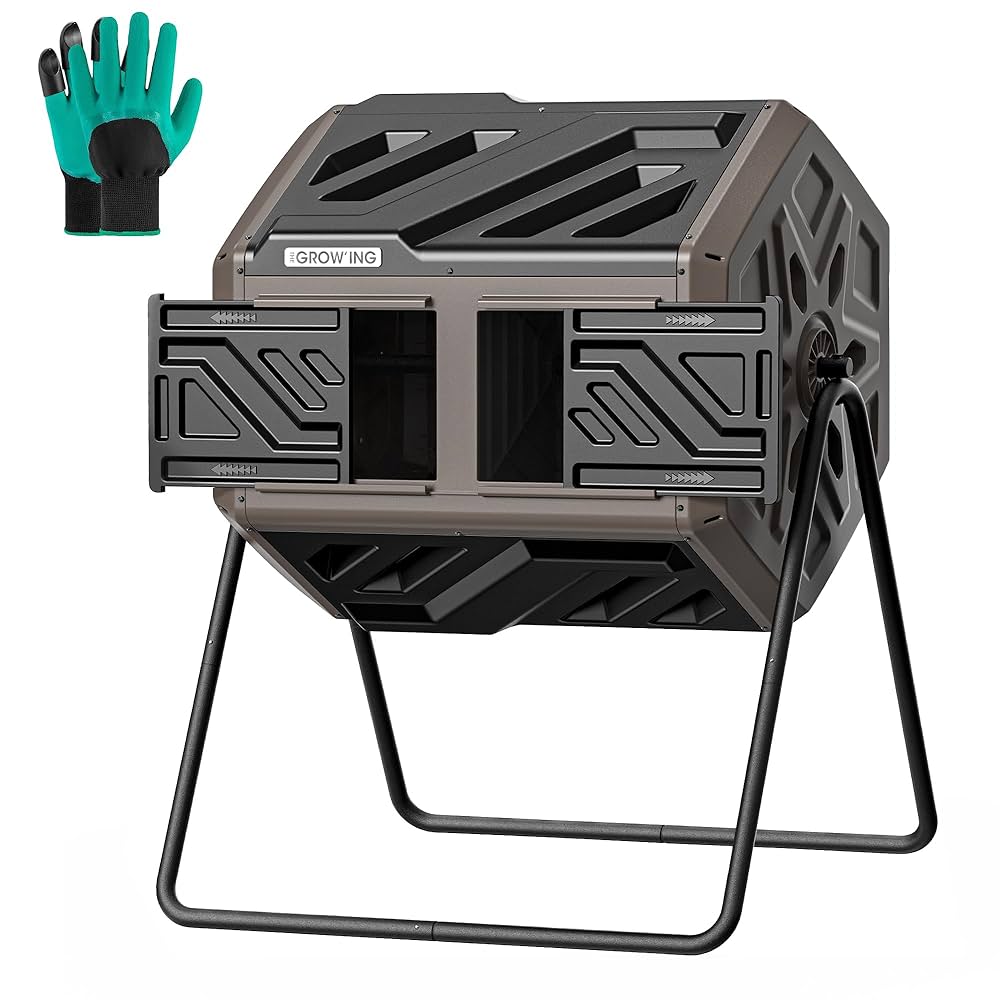
Are you tired of your kitchen scraps piling up and ending up in the trash? What if you could turn that waste into rich, natural fertilizer for your garden—all with minimal effort?
Using a rotating compost bin is one of the easiest and fastest ways to do just that. Imagine transforming your food waste into nutrient-packed soil in weeks, not months. You’ll discover simple steps to use a rotating compost bin effectively, so you can enjoy a cleaner kitchen and a healthier garden.
Ready to make composting hassle-free and rewarding? Keep reading to learn how!

Credit: www.amazon.com
Choosing The Right Bin
Selecting a good rotating compost bin helps make composting easier and cleaner. The right bin fits your needs and space.
This guide explains how to pick the best bin by looking at materials, size, and placement tips.
Material Options
Compost bins come in different materials. Each has its own benefits and care needs.
- Plastic:Light, affordable, and easy to clean. It resists weather well.
- Metal:Strong and durable but may rust over time.
- Wood:Natural look and good insulation. It needs treatment to avoid rot.
Size Considerations
Choose a size that matches how much waste you produce and space you have.
| Bin Size | Best For | Notes |
| Small (20-30 gallons) | Small families or balconies | Easy to turn and move |
| Medium (50-70 gallons) | Average households | Good balance of size and weight |
| Large (100+ gallons) | Large families or garden use | Needs more effort to rotate |
Placement Tips
Put your compost bin in a good spot for easy use and fast composting.
- Choose a level, well-drained area to prevent water buildup.
- Place the bin near your kitchen or garden for easy access.
- Pick a spot with some shade to avoid overheating.
- Ensure space around the bin to turn it without trouble.
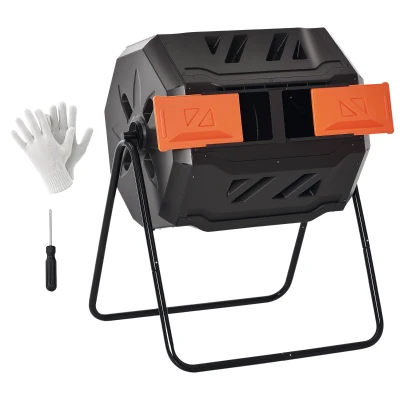
Credit: www.aosom.com
Preparing Your Compost
Using a rotating compost bin helps break down waste quickly. Preparing your compost properly makes the process smooth.
Good preparation means choosing the right materials and handling them well. This helps the compost break down faster and smell better.
Selecting Compost Materials
Choose materials that are easy to break down. Avoid meat, dairy, and oily foods because they attract pests.
Use kitchen scraps like vegetable peels, coffee grounds, and eggshells. Yard waste like leaves and grass clippings also work well.
- Vegetable and fruit scraps
- Used coffee grounds and tea bags
- Eggshells crushed into small pieces
- Dry leaves and grass clippings
- Small amounts of paper or cardboard
Balancing Greens And Browns
Compost needs a balance of greens and browns. Greens provide nitrogen and moisture. Browns add carbon and air.
A good mix helps microbes work faster. Too many greens can make the pile smelly. Too many browns slow the process.
- Greens: fresh grass, vegetable scraps, coffee grounds
- Browns: dry leaves, straw, shredded paper
- Ideal ratio: about 2 parts browns to 1 part greens
- Layer materials for better air flow
Chopping For Faster Breakdown
Cut or chop large pieces into smaller bits. Smaller pieces break down faster in the bin.
Use scissors or a knife for kitchen scraps. Shred leaves and twigs before adding them. This speeds up composting.
- Cut vegetable peels into small pieces
- Break twigs into inch-long sections
- Shred paper and cardboard thinly
- Avoid very large or whole items
Filling The Bin
Using a rotating compost bin is a great way to recycle organic waste. It helps create nutrient-rich compost for your garden. Knowing how to fill it properly is important.
Filling the bin with the right materials and following proper techniques ensures efficient composting. Let’s explore some methods.
Layering Techniques
Layering is a key technique in composting. It helps balance the carbon and nitrogen in the bin.
- Add a layer of brown materials like dried leaves or straw.
- Follow with a layer of green materials such as vegetable scraps.
- Alternate layers to maintain a balance.
- Ensure the layers are not too thick.
Avoiding Common Mistakes
Avoiding mistakes helps in achieving good compost. Here are some common errors to watch out for.
Do not add meat or dairy as they attract pests. Ensure the bin is not too wet to avoid a bad smell.
Remember to turn the bin regularly. This helps speed up the composting process.
Rotating The Bin
Rotating a compost bin helps mix materials inside. This speeds up the composting process and stops bad smells.
Turning the bin moves air through the pile. This keeps helpful bacteria active and breaks down waste faster.
How Often To Turn
You should turn the compost bin every few days. This keeps the pile warm and moist for good compost.
Turning once or twice a week works well for most bins. More frequent turns speed up composting but need more effort.
- Turn the bin 2-3 times per week for fast compost
- Turn once a week for slower composting
- If compost is dry, turn less often and add water
Proper Rotation Method
To rotate the bin, grasp the handle firmly. Then, spin the bin one or two full turns.
Make sure the bin rotates smoothly and the contents mix well inside. Avoid shaking too hard to prevent leaks.
- Use the handle to spin the bin fully
- Rotate the bin gently but completely
- Check if the material inside moves and mixes
- Stop if the bin feels stuck or heavy
Maintaining Moisture And Temperature
Keeping the right moisture and temperature is key for your rotating compost bin. Proper conditions help break down waste faster and stop bad smells.
Check moisture and temperature often to keep your compost healthy. This guide explains how to do it well.
Checking Moisture Levels
Moisture must be just right. Compost should feel like a damp sponge. Too dry slows the process. Too wet makes it smell bad.
- Use a moisture meter or squeeze a handful of compost.
- If water drips out, it is too wet.
- If it feels dry and crumbly, add water.
- Check moisture every week.
- Adjust moisture before and after turning the bin.
Adjusting For Weather Conditions
Weather affects your compost’s moisture and temperature. You must change your care based on rain, heat, or cold.
| Weather | Effect on Compost | Action Needed |
| Rainy | Too wet, may flood bin | Cover bin; reduce watering |
| Hot and Dry | Dries out compost quickly | Add water often; turn more |
| Cold | Slows decomposition | Keep bin in sun; add dry material |
Troubleshooting Common Issues
Rotating compost bins help turn food and yard waste into rich compost. Sometimes, issues can slow down the process or cause problems. Knowing how to fix common problems makes composting easier and more effective.
This guide covers three common issues: managing odors, dealing with pests, and handling slow decomposition. Follow simple tips to keep your compost bin working well.
Managing Odors
Bad smells often come from too much moisture or food scraps that are not balanced. Rotating the bin helps mix the compost and add air. If the bin smells, check for these causes.
To reduce odors, keep your compost moist but not wet. Add dry materials like leaves or paper to balance wet food scraps. Always close the lid tightly to keep air flowing properly.
- Check moisture levels: compost should feel like a damp sponge
- Add dry brown materials if it is too wet or smelly
- Turn the bin regularly to add oxygen
- Do not add oily, dairy, or meat scraps
- Keep the lid closed to limit strong smells
Dealing With Pests
Pests like rodents, flies, or raccoons may visit your compost bin. These animals look for food scraps and can cause damage. You can stop pests by changing how you manage the bin.
Keep pests away by avoiding food scraps that attract them. Use a bin with a secure lid and turn it often to discourage animals. If pests appear, clean up spills and check the bin’s condition.
- Do not add meat, dairy, or oily foods
- Use a compost bin with a tight-fitting lid
- Turn the bin regularly to mix and aerate
- Clean any spills around the bin immediately
- Place bin away from your house or garden
Handling Slow Decomposition
Sometimes, compost takes too long to break down. This can happen if the bin is too dry, too wet, or not turned enough. Proper balance and care speed up decomposition.
Keep your compost warm, moist, and full of air. Add green materials like vegetable scraps for nitrogen and brown materials like dry leaves for carbon. Turn the bin often to mix everything well.
- Keep compost moist, like a wrung-out sponge
- Add equal parts green and brown materials
- Turn the bin every few days
- Break large pieces into smaller ones
- Place the bin in a warm, sunny spot
Harvesting Finished Compost
Using a rotating compost bin makes composting easier and faster. After some time, you can harvest the finished compost to use in your garden.
Knowing when and how to harvest is important to get the best quality compost for your plants.
Signs Compost Is Ready
Finished compost looks dark and crumbly. It should smell like fresh earth, not rotten or sour.
You will see little or no food scraps or large pieces. The temperature inside the bin will be close to the outside air.
- Dark brown or black color
- Crumbly texture, easy to break
- Earthy smell, no bad odor
- No visible food or large materials
- Bin feels cool, not warm inside
Best Ways To Use Compost
Use compost to improve your soil and help plants grow strong. It adds nutrients and helps soil hold water.
You can mix compost into garden beds, use it as mulch, or add it to potting soil for container plants.
- Mix into garden soil before planting
- Spread as mulch around plants to keep moisture
- Add to potting mix for indoor or outdoor pots
- Use in lawn care to improve soil health
- Top dress vegetable and flower beds

Credit: www.amazon.com
Frequently Asked Questions
What Materials Can I Compost In A Rotating Bin?
You can compost kitchen scraps, yard waste, and paper products. Avoid meat, dairy, and oily foods to prevent pests. Use a mix of green and brown materials for balanced composting.
How Often Should I Turn A Rotating Compost Bin?
Turn your compost bin every 2 to 3 days. Frequent turning aerates the pile and speeds up decomposition. Regular rotation prevents odors and promotes healthy microbial activity.
How Long Does Compost Take In A Rotating Bin?
Compost usually takes 4 to 8 weeks to mature. Turning the bin regularly and maintaining moisture speeds up the process. Finished compost looks dark, crumbly, and smells earthy.
Can A Rotating Compost Bin Reduce Odors Effectively?
Yes, rotating bins improve airflow and reduce odors. Turning mixes materials and prevents anaerobic conditions that cause smells. Proper balance of greens and browns also controls odor.
Conclusion
Using a rotating compost bin makes composting simple and fast. Turn the bin regularly to mix materials well. This helps break down waste into rich soil. Keep adding kitchen scraps and yard waste in small pieces. Watch as your compost changes from scraps to dark, crumbly soil.
This soil helps your garden grow healthy plants. Composting reduces waste and helps the environment too. Start with small steps and keep practicing. Soon, you will enjoy fresh compost from your own bin. Easy, clean, and good for the earth.