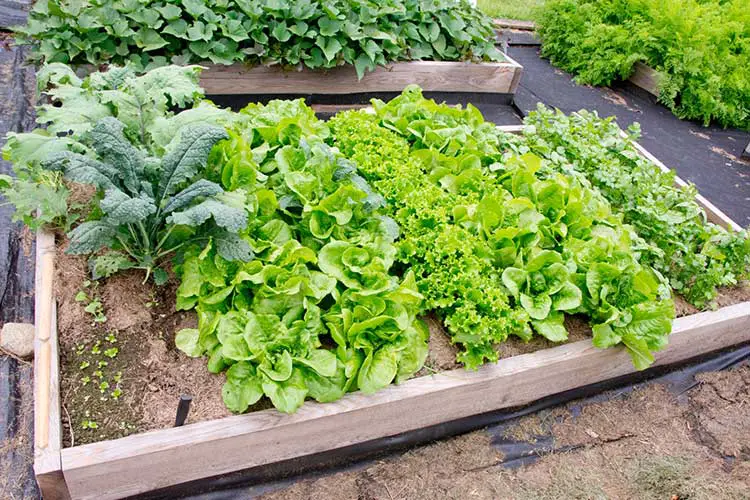
Are you ready to make the most of your raised garden beds? Choosing the right vegetables to plant can turn your garden into a thriving, delicious oasis.
But with so many options, it can be hard to know where to start. This guide will help you pick the best veggies that grow strong and healthy in raised beds. Whether you want fresh salads, crunchy snacks, or vibrant colors, you’ll find easy tips to get your garden growing fast.
Keep reading, and discover how to transform your raised beds into a vegetable paradise you’ll love!
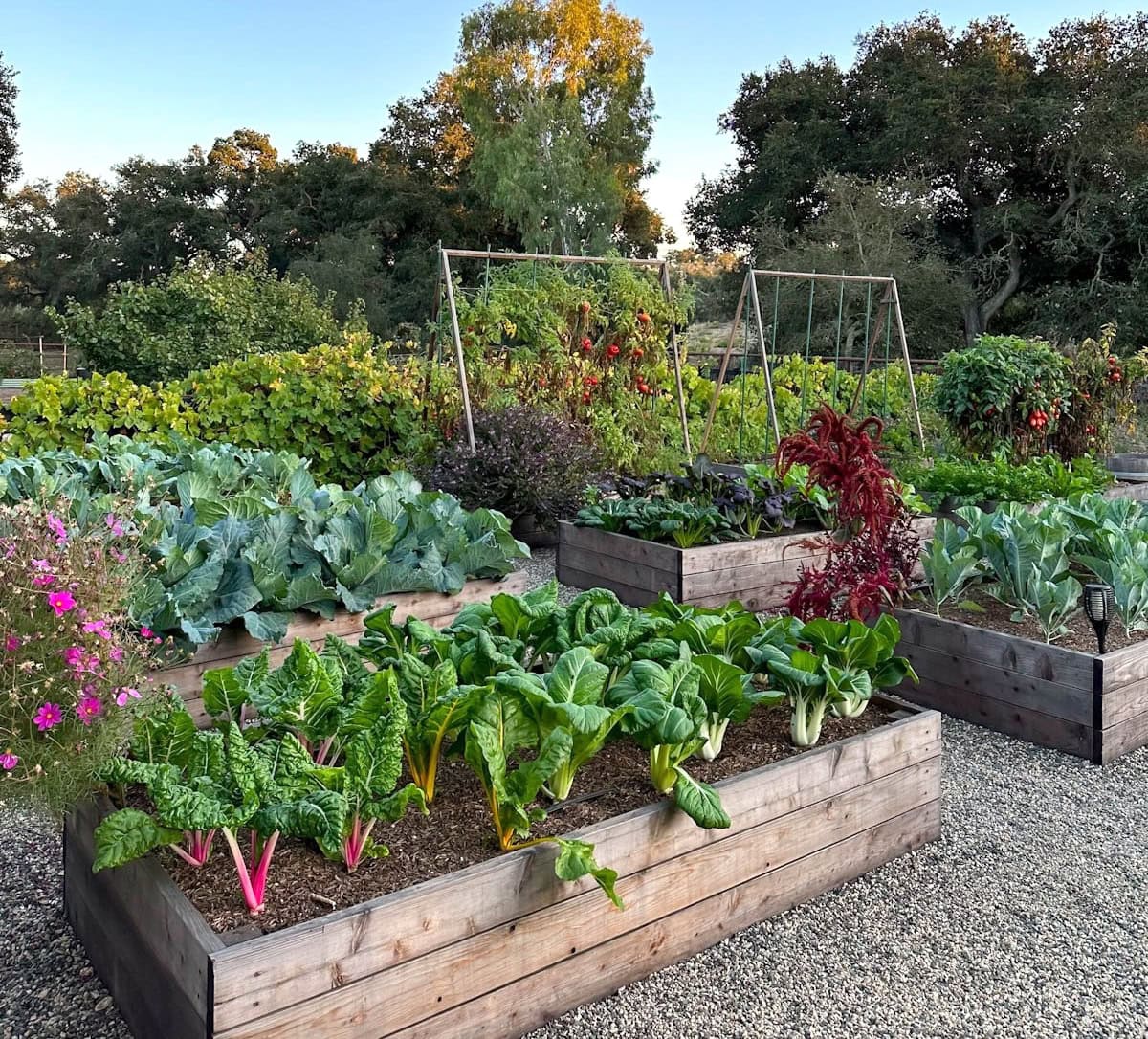
Credit: homesteadandchill.com
Benefits Of Raised Garden Beds
Raised garden beds offer many advantages for growing vegetables. They help create a better environment for plants to grow strong and healthy.
These beds make it easier to control soil, water, and pests. This leads to higher yields and easier gardening.
Improved Soil Quality
Raised beds allow you to fill the soil with rich, loose material. This soil drains well and has more nutrients for plants.
You can avoid hard, compacted soil found in many gardens. This helps roots grow freely and absorb water and nutrients better.
Better Drainage
Water drains faster in raised beds because the soil is loose and raised above ground level. This prevents water from pooling around roots.
- Reduces root rot risk
- Prevents soil from becoming too wet
- Keeps plants healthier during rain
- Allows for easier soil warming in spring
Pest Control Advantages
| Pest Type | Raised Bed Benefit |
|---|---|
| Slugs | Harder to reach plants due to height |
| Weeds | Less weed growth with controlled soil |
| Soil-borne insects | Easier to manage soil and remove pests |
Raised beds also allow you to add barriers and covers easily. This helps protect plants from many common pests.
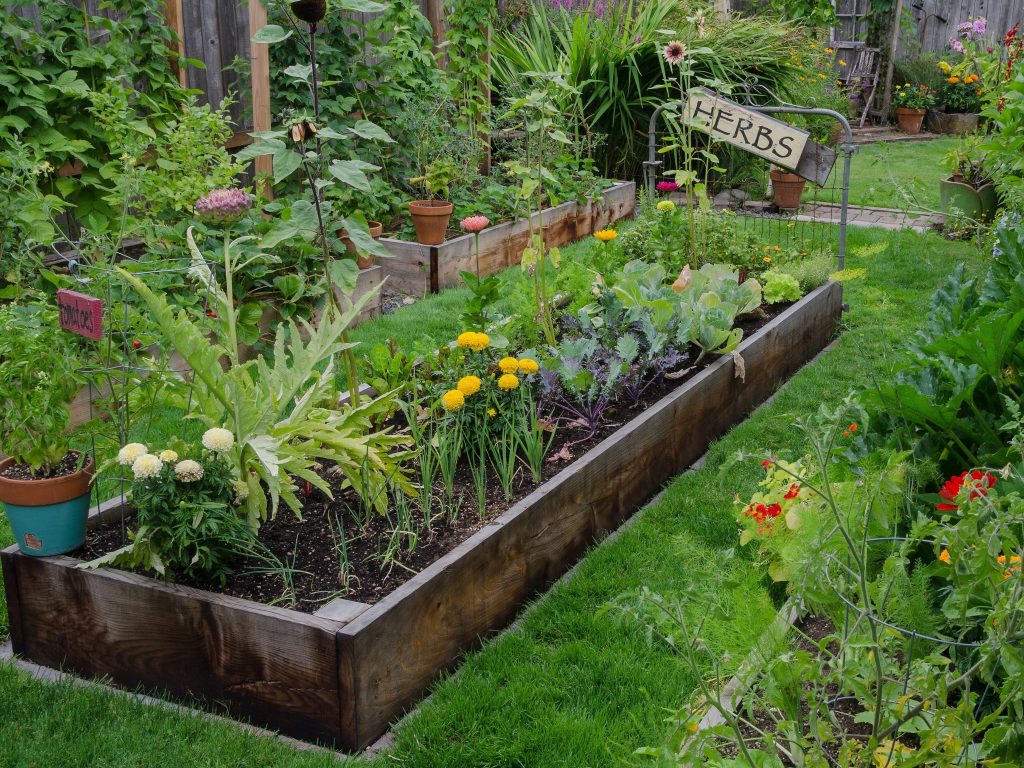
Credit: www.melnor.com
Choosing Vegetables For Raised Beds
Raised garden beds offer a great way to grow vegetables in limited space. Choosing the right vegetables helps you get the best results. Consider how plants grow, how much room they need, and the local climate.
Picking suitable vegetables can make your garden more productive and easier to maintain. Think about the plants’ habits, size, and weather needs before planting.
Consider Growth Habits
Some vegetables grow tall, while others stay low. Choose plants that fit well together in raised beds. Tall plants can shade smaller ones and affect their growth.
Vining plants like cucumbers need support or space to spread. Bush-type plants take less room and work well in crowded beds. Plan your layout to avoid crowding.
- Tall plants: tomatoes, corn
- Vining plants: cucumbers, beans
- Bush plants: peppers, lettuce
Space Requirements
Raised beds have limited space. Know how much room each vegetable needs. Plants too close together compete for nutrients and water.
Leafy greens need less space, so you can plant many in one bed. Root vegetables need loose soil and room to grow underground. Check seed packets for spacing details.
- Lettuce: 6-12 inches apart
- Carrots: 2-4 inches apart
- Tomatoes: 18-24 inches apart
- Beans: 3-6 inches apart
Climate Compatibility
Vegetables grow best in climates they like. Some plants need warm weather. Others grow well in cooler temperatures. Choose vegetables that match your area’s climate.
Consider the length of your growing season. Cool-season crops like spinach can grow early or late in the year. Warm-season crops like peppers need longer, hot summers.
- Cool-season: lettuce, spinach, broccoli
- Warm-season: tomatoes, peppers, squash
- Check frost dates before planting
Top Vegetables For Raised Beds
Raised garden beds are great for growing vegetables. They offer good drainage and loose soil for roots.
Choosing the right vegetables helps you get the best harvest from your raised bed.
Leafy Greens
Leafy greens grow quickly and fit well in raised beds. They like cool weather and moist soil.
These vegetables give you fresh, healthy leaves for salads and cooking.
- Spinach
- Lettuce
- Kale
- Swiss chard
- Arugula
Root Vegetables
Raised beds have loose soil that helps roots grow straight and large. Root vegetables like cool, moist soil.
They add variety and are easy to harvest in raised beds.
- Carrots
- Beets
- Radishes
- Turnips
- Onions
Vining Crops
Vining crops need space but can grow well with a trellis in raised beds. They save ground space by growing up.
These vegetables produce lots of fruits during the season.
- Cucumbers
- Squash
- Melons
- Pole beans
- Peas
Compact Fruiting Plants
Small fruiting plants fit perfectly in raised beds. They do not take much space but give good yields.
These plants grow well in warm weather and need regular watering.
- Cherry tomatoes
- Peppers
- Eggplants
- Dwarf beans
- Zucchini
Planting Tips For Success
Growing vegetables in raised garden beds can improve your harvest. Good planning helps plants grow healthy and strong.
Follow these tips on soil, watering, and sunlight to get the best results for your garden.
Soil Preparation
Healthy soil is the base for a thriving garden. Use loose, well-drained soil full of nutrients. Add compost or organic matter to enrich it.
- Loosen soil to at least 12 inches deep before planting.
- Mix in compost or aged manure to improve fertility.
- Check soil pH; most vegetables prefer slightly acidic to neutral soil.
- Remove weeds and stones to avoid competition and root damage.
Watering Techniques
Consistent watering helps vegetables grow well. Raised beds dry out faster, so check moisture often. Avoid wetting leaves to reduce disease risk.
| Time | Watering Tip |
| Morning | Water early to let plants dry during the day. |
| Evening | Watering late can cause damp soil and disease. |
| Frequency | Water deeply once or twice a week depending on weather. |
| Amount | Provide about 1 inch of water weekly for most vegetables. |
Sunlight Needs
Most vegetables need full sun to grow well. Aim for six to eight hours of direct sunlight daily. Some plants tolerate partial shade.
- Tomatoes, peppers, cucumbers: Full sun (6-8 hours)
- Leafy greens like lettuce and spinach: Partial shade (4-6 hours)
- Root crops like carrots and radishes: Full sun to partial shade
Maintenance And Care
Raised garden beds are great for growing vegetables. They make it easy to manage plants and soil. With some basic care, your garden can thrive.
Understanding how to fertilize, manage pests, and harvest can boost your garden’s success. Let’s explore these key areas.
Fertilizing
Fertilizing helps plants grow strong and healthy. Choose the right type for your vegetables. Use organic options for better soil health.
| Vegetable | Fertilizer Type |
| Tomatoes | Compost |
| Carrots | Bone Meal |
| Lettuce | Fish Emulsion |
Pest Management
Pests can harm your vegetables. Regular checks can keep them away. Natural methods are safe and effective.
- Use neem oil to deter insects.
- Introduce ladybugs to eat aphids.
- Plant marigolds to repel nematodes.
Harvesting Strategies
Harvesting at the right time keeps vegetables fresh. Pick them when they are ripe for the best taste and nutrition.

Credit: www.vegega.com
Frequently Asked Questions
What Vegetables Grow Best In Raised Garden Beds?
Leafy greens, tomatoes, peppers, carrots, and radishes thrive in raised beds. These beds improve soil drainage and warmth, boosting growth and yield.
How Deep Should Raised Beds Be For Vegetables?
A minimum depth of 12 inches is ideal. Root vegetables like carrots may need 18 inches or more for proper growth.
Can I Plant Root Vegetables In Raised Beds?
Yes, raised beds are perfect for root vegetables. They provide loose, well-drained soil that encourages healthy root development.
How Often Should I Water Vegetables In Raised Beds?
Water raised bed vegetables deeply 2-3 times weekly. Frequency depends on weather, soil type, and plant needs.
Conclusion
Raised garden beds offer many benefits for growing vegetables. Choose plants that thrive in well-drained soil and get plenty of sunlight. Leafy greens, tomatoes, peppers, and root vegetables do very well. Regular watering and good soil care help plants grow strong.
Raised beds also make weeding and harvesting easier. Start with easy-to-grow veggies to build confidence. Enjoy fresh, healthy produce right from your garden. Gardening can be simple and rewarding with the right choices. Give it a try and see your garden flourish.