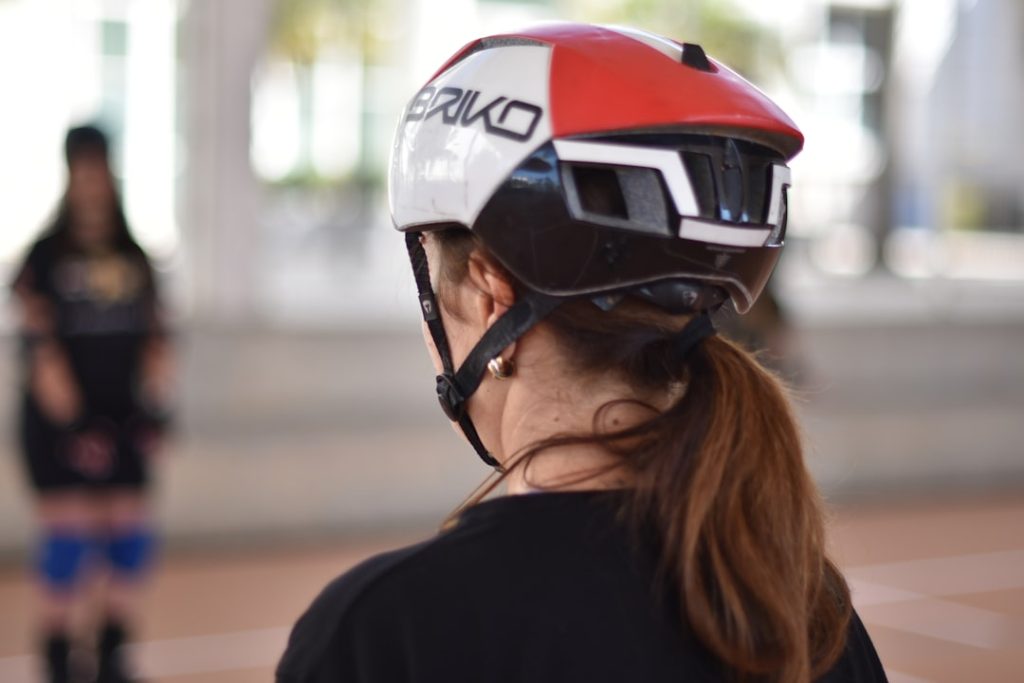
Wearing a bike helmet might seem simple, but are you really doing it right? Your helmet is your best protection on the road, and a small mistake can put you at risk.
Imagine riding with confidence, knowing your helmet fits perfectly and keeps you safe every time. You’ll discover easy steps to wear your bike helmet correctly—so you can focus on the ride, not your safety. Keep reading to make sure your helmet works the way it’s meant to.
Choosing The Right Helmet
Wearing a bike helmet protects your head in case of falls or accidents. Picking the right helmet keeps you safe and comfortable while riding. This guide helps you find the best helmet for your needs.
Focus on helmet type, size, fit, and safety certifications. These factors make a big difference in protection and comfort.
Types Of Bike Helmets
Bike helmets come in different styles. Choose one that fits your riding style and terrain.
- Road Helmets:Lightweight with good ventilation. Made for speed and smooth roads.
- Mountain Bike Helmets:Durable and offer more coverage at the back of the head. Good for rough trails.
- Commuter Helmets:Designed for city rides. Often have extra features like lights or visors.
- Full-face Helmets:Provide maximum protection. Used for downhill or extreme riding.
Helmet Size And Fit
A helmet must fit snugly without feeling tight. Measure your head circumference with a tape measure above your eyebrows. Compare it to the helmet sizes offered by brands.
| Head Circumference (inches) | Helmet Size | Fit Description |
| 20 ¾ – 21 ⅝ | Small | Snug fit, no wobble |
| 21 ⅝ – 22 ½ | Medium | Comfortable and secure |
| 22 ½ – 23 ⅜ | Large | Firm fit, not tight |
| 23 ⅜ – 24 ¼ | Extra Large | Roomy but secure |
Adjust the straps so the helmet sits level on your head. The side straps should form a “V” just below your ears.
Safety Certifications To Look For
Check if the helmet meets safety standards. Certified helmets have passed tests for impact and durability.
- CPSC:Required in the US for all bike helmets.
- EN 1078:European standard for bike helmets.
- ASTM F1447:Another US safety standard for helmets.
- Snell B90/B95:High safety ratings by a private organization.

Credit: biketro.com
Proper Helmet Placement
Wearing a bike helmet correctly keeps you safe in case of a fall. The helmet must fit well and stay in place during your ride.
This guide shows how to place your helmet, adjust straps, and secure the chin strap for the best protection.
Positioning On Your Head
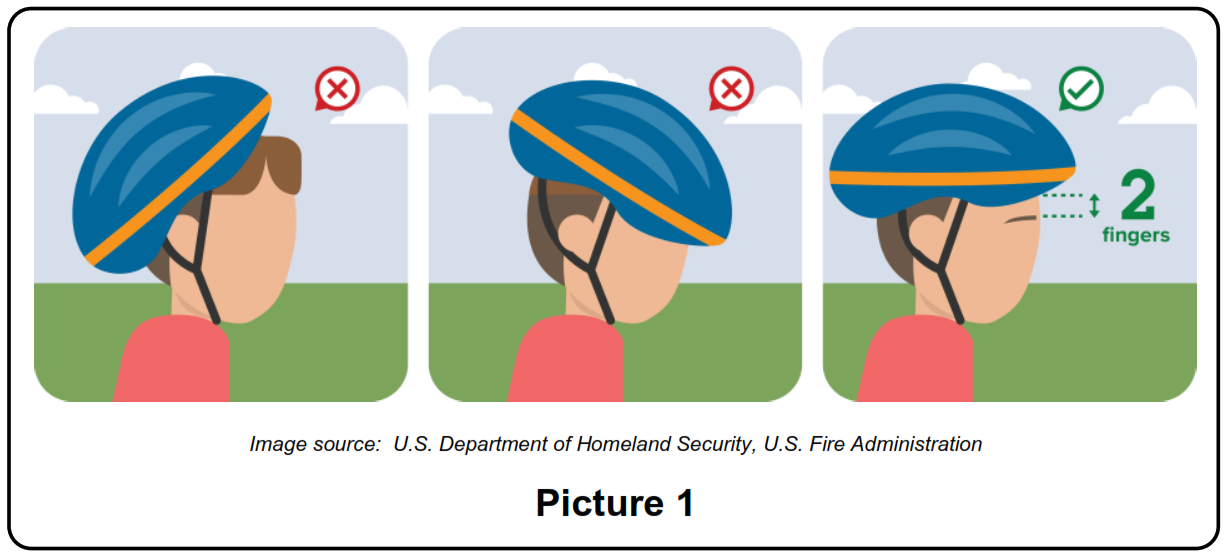
Place the helmet level on your head, not tilted back or forward. It should sit low on your forehead, about one or two finger-widths above your eyebrows.
The helmet must cover the top of your head and the sides without blocking your view. Check that it feels snug but not too tight.
Adjusting The Straps
Adjust the side straps so they form a “V” shape under and slightly in front of your ears. The straps should fit comfortably without pinching your skin.
- Loosen the straps before putting on the helmet.
- Place the helmet on your head.
- Pull the straps down evenly on each side.
- Adjust the sliders to form a snug “V” near your ears.
- Check that the straps lie flat and are not twisted.
Securing The Chin Strap
Buckle the chin strap and tighten it until it fits snugly under your chin. You should be able to fit one or two fingers between the strap and your chin.
| Chin Strap Tightness | How It Should Feel |
| Too Loose | Helmet moves side to side or front to back |
| Just Right | Strap feels snug but allows slight movement |
| Too Tight | Uncomfortable or restricts jaw movement |
Comfort Tips For Wearing Helmets
Wearing a bike helmet is important for safety. Comfort matters to enjoy your ride. Here are tips to ensure your helmet fits well and feels comfortable.
These simple adjustments can make your biking experience better. Focus on padding, ventilation, and managing helmet hair for a comfortable journey.
Padding And Liners
Padding is crucial for helmet comfort. It cushions your head and prevents pressure points. Liners absorb sweat and keep your helmet clean.
Check the padding thickness before buying a helmet. Removable liners are easy to wash and maintain. Replace worn-out padding for continued comfort.
- Choose helmets with adjustable padding
- Wash liners regularly to avoid odors
- Replace padding if it feels thin
Ventilation And Temperature Control
Ventilation keeps your head cool during rides. Helmets with air vents allow airflow. They prevent overheating and sweating.
More vents mean better cooling. Riding in hot weather is easier with a well-ventilated helmet. Adjust your helmet straps for a snug fit without blocking vents.
- Look for helmets with multiple vents
- Check vent placement for maximum airflow
- Keep straps tight but comfortable
Dealing With Helmet Hair
Helmet hair can be a concern for riders. Plan your hairstyle before putting on a helmet. This reduces hair flattening and tangles.
Use hair products that add volume. Consider carrying a small comb or brush. After your ride, a quick touch-up can help keep your hair looking neat.
- Opt for simple hairstyles like ponytails
- Use hair bands to secure long hair
- Carry hair products for quick fixes
Credit: www.swinnertoncycles.co.uk
Maintenance And Care
Keeping your bike helmet in good condition is important for your safety. Proper care helps the helmet last longer and stay effective.
Learn how to clean, store, and know when to replace your helmet to keep it ready for every ride.
Cleaning Your Helmet
Clean your helmet regularly to remove dirt, sweat, and oils. Use gentle soap and water. Avoid harsh chemicals that can weaken the materials.
- Remove the inner padding and wash it separately by hand.
- Use a soft cloth or sponge with mild soap to clean the outer shell.
- Rinse well with clean water and let it air dry away from direct sunlight.
- Do not use a washing machine or dryer.
- Check straps and buckles for any dirt and wipe them clean.
When To Replace Your Helmet
Replace your helmet after a crash or if it shows signs of wear. A damaged helmet may not protect you properly.
| Condition | Action |
| Cracked or dented shell | Replace immediately |
| Foam liner crushed or deformed | Replace immediately |
| Helmet older than 5 years | Consider replacement |
| Straps are frayed or broken | Replace or repair |
Storage Best Practices
Store your helmet in a cool, dry place. Avoid leaving it in hot cars or direct sunlight. These can damage the materials.
Follow these tips for safe helmet storage:
- Keep helmet on a soft surface to avoid scratches.
- Do not hang helmet by the straps; this can stretch them.
- Store away from chemicals, paint, or solvents.
- Use a helmet bag for extra protection if available.
Common Mistakes To Avoid
Wearing a bike helmet is important for safety. Many people make mistakes that reduce helmet protection. Knowing what to avoid helps keep you safe.
Here are some common errors when using bike helmets. Fixing these will improve your helmet’s effectiveness.
Wearing A Loose Helmet
A loose helmet can slip during a fall and fail to protect your head. It must fit snugly without causing pain. Adjust the straps and padding so the helmet stays in place.
- Make sure the helmet sits level on your head.
- Tighten side straps until they form a V under your ears.
- Fasten the chin strap firmly but comfortably.
- Shake your head gently to check for movement.
Ignoring Helmet Damage
Helmets can get damaged after an impact or from wear. Cracks and dents reduce their ability to protect. Always inspect your helmet before riding.
| Damage Type | Effect on Safety |
| Cracks in the shell | Weakens helmet strength |
| Indented foam | Reduces shock absorption |
| Worn straps | Makes helmet less secure |
If you find damage, replace the helmet immediately. Do not ignore cracks or dents.
Using Expired Helmets
Helmets have an expiration date. Over time, materials break down and become less safe. Check the label for the manufacture date and lifespan.
Typical helmet lifespan is about 5 years. Here are signs your helmet may be expired:
- Faded or brittle shell
- Loose or worn straps
- Foam that crumbles or feels soft
- Missing manufacturer labels
Credit: www.nationwidechildrens.org
Additional Safety Accessories
Wearing a bike helmet is important for safety. You can add extra accessories to improve protection and visibility.
These accessories help you see better and be seen by others, making your ride safer in many conditions.
Helmet Lights And Reflectors
Helmet lights make you visible at night or in low light. They help drivers see you from far away.
Reflectors on your helmet also catch light and shine back to others. This adds extra safety without using batteries.
- Front and rear lights increase visibility
- Reflective stickers add passive safety
- Some lights have different flashing modes
- Choose waterproof and durable accessories
Visors And Eye Protection
Visors shield your eyes from sun, rain, and wind. They help you see clearly while riding.
Eye protection prevents dust, bugs, and debris from hitting your eyes. It also reduces glare in bright light.
- Clear visors are best for low light conditions
- Tinted visors reduce sun glare on bright days
- Use shatterproof glasses for eye safety
- Choose visors that fit your helmet model
Communication Devices
Communication devices let you talk with other riders or hear navigation instructions. They fit inside or attach to your helmet.
These devices keep your hands free so you can focus on riding safely. They often use Bluetooth technology.
- Bluetooth headsets allow clear conversations
- Some devices connect to your phone or GPS
- Use volume controls to keep sound safe
- Choose lightweight devices that do not distract
Frequently Asked Questions
How Do I Properly Fit A Bike Helmet?
To fit a bike helmet properly, place it level on your head. Adjust the straps so they form a “V” shape under your ears. Tighten the chin strap until snug but comfortable. Ensure no more than two fingers fit between the strap and your chin.
When Should I Replace My Bike Helmet?
Replace your bike helmet after any crash or impact, even if no damage is visible. Also, replace it every 3 to 5 years due to wear and material degradation. This ensures optimal protection and safety during rides.
Can I Wear A Bike Helmet With Glasses?
Yes, you can wear a bike helmet with glasses. Choose a helmet with adjustable straps and enough space around the ears. This allows comfortable fitting without pressing glasses against your head or causing discomfort.
How Tight Should Bike Helmet Straps Be?
Bike helmet straps should be snug but not too tight. You should be able to fit one or two fingers under the strap comfortably. Proper tension keeps the helmet securely in place without causing discomfort.
Conclusion
Wearing a bike helmet keeps your head safe during rides. Make sure the helmet fits snugly and sits level on your head. Fasten the straps securely under your chin. Check that the helmet does not move when you shake your head.
Always replace a helmet after a crash or if it shows damage. Wearing your helmet properly helps prevent serious injuries. Stay safe and enjoy your cycling trips with confidence. Your helmet is a simple step toward safer biking every time.