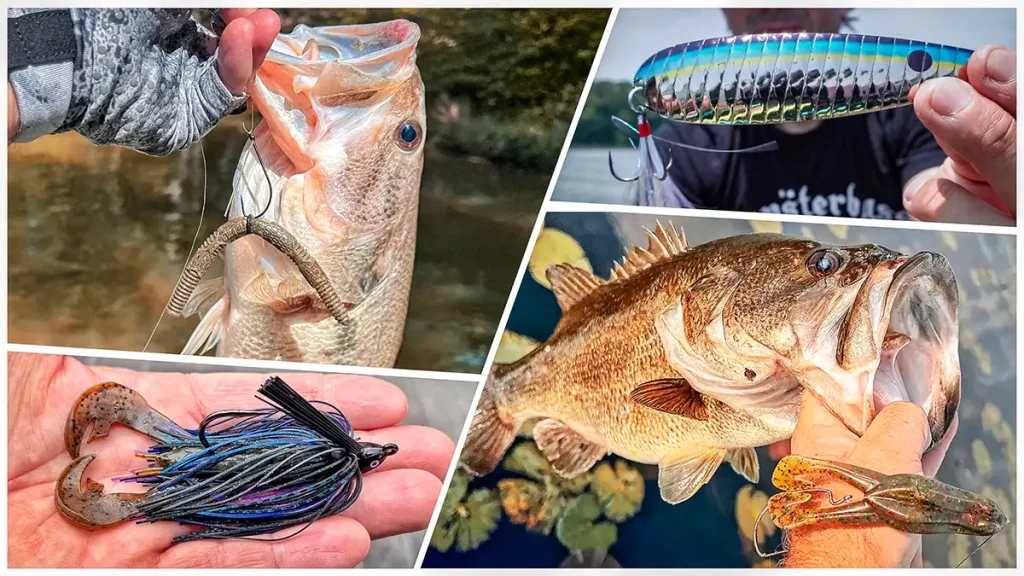
If you want to catch more largemouth bass, choosing the right fishing lure is key. But with so many options out there, how do you know which one works best for you?
This guide will help you discover the best fishing lure that can boost your chances of landing that trophy bass. By the end, you’ll feel confident picking the perfect lure every time you head out to the water. Keep reading—your next big catch could depend on it!

Credit: www.lurenet.com
Top Lure Types For Largemouth Bass
Largemouth bass are popular fish to catch. Using the right lure can make fishing easier and more fun.
Different lures work well in different water and weather conditions. Knowing the main types helps you choose.
Crankbaits
Crankbaits dive underwater and move fast. They mimic small fish or prey moving quickly. Bass like chasing them.
These lures come in many shapes and sizes. Some dive deep, while others stay near the surface.
Spinnerbaits
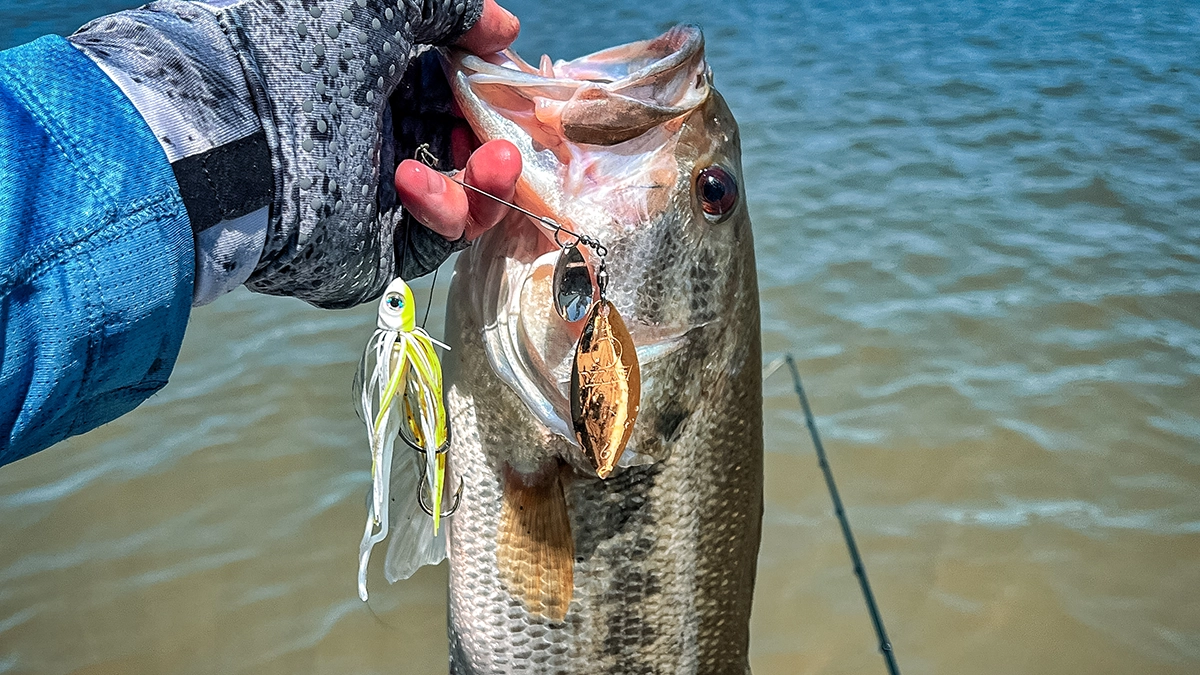
Spinnerbaits have one or more spinning blades. The blades flash and make vibrations in water.
- Good for murky water where bass use their senses
- Work well around weeds and cover
- Can be fished slow or fast
Soft Plastics
Soft plastics are flexible and look like worms, crawfish, or other prey. They feel natural when bass bite.
| Type | Use |
| Worms | Slow fishing near cover |
| Craws | Bottom fishing in rocky areas |
| Creature Baits | Imitate small animals around plants |
Jigs
Jigs have a weighted head and a skirt or soft body. They are good for fishing deep or near heavy cover.
Use slow lifts and drops to attract bass. Jigs can be paired with soft plastics for extra action.
Topwater Lures
Topwater lures float on the surface. They make splashes and noise to attract bass.
Popular topwater lure actions include:
- Popping – makes sharp sounds and splashes
- Walking – moves side to side in a zigzag
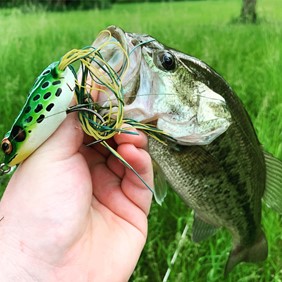
- Frogging – imitates a frog jumping on water
Credit: n1outdoors.com
Choosing Lures By Water Conditions
Choosing the right fishing lure depends on the water you fish in. Water clarity and temperature affect how fish see and react to lures.
This guide helps you pick the best fishing lures for largemouth bass based on water conditions.
Clear Water Options
In clear water, bass can see lures easily. Natural colors work best. Use lures that look like real baitfish or insects.
- Use transparent or subtle-colored lures
- Try small crankbaits or soft plastics
- Choose lures with slow, natural movements
- Light line helps avoid spooking fish
Murky Water Picks
In murky water, bass rely on sound and vibration. Bright colors and noisy lures attract their attention.
| Lure Type | Color | Special Feature |
| Spinnerbaits | Chartreuse | Vibrating blades |
| Jigs | Bright Orange | Heavy weight for bottom contact |
| Buzzbaits | White | Noise and surface disturbance |
Cold Water Strategies
Cold water slows fish metabolism. Use slow-moving lures that imitate easy prey.
- Choose small jigs and soft plastics
- Use colors like blue, purple, or black
- Fish near cover and deep areas
- Retrieve lures slowly with pauses
Warm Water Favorites
Warm water makes bass active and aggressive. Use fast and flashy lures to trigger strikes.
| Lure Type | Best Colors | Why It Works |
|---|---|---|
| Topwater frogs | Green, Brown | Imitates frogs near surface |
| Crankbaits | Red, Yellow | Fast action triggers reaction bites |
| Swimbaits | Silver, Blue | Looks like fleeing baitfish |
Matching Lures To Bass Behavior
Choosing the best lure depends on how largemouth bass act. Their behavior changes with weather, water, and time of day. Understanding these changes helps pick the right lure.
Matching your lure to bass activity can improve your catch rate. Each pattern needs a different style or speed of lure.
Active Feeding Patterns
When bass feed actively, they chase fast prey. They strike lures that move quickly and look like fleeing baitfish. Bright colors and flash work well.
Topwater lures and crankbaits attract bass during active feeding. Use a fast retrieve to mimic real prey.
- Use spinnerbaits with shiny blades
- Try topwater poppers or buzzbaits
- Pick crankbaits with vibrant colors
- Retrieve lures fast and erratically
Slow Movement Techniques
When bass are less active, slow down your lure. Soft plastics and jigs work well here. Slow movement lets bass notice and inspect the bait.
Use subtle twitches or slow pulls to imitate injured prey. This can trigger bites from cautious fish.
- Try soft plastic worms or crawfish imitations
- Use jigs with slow, steady retrieves
- Pause often to let lure settle naturally
- Keep your movements smooth and gentle
Aggressive Bass Tactics
Aggressive bass attack lures with power. Use large, loud lures that provoke strikes. Heavy vibrations and noise attract their attention.
Big swimbaits and heavy spinnerbaits can make bass react strongly. Use fast retrieves with sharp twitches to excite them.
- Choose large, bright-colored swimbaits
- Use spinnerbaits with big, noisy blades
- Retrieve fast with quick jerks
- Use lures that create vibrations in water
Finicky Fish Approaches
Finicky bass are hard to catch. They ignore usual lures and need subtle, natural presentations. Small, realistic lures work best.
Try natural colors and slow actions. Changing lure size and style can find what triggers a bite.
- Use small soft plastics in natural colors
- Try subtle jig heads or drop shots
- Slow, steady retrieves with little splash
- Change lure size if bass refuse bites
Seasonal Lure Selection
Choosing the right fishing lure for largemouth bass depends on the season. Each season changes the bass’s behavior and feeding habits. Using the right lure can increase your chances of a good catch.
This guide covers the best lures for largemouth bass during spring, summer, fall, and winter. Adjust your tackle box to match the season for better results.
Spring Lures
In spring, largemouth bass become more active as water warms. They often stay near shallow areas and vegetation. Use lures that mimic small baitfish or crawfish to attract them.
- Spinnerbaits with bright colors
- Jigs with soft plastic trailers
- Crankbaits that dive shallow
- Topwater frogs for heavy cover
Summer Choices
During summer, largemouth bass move to deeper, cooler water. Use lures that reach deeper areas and match the bass’s slower movement. Bright and natural colors work best.
| Lure Type | Depth | Color |
| Deep-diving crankbaits | 6-12 feet | Natural shades |
| Jigs with crawfish trailers | Bottom | Brown, green |
| Soft plastic worms | Mid-depth | Dark green, black |
Fall Options
Fall bass feed heavily to prepare for winter. They often hunt baitfish in open water. Use lures that imitate injured or fleeing fish to trigger strikes.
- Spoons that flash in the water
- Suspending jerkbaits
- Swimbaits with realistic action
- Spinnerbaits with silver blades
Winter Strategies
In winter, largemouth bass slow down and stay near structures. Use slow-moving lures and smaller profiles to match their low energy level.
| Lure Type | Action | Size |
|---|---|---|
| Jigs | Slow dragging | Small to medium |
| Soft plastics | Subtle twitching | Small |
| Minnow-type crankbaits | Slow retrieve | Small |
Lure Colors And Patterns
Largemouth bass are popular among anglers. Choosing the right lure color is essential for success. Different colors and patterns can attract bass in various water conditions.
In this guide, we explore the best lure colors and patterns. We will focus on natural, bright, dark, and locally matched baits.
Natural Colors
Natural colors mimic the prey bass usually eat. These colors include greens, browns, and grays. They work well in clear water conditions.
Using natural colors makes the lure look like a real fish. This can trick the bass into biting more often.
Bright And Flashy
Bright and flashy lures attract bass in murky water. Colors like chartreuse, bright orange, and neon pink are effective. They stand out in low visibility.
These lures catch the eye of curious bass. They are useful in overcast weather and muddy water.
Dark And Subtle
Dark lures work best in low-light conditions. Colors like black, dark blue, and purple are ideal. They create a strong silhouette against the sky.
These lures are effective at dawn or dusk. They help bass notice the lure’s movement.
Matching Local Bait
Matching the local baitfish can be very successful. Look at the fish in the water and choose similar colors.
This technique makes your lure appear familiar to the bass. It increases the chance they will strike.
- Observe local fish colors
- Choose lures that resemble those colors
- Test different patterns to see what works best
Tips For Using Lures Effectively
Using the right lure is important for catching largemouth bass. Knowing how to use lures well can improve your chances.
Understanding how to retrieve, set the hook, choose gear, and adjust to bass behavior makes fishing more successful.
Retrieval Techniques
How you pull the lure through the water affects the bass’s interest. Try slow and steady pulls or quick jerks to mimic prey.
Change your speed and style until you find what attracts the fish best on that day.
- Slow retrieve works in cold water
- Fast retrieve triggers aggressive bites
- Pause during retrieval to mimic wounded prey
- Use twitching to imitate small movements
Setting The Hook
When a bass bites, you must set the hook quickly. Pull the rod back firmly to secure the hook inside the fish’s mouth.
Wait for the fish to fully take the lure before setting the hook to avoid losing it early.
- Feel for a strong tug or weight
- Pull the rod sharply but smoothly
- Avoid jerking too hard to prevent line break
- Practice timing to improve hook sets
Tackle And Gear Setup
Using the right rod, reel, and line helps you control the lure better. Match your gear to the lure size and fishing spot.
Light to medium tackle works well for most largemouth bass lures. Strong enough gear helps fight big fish.
- Use a 6-7 foot rod for better control
- Spinning reels are good for light lures
- Braid or fluorocarbon line suits different conditions
- Adjust leader length for clear or murky water
Adjusting To Bass Response
Watch how bass react to your lure. Change your technique if they ignore it or show little interest.
Try different colors, sizes, or retrieval speeds until bass respond well to your lure.
- Switch lure color in stained or clear water
- Change lure size if bass seem picky
- Vary retrieval speed to match bass mood
- Use pauses or twitches to attract attention
Popular Brands And Models
Choosing the right lure makes a big difference when fishing for largemouth bass. Different brands offer various styles and models. These lures can match the bass’s feeding habits and water conditions.
Below are some popular lure types and trusted brands. Each has its own strengths for catching largemouth bass.
Top Crankbait Brands
Crankbaits are hard-bodied lures that dive and wobble to attract bass. They come in many shapes and depths. Popular brands include:
- Rapala: Known for durable and realistic finishes.
- Berkley: Offers a wide range of shallow to deep divers.
- Strike King: Famous for aggressive action and different colors.
- Megabass: High-end lures with intricate details.
Best Spinnerbait Makers
Spinnerbaits use spinning blades to create flash and vibration. Bass find them hard to resist. Top spinnerbait brands include:
| Brand | Key Features |
| Booyah | Strong wire frame and lively blade action |
| War Eagle | Durable paint and realistic skirt colors |
| Strike King | Variety of blade styles for different water types |
| Terminator | Good value and effective blade designs |
Soft Plastic Favorites
Soft plastics imitate worms, crawfish, and other prey. They are flexible and easy to rig. Leading soft plastic brands are:
- Yamamoto: Creator of the famous Senko worm.
- Zoom: Offers many shapes and sizes for bass fishing.
- Strike King: Known for realistic textures and colors.
- Keitech: Soft plastics with natural movement in water.
Quality Jigs And Topwaters
Jigs and topwater lures work well for different bass moods. Jigs are great near cover. Topwaters cause surface strikes. Popular brands include:
| Lure Type | Brand | Notable Models |
|---|---|---|
| Jigs | Strike King | Bitsy Bug, Tour Grade |
| Jigs | Booyah | Pulverize, Pond Magic |
| Topwaters | Heddon | Lucky 13, Zara Spook |
| Topwaters | Rebel | Pop-R, Jumpin’ Minnow |
Credit: www.wired2fish.com
Frequently Asked Questions
What Is The Most Effective Lure For Largemouth Bass?
The most effective lure for largemouth bass is a plastic worm. It mimics natural prey and works well in various conditions. Anglers often prefer it for its versatility and ability to trigger strikes in both clear and murky waters.
When Should I Use Topwater Lures For Bass Fishing?
Use topwater lures early morning or late evening when bass feed near the surface. These lures create surface disturbance that attracts bass. They are ideal during warm months or in shallow water with heavy vegetation.
How Do Color Choices Affect Bass Lure Success?
Lure color impacts visibility and attraction based on water clarity. Bright colors work best in murky water, while natural shades suit clear water. Matching lure color to the environment increases the chance of catching largemouth bass.
What Size Lure Is Best For Largemouth Bass?
Medium-sized lures, around 3 to 5 inches, are best for largemouth bass. They resemble typical prey and trigger aggressive strikes. Size choice depends on bass size and local forage but medium sizes offer a good balance.
Conclusion
Choosing the best fishing lure for largemouth bass depends on many factors. Different lures work well in various water and weather conditions. Soft plastics, crankbaits, and spinnerbaits all have their place. Try different types to see what bass prefer that day.
Keep your tackle box ready with a variety of lures. Enjoy the challenge and fun of bass fishing. Catching bass takes patience and some trial and error. Remember, the right lure can make your fishing trip more successful and enjoyable.
Keep practicing and learning with each cast.