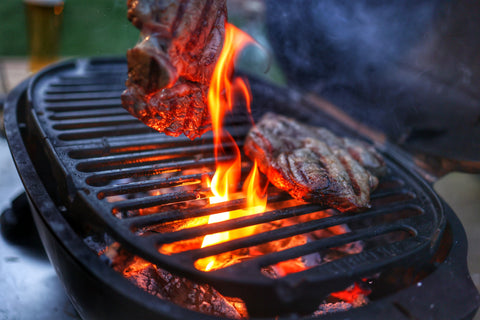
Are you wondering if charcoal grilling is good for you? You’re not alone.
Many people love the smoky flavor and outdoor experience, but some worry about health risks. What if you could enjoy your favorite grilled meals without second-guessing your choices? You’ll discover the truth about charcoal grilling and how it affects your health.
Keep reading to find out how to grill smarter and make the best decisions for your body and taste buds.
Health Benefits Of Charcoal Grilling
Charcoal grilling is a popular cooking method that uses natural charcoal to cook food. Many people wonder if it is good for health.
This cooking style can have some health benefits when done properly. It helps keep food tasty and nutritious.
Nutrient Retention In Grilled Foods
Grilling food over charcoal helps keep more vitamins and minerals compared to other cooking methods. The quick cooking time reduces nutrient loss.
Heat from charcoal seals the food’s surface, locking in nutrients like vitamin C and B vitamins. This makes grilled food healthier.
Lower Fat Content Compared To Frying
Charcoal grilling lets fat drip away from food. This lowers the total fat content in meals.
Frying keeps fat in the food, which can increase calories and unhealthy fats. Grilling reduces these risks.
- Fat drips off during grilling
- Reduces calories from fat
- Helps keep food lean and healthy

Credit: journal.firsttuesday.us
Potential Health Risks
Charcoal grilling is popular for its unique flavor. Yet, it can bring some health risks. Knowing these risks helps you make safer choices.
Grilling over charcoal involves high heat and smoke. These factors can cause harmful substances to form and affect your health.
Formation Of Harmful Compounds
When charcoal burns, it creates smoke and chemicals. These include polycyclic aromatic hydrocarbons (PAHs) and heterocyclic amines (HCAs). Both can stick to your food.
- PAHs form when fat drips onto hot charcoal.
- HCAs form in meat cooked at high temperatures.
- Both compounds increase with longer cooking times.
Risk Of Carcinogens
PAHs and HCAs are linked to cancer risk. Studies show they can damage DNA and cause cell changes. Eating a lot of grilled food may raise this risk.
| Compound | Source | Health Risk |
|---|---|---|
| Polycyclic Aromatic Hydrocarbons (PAHs) | Smoke from burning charcoal and fat drippings | May increase risk of lung and skin cancer |
| Heterocyclic Amines (HCAs) | High-temperature cooking of meat | Linked to stomach and colorectal cancers |
Impact On Respiratory Health
Charcoal smoke contains fine particles. Breathing these particles can harm your lungs. It may cause coughing, wheezing, and shortness of breath.
People at higher risk include:
- Children
- Elderly individuals
- Those with asthma or lung diseases
Comparing Charcoal Grilling To Other Cooking Methods
Charcoal grilling is a popular way to cook food. Many people enjoy the taste it adds to meals. But how does it compare to other cooking methods?
We will look at how charcoal grilling stacks up against gas grilling, baking, and boiling. These comparisons will help you understand the benefits and drawbacks of each method.
Charcoal Vs Gas Grilling
Charcoal grilling gives food a smoky flavor. This is because the charcoal emits smoke while burning. Many people prefer this taste for meats and vegetables.
Gas grilling is easier to control. You can adjust the heat with a simple knob. Gas grills also heat up faster than charcoal grills.
- Charcoal adds smoky flavor
- Gas is easier to control
- Gas heats up faster
Grilling Vs Baking And Boiling
Grilling gives food a crispy outside. This is due to the high heat. It also cooks food quickly, sealing in juices.
Baking uses dry heat from an oven. It can take longer but is good for even cooking. Boiling uses water to cook food. It is fast but can make food soggy.
| Grilling | Crispy outside, quick cooking |
| Baking | Even cooking, slower process |
| Boiling | Fast, may make food soggy |
Tips To Grill More Safely
Charcoal grilling can add great flavor to your food. It also has some health risks if not done carefully.
Follow these tips to make your grilling safer and enjoy your meals without worry.
Choosing The Right Charcoal
Pick natural lump charcoal instead of briquettes with additives. Natural charcoal burns cleaner and has fewer chemicals.
Avoid charcoal with lighter fluid or chemical starters. These can produce harmful smoke and affect food taste.
Controlling Temperature And Cooking Time
Keep your grill at medium heat to avoid burning food. High heat can create harmful compounds on meat.
Cook food just until done. Overcooking or charring increases health risks.
- Use a grill thermometer to check temperature
- Flip food often to prevent burning
- Remove charred parts before eating
Marinating To Reduce Harmful Compounds
Marinate meats before grilling. It helps reduce dangerous chemicals that form during cooking.
Use marinades with herbs, lemon juice, or vinegar. These ingredients can lower harmful compound levels.
- Try garlic, rosemary, or thyme for flavor and safety
- Marinate for at least 30 minutes
- Discard leftover marinade that touched raw meat
Charcoal Grilling And Flavor
Charcoal grilling adds a unique taste to grilled foods. The smoke from charcoal gives a rich, smoky flavor.
This flavor makes grilled meat and vegetables more enjoyable. Many people prefer charcoal over gas or electric grills.
How Flavor Impacts Food Enjoyment
Flavor changes how much we like food. A smoky, grilled taste can make food feel special and satisfying.
Good flavor can make simple meals exciting. It helps people enjoy eating and feel more connected to their food.
Balancing Taste And Health
Charcoal grilling can create tasty food but may produce harmful substances. It is important to cook food safely.
Choosing lean cuts and not charring food too much helps keep it healthy. Moderation is key for enjoying grilled food safely.
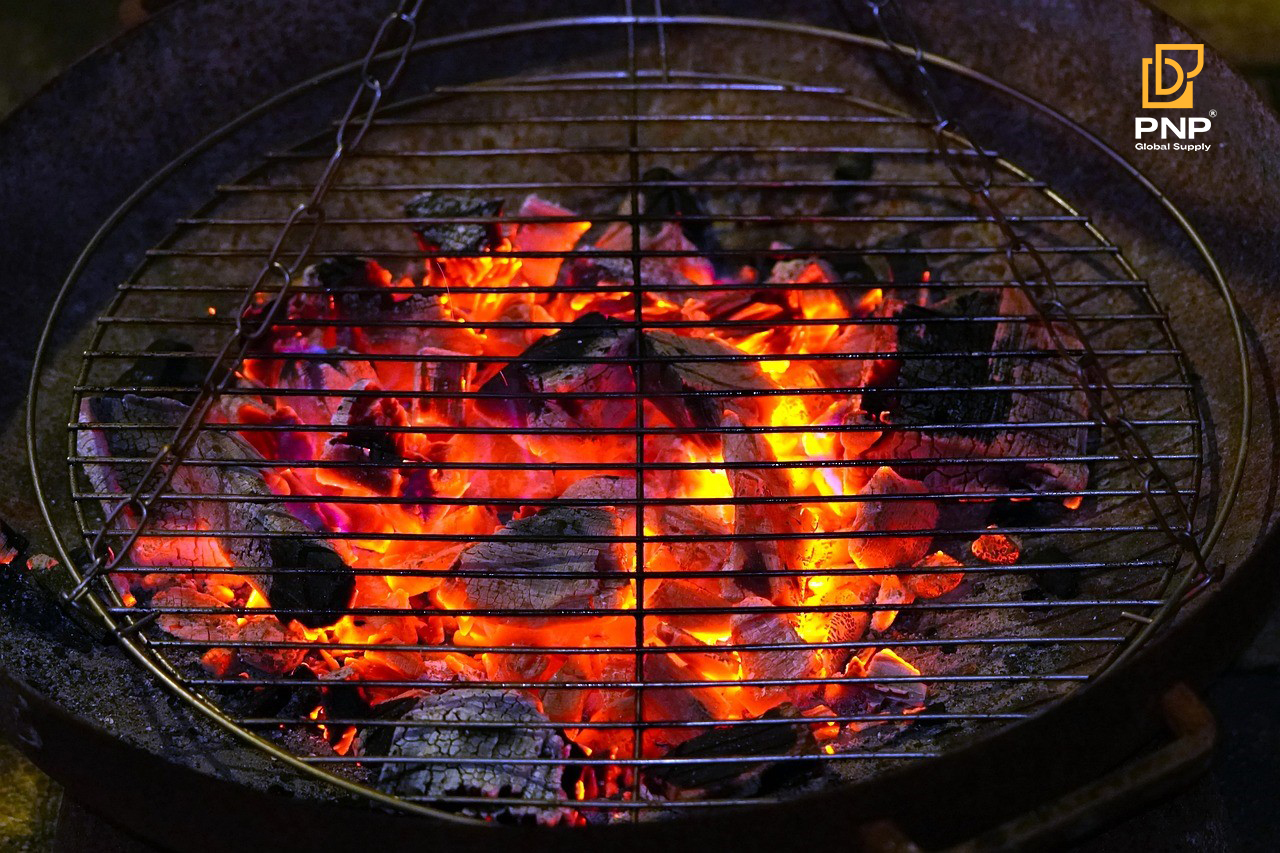
Credit: pnpcharcoal.com

Credit: www.siuhaau.com
Frequently Asked Questions
Is Charcoal Grilling Healthier Than Other Methods?
Charcoal grilling adds a smoky flavor but can produce harmful compounds. Moderation and proper cooking techniques reduce health risks compared to frying or processed foods.
What Are The Health Risks Of Charcoal Grilling?
Charcoal grilling can create carcinogens like PAHs and HCAs. These compounds form when fat drips on coals and meat chars. Limiting exposure by avoiding overcooking helps reduce risks.
How Can I Make Charcoal Grilling Safer?
Use lean meats, avoid charring, and marinate foods before grilling. Cook at moderate temperatures and trim fat to lower harmful chemical formation during grilling.
Does Charcoal Grilling Affect Food Nutrients?
Grilling can preserve nutrients better than boiling or frying. However, excessive heat may reduce some vitamins. Balanced cooking helps retain taste and nutritional value.
Conclusion
Charcoal grilling offers a unique taste many people enjoy. It can add flavor but may also create some health risks. Choosing lean meats and avoiding charring helps keep meals safer. Using proper grilling techniques reduces harmful substances. Remember, balance is key for a healthy diet.
Enjoy your grilled food but eat it with care. Simple steps make charcoal grilling a better choice for you.