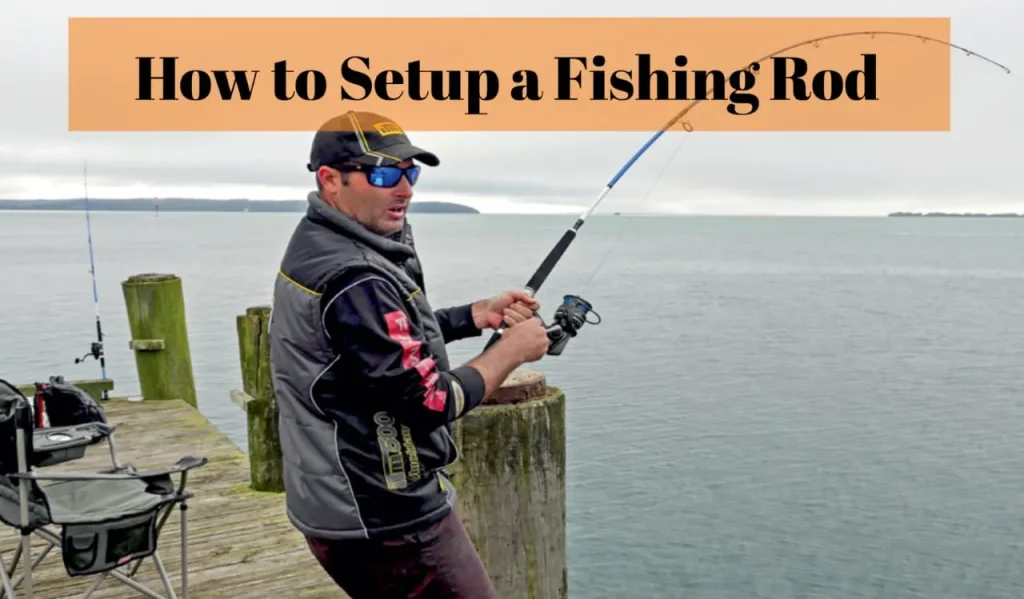
Setting up your fishing rod the right way can make all the difference between a frustrating day by the water and an exciting catch. If you’ve ever felt unsure about how to get your gear ready, you’re not alone.
But don’t worry—this guide will walk you through each step clearly and simply. By the end, you’ll have the confidence to set up your rod quickly and correctly, so you can focus on what really matters: enjoying your time fishing and reeling in those big catches.
Keep reading to unlock the secrets of a perfect fishing rod setup.
Choosing The Right Rod
Picking the right fishing rod is important for a good fishing experience. The rod you choose affects how easy and fun fishing will be.
This guide helps you find the best rod by looking at types, fish species, and rod size.
Types Of Fishing Rods
Fishing rods come in many types. Each type fits different fishing styles and places.
- Spinning rods are easy to use and good for beginners.
- Baitcasting rods give more control for experienced anglers.
- Fly rods are for fly fishing in rivers and lakes.
- Trolling rods work well for fishing from a moving boat.
Choose a type that matches how you want to fish and where.
Selecting Based On Fish Species
Different fish need different rods. Small fish need lighter rods. Big fish need strong rods.
- Light rods for small fish like trout and panfish.
- Medium rods for bass and walleye.
- Heavy rods for big fish like catfish and pike.
Knowing the fish you want helps you pick a rod with the right strength.
Matching Rod Length And Power
Rod length affects casting distance and control. Power means how strong the rod is.
Long rods cast far but can be hard to handle. Short rods give more control but less distance.
| Rod Length | Use |
|---|---|
| 6 to 7 feet | Good for close fishing and control |
| 7 to 9 feet | Great for longer casts and variety |
| 9+ feet | Best for long-distance casting |
Choose power based on fish size: light for small fish, heavy for big fish.
Picking The Ideal Reel
Choosing the right reel is key to setting up your fishing rod. A good reel helps you cast better and catch fish easier.
There are many types of reels. Picking one depends on your fishing style and the fish you want to catch.
Spinning Vs Baitcasting Reels
Spinning reels are easy to use. They are good for beginners and work well with light lines.
Baitcasting reels give more control. They are best for experienced anglers and heavy lines.
- Spinning reels: simple, good for small fish
- Baitcasting reels: precise, better for big fish
- Spinning reels: less chance of line tangles
- Baitcasting reels: require practice to use well
Reel Size And Gear Ratio
Reel size shows how much line it holds. Choose size based on the fish and fishing spot.
Gear ratio tells how fast the line comes in. Higher ratio reels retrieve line quicker.
| Reel Size | Best Use | Gear Ratio | Effect |
|---|---|---|---|
| 1000-2500 | Small fish, light lines | 5:1 – 6:1 | Slow to medium retrieve |
| 3000-4000 | Medium fish, versatile | 6:1 – 7:1 | Medium retrieve speed |
| 5000+ | Large fish, heavy lines | 7:1+ | Fast retrieve |
Reel Maintenance Tips
Keep your reel clean to last longer. Dirt and salt can damage it.
Lubricate moving parts regularly. Check for wear and tear before each trip.
- Rinse reel with fresh water after use
- Dry reel completely before storing
- Use reel oil on bearings and gears
- Inspect line and replace if damaged
- Store reel in a cool, dry place
Spooling The Line
Setting up a fishing rod begins with spooling the line. This process ensures your line is ready for casting and reeling.
Proper spooling prevents tangles and improves your fishing experience. Let’s dive into the details of spooling your line correctly.
Choosing The Right Line Type
Choosing the correct line type is crucial for a successful fishing trip. Different fishing conditions require different lines.
- Monofilament: Flexible and easy to handle.
- Braid: Strong and durable, ideal for heavy cover.
- Fluorocarbon: Invisible underwater, good for clear water.
Correctly Spooling The Line
Start by securing the line to the reel. Use a knot that won’t slip, like the arbor knot.
Guide the line through the rod guides, from the tip to the reel. Keep tension as you spool to avoid loose coils.
Checking Line Tension
Line tension is vital for casting performance. Too tight or too loose can cause issues.
| Line Tension | Result |
| Too Tight | Reduces casting distance |
| Too Loose | Causes tangles and knots |
| Balanced | Optimal casting and reeling |
Credit: usfws.medium.com
Attaching The Hook And Lures
Setting up your fishing rod correctly helps catch more fish. Attaching hooks and lures the right way is key.
This guide shows how to pick hooks, tie strong knots, and choose lures that work well.
Selecting Hooks For Your Target
Choose hooks based on the fish you want to catch. Small fish need small hooks; big fish need bigger hooks.
- Use circle hooks for catch and release fishing.
- J-hooks work well for bait fishing.
- Treble hooks are good for lures that move a lot.
- Match hook size with bait size for better results.
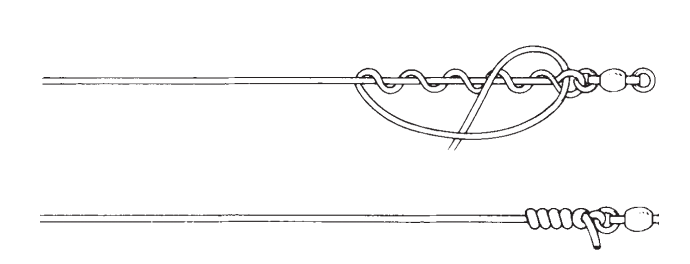
Tying Secure Knots
Tying knots correctly keeps your hook and lure on the line. A weak knot can cause you to lose fish.
- Thread the line through the hook eye twice.
- Wrap the loose end around the standing line five times.
- Pass the loose end back through the loop near the hook eye.
- Pull both ends tight to secure the knot.
- Trim excess line close to the knot.
Choosing Effective Lures
Select lures that match the fish’s natural food and water conditions. Bright colors work in murky water.
| Lure Type | Best For | Water Type |
| Spinnerbaits | Bass | Clear and Murky |
| Soft Plastics | Trout and Panfish | Clear |
| Crankbaits | Walleye and Pike | Clear |
| Jigs | Various Species | Murky |
Adjusting Rod Components
Setting up your fishing rod properly helps you catch more fish. Adjusting the rod parts makes casting easier and improves control.
This guide focuses on three key adjustments: setting the drag system, aligning guides and tip, and balancing the rod and reel.
Setting The Drag System
The drag system controls how much resistance a fish feels when pulling the line. Set it too tight and the line may break. Set it too loose and you might lose the fish.
- Turn the drag knob clockwise to increase resistance.
- Turn it counterclockwise to decrease resistance.
- Test by pulling the line by hand to feel the tension.
- Adjust until you find a smooth, steady resistance.
Aligning Guides And Tip
Guides help the fishing line move smoothly from reel to tip. Proper alignment reduces line wear and improves casting accuracy.
| Step | Action |
| 1 | Lay the rod flat on a table. |
| 2 | Look through each guide from the reel end. |
| 3 | Rotate the guides to line them up straight. |
| 4 | Ensure the tip guide points straight ahead. |
Balancing The Rod And Reel
Balance helps reduce arm fatigue and increases casting control. A well-balanced rod feels comfortable in your hand.
| Test Method | How to Do It |
|---|---|
| Balance Point | Hold the rod at the reel seat and see if it tips forward or backward. |
| Adjust Weight | Move the reel slightly or add weights near the handle if needed. |
| Comfort Check | Cast a few times to feel if the rod feels steady and easy to handle. |

Credit: www.youtube.com
Casting Techniques
Casting is an essential skill for fishing success. It helps place the bait where fish are likely to bite.
Good casting technique saves energy and improves your chances to catch fish. Practice can make you more confident.
Basic Casting Steps
Start by holding the rod firmly with your dominant hand. Pull the line back smoothly to prepare for the cast.
- Lift the rod tip to about 2 o’clock position.
- Release the line by opening the reel or letting go of the spool.
- Swing the rod forward to about 10 o’clock position.
- Let the line fly toward your target.
- Close the reel to stop the line from unspooling.
Improving Accuracy
Good accuracy places the bait near fish without scaring them away. Focus on smooth, controlled motions.
| Technique | Tip |
| Focus on a target | Pick a spot and aim your cast there. |
| Use shorter casts | Practice short casts to improve control. |
| Keep rod steady | Hold the rod firm but relaxed to avoid shaking. |
Avoiding Common Mistakes
Many anglers make errors that reduce casting success. Watch your movements and gear to avoid these.
- Do not cast with a tangled line.
- Avoid jerky or rushed casts.
- Do not hold the rod too tightly.
- Do not release the line too early or late.
- Check the reel drag before casting.
Maintenance And Storage
Taking care of your fishing rod helps it last longer. Proper maintenance keeps it working well for every trip.
Storing your fishing gear correctly protects it from damage. Follow simple steps to keep your rod and reel safe.
Cleaning The Rod And Reel
Clean your rod and reel after each use to remove dirt and salt. This stops rust and wear on the parts.
Use fresh water and a soft cloth to wipe the rod. Rinse the reel gently and dry it well before storing.
- Rinse rod and reel with fresh water
- Wipe off dirt and salt with a soft cloth
- Use mild soap if needed, then rinse
- Dry all parts completely before storage
Proper Storage Methods
Store your fishing rod in a dry place away from direct sunlight. Sunlight can weaken rod materials over time.
Keep the rod straight or use a rod holder to avoid bends. Store the reel separately if possible to prevent damage.
- Store rods vertically or horizontally without bending
- Keep rods in a cool, dry place
- Avoid exposure to heat and sunlight
- Loosen the reel drag before storage
- Use rod sleeves or cases for extra protection
Routine Checks Before Fishing
Check your rod and reel before each fishing trip. Look for damage or worn parts to avoid problems on the water.
Test the reel function and make sure the line is strong. Tighten loose parts and replace broken guides or tips.
- Inspect rod guides for cracks or breaks
- Check reel for smooth operation
- Examine fishing line for frays or knots
- Tighten all screws and fittings
- Replace any damaged parts before use

Credit: www.battlbox.com
Frequently Asked Questions
How Do I Choose The Right Fishing Rod Size?
Choose a rod based on your fishing type and target fish size. Longer rods cast farther, while shorter rods offer better control. Match rod power and action to your fishing style for best results.
What Fishing Line Should I Use For My Rod?
Select line strength based on fish species and rod capacity. Monofilament suits beginners, while braided lines offer higher strength. Always check your rod’s recommended line weight for optimal performance.
How Do I Properly Attach The Reel To The Rod?
Align the reel foot with the reel seat on the rod handle. Slide the reel foot into the seat and tighten the locking mechanism securely. Ensure the reel is firmly attached to avoid wobbling during use.
What Is The Correct Way To Thread The Fishing Line?
Start threading the line through the rod guides from the tip to the reel. Make sure the line passes smoothly without tangles. Proper threading ensures better casting distance and reduces line friction.
Conclusion
Setting up a fishing rod is easier than it seems. Follow each step carefully to avoid mistakes. Choose the right rod and reel for your fishing style. Attach the line and tie knots securely for strong holds. Add hooks, sinkers, and bobbers based on your needs.
Check your setup before casting to ensure everything works. Practice makes perfect, so keep trying and learning. Enjoy your fishing time with confidence and patience. Simple setup leads to better fishing experiences every time.