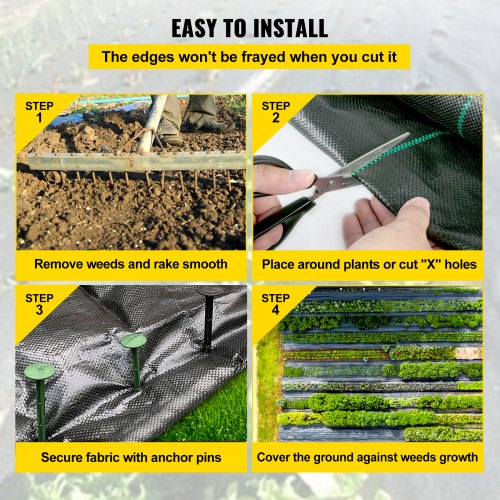
Are you wondering if landscape fabric really lets water through? If you’re planning a garden or trying to keep weeds at bay, this question matters more than you might think.
Choosing the right fabric can make a big difference in how well your plants grow and how easy your yard is to maintain. You’ll discover exactly how landscape fabric works, whether it allows water to pass, and what that means for your garden’s health.
Keep reading to get clear answers and make the best choice for your outdoor space.
How Landscape Fabric Works
Landscape fabric is a material used in gardening and landscaping. It helps control weeds and manage soil moisture.
This fabric allows water to pass through while blocking unwanted plants. Understanding how it works starts with its materials and permeability.
Material Composition
Landscape fabric is made from woven or non-woven materials. The most common materials are polypropylene and polyester fibers.
- Woven fabrics have tightly interlaced threads for strength.
- Non-woven fabrics use bonded fibers for a softer texture.
- Both types resist tearing and decay in soil environments.
- They are UV resistant to last under sunlight exposure.
Permeability Features
Permeability is the fabric’s ability to let water and air pass through it. This feature is important to keep plants healthy.
| Permeability Feature | Function |
|---|---|
| Water Flow | Allows rain and irrigation to reach the soil below |
| Air Exchange | Prevents soil from becoming compacted by letting air in |
| Weed Block | Stops weed seeds from growing by limiting sunlight |
| Drainage Support | Helps excess water drain away to avoid root rot |
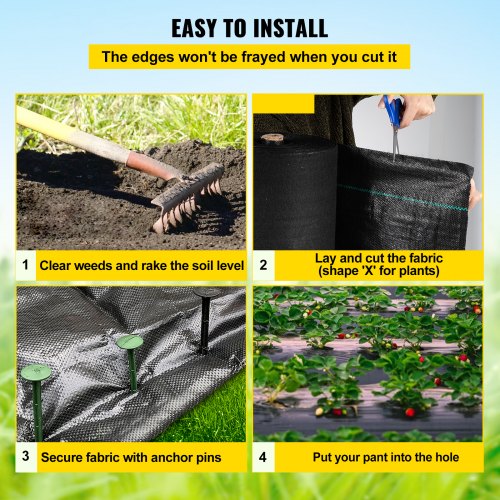
Credit: www.vevor.com
Water Flow And Drainage
Landscape fabric is often used in gardens and yards to control weeds. It also affects how water moves through soil. Understanding water flow and drainage through landscape fabric helps maintain healthy plants.
This article discusses water penetration rates and the effect on soil moisture when using landscape fabric.
Water Penetration Rates
Landscape fabric allows water to pass but at different rates. Some fabrics have tighter weaves that slow water flow. Others are more porous, letting more water through quickly.
- Permeable fabrics help rainwater reach plant roots.
- Less permeable fabrics may cause water to pool on top.
- Proper fabric choice depends on soil type and climate.
Effect On Soil Moisture
Soil moisture changes depending on how well water passes through the fabric. Good water flow keeps soil moist but not soaked. Poor flow can make soil too dry or too wet.
| Fabric Type | Water Flow | Soil Moisture Effect |
| Non-woven fabric | Moderate | Maintains steady moisture |
| Woven fabric | High | Allows quick drainage |
| Plastic sheeting | Low | Can trap water, causes sogginess |
Types Of Landscape Fabrics
Landscape fabric is used to prevent weeds and help water pass through. It is placed under mulch or gravel in gardens and pathways.
There are different types of landscape fabrics. Each type has unique features and uses. Understanding these can help you choose the best one for your needs.
Woven Fabrics
Woven fabrics are made from tightly woven fibers. They are strong and durable. These fabrics are good for areas with heavy foot traffic.
Woven fabrics allow water to pass through. They also block sunlight, which helps stop weeds from growing.
- Ideal for walkways and driveways
- Long-lasting and durable
- Allows water and air to pass through
Non-woven Fabrics
Non-woven fabrics are made from bonded fibers. They are softer and more flexible. These fabrics are great for flower beds and gardens.
Non-woven fabrics let water through while blocking weeds. They are easy to cut and fit around plants.
- Best for garden beds and planting areas
- Easy to shape and install
- Effective weed control while allowing water flow
Common Misconceptions
Many people think landscape fabric stops all water from passing through. This is not true. Understanding how it works helps in using it correctly in gardens and yards.
Some also worry that landscape fabric harms plants by blocking water or nutrients. Let’s clear up these common ideas and see what really happens.
Does It Completely Block Water?
Landscape fabric is designed to let water pass through, not block it entirely. It acts as a barrier to weeds while allowing moisture to reach the soil below.
- Most fabrics are made with tiny holes for water flow.
- Heavy rain or watering can pass through easily.
- Fabric type affects how much water gets through.
- Improper installation can reduce water penetration.
Impact On Plant Health
| Factor | Effect on Plants |
| Water Flow | Allows roots to get needed moisture |
| Air Circulation | Helps soil stay healthy and prevents rot |
| Nutrient Access | Fabric does not block nutrients from reaching soil |
| Root Growth | Plants can grow roots through gaps in fabric |
Using landscape fabric properly supports plant health. It reduces weeds but still lets water and nutrients feed the plants under it.
Choosing The Right Fabric
Landscape fabric helps control weeds and manages soil moisture. Choosing the right fabric affects how well water passes through.
Different fabrics work best for different garden needs. Knowing their properties helps you pick the best one.
Factors To Consider
Look at fabric thickness, material, and water permeability. These factors affect plant health and soil condition.
- Thickness: Thicker fabrics block more water but may reduce drainage.
- Material: Common types include woven polypropylene and non-woven polyester.
- Water permeability: Choose fabric that lets water and air reach roots.
- Durability: Strong fabrics last longer under sun and soil pressure.
- UV resistance: Fabrics with UV protection prevent quick breakdown.
Best Uses In Landscaping
| Use | Fabric Type | Water Flow |
| Flower beds | Light woven fabric | High permeability |
| Pathways | Thick woven fabric | Moderate permeability |
| Vegetable gardens | Non-woven fabric | Good drainage |
| Under mulch | Durable woven fabric | Allows water but blocks weeds |
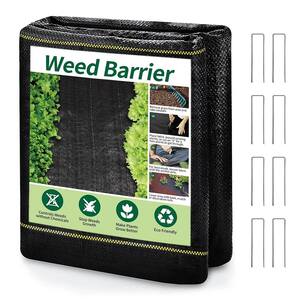
Credit: www.homedepot.com
Maintenance And Longevity
Landscape fabric helps control weeds while letting water pass through. To keep it effective, regular maintenance is important. Good care can make the fabric last many years.
Proper upkeep prevents damage and keeps water flowing to plants. This way, your garden stays healthy and tidy for a long time.
Cleaning And Care Tips
Clean the fabric to remove debris and dirt. This stops blockages that reduce water flow. Clear leaves and soil from the fabric surface often.
Check for weeds growing through holes or tears. Pull them out to keep the fabric working well. Avoid sharp tools that can tear the material.
- Remove leaves and sticks regularly
- Rinse fabric with water to clear dirt
- Pull out weeds growing through the fabric
- Avoid stepping or dragging heavy objects on fabric
Signs Of Wear And Replacement
Look for holes, tears, or thinning areas in the fabric. These signs reduce water flow and let weeds grow. Replace fabric that looks damaged or worn out.
If water pools on the surface or plants struggle to get moisture, the fabric may be clogged or broken. Check below the soil for hidden damage.
- Holes or tears in the fabric
- Water pooling or poor drainage
- Weeds growing through damaged spots
- Fabric thinning or breaking apart
- Plants showing signs of poor water access

Credit: www.heirloomsoul.com
Frequently Asked Questions
Does Landscape Fabric Allow Water To Pass Through?
Yes, landscape fabric is designed to be permeable. It lets water and air pass while blocking weeds and soil erosion.
How Does Landscape Fabric Affect Soil Drainage?
Landscape fabric improves drainage by allowing water to flow through. It prevents water pooling and helps maintain healthy soil moisture levels.
Can Landscape Fabric Prevent Waterlogging In Gardens?
Yes, it reduces waterlogging by promoting proper water flow. This helps plants avoid root rot caused by excess water.
Is Landscape Fabric Waterproof Or Water-permeable?
Landscape fabric is water-permeable, not waterproof. It allows water to seep through but blocks weeds and debris effectively.
Conclusion
Landscape fabric allows water to pass through its tiny holes. This helps keep soil moist and plants healthy. It stops weeds but does not block water flow. Choosing the right fabric matters for good drainage. Proper installation also helps water move well.
Use landscape fabric to protect your garden and control weeds. It is a simple tool that supports plant growth. Remember, good water flow is key to a strong garden.